

 "Modi's tone-deaf defense of Land Bill undermines private right to property")
(The story was first published on 23 March 2015) Prime Minister Narendra Modi is clearly in a deep sense of denial about the unprecedented crises in India’s farm sector as newspapers devote reams of space to bring out the intensity of distress in agriculture reflected in the growing suicides among farmers across the country. How else do you explain Modi’s total silence on the current state of India’s farm economy as he addressed the farmers for half an hour on his monthly radio broadcast, “Man Ki Baat”? While talking to the farmers directly, he confined his address completely to the politics around the much contested land ordinance brought by the BJP government. It showed a measure of insensitivity on the part of the Prime Minister that for a full half hour he didn’t have anything to say about the sheer collapse of farm incomes suffered this year by over 100 million farm households. [caption id=“attachment_2168103” align=“alignleft” width=“380”] 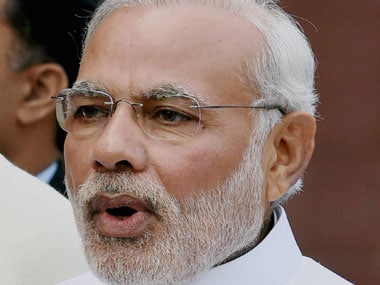 PTI[/caption] A report in Times of India suggests an 80 percent increase in farm suicides in the Beed and Marathwada regions of Maharashtra. There are fresh reports about suicides in Western UP, considered a relatively more prosperous farm belt. The farmers have been hit by a double whammy as agriculture prices have collapsed globally by over 30 to 40 percent in recent months and the unseasonal rains in recent weeks have destroyed rabi crops across north western India. Well known agriculture economist, Ashok Gulati, who has even advised Modi from time to time, has warned the NDA and said it should “wake up and address the farm crises”. If you are addressing farmers reeling under the worst income collapse in possibly a decade, how do you completely avoid talking about it? This shows a certain psychology of self denial that Modi may be generally suffering from. Modi was telling farmers, many of whom on the verge of bankruptcy, that he would use land acquisition law to build roads, hospitals, housing etc near rural habitats. Many farm households who don’t know how they will pay the next few months’ bills for electricity, fertilizer, school fees, or interest to money lenders would have found Modi’s talk a bit insulting. After all, people want their immediate needs addressed. Modi had explicity promised much higher Minimum Support Price( 50% over and above the total cost of farm inputs). The farmers would have wanted to hear something about that. The BJP had also promised a substantial price stabilization fund for farmers to cushion them against global price volaitility. The farmers would have been happy to hear something on that. But unfortunately, Modi’s “Mann Ki Baat” was confined to the politics around the land acquisition law even as the PM accused all those opposing the ordinance of spreading lies. In effect, Modi is also accusing important elements of Sangh Parivar of spreading lies as they too are protesting the arbitrary removal of the clause relating to mandatory consent from farmers before acquiring land for PPP projects. The Sangh Parivar outfits have also fully backed Social Impact Assessment clause in the current law, which the new ordinance wants to take away. Modi is quite isolated on the land ordinance and he knows that his direct communication with the farmers is his last bid to salvage whatever he could of the ordinance. Interestingly, Modi clarified one aspect about which there was considerable confusion so far. He said the government will acquire long stretches of land alongside the national highways for industrial corridors but such land will remain under government ownership. In effect they will not be owned by the private sector. The main objection to the land ordinance was that the State was acquiring land for the private sector without the farmer’s consent. So there is a subtle shift in the government stance now. Modi said whatever land is acquired without consent, will be owned by the government and possibly leased out to the private sector. But such a leasing arrangement can work if farmers are given enough stake in terms of employment to a family member and a promise that they will have some residual right over the land if businesses wind up and land is freed. The government should not end up becoming the biggest hoarder of land as is the case now. By a rough estimate the government agencies and PSUs own over 5 lakh acres of surplus and unused land at the Centre and State level. Modi must bring out a white paper on vacant land with government agencies. The founders of India’s constitution would never have envisaged that the State would become such a big hoarder of land. It is possible that Modi’s approach, putting so much faith in the State to acquire and lease land for development of industrial corridors, may end up creating a fresh bias against private property rights which had already received a setback in 1977 through the 44th constitutional amendment which eliminated the individual’s right to acquire, hold and dispose of property as a fundamental right. This is a larger question which needs to be gone into. In any case, farmers have lost faith in the state agency to act as an honest arbiter when their land is used for industrial and infrastructure purposes. This politics of this will take shape in the months to come. Modi’s verbal assurance at this stage will not count for much, given the predatory nature of the State agencies in the way they have acquired land historically It is a mere coincidence that on the eve of Modi’s “Man Ki Baat”, a defamation suit filed by Union minister Nitin Gadkari against Delhi CM Arvind Kejriwal came up for its first substantive hearing. Kejriwal had publicly accused Gadkari of being corrupt and the latter decided to file a defamation case. Nitin Gadkari was present in the court and Kejriwal’s lawyer formally asked Gadkari whether it was true that the Maharashtra government had acquired land from farmers to build a dam but the project got shelved. Eventually the state minister Ajit Pawar handed over about 30 hectares of the same farmers’ land to NGOs run by Gadkari. Gadkari replied that the land was acquired legitimately for a public purpose. Even if Gadkari’s claim is true, it still shows how tenuous property rights of farmers are in India. The State agencies today are claiming to be the repository of all real knowledge of progress, development and ethical conduct. This is the biggest irony we encounter today!
Modi is quite isolated on the land ordinance and he knows that his direct communication with the farmers is his last bid to salvage whatever he could of the ordinance.
Advertisement
End of Article

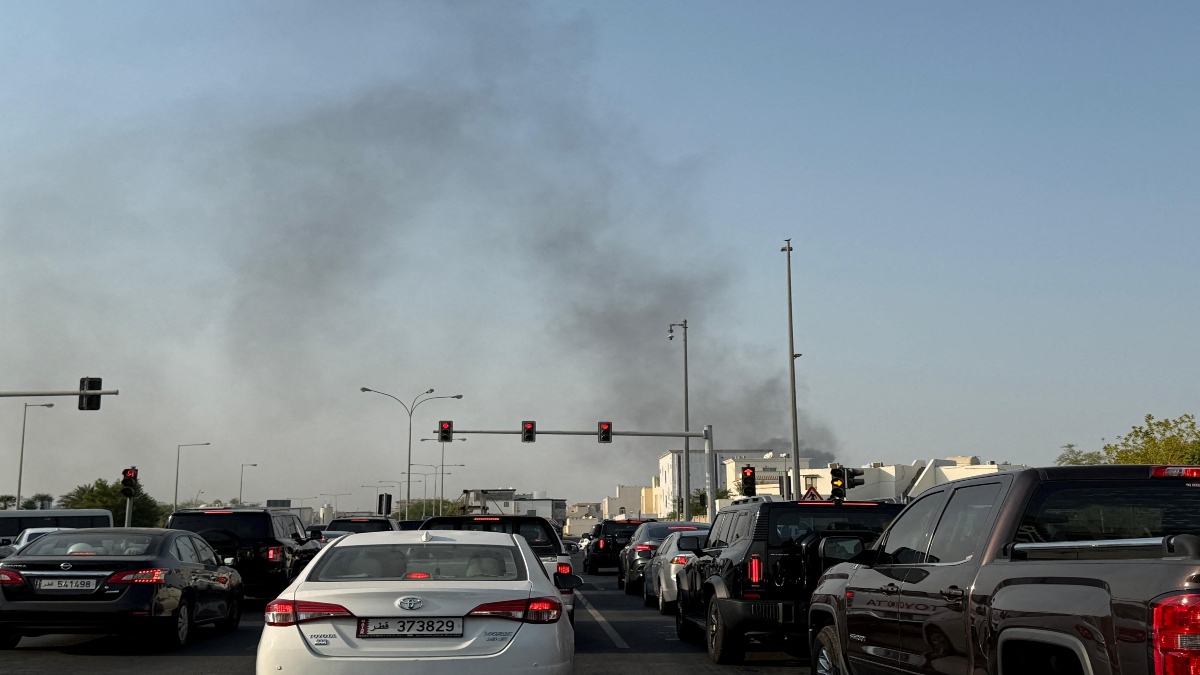 "Israel targets top Hamas leaders in Doha; Qatar, Iran condemn strike as violation of sovereignty")
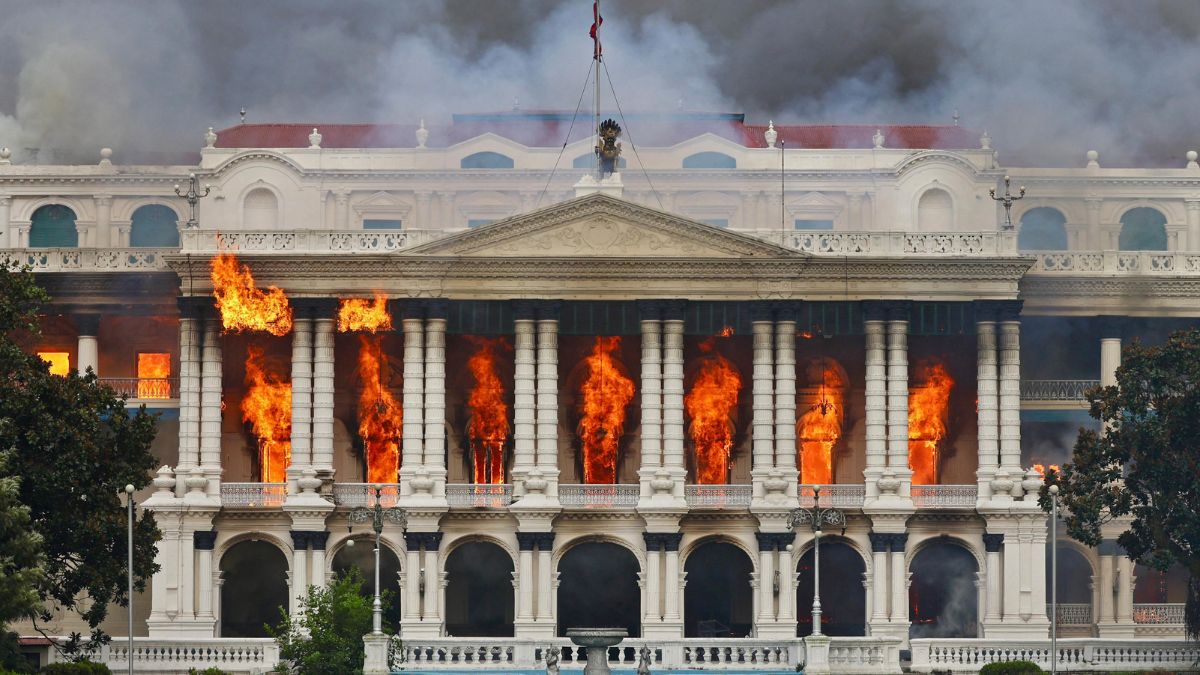 "Nepal: Oli to continue until new PM is sworn in, nation on edge as all branches of govt torched")
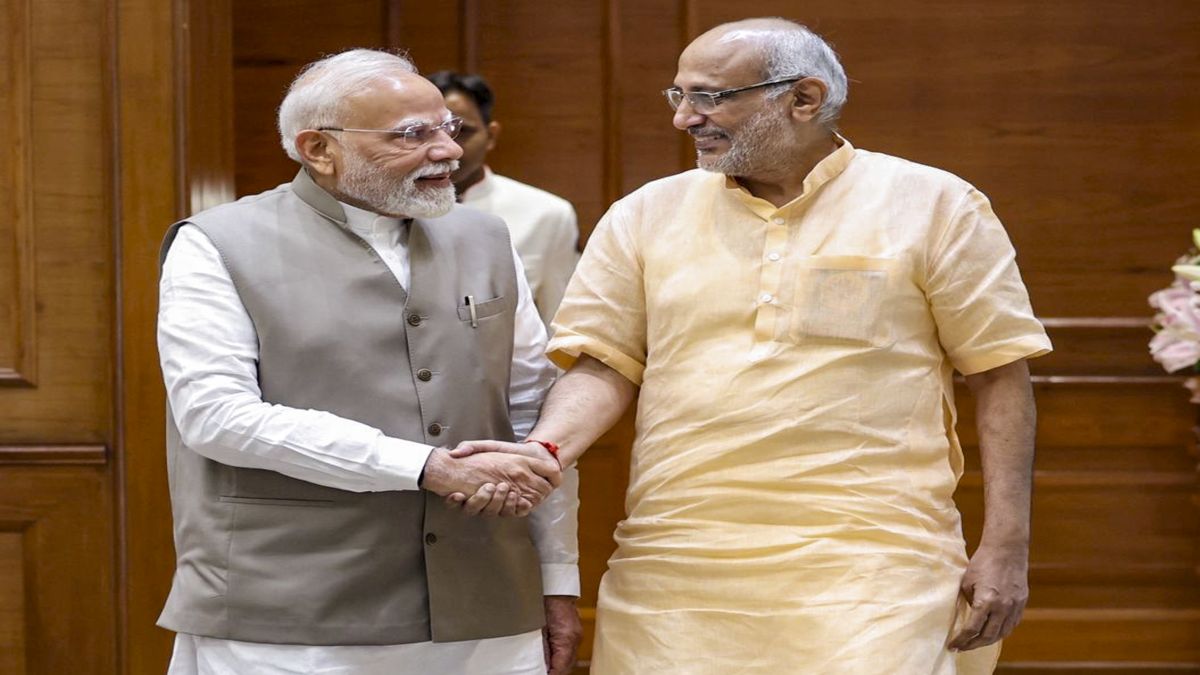 "Who is CP Radhakrishnan, India's next vice-president?")
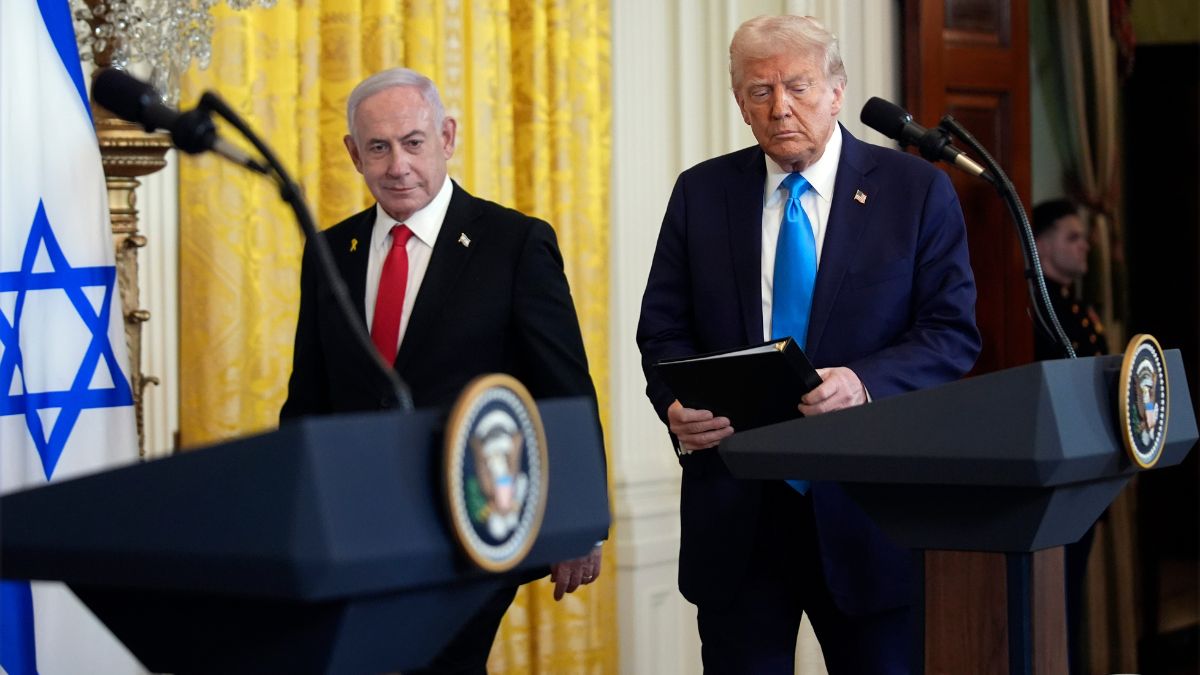 "Israel informed US ahead of strikes on Hamas leaders in Doha, says White House")
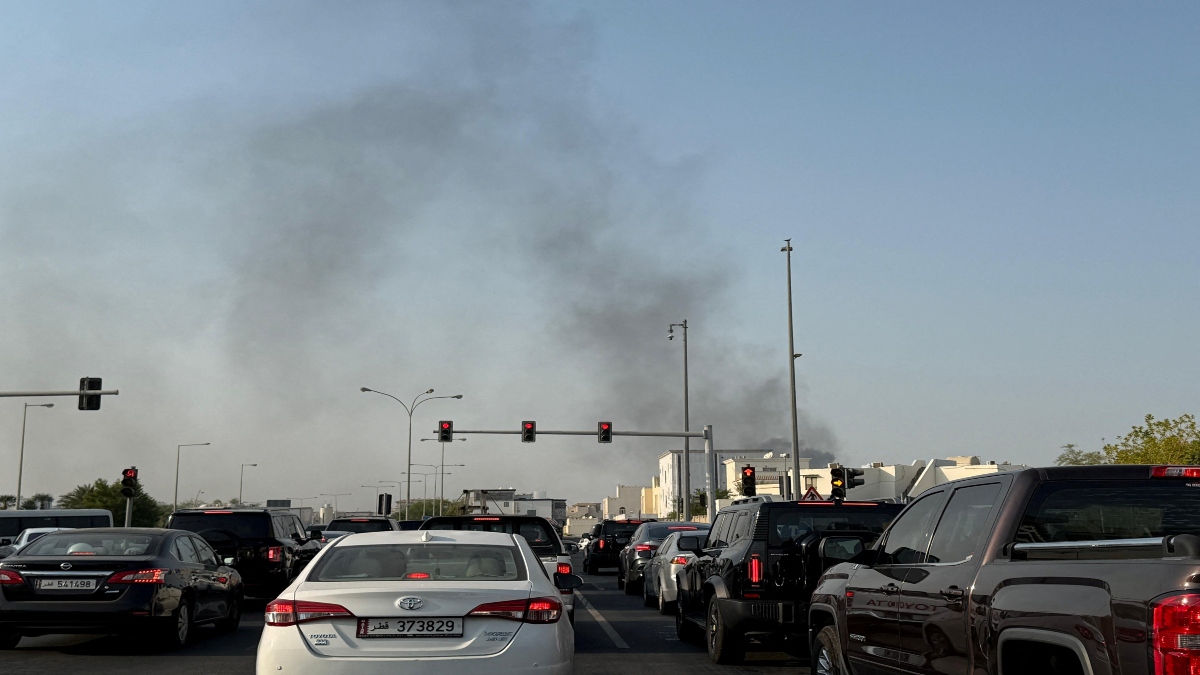 "Israel targets top Hamas leaders in Doha; Qatar, Iran condemn strike as violation of sovereignty")
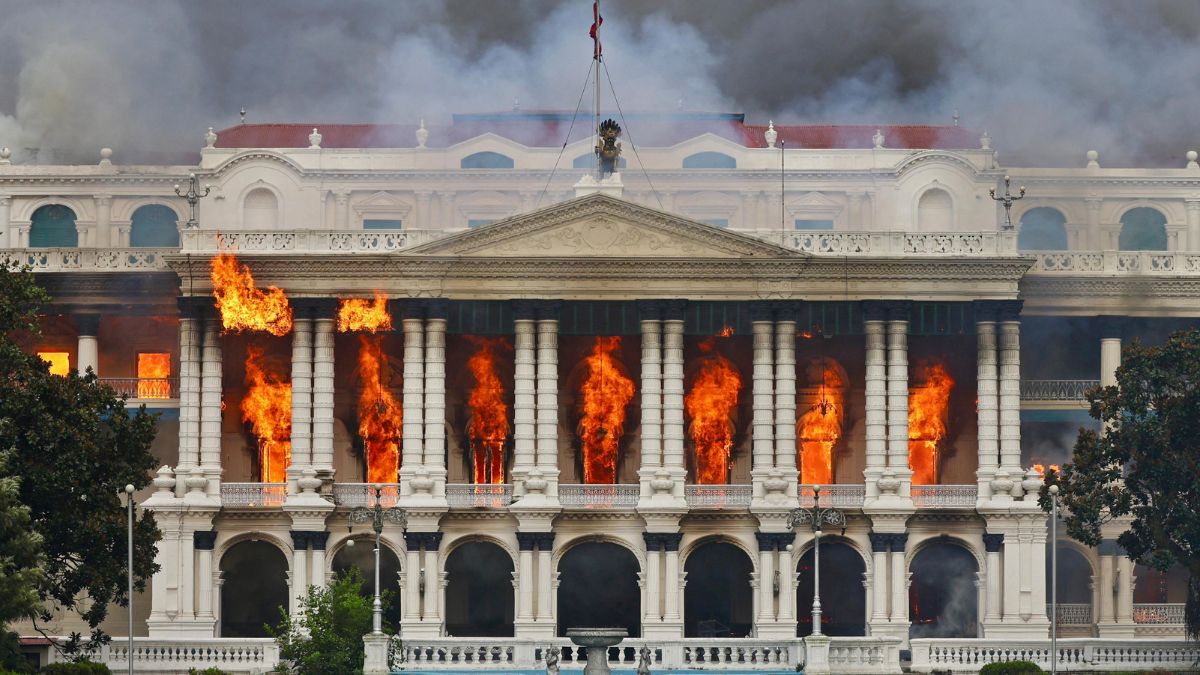 "Nepal: Oli to continue until new PM is sworn in, nation on edge as all branches of govt torched")
 "Who is CP Radhakrishnan, India's next vice-president?")
 "Israel informed US ahead of strikes on Hamas leaders in Doha, says White House")



](https://images.firstpost.com/wp-content/uploads/2015/03/Narendra_Modi_PTI31.jpg)