

 "Maya’s fate keeps floating in floating votes")
Lucknow: The popular verdict is clear: Mayawati has squandered her mandate. The first political leader in a long, long time to get a clear majority in the Uttar Pradesh assembly has not lived up to the expectations of the voters who believed that a stable government would end the climate of political uncertainty in the state. However, the adverse popular mood does not necessarily translate into she will be rejected this time. There are more floating votes this elections. It means many of the people who were with the BSP last time, have broken free and weighing other options. Part of it has to do with other parties trying to exploit the latent tension among different sections of the Dalits – her vote bank – and part of it with Mayawati herself, who has failed to keep her core base protected from poaching attempts. This vote will decide her fate. Her only advantage: main rival Samajwadi Party does not figure too high in popular estimation. SP chief Malayam Singh and his son Akhilesh Yadav have covered significant ground after their drubbing in 2007 but that might not be enough. There is no clear wave in favour of the party this time around. In fact, there’s no groundswell of support visible for any party. Interestingly, there’s a heavy voter turn out. That leaves every party elated and confused at the same time. [caption id=“attachment_211091” align=“alignleft” width=“380” caption=“There are more floating votes this elections. It means many of the people who were with the BSP last time, have broken free and weighing other options. PTI”] 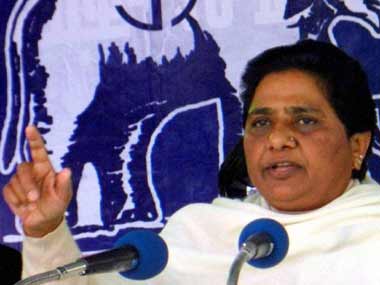 [/caption] “Forget the caste combination, what matters in UP is how many voters parties manage to take to the polling booth,” says a poll observer from the state. That is poll management at the booth-level. It is difficult to agree with his contention but if that is at least one of the factors in deciding the winner, the large turn out shows none of the parties has done a bad job. This is what makes them hopeful of a good performance. The confusion is self-explanatory. Caste is integral to poll behaviour in UP. But all the theories of the magic caste combo and statistics reducing voting pattern to percentage terms do not quite explain how UP votes. Mayawati’s victory in 2007 was attributed to the rainbow coalition she formed including Dalits, Muslims and Brahmins. This is brilliant social engineering, said experts and sought to explain it in numbers. Mayawati swept the poll with around 30 percent of the total votes. This was divided into around 25 percent Dalit votes and the rest from Brahmins, Muslims and others. What this approach misses is the difference between subjective science and objective science. Voters are not easily quantifiable stable entities with predictable behaviour, which objective science takes its subjects to be. Each voter thinks in a different way and interprets reality as it presents itself in a different way. Thus an election victory is not simply the sum of caste and community votes — if that was the case, every party in power would fiercely protect his support base and come up trumps every time. What the rainbow coalition theory ignores is there was a huge wave against Mulayam in 2007 – courtesy, the terror unleashed by members of his favourite community, Yadavs, on lower castes and the lack of law and order in general. Since voters had no other choice – the Congress was too weak and the BJP in an existential crisis — they voted for Mayawati. The anti-Mulayam factor was more in operation here than the pro-Mayawati factor. In the current election, the anti-Mayawati factor is strong. The SP should be natural beneficiary in normal circumstances, but there is another player which is attracting attention: the Congress. The party is trying hard to revive itself and is fully into caste games this time. The lack of local and state-level leadership has to a big extent been compensated by Rahul Gandhi, who has been in UP campaigning hard for over three months. “The Congress will not form the government but it will emerge as a strong player in UP politics soon, the third alternative, if it continues like this,” says an UP watcher, adding, “Rahul brings certain freshness to politics which had been lacking in the state so far.” He is, however, not sure whether it is going to deliver big time this time. The BJP, he says, is yet to think long term and chart out a plan of action. The floating votes are likely to be divided between the SP and the Congress with the BJP mopping up a small fraction, he says. The ’likely’ angle makes the election so interesting. This is an area where psephology routinely slips. In whatever way the likely phenomenon works, Mayawati has something to be worried about. This election is not going to be easy for her.
Mayawati has squandered her mandate but who is going to benefit from it?
Advertisement
End of Article

 "Israel targets top Hamas leaders in Doha; Qatar, Iran condemn strike as violation of sovereignty")
 "Nepal: Oli to continue until new PM is sworn in, nation on edge as all branches of govt torched")
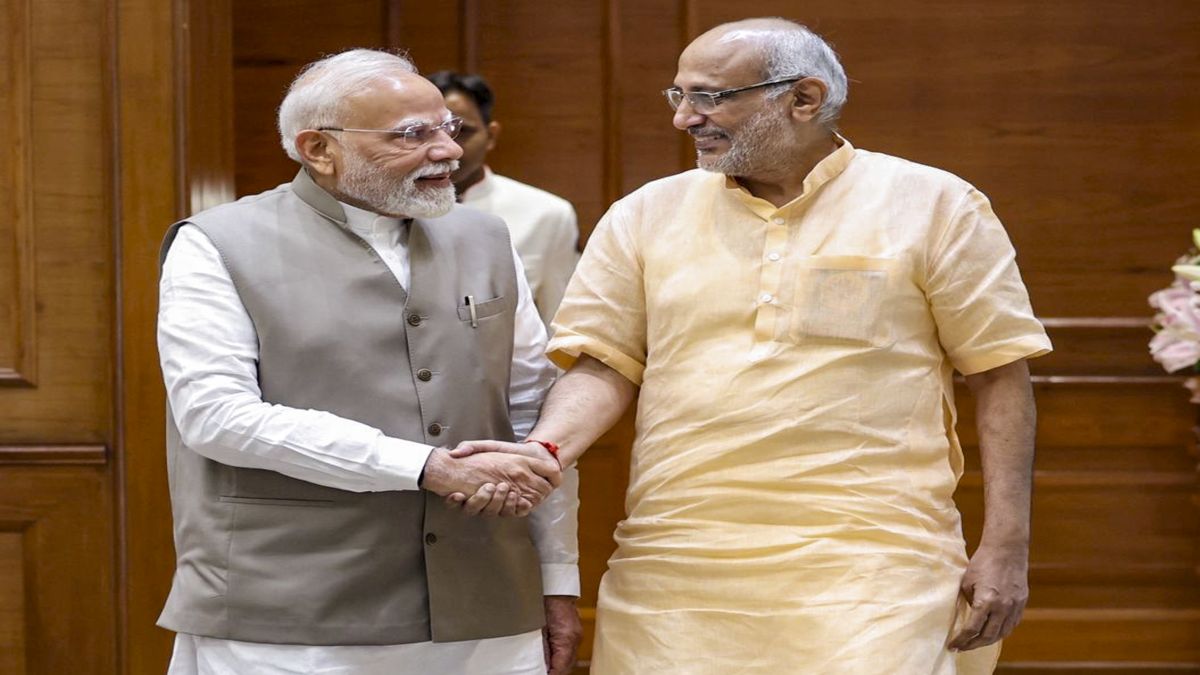 "Who is CP Radhakrishnan, India's next vice-president?")
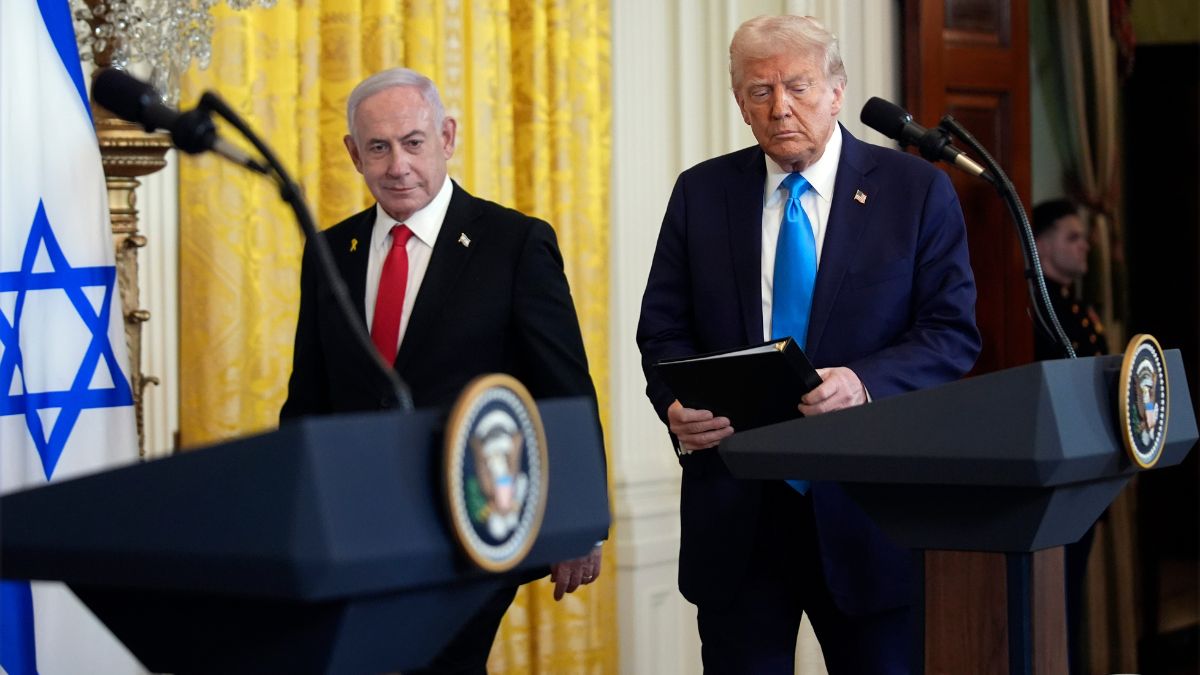 "Israel informed US ahead of strikes on Hamas leaders in Doha, says White House")
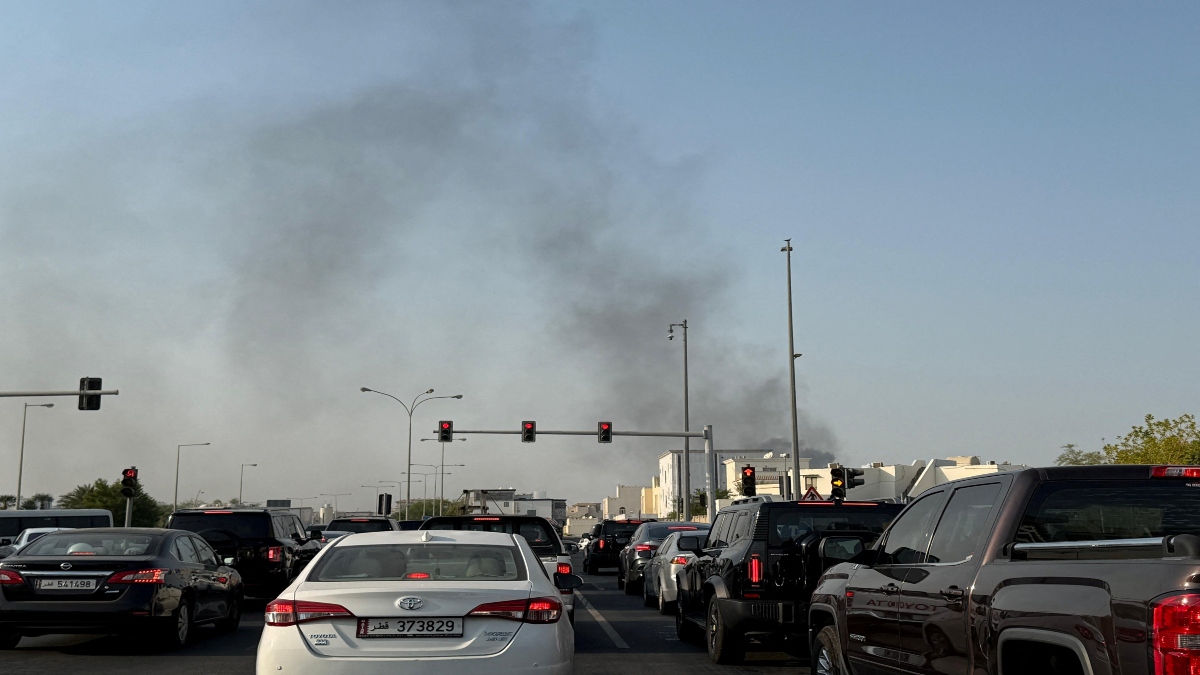 "Israel targets top Hamas leaders in Doha; Qatar, Iran condemn strike as violation of sovereignty")
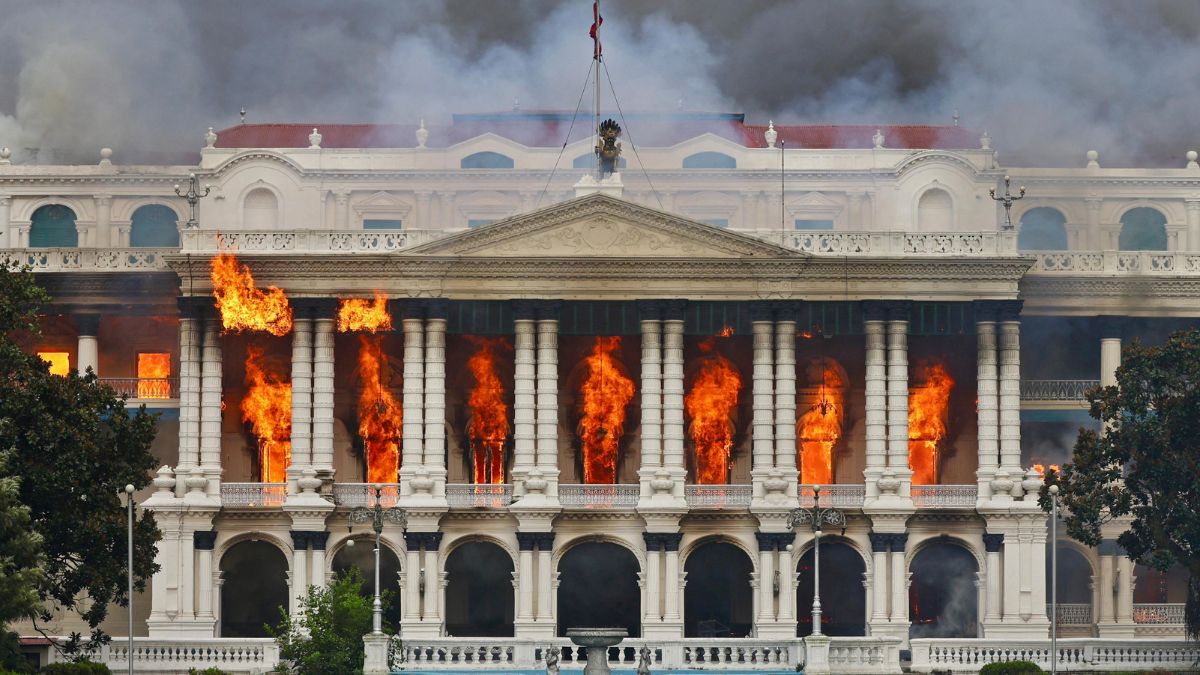 "Nepal: Oli to continue until new PM is sworn in, nation on edge as all branches of govt torched")
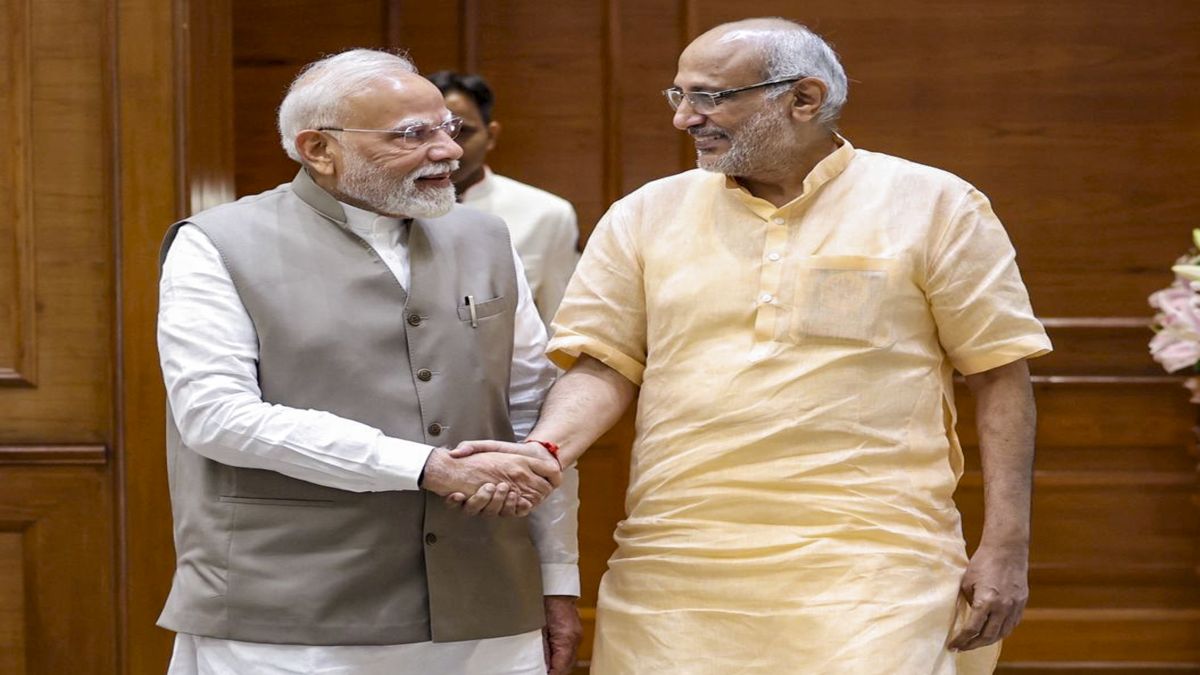 "Who is CP Radhakrishnan, India's next vice-president?")
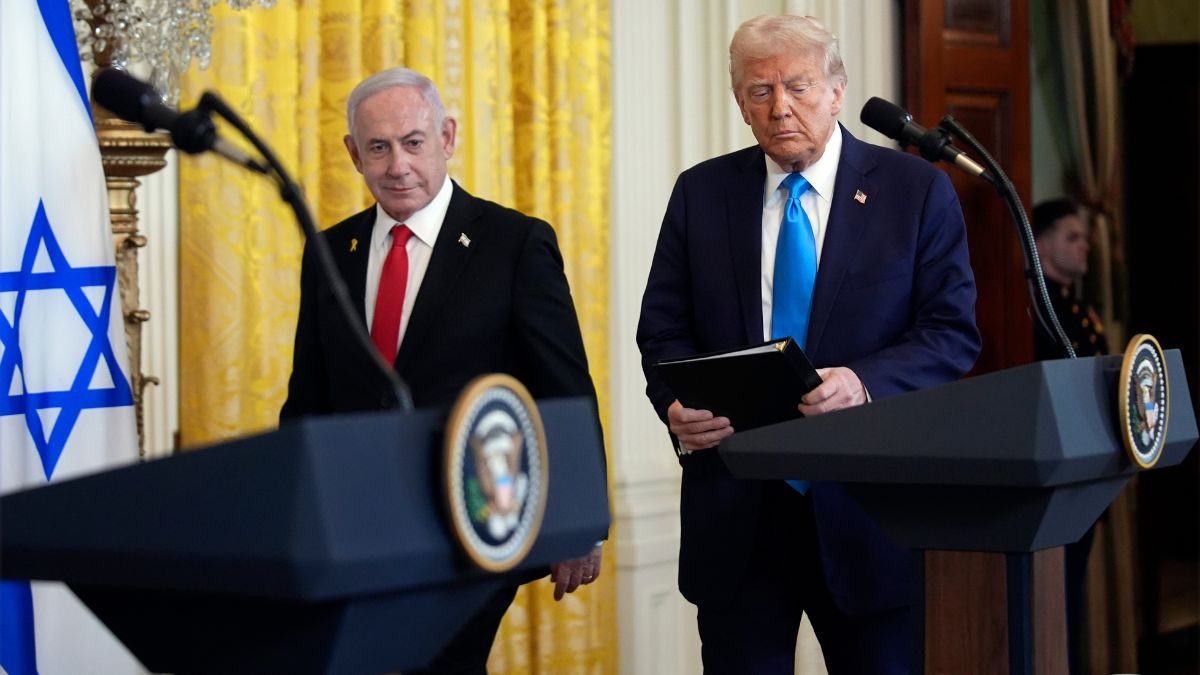 "Israel informed US ahead of strikes on Hamas leaders in Doha, says White House")



](https://images.firstpost.com/wp-content/uploads/2012/02/maya-pti.jpg)