

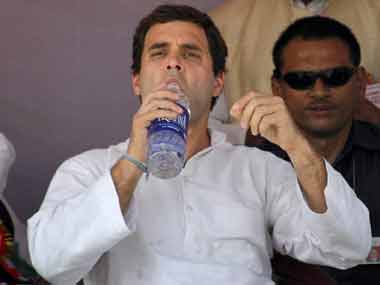
 "Dear Congress, poll strategies of the 70s don't work anymore")
It’s time for the Congress to learn that politics in the country has changed, that the voters have changed and that the Indira Gandhi style of managing elections is gone forever. Consider the performance of the Congress in the three largest states that have been to the polls – UP, Uttarakhand and Punjab. “Mulayam Singh Yadav’s SP is bound to surprise by garnering an impressive 34 per cent of the votes in the Assembly elections 2012,” says the CNN-IBN-The Week post-poll survey conducted by CSDS [caption id=“attachment_233313” align=“alignleft” width=“380” caption=“The Congress needs more than just charisma to win state elections: PTI”]  [/caption] “Rahul Gandhi, despite the Congress’ bad performance in the survey, remains a favourite of the voters. 38 percent of the voters surveyed said they have more faith in Rahul, followed by 21 percent for Mulayam Singh Yadav’s son, Akhilesh Yadav. Mulayam was also the top choice for the Chief Minister’s post with 34 percent of the voters opting for the SP chief, as opposed to Mayawati (22 percent) and Rahul Gandhi (8 percent). Despite the wave, only 2 percent of the voters wanted Akhilesh as the CM of the state,” says the same survey. “In a survey conducted by CNN-IBN, 33 percent people want BC Khanduri as the Uttarakhand Chief Minister followed by Harish Rawat with 13 percent,” says the survey, despite the fact that the Congress is “projected to win 31-41 seats, a massive improvement on its 2007 performance when it won 22. The ruling BJP, on the other hand, may end up with 22-32 seats as opposed to 34 in 2007.” In Punjab the survey says, “the personal popularity of incumbent Chief Minister Parkash Singh Badal has remained as high as it was five years ago and he is yet again the most preferred choice for chief minister (38 percent) among voters, particularly women and farmers. Amarinder Singh of the Congress is a close second at 33 percent. However compared to 2007, his popularity is down by 5 percent.” The Congress can draw lessons from this. It is not enough in Assembly elections (or even municipal elections, as they learned in the recently conducted elections to the BMC) to focus energies on the star ‘national’ leader. When it comes to the hustings, the voters want to know who will lead the state – and look for the most competent leader who is in the running. The control-from-Delhi management style is still viable, but the party must go to the polls with a clear CM candidate, one who can be projected as being so during the campaigning. This candidate could be propped up during the run up to the poll, as the man (or woman) who enjoys the confidence and support of the powers that be in Delhi. In such a case, Rahul Gandhi’s admitted popularity would have translated into votes for the party, not just a certification of his charisma. The CNN-IBN survey seems to suggest that voter sentiment was along the lines of, “Hey, we love Rahul, but he’s not going to opt for chief ministership, so let’s vote for Mulayam, who will". In Uttarakhand, Congress leader Harish Rawat comes a poor second in the popularity stakes, as does Amarinder Singh in Punjab. Both could have benefited from an unambiguous statement from the Congress in Delhi that they are future CMs, rather than the routine, “Congress is a democratic party, the legislators will decide once the results are in.” For a party that is run as a fiefdom while claiming to be democratic, this is one area where they need to demonstrate their authoritarianism – in the selection and announcement of a CM-in-waiting much before polls are announced.
It’s time for the Congress to learn that politics in the country has changed, that the voters have changed and that the Indira Gandhi style of managing elections is gone forever.
Anant Rangaswami was, until recently, the editor of Campaign India magazine, of which Anant was also the founding editor. Campaign India is now arguably India's most respected publication in the advertising and media space. Anant has over 20 years experience in media and advertising. He began in Madras, for STAR TV, moving on as Regional Manager, South for Sony’s SET and finally as Chief Manager at BCCL’s Times Television and Times FM. He then moved to advertising, rising to the post of Associate Vice President at TBWA India. Anant then made the leap into journalism, taking over as editor of what is now Campaign India's competitive publication, Impact. Anant teaches regularly and is a prolific blogger and author of Watching from the sidelines. see more

 "Israel targets top Hamas leaders in Doha; Qatar, Iran condemn strike as violation of sovereignty")
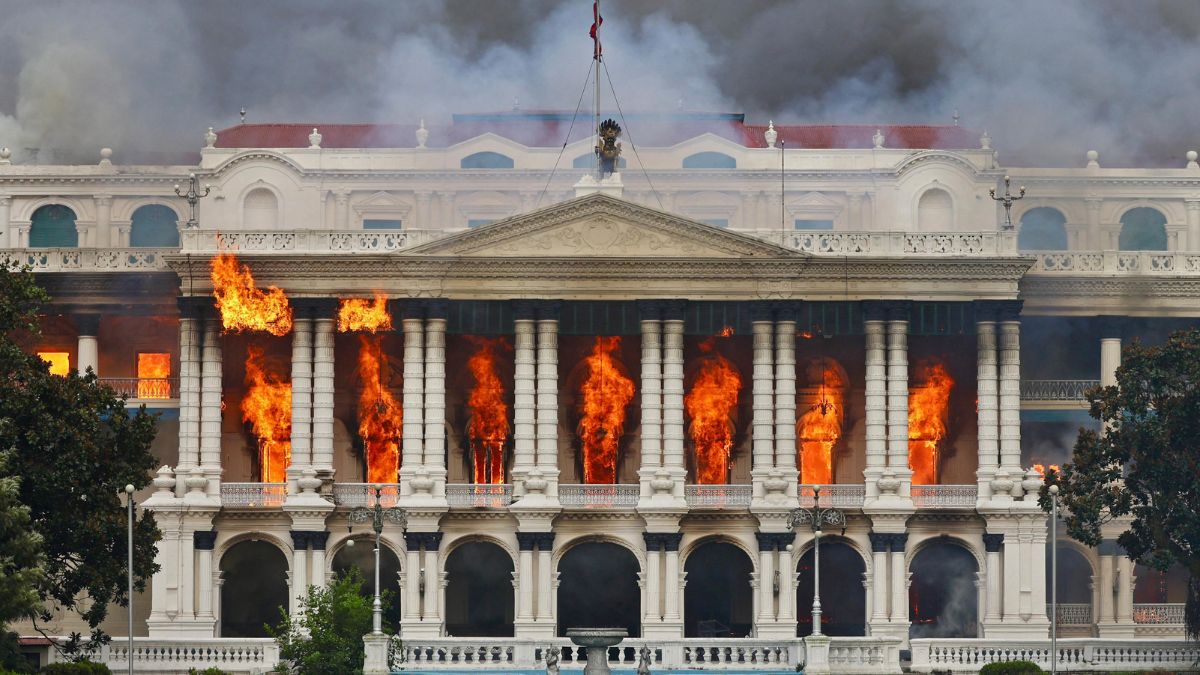 "Nepal: Oli to continue until new PM is sworn in, nation on edge as all branches of govt torched")
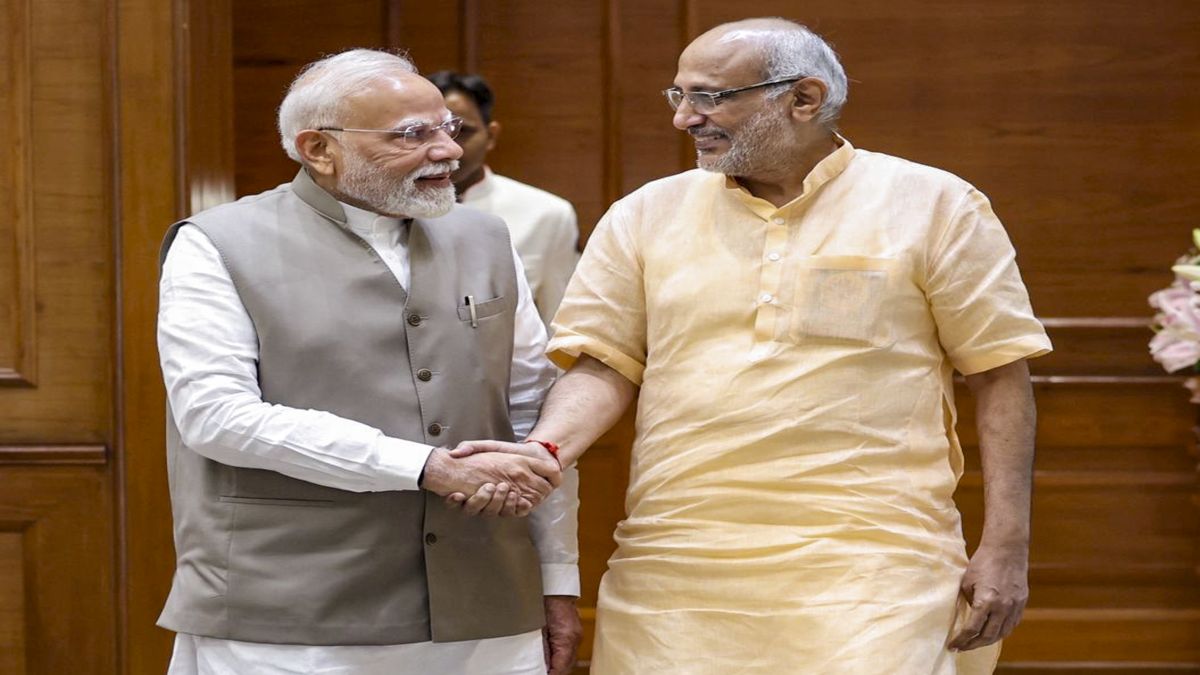 "Who is CP Radhakrishnan, India's next vice-president?")
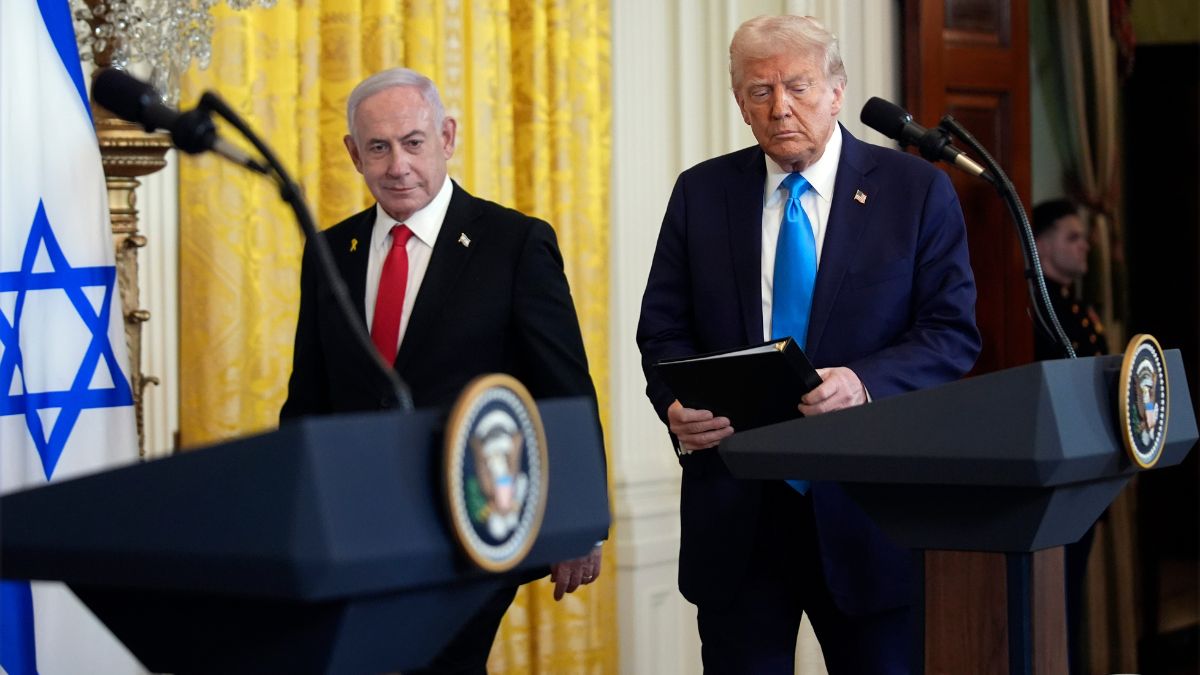 "Israel informed US ahead of strikes on Hamas leaders in Doha, says White House")
 "Israel targets top Hamas leaders in Doha; Qatar, Iran condemn strike as violation of sovereignty")
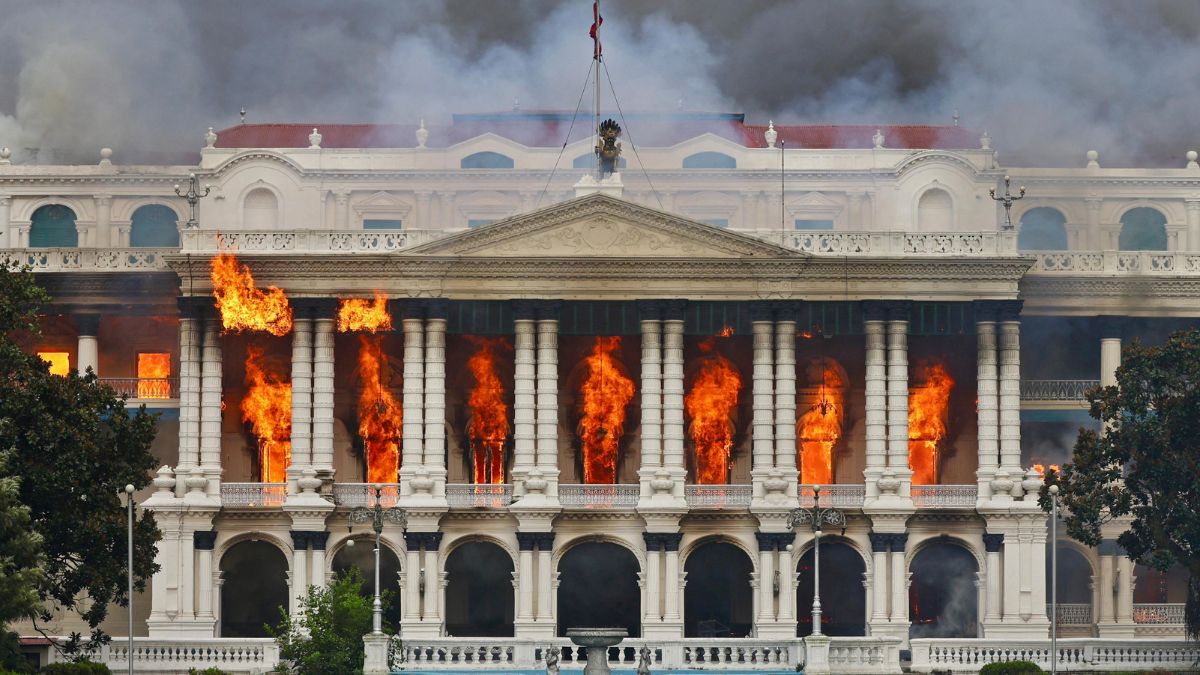 "Nepal: Oli to continue until new PM is sworn in, nation on edge as all branches of govt torched")
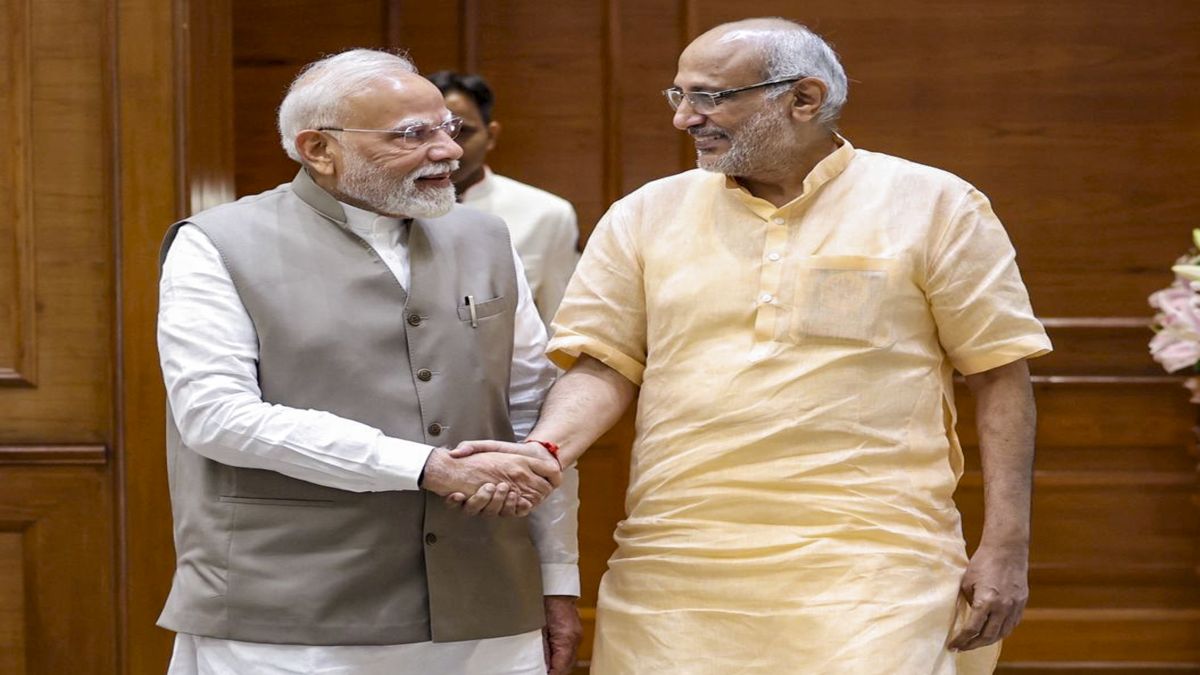 "Who is CP Radhakrishnan, India's next vice-president?")
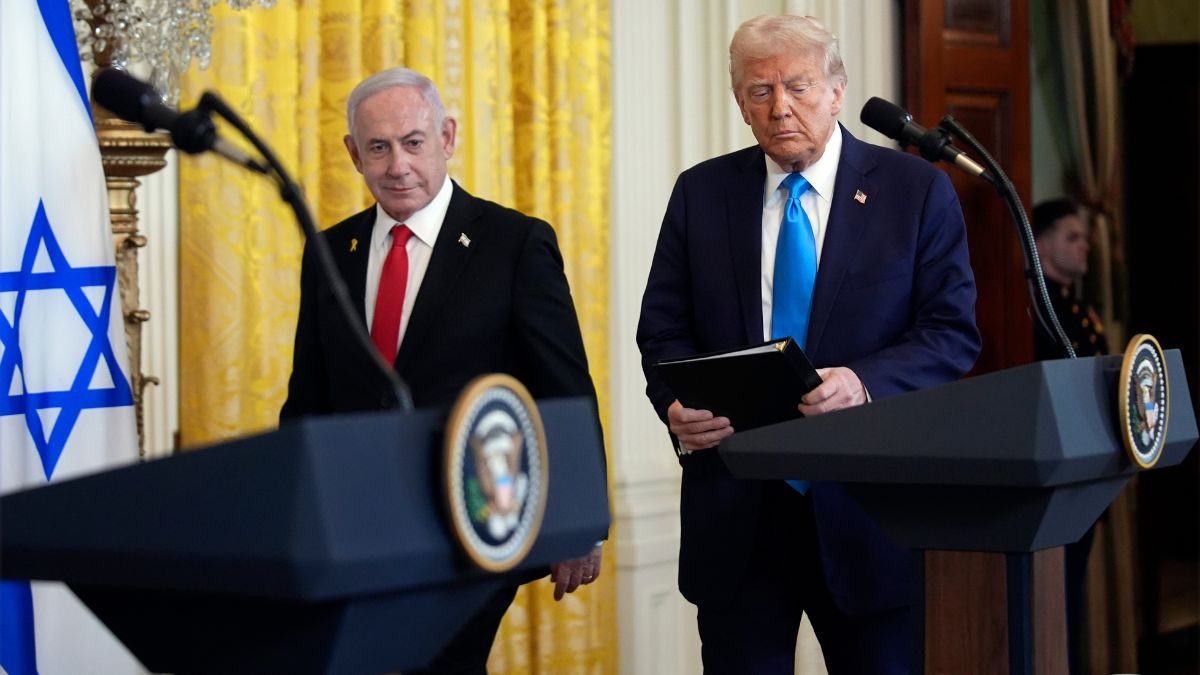 "Israel informed US ahead of strikes on Hamas leaders in Doha, says White House")



](https://images.firstpost.com/wp-content/uploads/2012/03/Rahul-Gandhi_UPElection-Start_PTI.jpg)