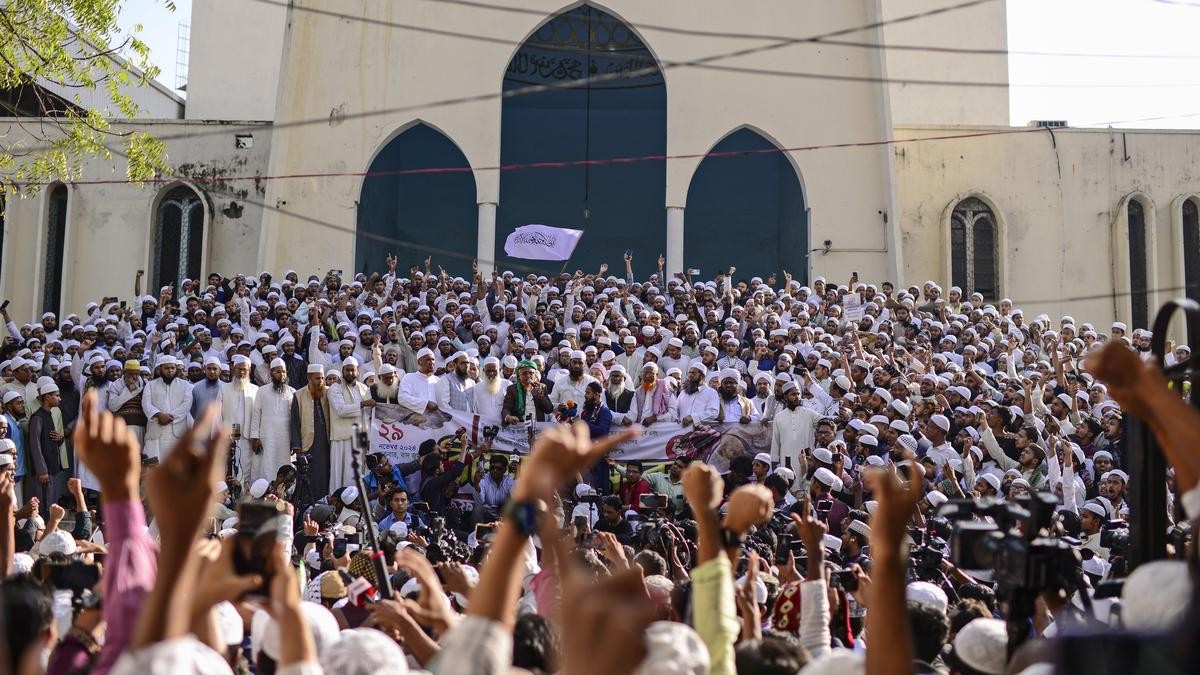
 "Yunus’s Bangladesh has become a Pakistani client state")
In a move that has raised alarm across Bharat, Bangladesh and Pakistan have agreed to implement visa-free travel for each other’s diplomats and official passport holders. This policy shift marks the most explicit sign yet of Dhaka’s growing closeness to Islamabad, following the sudden and opaque ouster of Sheikh Hasina in August 2024.
Framed officially as a gesture of “Muslim brotherhood” and “regional solidarity”, this development has far deeper—and darker—implications, especially for Bharat. To those familiar with Bangladesh’s liberation struggle, the deal reeks of strategic capitulation and ideological drift. After all, this is the same Pakistan whose military committed unspeakable atrocities in 1971, the very trauma that gave birth to Bangladesh.
The symbolism is unmistakable: Post-Hasina Bangladesh is behaving like a Pakistani client state, seduced back into the orbit of the regime it broke free from five decades ago.
And this isn’t without precedent.
Mujib’s Dangerous Playbook
What we are witnessing today echoes a disheartening chapter in Bangladesh’s formative years. Just two years after leading a bloody struggle for independence, ‘Bangabandhu’ Sheikh Mujibur Rahman began realigning with Islamabad—a move that stunned Dhaka and Delhi alike.
In 1974, Mujib gave a state welcome to Pakistani Prime Minister Zulfiqar Ali Bhutto, offering him more honours than were extended to Bharat’s President, VV Giri, who had visited Dhaka only days earlier. President Giri’s reception was deliberately subdued—overshadowed by preparations for Bhutto’s visit—leaving even Bangladeshis puzzled.
This contrast wasn’t merely accidental. It was a shift in the ideological direction of the state. Mujib’s fiery Bengali nationalism began to give way to pan-Islamic overtones. Post-independence, his speeches, once invoking unity among Bengalis, started leaning heavily on Bangladesh’s Muslim identity. The man who had once declared, “I am a human being first, then a Bengali, and then a Muslim,” had reversed that order—signalling a fundamental redefinition of the country’s soul.
Quick Reads
View AllThe Aeroplane That Said It All
Nothing illustrated Mujib’s post-liberation hypocrisy better than the aircraft controversy surrounding his return from Pakistani captivity. Bharat had fought a brutal war and negotiated his release. It had even arranged its own aircraft to fly him home.
Yet Mujib chose a British Royal Air Force (RAF) Comet instead.
The British celebrated it as a diplomatic coup, with Rae Britten, the British deputy high commissioner in Dhaka, terming it a “considerable prestige”. New Delhi was deeply slighted. The row exposed Mujib’s desire to downplay Bharat’s foundational role in Bangladesh’s freedom—and to elevate the West and Islamic powers as future allies.
The disregard didn’t stop there.
At a strategically important railway bridge inauguration shortly afterward—an infrastructure project executed in record time by Bharat’s engineers with liberal assistance from New Delhi—Mujib thanked the British for financial support but made no mention of its neighbouring country. He then left by helicopter, inviting only British High Commissioner Sir Arthur Gold aboard. Subimal Dutt, Bharat’s distinguished former foreign secretary and ambassador, was left to travel back in a crowded, non-VIP carriage, without food or official courtesy.
Author Manash Ghosh, who was then reporting from Dhaka for The Statesman, writes about Subimal Dutt’s plight in Mujib’s Blunders, one of the best books to come out in recent times. “No food or water was served to him during the four-hour return journey. He (Dutt) was seen frequently dozing off and his head falling and resting on the shoulders of his co-passengers, who repeatedly woke him up, and he with folded hands sought their forgiveness. ‘I go to bed early, hence the problem,’ he had gone on to explain embarrassingly,” Ghosh adds.
Mujib’s actions were seen as a calculated distancing from Bharat. After all, Subimal Dutt had played a great role in the reconstruction of Bangladesh post-liberation.
Today’s visa-free agreement with Pakistan carries the same symbolic weight—a statement of ideological realignment.
The Return of US-Pakistan Influence
Since Sheikh Hasina’s ouster, Bangladesh’s new administration has moved swiftly to rehabilitate pro-Pakistani forces, many of them linked historically to Jamaat-e-Islami and other Islamist outfits banned by the previous dispensation. While this is being spun as “democratic pluralism”, it is, in reality, a deliberate erasure of the 1971 war consensus that built Bangladesh as a secular, pluralistic republic.
The rollback has been quietly orchestrated by Washington, which had long viewed Hasina as an obstacle to its Indo-Pacific strategy. Her refusal to lease St Martin’s Island for a US naval base in the Bay of Bengal infuriated American policymakers.
Enter Donald Lu, a US State Department official with a dubious reputation for regime change, and Ambassador Peter Haas, whose fingerprints are all over Dhaka’s recent political recalibration. Just as the CIA played a silent role in the events leading to Mujib’s assassination in 1975, today’s developments bear the mark of Washington-Islamabad collusion.
Lessons from Mujib’s Fall
History offers a chilling warning. Mujib’s appeasement of Pakistan and alienation of Bharat didn’t save him—they isolated him. And now Mohammed Yunus, the economist-turned-administrator propped up by Western and Pakistani interests, is repeating the same fatal mistakes.
Yunus weaponised anti-Bharat rhetoric, aided by the Pakistani ISI and the American deep state, to unseat Hasina. But nearly a year later, his administration is floundering amid economic chaos and rising insecurity. Minorities are being terrorised. And the middle class is losing hope amid a declining economy and rising joblessness.
Having nothing to show, Yunus is now resorting to Islamist appeasement: invoking jihadist nostalgia, deepening ties with Islamabad, and empowering religious extremists. But as Mujib’s downfall proves, this path leads to disaster. Sooner or later, he too will be consumed by the very fire he has ignited.
Conclusion
Bangladesh stands at a perilous juncture. It can choose ideological amnesia—forgetting war crimes, surrendering to foreign meddling, and embracing Islamist reactionism. Or, it can choose memory, justice, and sovereignty, rooted in the blood sacrifice of 1971 and anchored by Bharat’s principled friendship.
The choice now lies with the people of Bangladesh.
They must confront the Islamist virus that re-emerges with intermittent regularity. This ideology returned for the first time just a couple of years after independence. And now, half a century later, it once again threatens to devour the republic from within.
One hopes this is only a passing cloud. If not, Bangladesh risks walking the path to perdition—abandoning its secular foundations, its democratic promise, and the very spirit of its liberation war.
Views expressed in the above piece are personal and solely those of the author. They do not necessarily reflect Firstpost’s views.

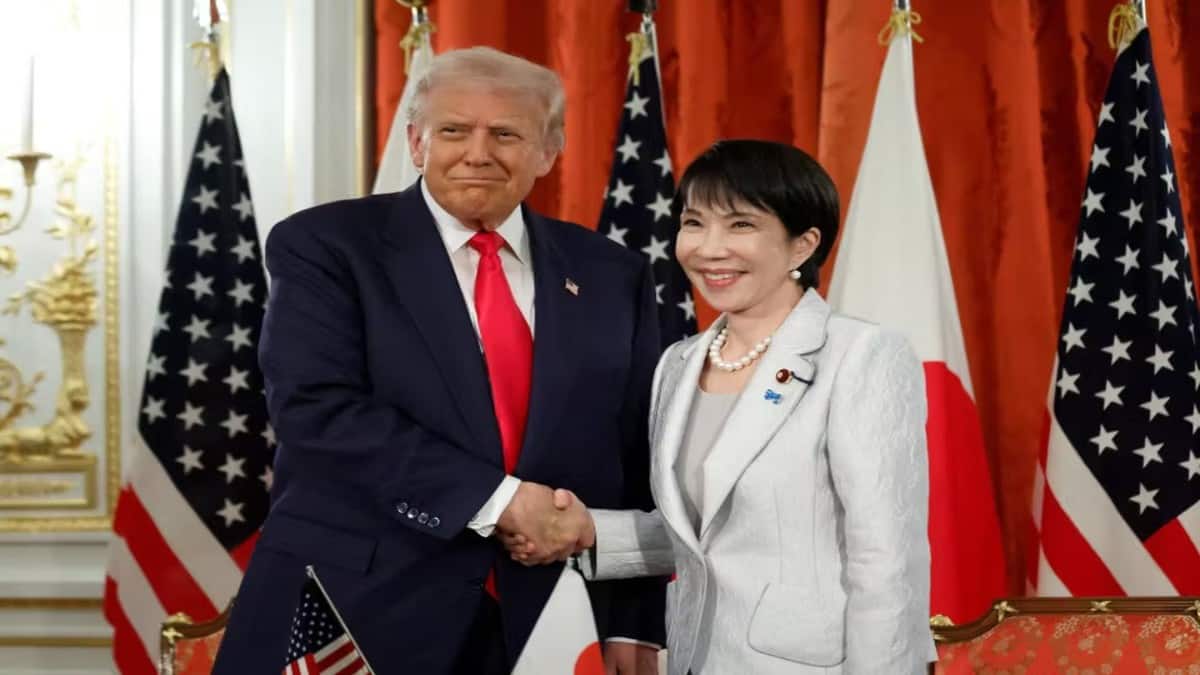
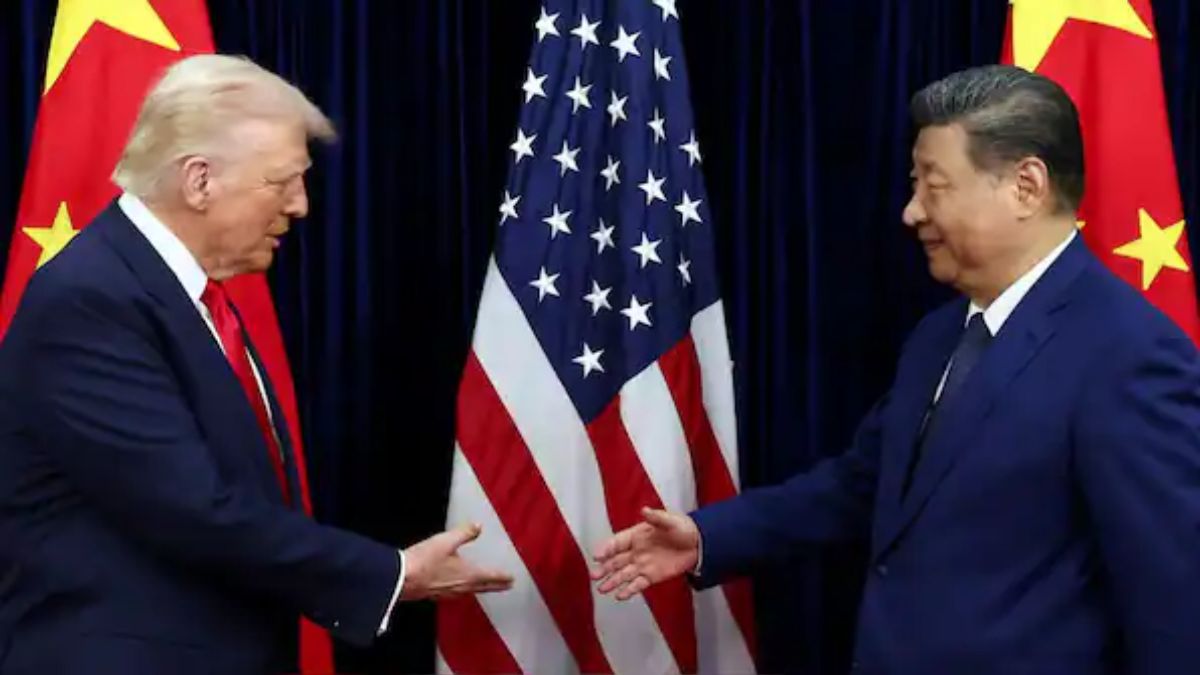 "Pentagon no longer views China as top threat, offers 'more limited' support to US allies")
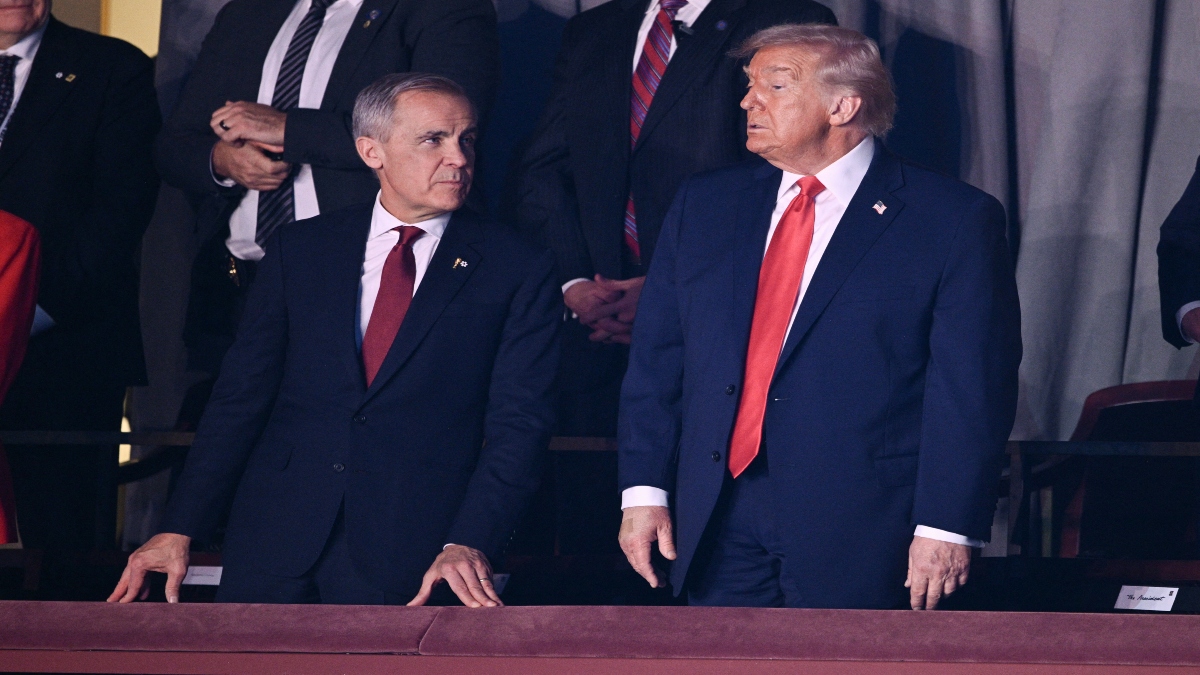 "'Governor Carney sorely mistaken': Trump threatens 100% tariff on Canada over its potential China trade deal")
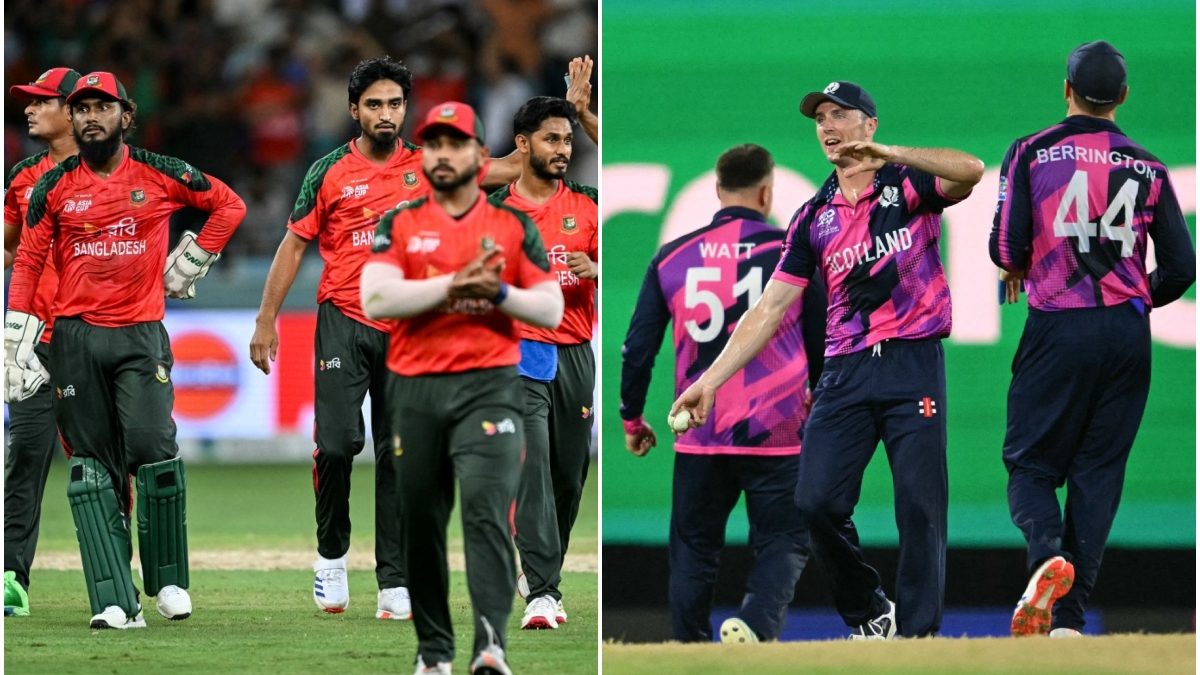 "Bangladesh out of 2026 T20 World Cup, announces ICC; Scotland named replacement team")
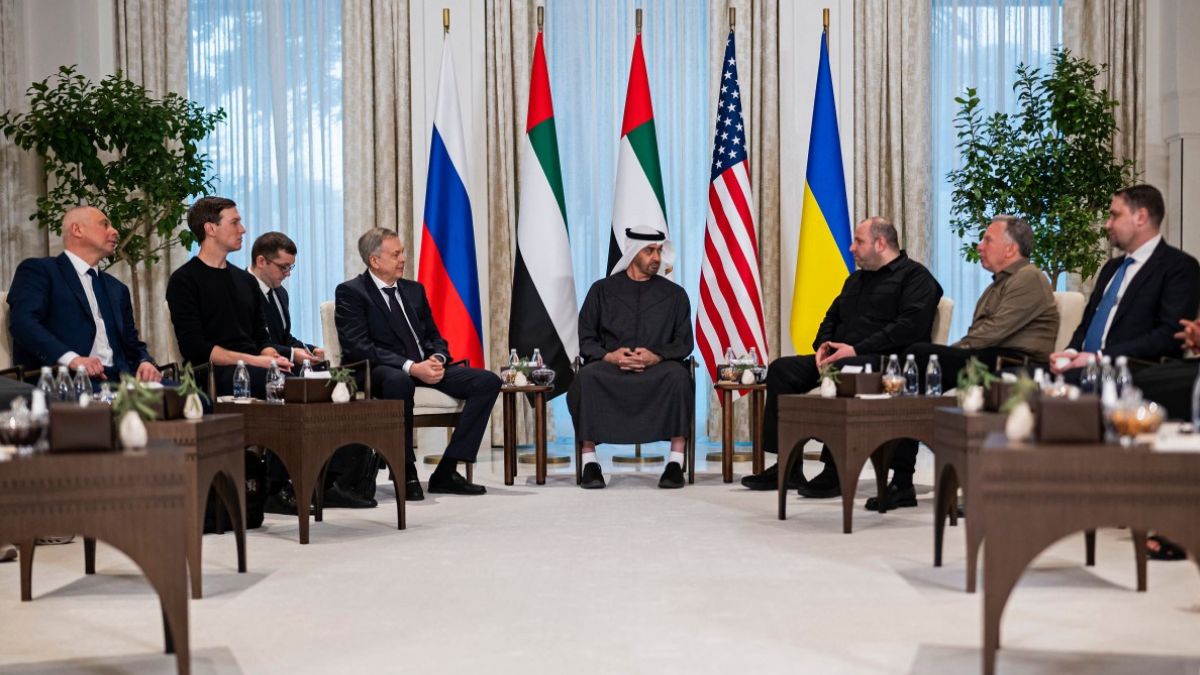 "Ukraine peace talks conclude in Abu Dhabi as Donbas issue remains unresolved")
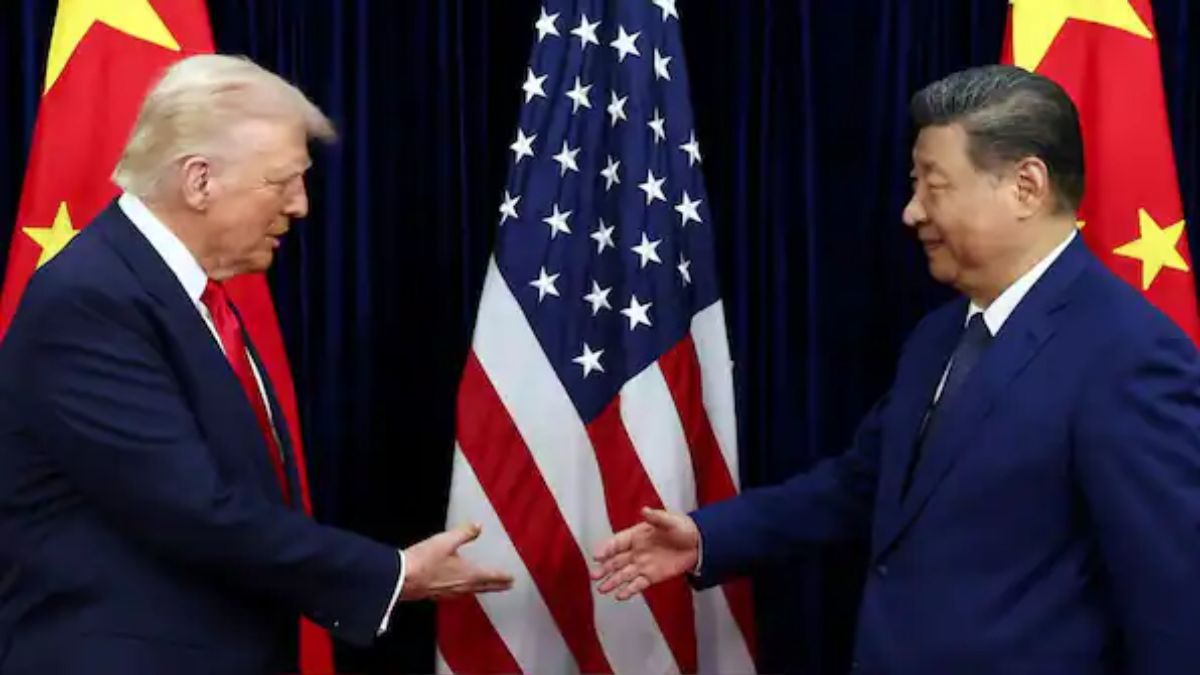 "Pentagon no longer views China as top threat, offers 'more limited' support to US allies")
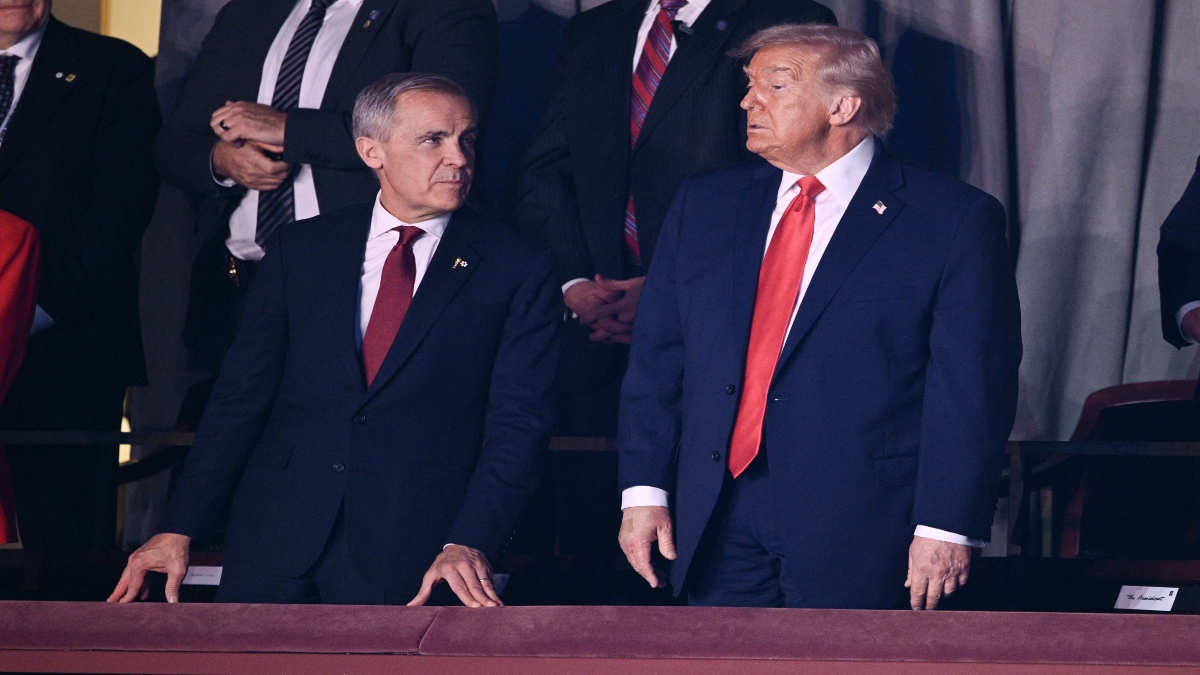 "'Governor Carney sorely mistaken': Trump threatens 100% tariff on Canada over its potential China trade deal")
 "Bangladesh out of 2026 T20 World Cup, announces ICC; Scotland named replacement team")
 "Ukraine peace talks conclude in Abu Dhabi as Donbas issue remains unresolved")