

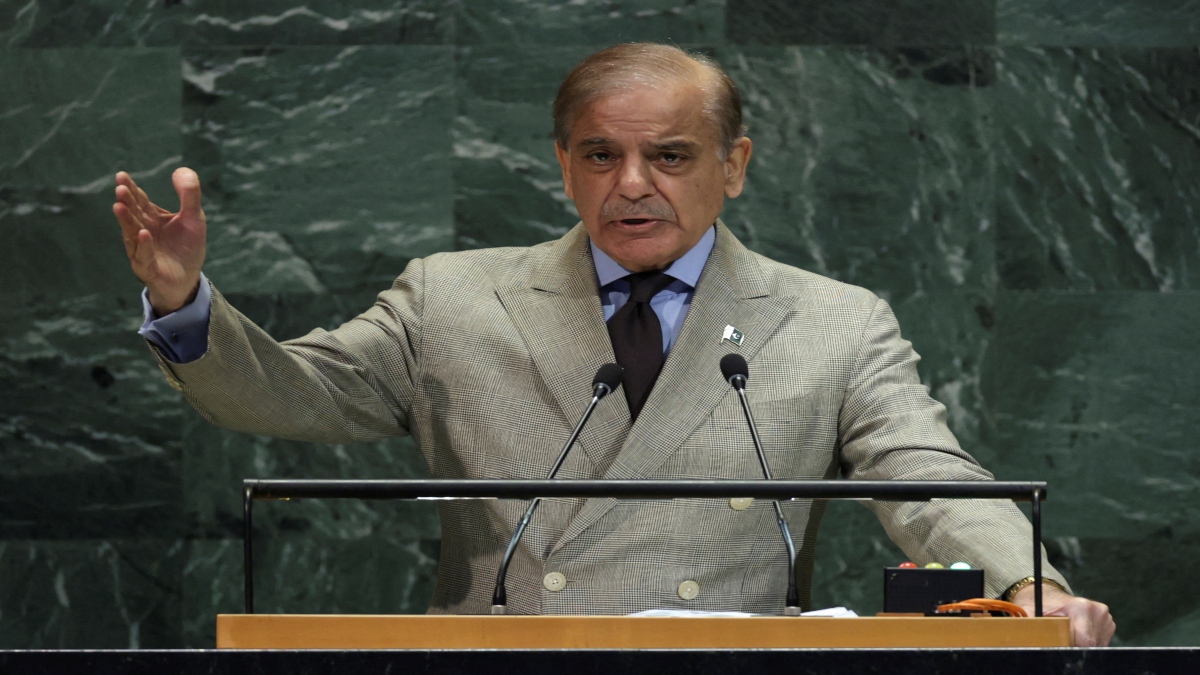
 "Why the UN should ban Pakistani and Bangladeshi peacekeepers")
The priest in Kinshasa, Democratic Republic of Congo, sipped his coffee as he explained the situation in his home region in the restive east of the country. Much was well known: Corruption was rife in the country. People looked to the church for honesty at a time when President Félix Tshisekedi’s stewardship seemed to be faltering. Rather than fulfil promises to reform, combat corruption, and end internal fighting, Tshisekedi—a former pizza delivery man during his years of exile in Belgium—seemed more intent on lining his own pockets and cynically provoking ethnic conflict than in fulfilling the promises that accompanied international recognition of his deeply flawed 2018 election victory.
What most concerned the church leader, however, was growing extremism as groups that arose due to local grievances or corruption affiliated with the Islamic State and al-Qaeda. Such extremist groups covet Africa for the same reason Chinese, Russian, French, and American companies do: Africa is extraordinarily wealthy in natural resources, everything from offshore fish stocks to oil, gas, gold, diamonds, and rare earths. Controlling Congo’s resources can fund any militant group, paying salaries and buying arms, propelling it onto the world stage. The extremists did not arise organically; rather, the church leader explained, Pakistani and Bangladeshi peacekeepers proselytised jihad and extremist exegesis.
In most cases, such promotion of da’wa (Islamic proselytisation) was an individual initiative. Extremists within the Pakistani and Bangladeshi peacekeeping contingents believed they were doing God’s work by radicalizing villagers whose knowledge and practice of Islam was informal or infused with local superstition. Such incidents were not entirely random, however. Peacekeeping is lucrative, and so in a military-dominated state like Pakistan, this has meant that only those who ingratiate themselves to Pakistan’s military rulers can be nominated or approved for such posts, thereby creating a dynamic in which only religious conservatives or those savvy enough to demonstrate devotion qualify.
The United Nations traditionally seeks to sweep its scandals under the rug. It will only acknowledge its role in spreading cholera in Haiti, engaging in child sexual abuse in the Central African Republic, or terrorist infiltration of its Palestinian operations when forced into a corner.
Perhaps internal recognition of the problem, coupled with a desire to make it go away, is why the United Nations Organization Stabilisation Mission in the Democratic Republic of the Congo (MONUSCO) last year quietly ended Pakistan’s troop contribution to the Democratic Republic of the Congo mission at Kinshasa’s request after more than 20 years.
Given Pakistan’s ongoing support for Islamist terrorism—the Delhi bomb plot appears hatched in Islamabad—the time has come for India, the United States, and the European Union to demand a cessation of United Nations contracting of any Pakistani peacekeepers in countries or regions where such proselytisation could destabilise long-term security. With security and the lives of innocents in some of the most vulnerable communities at stake, however, diplomats must dispense with nicety and recognise that Bangladeshi peacekeeping contingents will pose the same risks.
Muhammad Yunus may present a secular face, but his banning of the secular Awami League, coupled with his release from prison of militant, al-Qaeda affiliates and Islamist terror supporters, reflects a shift in Bangladeshi politics that will transform the military, much as Turkish President Recep Tayyip Erdoğan’s efforts to “raise a religious generation” ultimately led Turkey’s military to change from being a bastion of secularism to an engine of Islamism. By assigning Pakistani and Bangladeshi UN peacekeepers to countries like the Central African Republic, Bangladeshis to Mali, and Pakistanis to Sudan’s Abyei region, Undersecretary-General for Peace Operations Jean-Pierre Lacroix risks sparking insurgency and fuelling terrorism.
Pakistani and Bangladeshi officials and their Turkish supporters will cry Islamophobia if Lacroix and his boss, Secretary-General António Guterres, ban Pakistani and Bangladeshi peacekeepers from missions where they might encounter local Muslims, but the United Nations should dismiss this criticism. After all, Indonesia and Morocco are both among the top ten peacekeeper-contributing nations and overwhelmingly Muslim. Senegal, Egypt, and Tunisia also contribute hundreds of peacekeepers to various missions. Not every Muslim country supports or spreads radicalism. The problem is not Islam; it is Islamabad and Dhaka.
Terror supporters and Islamists might have destroyed democracy and security in both countries, but the United Nations is under no obligation to support their follies or reward their most favoured personnel. Unjustly, India is not a permanent member of the UN Security Council, but as the world’s most populous nation, its fourth-largest economy, and a victim of Islamist terrorism, India’s voice is one that Guterres ignores at his peril. It is time Indian officials use it more forcefully.
(Michael Rubin is a senior fellow at the American Enterprise Institute and director of policy analysis at the Middle East Forum. Views expressed in the above piece are personal and solely those of the writer. They do not necessarily reflect Firstpost’s views.)

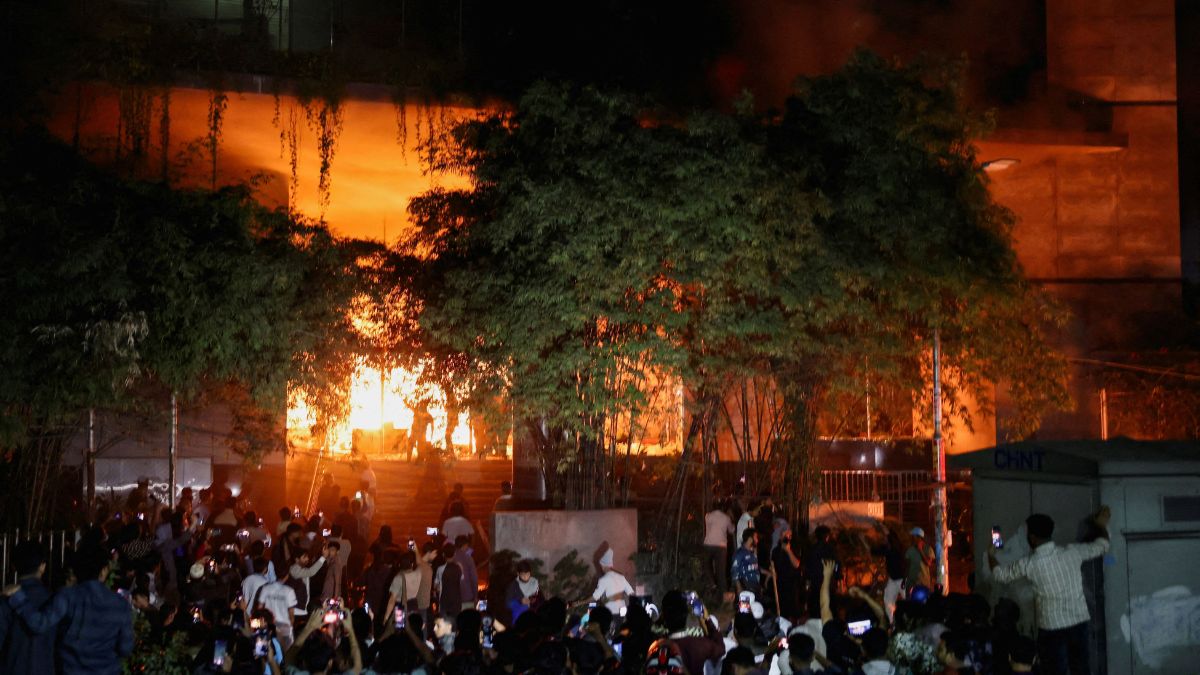 "Bangladesh Protests Live: Police, army on street as post-Hadi violence targets Indian missions, Awami offices")
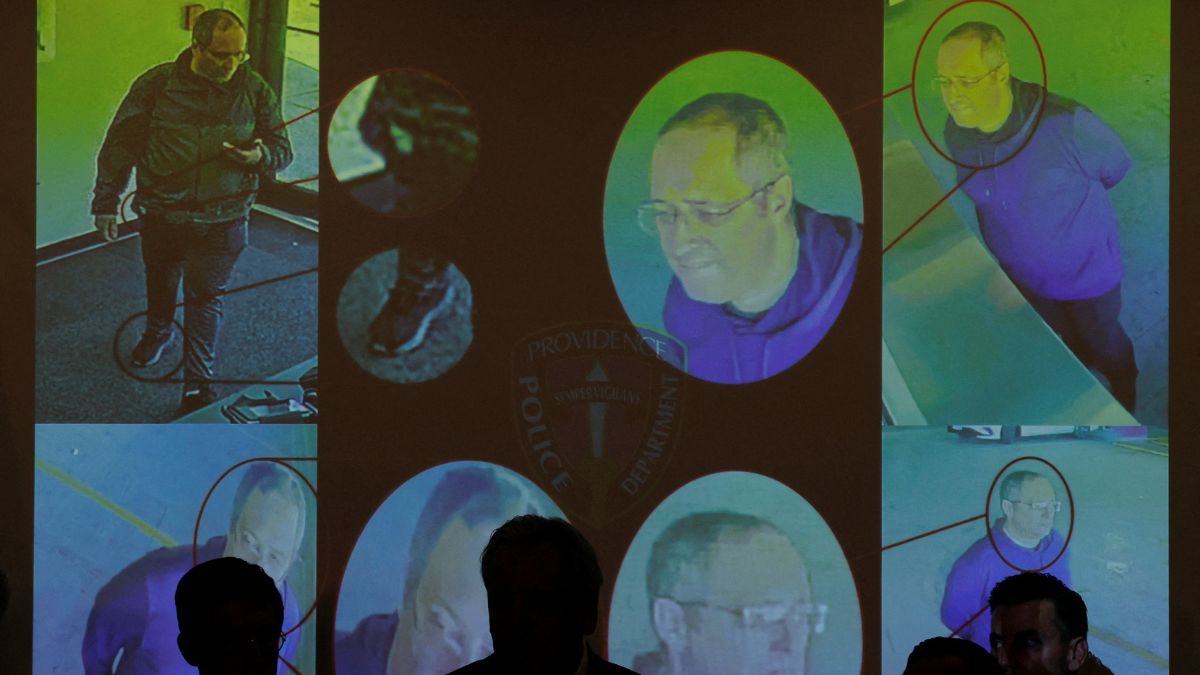 "Who was Claudio Valente, Brown University shooting suspect who also killed MIT professor?")
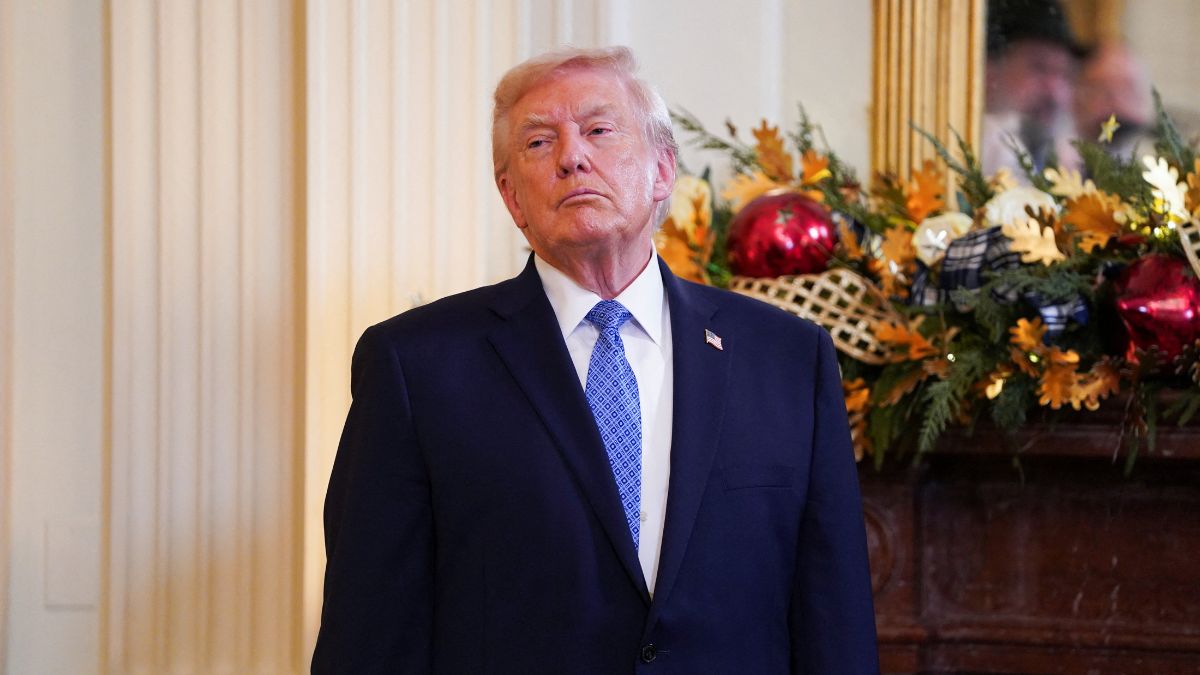 "Ukraine to US midterms: Will 2026 seal Trump's place in history?")
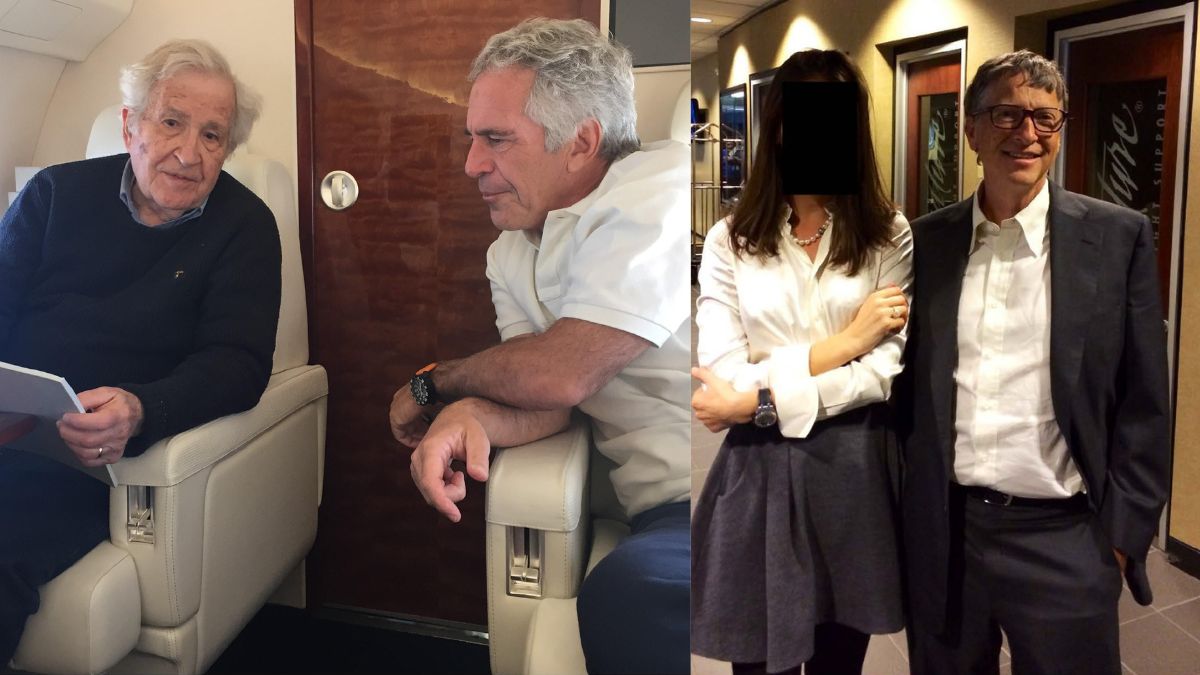 "Bill Gates, quotes from ‘Lolita’ on woman’s body: What newly released Epstein photos reveal")
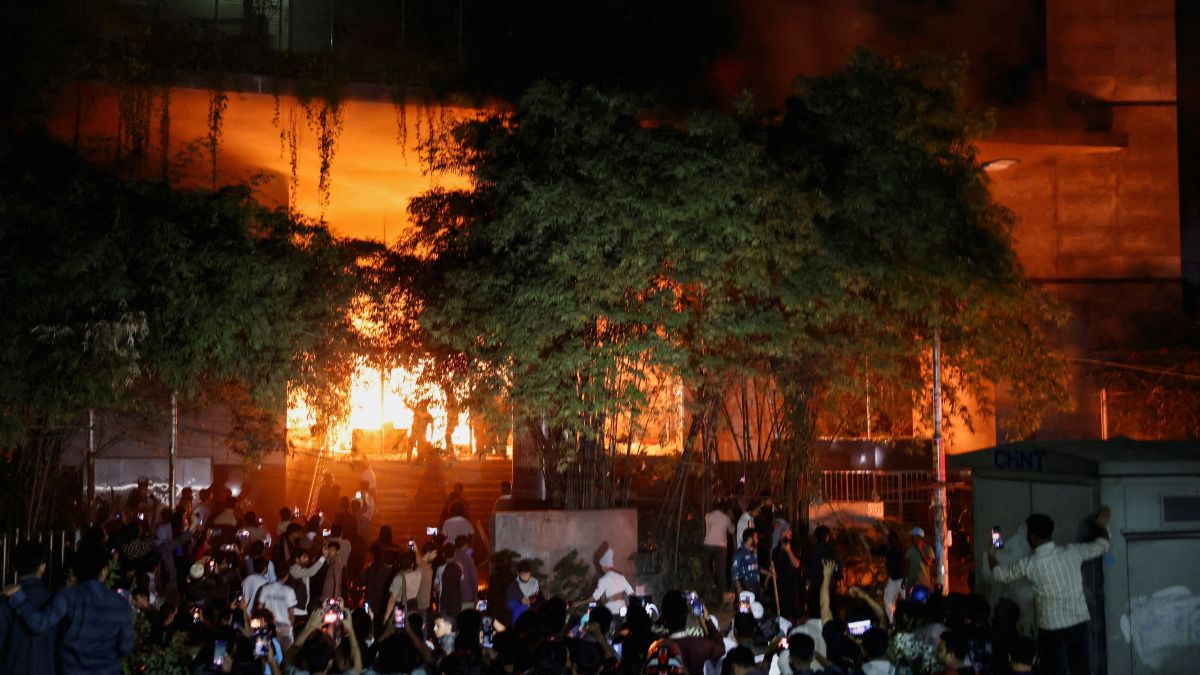 "Bangladesh Protests Live: Police, army on street as post-Hadi violence targets Indian missions, Awami offices")
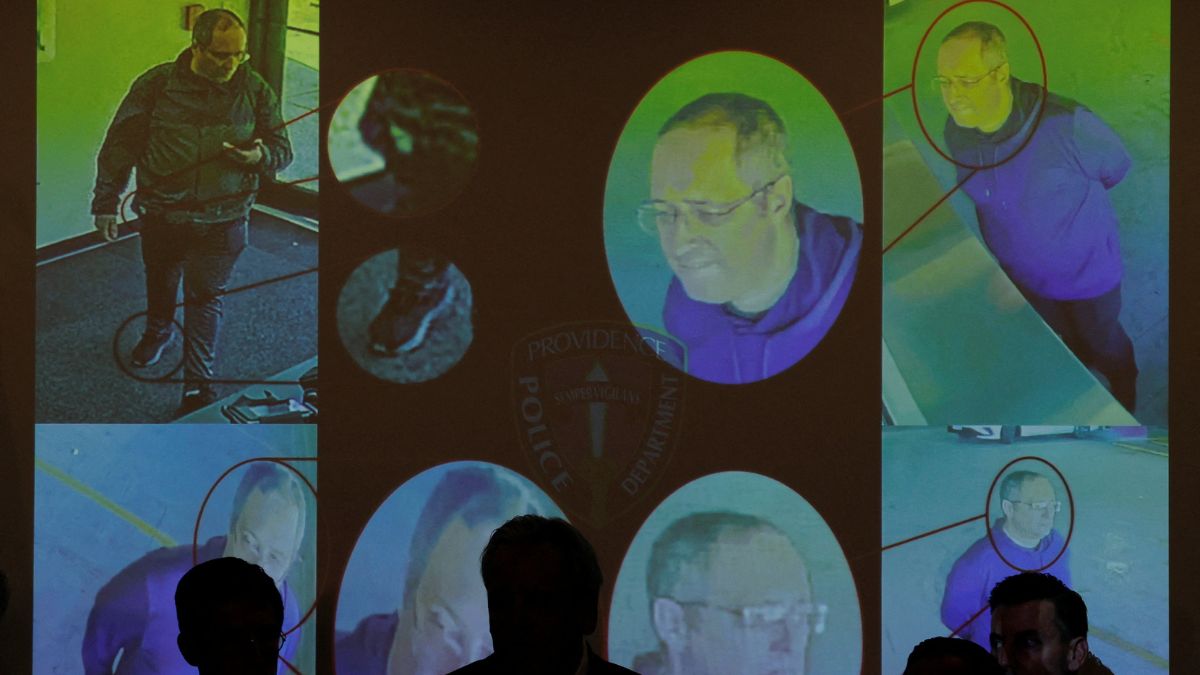 "Who was Claudio Valente, Brown University shooting suspect who also killed MIT professor?")
 "Ukraine to US midterms: Will 2026 seal Trump's place in history?")
 "Bill Gates, quotes from ‘Lolita’ on woman’s body: What newly released Epstein photos reveal")



