

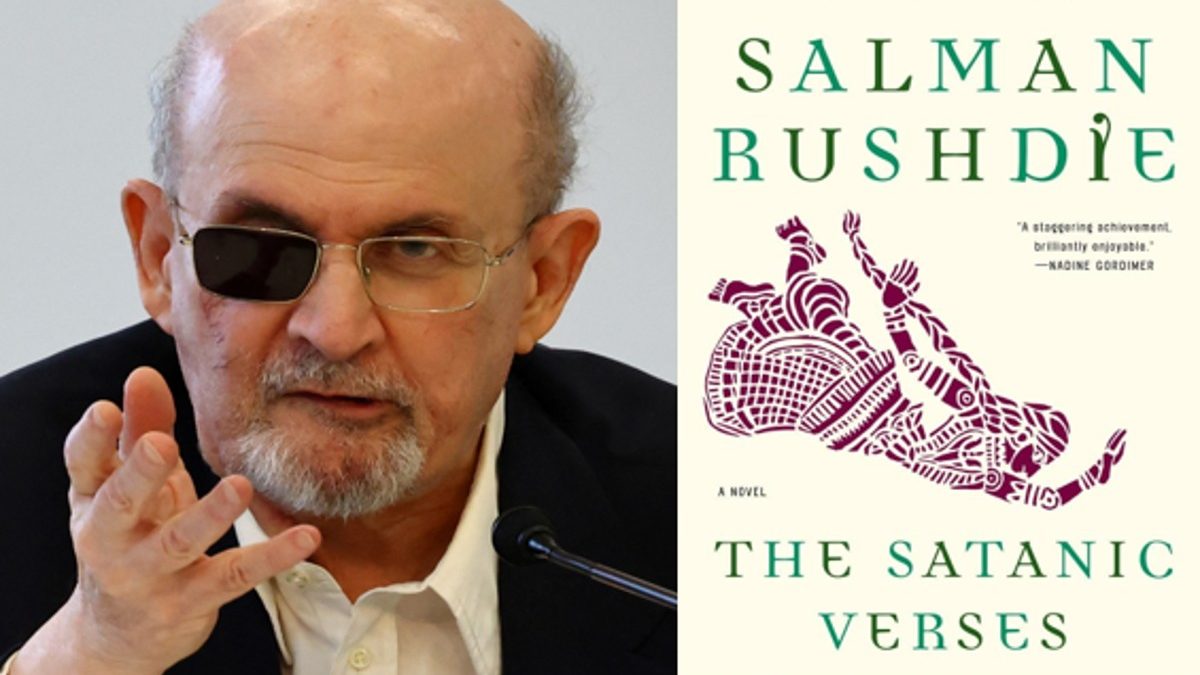
 "Why the ban on ‘The Satanic Verses’ should be lifted now")
Sir Salman Rushdie—now, presumably, plain Citizen Rushdie of the US of A—has tersely stated in his just released book, Knife: Meditations After an Attempted Murder that “India, the country of my birth and my deepest inspiration, on that day found no words.” That day was August 12, 2022, when the writer was stabbed multiple times by a fundamentalist 24-year-old Muslim-American assailant but miraculously survived—and has now told his tale in cutting prose.
Indeed, though External Affairs Minister S Jaishankar acknowledged the attack and the world’s reaction to it three days later, India’s official condemnation came only at the end of the month. But then Rushdie has never made it easy for anyone to support him without a degree of wariness. He has critiqued the Left, the Right, the Centre in every country that he has lived in or been connected with at some point or other. So, any position on him has to be a considered one.
He is undoubtedly the most prominent target of Islamic fundamentalism, for the Anglosphere or, more broadly the West. In India, however, that means a diminishing and increasingly fringe section of the old elite. Most Indians today have no idea what The Satanic Verses are; many may not even know it is a novel, or that its writer was in hiding for years because of a fatwa issued by the Ayatollah of Shia Iran to kill him. But a lot of Indians do know about fatwas.
Given Rushdie’s disappointment at the silence of a country whose current Prime Minister he has criticised more than the man who summarily banned The Satanic Verses in 1988 while holding the same post, India should lift that proscription now. In fact, India should have done so in the same month Rushdie was attacked. It would have been—rightly—seen as a definitive turning away from yet another egregious, and as-yet-unrescinded Congress-era appeasement move.
Impact Shorts
More ShortsAll it would require is permission from the Finance Ministry for The Satanic Verses to be imported again, a symbolic lifting of a ban-that-wasn’t. A reprint of the best-selling, Whitbread Prize-winning book would not even be necessary anymore as it can be downloaded from the internet. But a reversal of the ban would inform the Indians today who are hazy about the actions of Rajiv Gandhi’s 400-paar (404-seat) government when it came to minority appeasement.
Without even reading it, two prominent Indians—both Muslims from educated families—had spoken out against the book: former diplomat and parliamentarian Syed Shahabuddin and veteran Congressman Khurshid Alam Khan. And PM Rajiv Gandhi capitulated, falling back on the Union finance ministry to disallow the import of the book from the UK even as its publisher decided against an Indian edition. This, incidentally, happened four months before Iran’s fatwa!
Back in 1988, Sir Salman had scathing words for Rajiv Gandhi. In an open letter later published in The New York Times, he wrote, “The right to freedom of expression is at the foundation of any democratic society, and at present, all over the world, Indian democracy is becoming something of a laughing-stock.” The then PM ignored that jibe, the supposed worldwide derision and Rushdie’s demand to lift the ban. But Rajiv’s image has remained untainted by it.
That sleight of hand served everyone’s purpose for years, as it did not prevent anyone—including this columnist—from accessing the book and eagerly lapping up its allegedly blasphemous content. When the internet came, this book ban became even more of a dead letter, but Rushdie as its author was still prevented from attending the Jaipur Literary Festival in 2012—14 years after even the fatwa was seemingly watered down by Iran—though he did finally come to India.
This was a change from the time when for years after the ban, Rushdie was denied an Indian visa and ignored by Indian embassies. The launch of the Person of Indian Origin (PIO) card in 1999 gave him a different way to visit India but in his 2012 memoir Joseph Anton (his pseudonym while in hiding) he had written “the wounds inflicted by India were the deepest” as the pre-1999 visa rejection meant he could not “visit the country of his birth and deepest inspiration.”
The literary déjà vu in Knife about the land of his “deepest inspiration” is ironic because it is Rushdie who has stayed away since the government changed in 2014. When he was last in India, from December 2012 to January 2013 during UPA-2, he was not allowed in Kolkata by the West Bengal government—a travel ban also meted out to the Bangladeshi-origin writer Taslima Nasreen, who shares with him the distinction of having a book banned as well as death fatwas.
Though Rushdie returned to India ‘literarily’ in February 2023 with Victory City based on the Vijayanagar Empire, he did not pencil in a familiarisation trip to Hampi or thereabouts even while hinting about the setting of the book in its early stages in 2021. His engagement with official India post 2014 appears to have been restricted to participating in open letter chains on ‘concerns’ about various acts of the current government, whose intentions he seems to deeply mistrust.
Fundamentalist and other fatwas by the fringe have never been as irrelevant and likely to be ignored in India by the government and the public at large as now. Rushdie has been outspoken about the inexorable worldwide Islamic extremist project, maintaining that its agenda is power not justice—a cautionary distinction that the youthful, non-domiciled supporters of Hamas elsewhere may not thank him for these days. But he would find a receptive audience in India.
Rushdie would not like to remember the time in the 1990s when he seemingly apologised to Iran’s religious supremo, even reaffirmed his faith in Islam, in order to lower tensions and try to have the fatwa recalled. It did not work, and he rounded on the Islamic fundamentalists again soon after, maintaining that stance till date. The Indians Rushdie looks askance at today would actually understand where he is coming from—if he tries to understand them too, in turn.
Just as it is time that the infructuous ban on The Satanic Verses is lifted, it is also time Sir Salman—or Citizen Salman—makes a trip to India again and suss out its changes. Rushdie was granted an Indian visa for the first time since the book ban and fatwa in 1999 during the BJP-led NDA government of AB Vajpayee, which also made it possible for him to always come to India by issuing him a PIO card. It does not make sense for Rushdie to stay away from India anymore.
Views expressed in the above piece are personal and solely those of the author. They do not necessarily reflect Firstpost’s views.

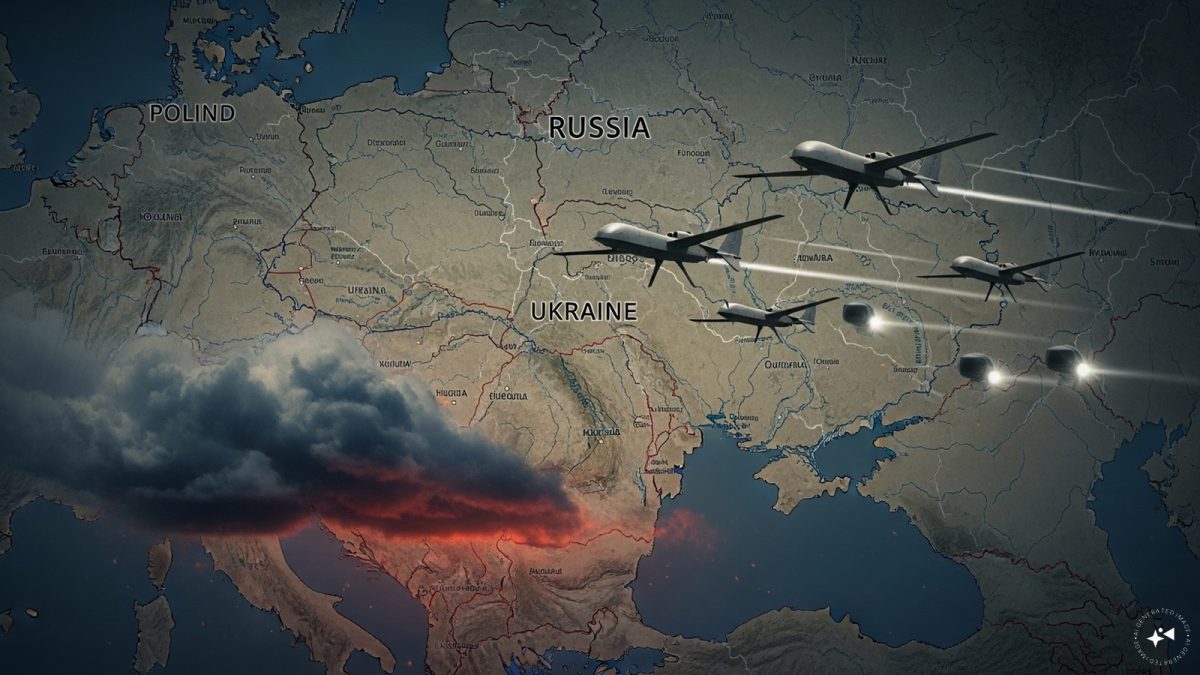 "Russian drones over Poland: Trump’s tepid reaction a wake-up call for Nato?")
 "As Russia pushes east, Ukraine faces mounting pressure to defend its heartland")
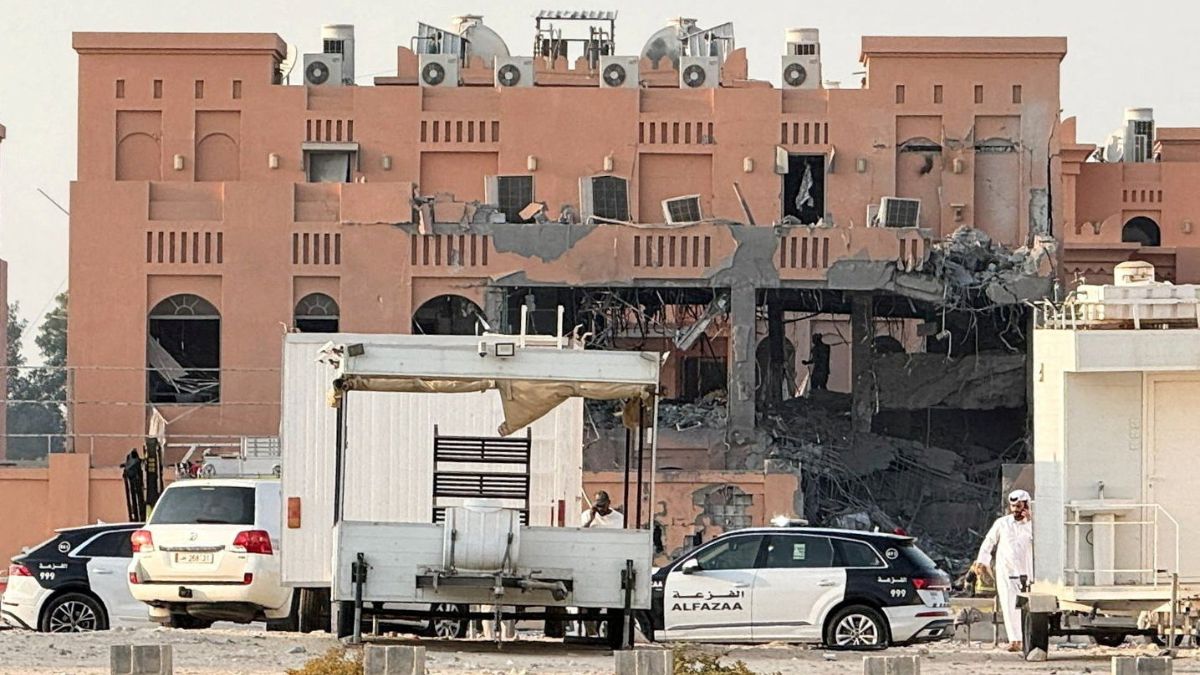 "Why Mossad was not on board with Israel’s strike on Hamas in Qatar")
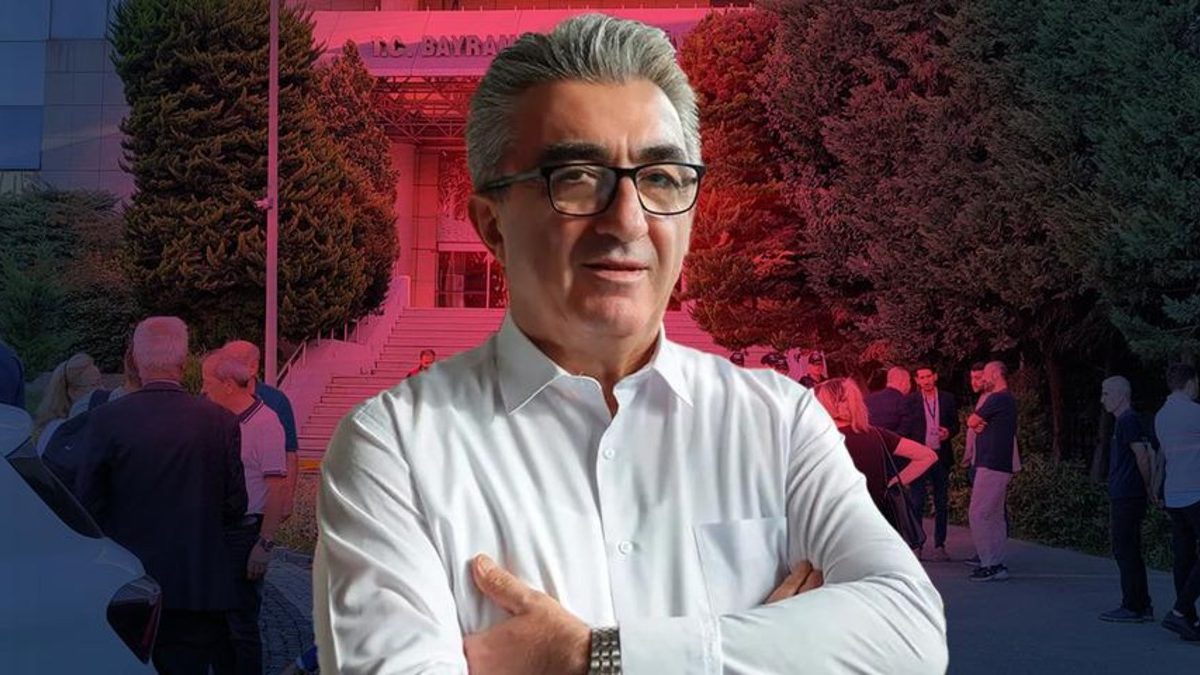 "Turkey: Erdogan's police arrest opposition mayor Hasan Mutlu, dozens officials in corruption probe")
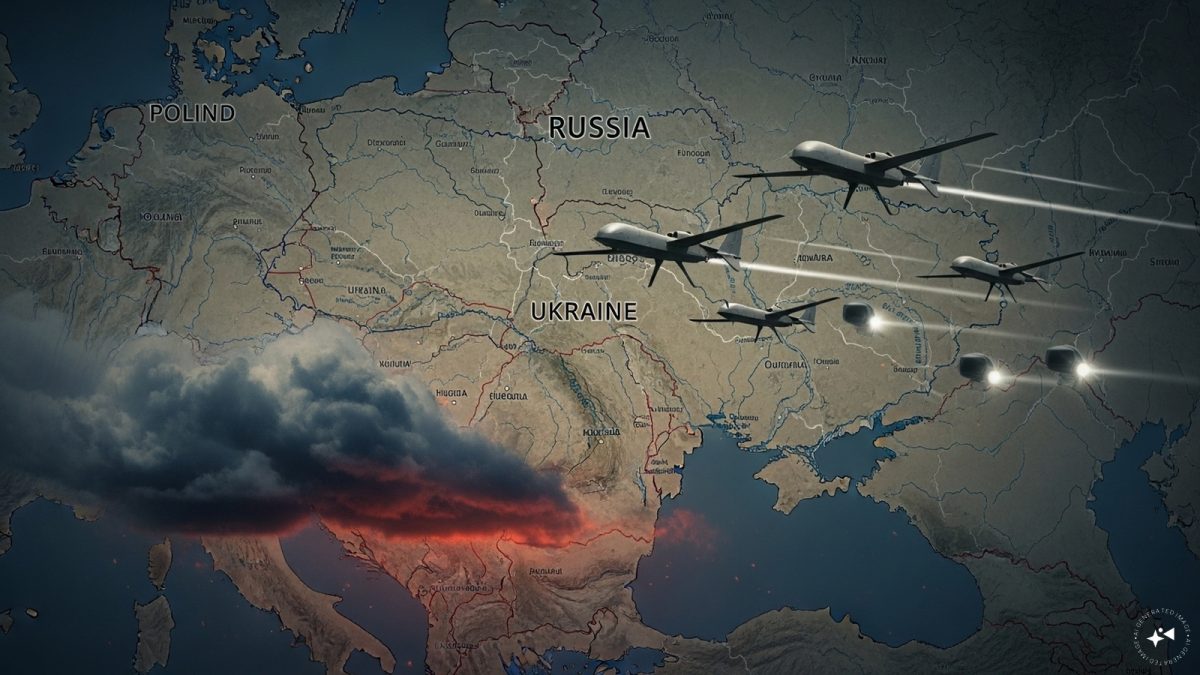 "Russian drones over Poland: Trump’s tepid reaction a wake-up call for Nato?")
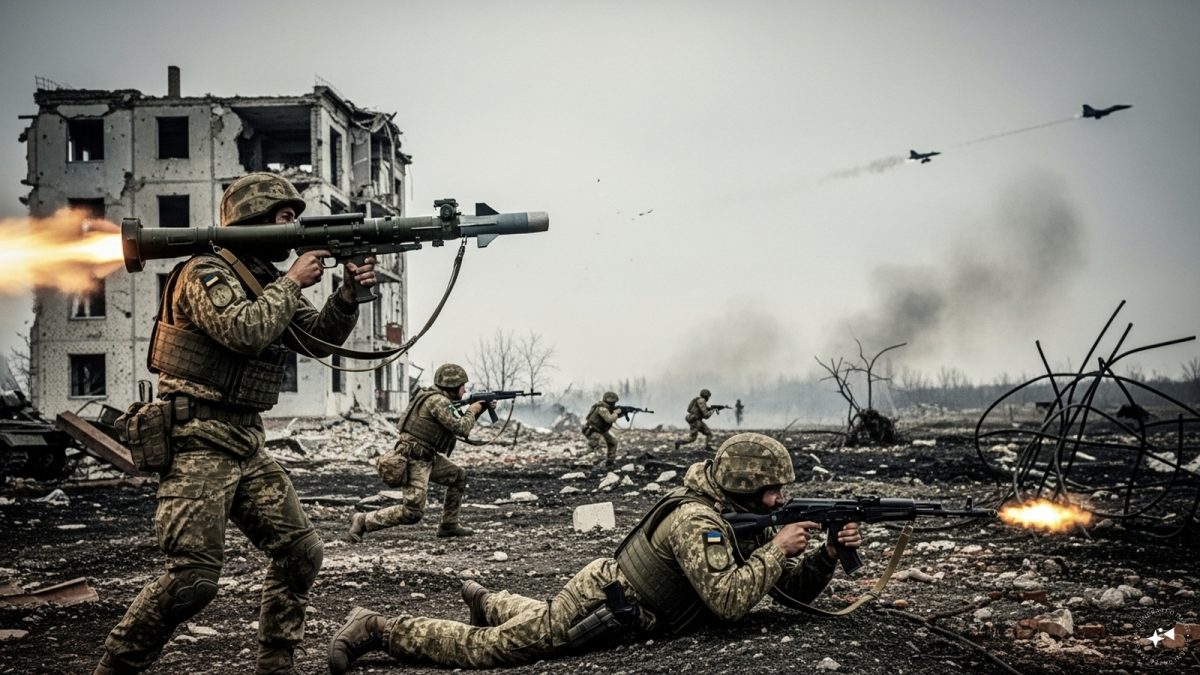 "As Russia pushes east, Ukraine faces mounting pressure to defend its heartland")
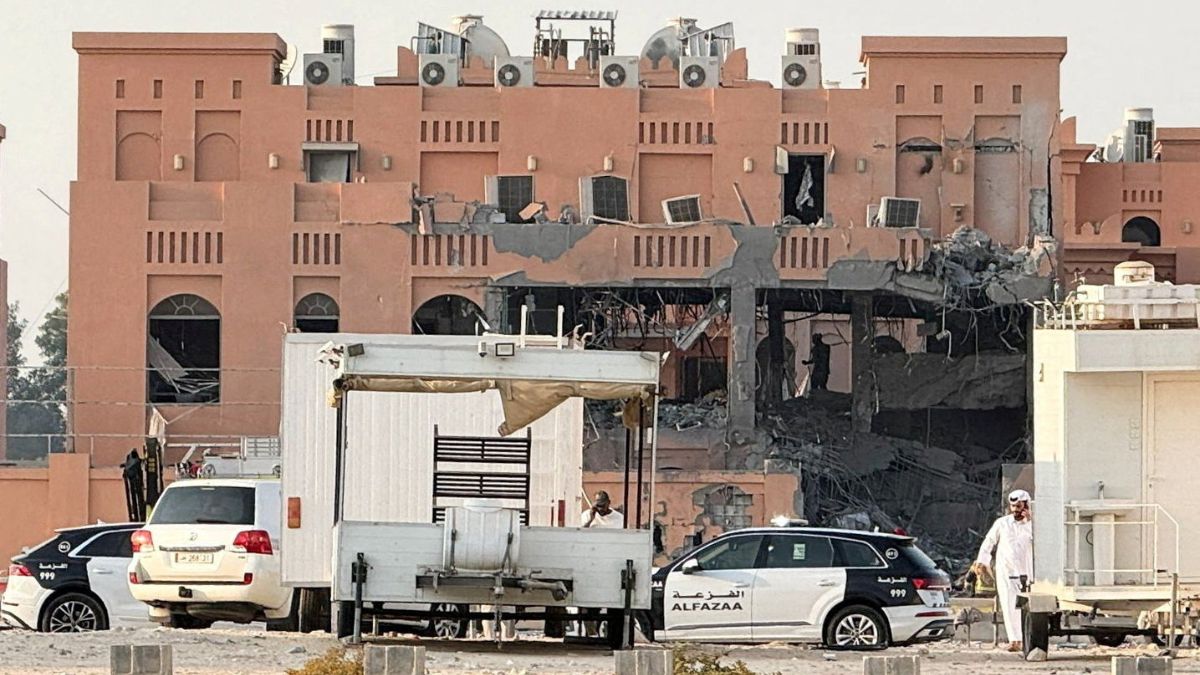 "Why Mossad was not on board with Israel’s strike on Hamas in Qatar")
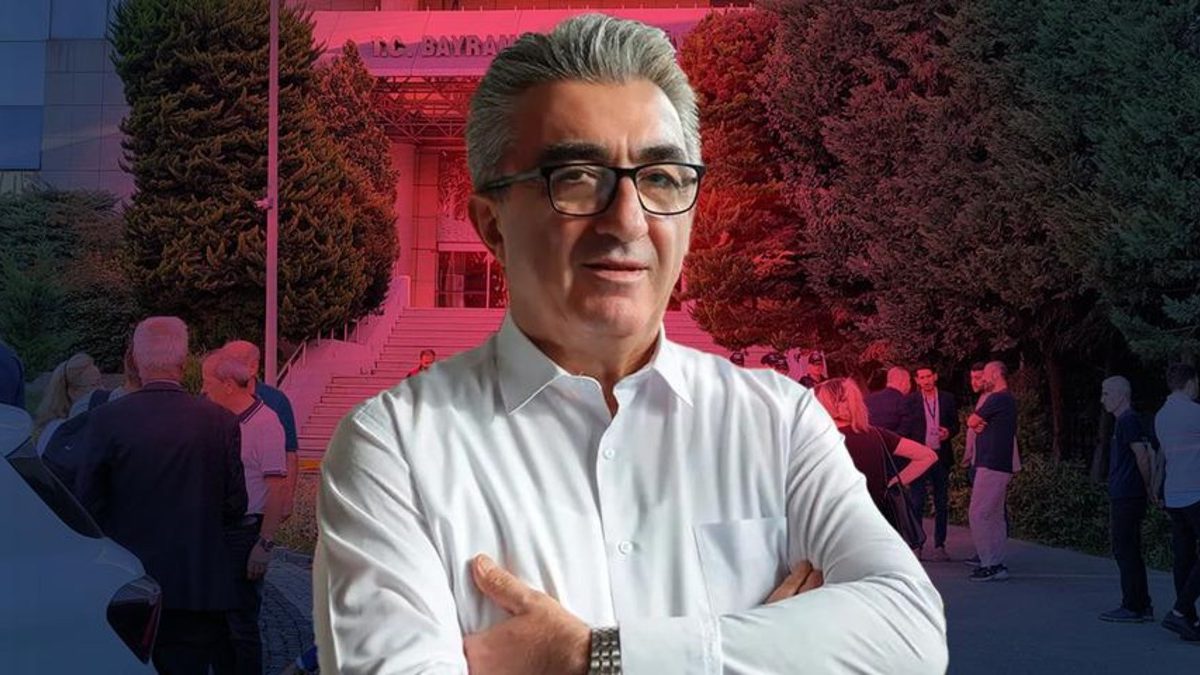 "Turkey: Erdogan's police arrest opposition mayor Hasan Mutlu, dozens officials in corruption probe")



