

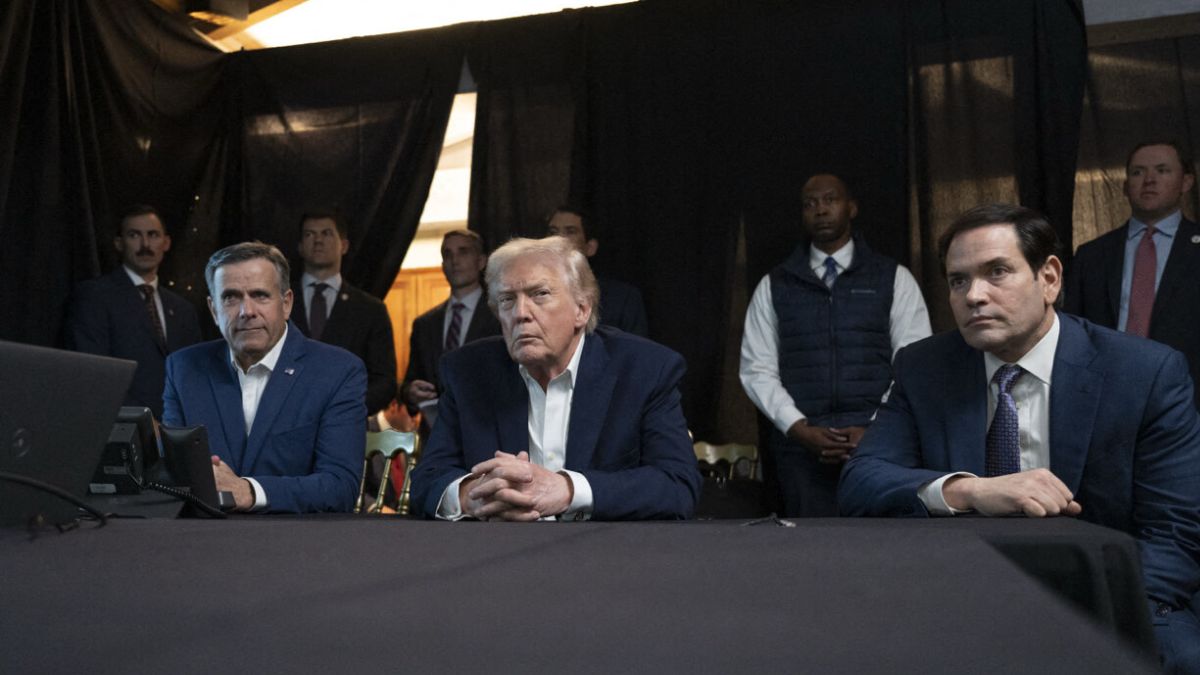
 "US attack on Venezuela and capture of Maduro: America’s way is the highway")
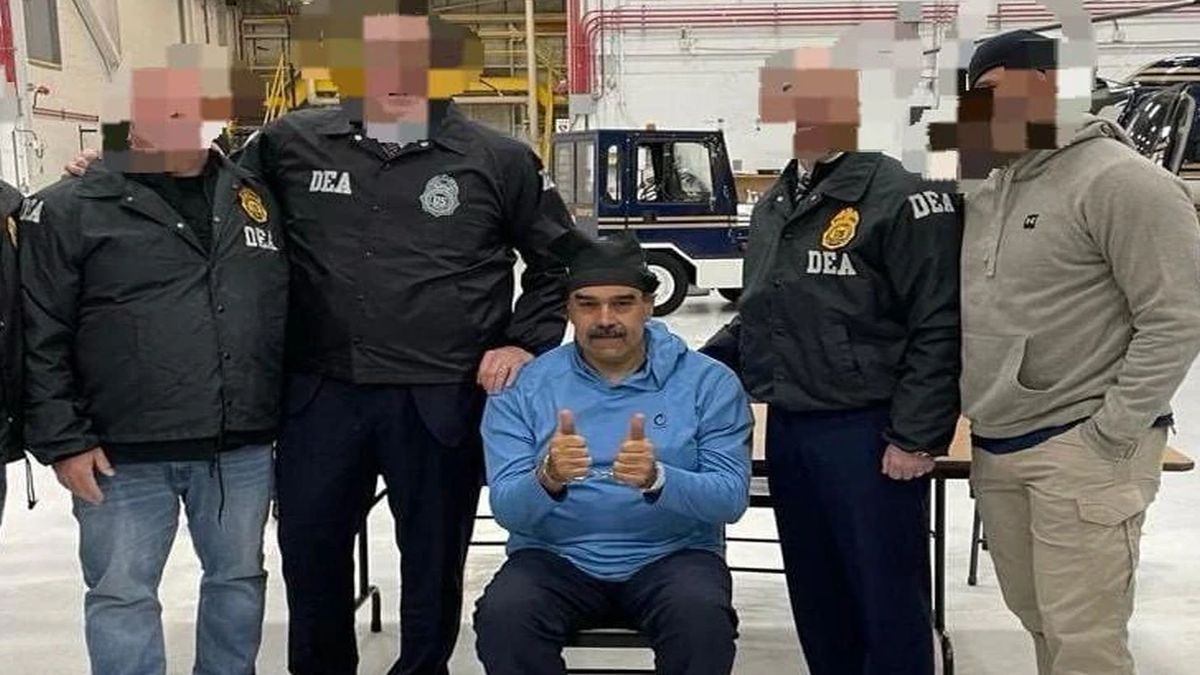
Pax Americana arrives with the capture of Nicolás Maduro. It is a very public burial of restraint, as America says, ‘My way is the highway.’
With one operation—swift, precise and unapologetically unilateral—Trump has announced that sovereignty now survives only at the pleasure of superior force. No leader, no oilfield, and no lithium reserve are henceforth beyond the imperious reach of the Stars-and-Stripes Eagle. The age of rules has yielded to the age of reach.
The operation itself was a display of calibrated violence. Coordinated explosions paralysed command nodes. Low-flying helicopters roared across Caracas, hugging rooftops. VSTOL aircraft hovered with theatrical menace. The scale was massive, yet the execution was pinpoint accurate. Civilian infrastructure remained largely intact; Venezuela’s frontline military capabilities did not. This is impossible to achieve without an inside job. CIA scored. Shock was achieved tactically. The strategic messaging was unmistakable: the Venezuelan state, such as it was, had been neutralised in minutes.
For Trump, this was a Maga victory in its purest form. The strike signalled, with brutal clarity, that the international community is irrelevant, that the United Nations is way past its expiry date, and that legitimacy flows not from multilateral consensus but, ironically, to quote Mao, “from the barrel of the gun”.
America First is no longer a slogan; it is now a doctrine enforced by stealth rotor blades, night-vision goggles and standoff weaponry and the fifth column inside with the odd Nobel Prize as bait.
Quick Reads
View AllThis was not just about Venezuela. It was a notice to Beijing. For years China had been the principal external client of Venezuelan oil, at times importing close to 700,000 barrels a day, often on concessionary terms that doubled as geopolitical leverage. That arrangement is shattered. The Western Hemisphere, Washington has declared, is not a shared commons. This is the Monroe Doctrine on steroids. America will not tolerate a rival power in its backyard.
The demonstration of American power was loud, choreographed and unmistakably a revolution in military affairs. Precision munitions, real-time intelligence fusion and overwhelming air mobility were combined to devastating effect. Venezuela’s air defences were neutralised. Its command structure collapsed. Its president was extracted alive. A new year welcomes regime decapitation.
Yet the aerial spectacle was only half the story. To topple Maduro, Trump paired skyward stings with subterranean intrigue. For years, US intelligence agencies had cultivated discontent within Venezuela. Covert operators whispered assurances to disgruntled generals, promising survival, relevance and perhaps amnesty in a post-Maduro order. The aim was not conquest but succession: to midwife a military putsch rather than administer an occupation.
This approach reflects Trump’s instinctive aversion to entanglement. Venezuela was meant to be an asset-light intervention: no prolonged ground presence, no nation-building, no trillion-dollar reconstruction bill. The bet was that the regime would collapse faster than the state, allowing Washington to exit while retaining influence. Whether this gamble succeeds will depend not on the brilliance of the raid, but on the resilience of what follows.
History offers a cautionary parallel. Iraq, too, was ruled by a dictator presiding over a fractured society. There, too, was achieved a brilliant initial US victory. And there too, oil hovered as both prize and justification. The aftermath, however, proved catastrophic. Institutions collapsed. Militias flourished as the Islamic state gained. External powers filled the vacuum. The lesson was not that toppling tyrants is impossible, but that doing so without a viable successor invites chaos.
Yet, Venezuela differs in important respects. Its proximity to the US concentrates attention and urgency. Instability potentially spills northward, not across oceans but across borders. Domestic support within America is firmer than it ever was for Iraq, especially since no large ground invasion accompanied the strike. The absence of boots on the ground limits exposure, but it does not eliminate what Clausewitz termed “everything is difficult in war”.
More consequential than the military outcome is the legal precedent. Maduro’s capture by US special forces signals the effective death of international law. The principles enshrined in the UN Charter—sovereign equality, non-intervention, and territorial integrity—are junked.
Blowback is inevitable. It always is. It may not arrive immediately, nor in predictable form. It may surface as proxy conflict or diplomatic obstruction. It may emerge years later as a violent implosion. The ledger of force rarely balances neatly.
What, then, was the prize? Venezuela’s black-gold oil bounty looms large. Possessing the world’s largest proven oil reserves, the country represents a strategic windfall. Control keeps IS oil extraction profitable and bolsters US leverage over global markets as it deprives rivals of supply. The fact is that US sanctions and control on Iran, Venezuela and Russia are the only reason oil is priced over $20 per barrel. Trump covets the oil, yet history warns of the spills.
Oil is a treacherous reward. Toppling tyrants opens Pandora’s box. Refugee flows swell as uncertainty spreads. Unpredictable forces fill power vacuums. When you don’t have bots on the ground, others come marching in.
Even a friendly successor regime inherits a poisoned chalice: hollowed institutions, politicised armed forces, and a traumatised population. The oil may flow, but the spill—political, social, human—will spread far beyond the wells.
The operation’s success has emboldened those in Washington who argue that decisive force restores credibility. Perhaps it does, briefly. But credibility built solely on coercion erodes quickly. Allies grow uneasy. Adversaries adapt. Middle powers reassess their vulnerabilities. The world does not become safer or predictable; it becomes more suspicious, better armed and hair-triggered.
For India, watching this drama unfold, the lesson is stark. In a world where international law has been stripped of enforcement, autonomy must be defended. Geography alone is no shield. Norms are no protection. India needs to immediately modernise its already credible nuclear deterrence.
America’s capture of Maduro will be remembered as a moment of supreme confidence. Empires often peak in displays of effortless dominance. Yet history suggests that such moments carry hidden costs. The raid was flawless. The message was clear. The consequences, however, will unfold slowly—and they will not be choreographed from the sky.
(The writer is a senior journalist with expertise in defence. Views expressed are personal and do not necessarily reflect those of Firstpost.)

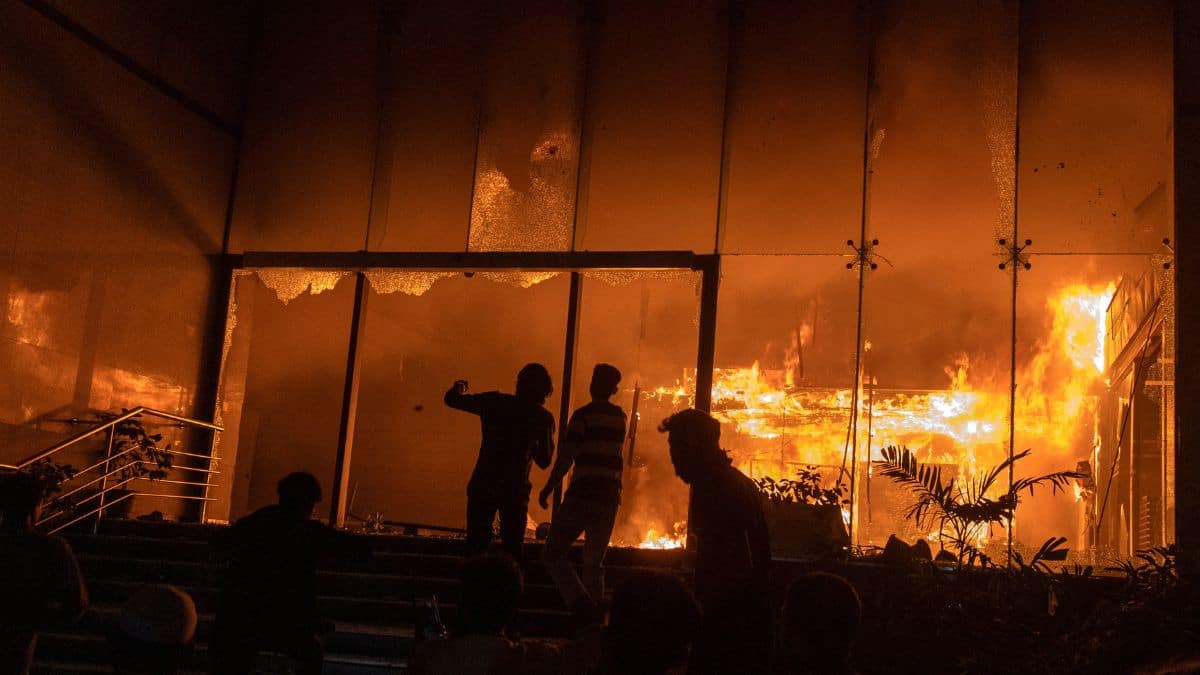
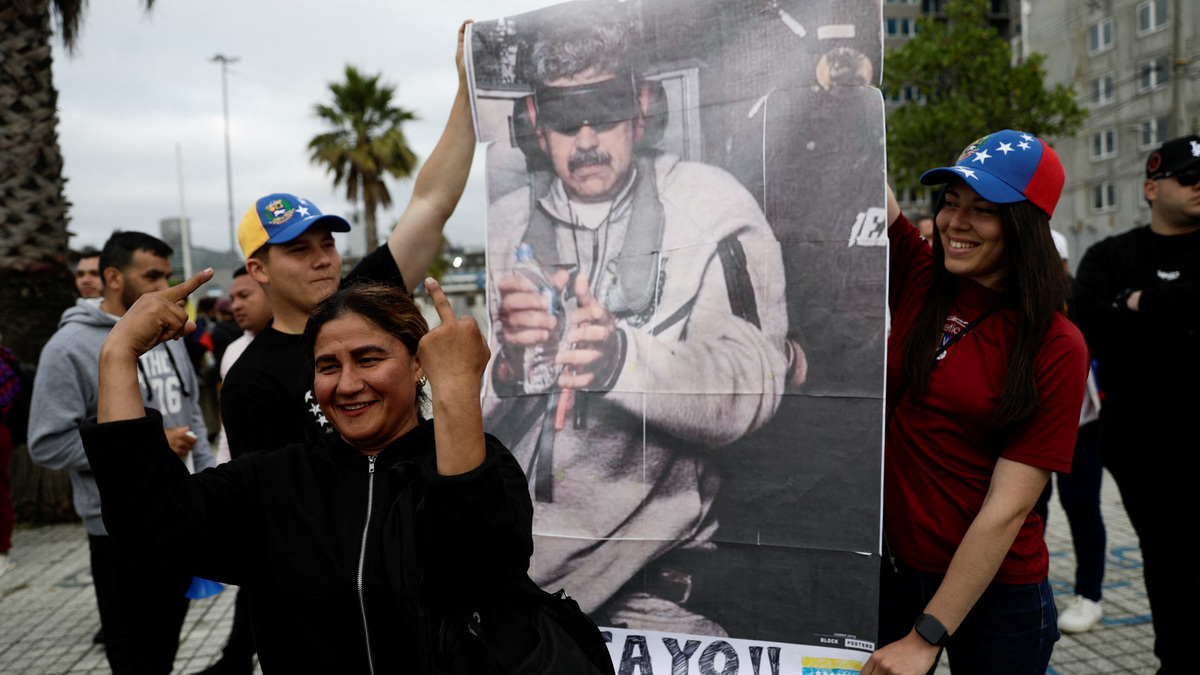 "Venezuela-US tensions LIVE: Allies angry, Europe cautious as Maduro's capture splits world into two")
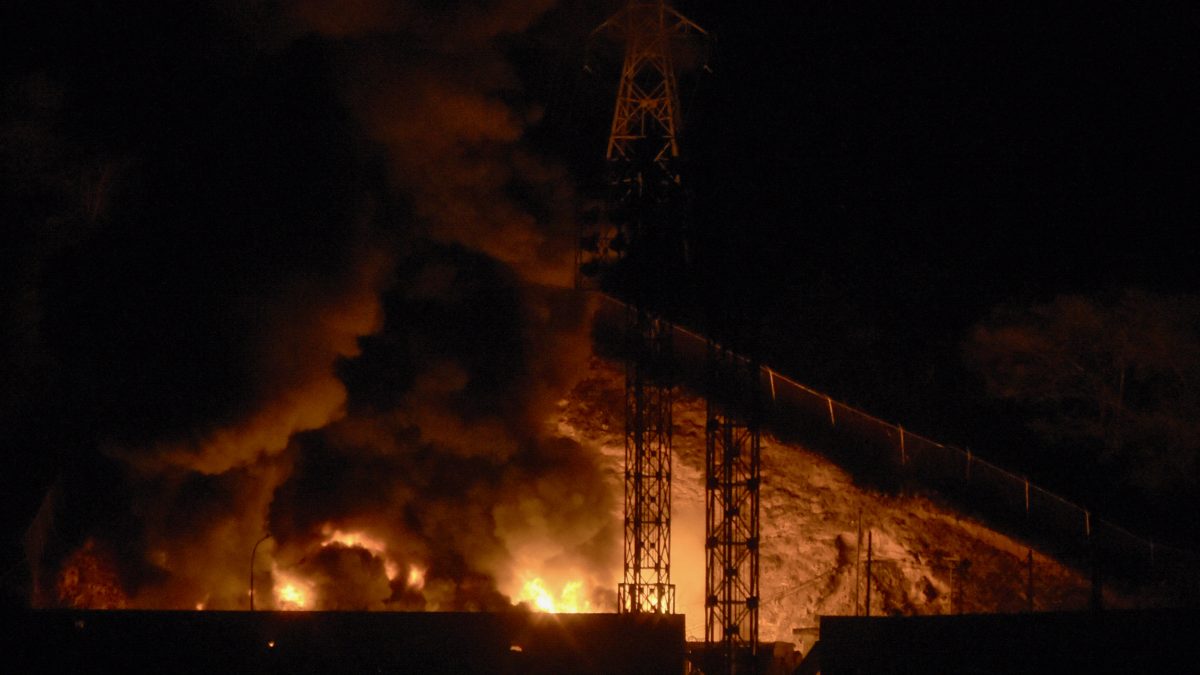 "US strikes in Venezuela kill at least 40, wreak havoc in residential areas: Report")
 "Has Trump violated international law by capturing Maduro and attacking Venezuela?")
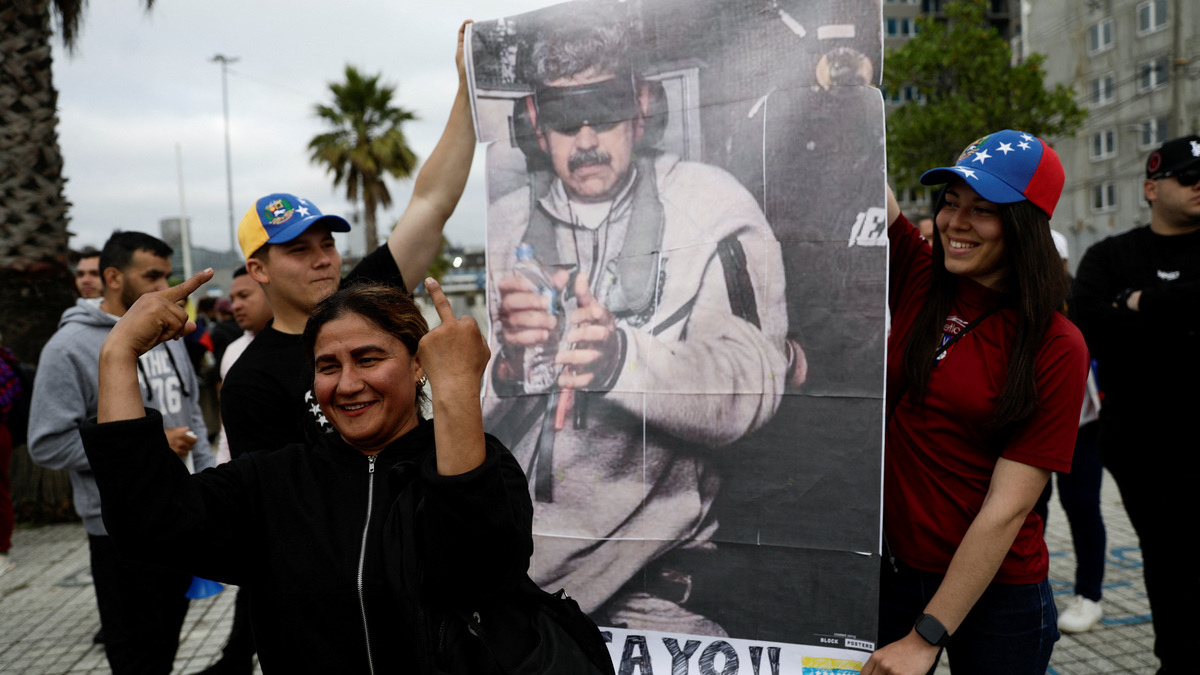 "Venezuela-US tensions LIVE: Allies angry, Europe cautious as Maduro's capture splits world into two")
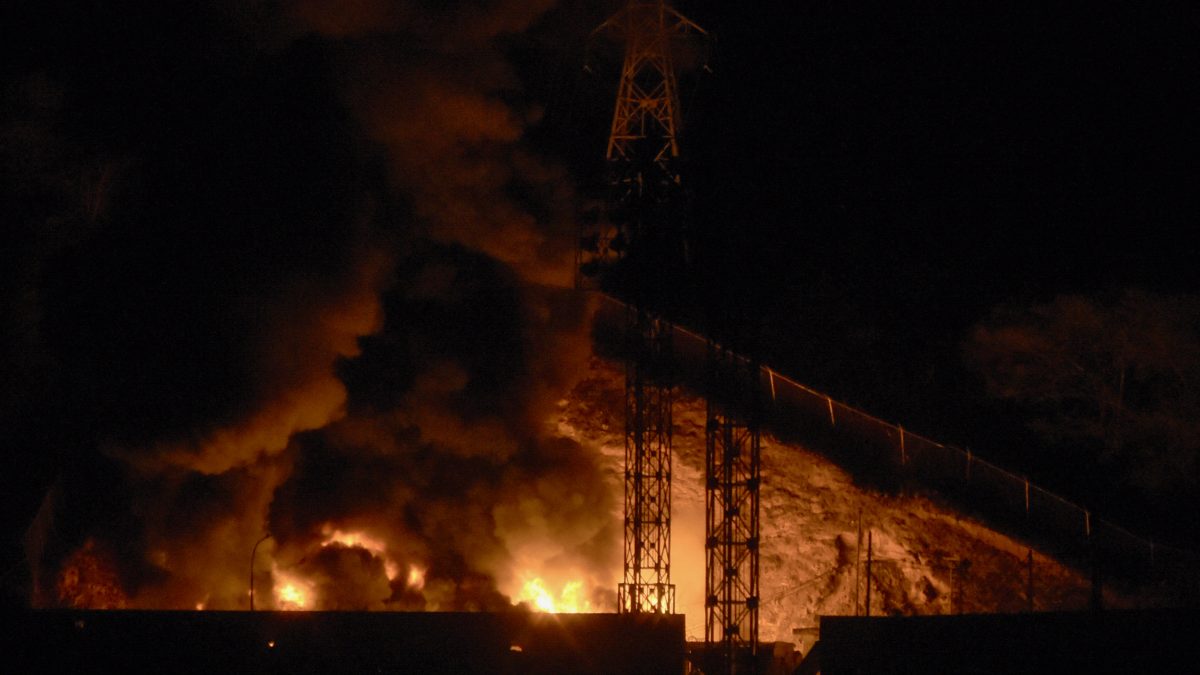 "US strikes in Venezuela kill at least 40, wreak havoc in residential areas: Report")
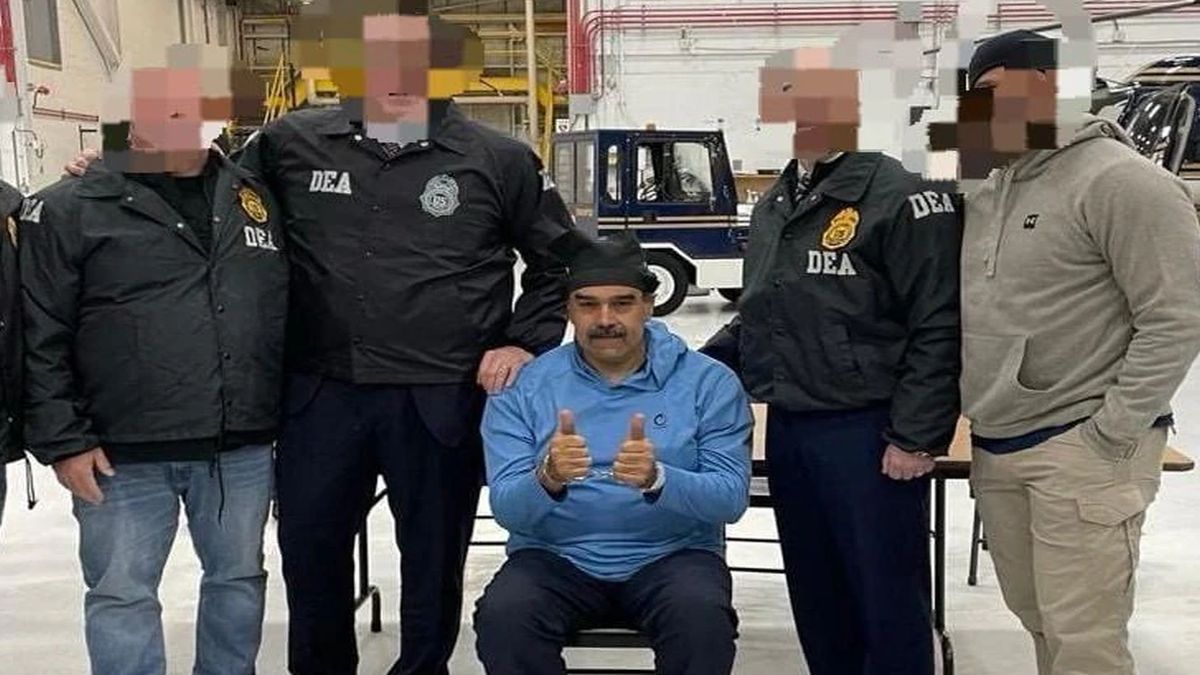 "Has Trump violated international law by capturing Maduro and attacking Venezuela?")



