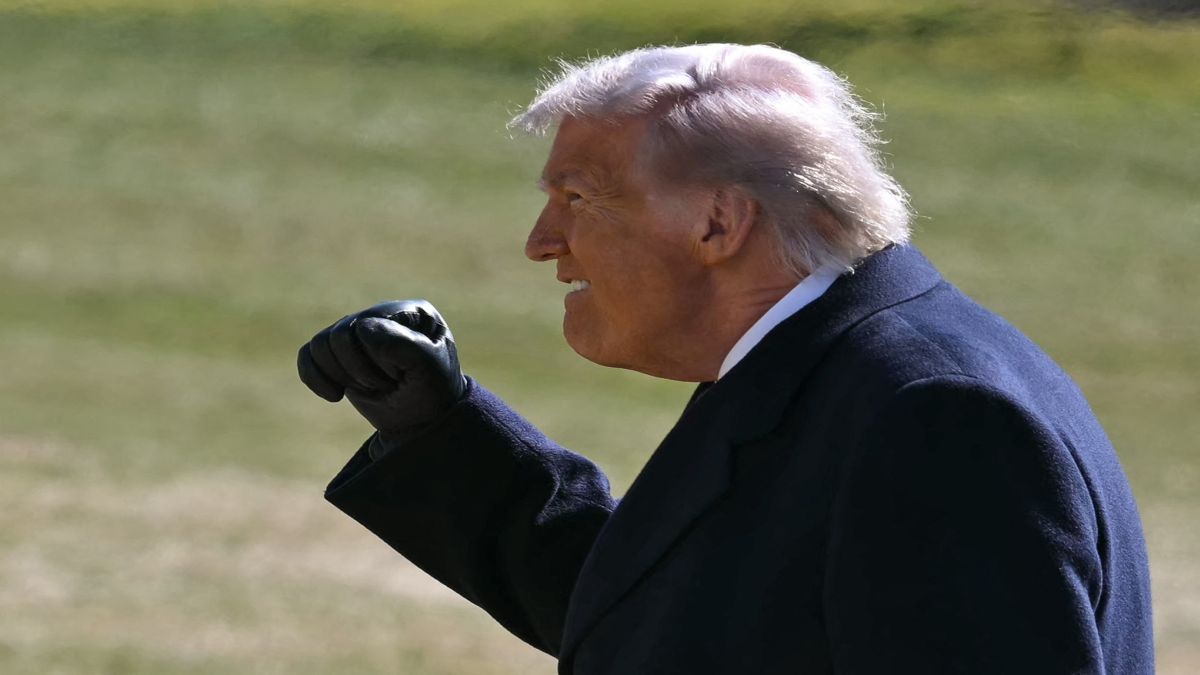
 "Iran, America and politics of pre-emption: When imminence is enough to launch a war")
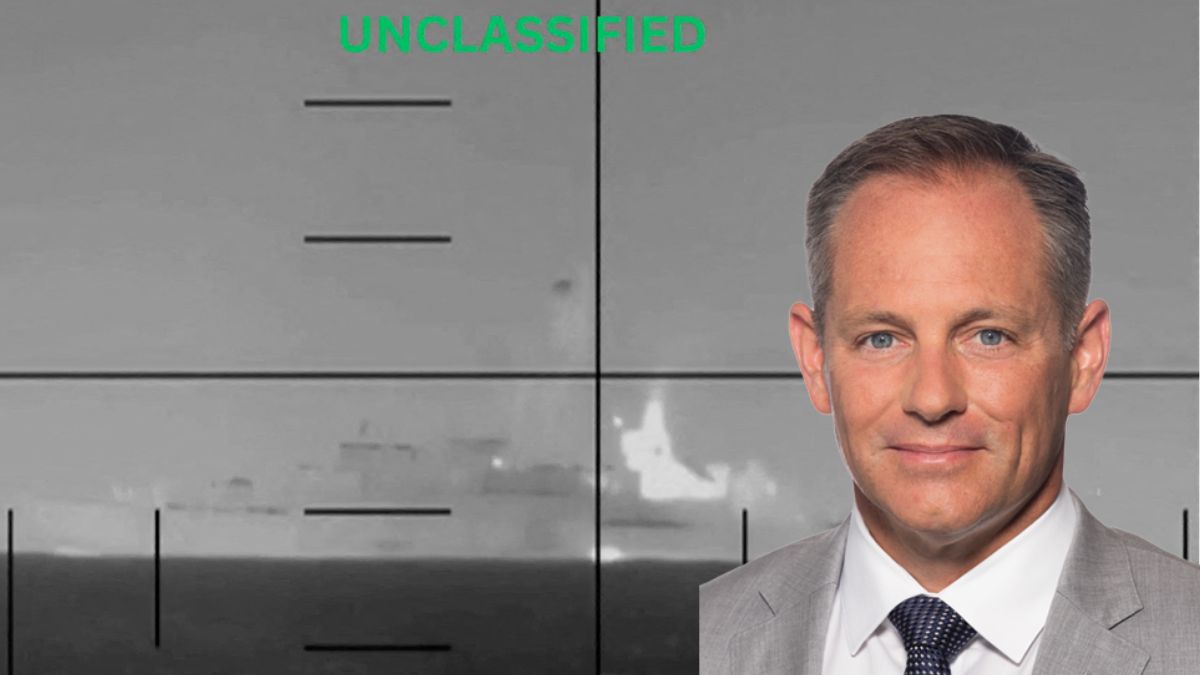
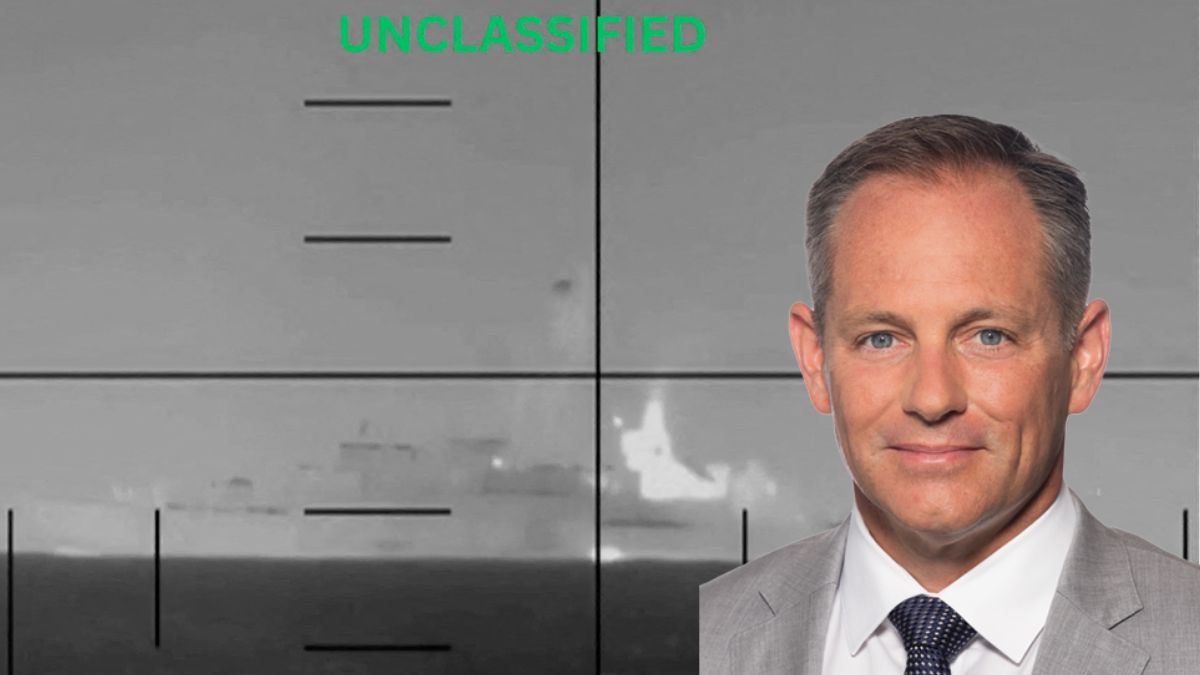
On March 4, a United States submarine torpedoed and sank the Iranian warship IRIS Dena roughly 40 nautical miles off the southern coast of Sri Lanka, killing at least 87 sailors onboard. The attack is remarkable not simply because a warship was destroyed, but because of where it happened.
Until now, the confrontation between the United States, Israel and Iran had largely been confined to the Middle East. With the sinking of the Iranian frigate off Sri Lanka, the conflict it seems has effectively spilled into the Indian Ocean, thousands of kilometres from the original theatre of escalation.
The vessel was returning home after participating in naval exercises with India when it was struck by torpedoes fired from a US submarine. The Pentagon later confirmed the strike, marking the first time an American submarine has sunk an enemy warship since World War II.
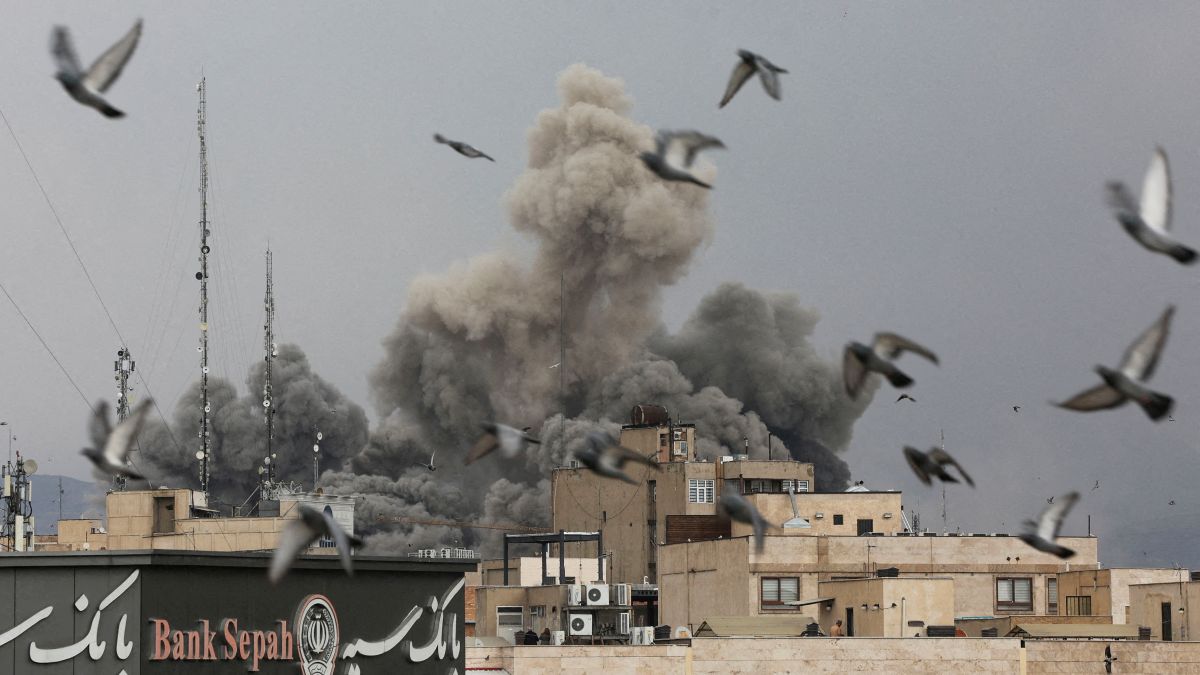
The United States and Israel had launched a major military operation on February 28, inside Iran, dubbed Operation Lion’s Roar, targeting strategic sites in Tehran and other cities under the pretext of neutralising an “imminent threat” posed by its nuclear and ballistic missiles programmes. More than 20 of Iran’s 31 provinces were reportedly impacted by US and Israeli strikes. The US military claims they have hit nearly 2,000 targets inside Iran.
Within 24 hours of the start of the war, Ayatollah Ali Khamenei was dead. The Middle East once again stood on the edge of a geopolitical rupture. Israel has threatened to eliminate any successor Iran would put in Khamenei’s place.
Quick Reads
View AllLet there be no confusion, this is not an ode to Khamenei. Iran under Khamenei was a state built on repression, morality policing, and mass executions. Its security forces killed thousands during waves of anti-government protests that started in December 2025. The Mullah regime in Iran has always been repressive. Reports claimed that nearly 7,000 people had been killed by Iranian authorities in a brutal crackdown on protesters. These numbers can go as high as 32,000 according to some reports as estimates vary widely because of a near-total internet blackout inside Iran.
For many inside Iran, this felt like oxygen. Some even called it the beginning of the end of the Mullah Regime in Iran; and its 1989 moment. But the heart of the problem is the modus operandi.
The Politics of ‘Imminence’
The logic behind the strikes was articulated bluntly in Washington. The United States launched strikes on Iran not because it attacked it; it acted on “imminent threat”. The issue, according to the US, was what Iran might eventually be capable of doing. As Marco Rubio argued:
“Imagine a year from now or a year and a half from now the capabilities they would have to inflict damage on us. It’s an unacceptable risk, especially in the hands of a regime that’s run by radical clerics. The ayatollah is a radical–was a radical cleric. That entire regime is led by radical clerics who don’t make geopolitical decisions; they make decisions on the basis of theology–their view of theology, which is an apocalyptic one. That has to be taken very seriously as well.”
Once again, the vocabulary of “imminence” has done the work of war. The question before us is simple: is perceived “threat” sufficient to launch a full-scale war? This language matters. Why? Because it sets a precedent, and a seemingly wrong one.
Moreover, we can’t set aside the context that both nations were in indirect negotiation moderated by Oman. For all the scepticism about its nuclear intentions, Tehran did signal willingness to discuss nuclear limits, but refused to place its missile program on the table.
Iran framed its ballistic missiles as deterrence, sovereign issue and within the international norm. Washington however, saw those as “threats”. Donald Trump said he had legitimate reason to believe Iran was going to “attack first”.
The justification was imminence. The argument: a hostile regime, armed with potential nuclear capability.
As in earlier episodes of American interventionism, the strike on Iran was anchored less in demonstrable immediacy than in projected danger. The coordinated strikes by the US and Israel on Iran were framed as pre-emptive: a necessary act to neutralise an “imminent” threat.
The Hypocrisy of the Rules-Based Order
Consider how the West frames similar actions when carried out by its ideological adversaries. The invasion of Ukraine by Vladimir Putin is widely and rightly described across Western capitals as naked aggression, a violation of sovereignty justified by dubious claims of security threats and pre-emption.
Now imagine if a comparable logic were invoked by China against Taiwan. If Beijing were to pursue regime change or military occupation citing a “perceived threat” to its national security, the reaction from Washington and European capitals would be swift and unequivocal: it would be called expansionism, coercion and a breach of international law.
Yet when the language of imminence travels in the opposite direction towards the West, the framing often shifts, from intervention to necessity. That contrast is what raises the uncomfortable question at the heart of this conflict: are the rules of sovereignty universal, or do they bend depending on who is invoking them?
When powerful states frame perceived future danger as justification for unilateral military action, they embark on the same playbook used in the Iraq War of 2003. Disputed claims about weapons of mass destruction were invoked to legitimise a major invasion without multilateral authorisation; the war did not have Security Council authorisation either. And similar to justifications offered for interventionist tactics in Venezuela. In each case, the existence of an objectionable regime became grounds for breaching sovereignty.
None of this absolves the Iranian regime of its brutality. Tehran’s repression of its own citizens, its ideological militancy, and its destabilising regional ambitions are well documented. The international system, however, has long rested on a fragile but important principle: sovereignty. It is meant to restrain the powerful as much as it protects the weak.
Has Rules-Based Order Become Optional?
At the Munich Security Conference, Marco Rubio outlined a worldview that is increasingly shaping Washington’s posture. The West, he argued, must reclaim its vitality. The “so-called global order” must no longer override national interest.
He spoke of Western expansion, the glory of “missionaries, explorers, vast empires”, and of anti-colonial uprisings as accelerants of its decline. It was a speech that framed the international system less as a set of universal rules based on goodwill than as a civilisational contest, one in which the West must rediscover the will to act decisively to “reclaim” its interests.
Rubio lamented the “contracting” of the “great Western empires” in the aftermath of the Second World War. He decried what he described as “godless communist revolutions” and “anti-colonial uprisings” movements.
The heart of the argument is that if the United States can launch a war based on projected capability and ideological distrust, why should others not invoke similar reasoning? What prevents another state from declaring that its rival’s military buildup, alliances or technological advances constitute an “imminent” threat that must be neutralised today?
Once the doctrine of imminence becomes elastic, defined by interpretation rather than by attack, the line between defence and aggression grows dangerously thin. And history suggests that doctrines rarely remain confined to their original authors. They travel.
(Views expressed in the above piece are personal and solely those of the author. They do not necessarily reflect Firstpost’s views.)


 "Iran Israel War Live Updates: Israel warns Khamenei’s successor, targets Iran’s fleet of F-14 fighter jets")
 "'Ukraine won't give up': Ex-foreign minister on why ceding land to Russia is 'not an option'")
 "India vs New Zealand Live Score, T20 World Cup final: Fans start to fill up Narendra Modi Stadium")
 "'Sink me now or sink me later': Retired US Navy Captain on downing of Iran ship off Sri Lankan coast")
 "Iran Israel War Live Updates: Israel warns Khamenei’s successor, targets Iran’s fleet of F-14 fighter jets")
 "'Ukraine won't give up': Ex-foreign minister on why ceding land to Russia is 'not an option'")
 "India vs New Zealand Live Score, T20 World Cup final: Fans start to fill up Narendra Modi Stadium")
 "'Sink me now or sink me later': Retired US Navy Captain on downing of Iran ship off Sri Lankan coast")