

 "Tinderbox of West Asia: India’s stake in Iran-US standoff")
Once again, the mounting hostility between Iran and the United States has put West Asia at a turning point, with wide-ranging consequences for local stability and world financial security. Viewed from India’s perspective, the circumstances are especially worrying considering the nation’s strategic stakes in the area, reliance on West Asian oil, and need to balance the Iran-Israel equilibrium.
As talks on Iran’s nuclear programme stutter and the fear of military intervention looms, the possibility of a more widespread conflict in West Asia increases, endangering the oil supply chains and putting India in a vulnerable diplomatic and economic position.
The US has been struggling since late 2024. In reaction to the American action in the region, Yemen’s Houthis, backed by Iran, have stepped up their military offensive. These strikes, meant to stop Houthi disruptions, have infuriated Tehran, which views them as an extension of American aggression against their regional influence.
The US declared on March 26, 2025, by sending B-2 stealth bombers and support planes to Diego Garcia, a key base only 1,140 miles south of India’s southern edge, the US reinforced its presence in the Indian Ocean. This action, together with the existence of US aircraft carriers, underlines Washington’s ability to project power across West Asia and send Iran a warning about its nuclear aspirations and surrogate operations.
Meanwhile, Iran has answered with a show of its own strength. In early 2025, the Islamic Revolutionary Guard Corps disclosed a so-called ‘missile city’ attracting a collection of in-house missiles. Taking the progress as a deterrent to the US, Iranian military leaders, including Chief of Staff Mohammad Bagheri, have assured to enhance Iran’s missile capabilities. This power projection comes amid escalating tensions with Israel, following Iran’s direct missile attacks on Israeli territory in April and October 2024, and Israel striking back on Iranian assets and proxies such as Hezbollah and Hamas.
Quick Reads
View AllTehran’s nuclear development is at a standstill. Originally agreed in 2015 to slow down Iran’s nuclear activities in return for sanctions relief, the Joint Comprehensive Plan of Action (JCPOA) sank in 2018 when the US withdrew under President Donald Trump. Iran has continuously developed its uranium enrichment since then, driving renewed attempts at talks.
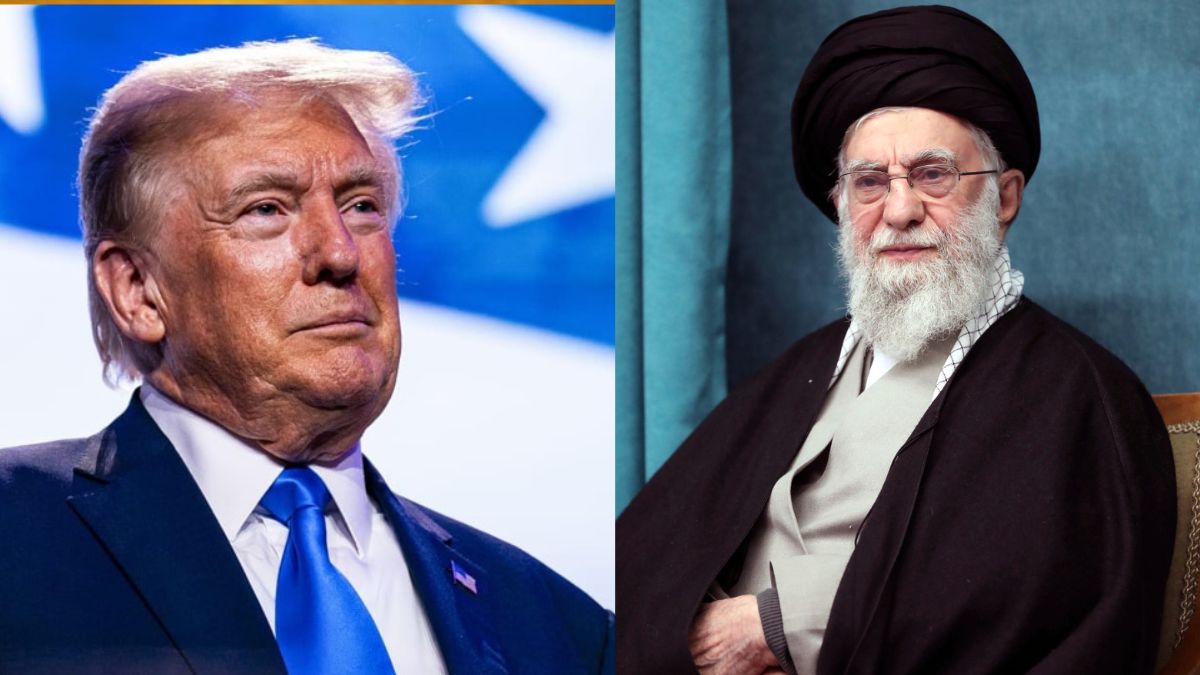
Back in office in March 2025, Trump wrote to Ayatollah Ali Khamenei, Iranian Supreme Leader, asking for negotiating a fresh nuclear agreement within two months or facing military action. Tehran’s response has been mixed: while some officials implied openness to indirect talks, Khamenei dismissed negotiations under pressure, calling them a tool of US dominance.
This absence of reciprocity has worsened the deadlock. The US insists on addressing not just Iran’s nuclear program but also its missile development and support for proxies like Hezbollah, Hamas and Houthis; from its side, Tehran insists that its nuclear program is for benign intentions, an assertion backed by the February 2019 conclusions of the International Atomic Energy Agency (IAEA) but greeted with scepticism by the US, Israel, and Saudi Arabia.
Should diplomacy fail, the possibility of US or Israeli attacks on Iran’s nuclear sites looms large. But this move could spark a big kinetic conflict in West Asia. Israel focused on isolated nuclear reactors in Iraq (1981) and Syria (2007), but Iran’s nuclear infrastructure is widespread, sophisticated, and fortified.
A successful strike would call for a sophisticated, large-scale operation at risk of Iranian response in the form of missile barrages, proxy attacks, or even closing of the Strait of Hormuz, a chokepoint for 20 per cent of the world’s oil supply. Further internationalising the conflict, Iran’s friends, including China and Russia, could also strengthen their support.
India would be much affected by these. A flare-up in West Asia could disrupt oil supplies, which would agitate inflation in an economy that relies on imports for more than 80 per cent of its already existing crude oil requirement and raise global prices. With free Russian supplies decreasing, India’s dependence on West Asian sources, including Iraq, Saudi Arabia, and the UAE, went up to 44.6 per cent of 2024 oil imports. Any attack on Iran’s oil infrastructure or any disturbance in the Persian Gulf would only worsen this exposure, pushing India to search for more expensive options and maybe affecting consumer prices and industrial output.
India is in a difficult situation where it has to balance its long ties with Iran against its growing ties with the US and Israel. India’s relations with Iran have been under pressure since 2019, when India ceased importing Iranian oil due to US sanctions. Despite this, the two countries have maintained cooperation on key projects, such as the Chabahar Port, which provides India with access to Central Asia. However, progress on these initiatives has been slow due to regional instability and ongoing sanctions. Meanwhile, India’s defence and technology cooperation with Israel has deepened, particularly following the 2023 Gaza war, complicating India’s stance on Iran-Israel issues.
A larger conflict would challenge this balancing act. As seen in its 2023 appeal for a resolution to the Israel-Hamas conflict, India has historically promoted de-escalation and discussion. A confrontation between the US and Iran, on the other hand, might push New Delhi to choose sides or run the danger of upsetting important allies.
Economically, disturbances in trade routes such as the Red Sea, where Houthi strikes have already raised shipping rates by 40-60 per cent, and the halted India-Middle East-Europe Corridor (IMEC) would hamper India’s export goals. Western allies might question India’s midway approach in the Yemen battle and its endorsement of Iran’s membership in BRICS together with the Shanghai Cooperation Organisation (SCO).
Any West Asian conflagration would reshape India’s strategic calculations. While a refugee crisis or elevated terrorism risks stemming from destabilising states such as Syria or Yemen could spill over, oil price volatility might strain its post-pandemic revival, increased cost of living, steep decline in the stock market, and increase in logistic costs. India’s energy diversification initiatives, including renewable energy and Russian imports, are not yet strong enough to offset a long disruption. Any potential conflict between Iran and the US-Israel duo could lead to jeopardising the Chabahar port deal for New Delhi and, consequently, India’s ambition to connect with the Central Asian nations.
From India’s perspective, the way forward calls for a practical yet forward-looking strategy to protect its interests. New Delhi should use its neutral stance to promote fresh US-Iran talks, maybe through backchannel diplomacy or international bodies like the United Nations. India could work with allies such as the European Union and Russia, the two original JCPOA members, to push for de-escalation and a phased return to nuclear compliance in trade for sanctions relief.
India has to fortify its economic resilience. Increasing investments in renewable energy and obtaining alternative oil sources such as Nigeria, Angola, Venezuela and Guyana could help to limit West Asian instability exposure. New Delhi should also silently contact Iran to stop retaliatory disruptions while simultaneously accelerating the operationalisation of Chabahar Port to ensure it stays a viable trade lifeline even in given hostility.
India ought to strengthen its strategic talks with the US and Israel. Without endangering its independence. India can keep close relations by highlighting common worries like counterterrorism and maritime security, hence encouraging restraint on offensive activities like potential nuclear conflict. India should publicly reaffirm its support for stability.
Arunim Ghosh comes with a background in law. He is a contributing author covering foreign affairs and culture. Views expressed in the above piece are personal and solely those of the author. They do not necessarily reflect Firstpost’s views.

 "Pentagon no longer views China as top threat, offers 'more limited' support to US allies")
 "'Governor Carney sorely mistaken': Trump threatens 100% tariff on Canada over its potential China trade deal")
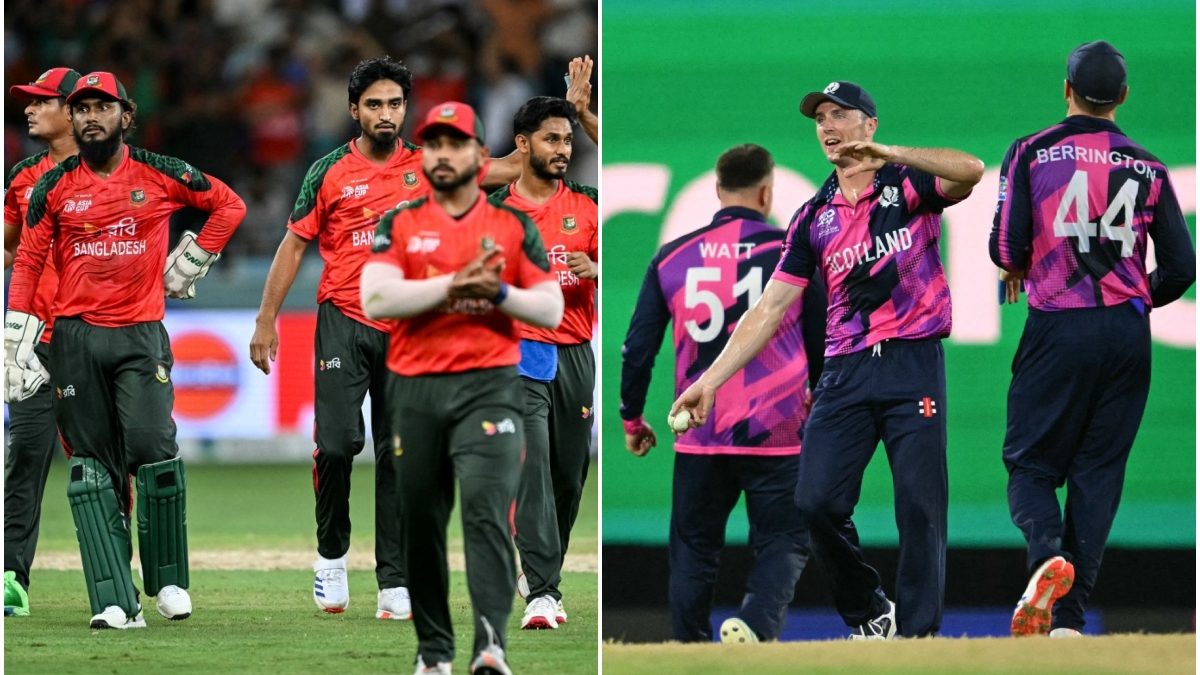 "Bangladesh out of 2026 T20 World Cup, announces ICC; Scotland named replacement team")
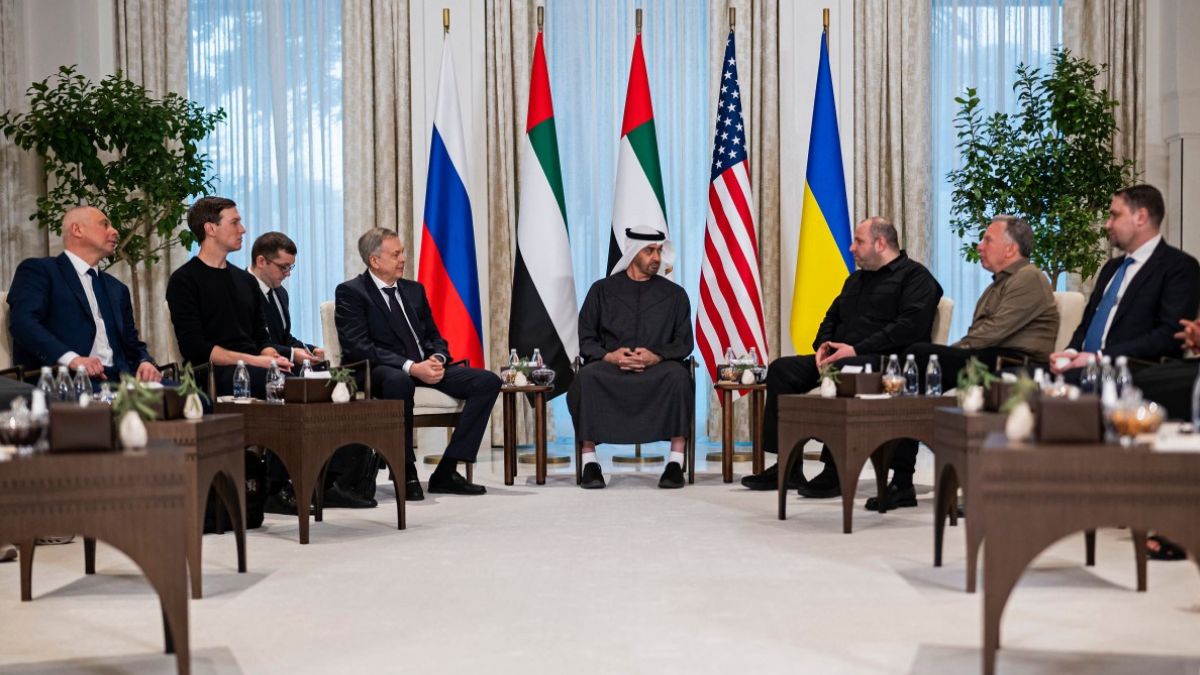 "Ukraine peace talks conclude in Abu Dhabi as Donbas issue remains unresolved")
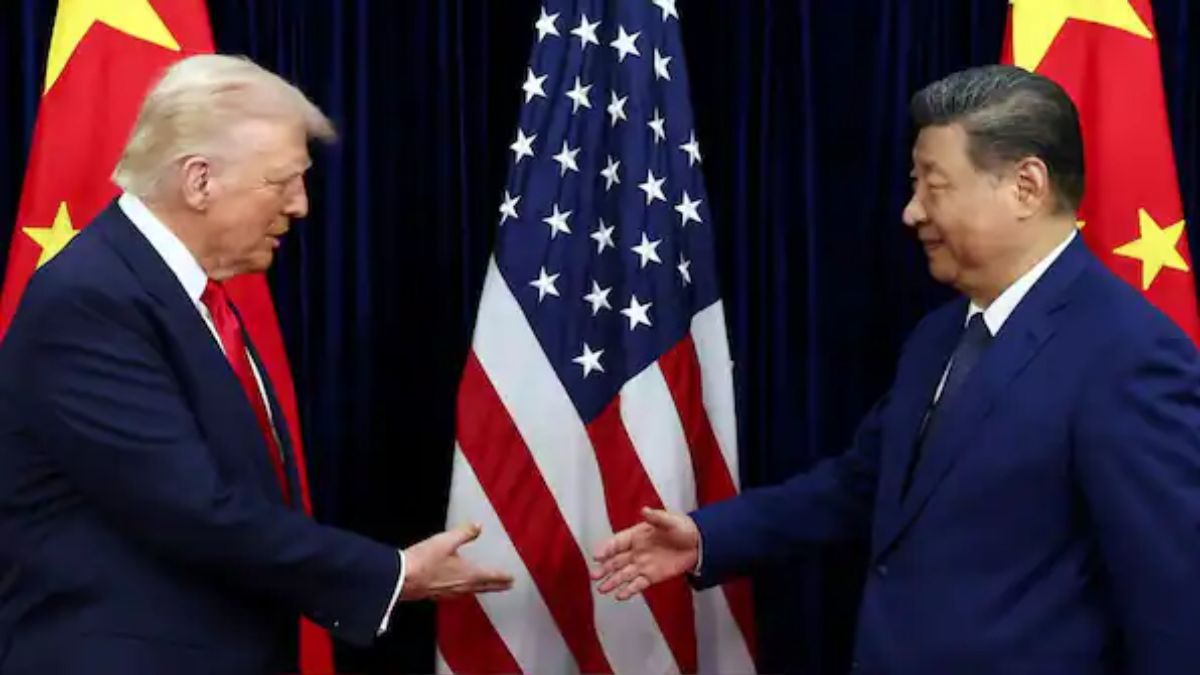 "Pentagon no longer views China as top threat, offers 'more limited' support to US allies")
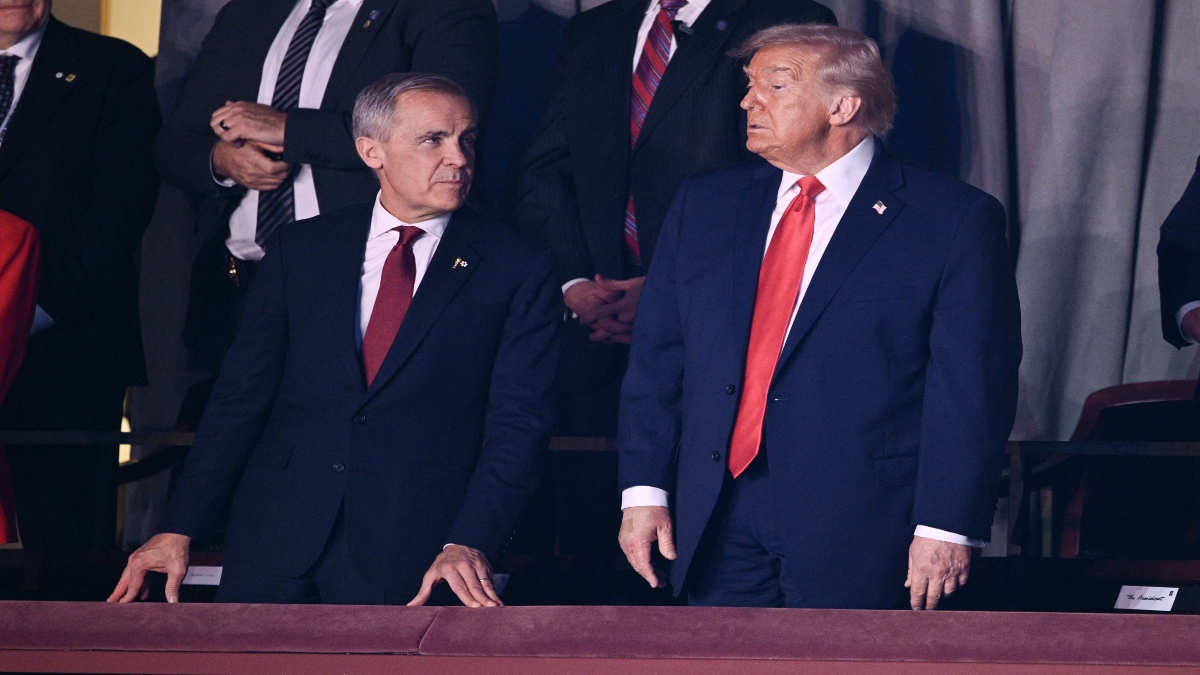 "'Governor Carney sorely mistaken': Trump threatens 100% tariff on Canada over its potential China trade deal")
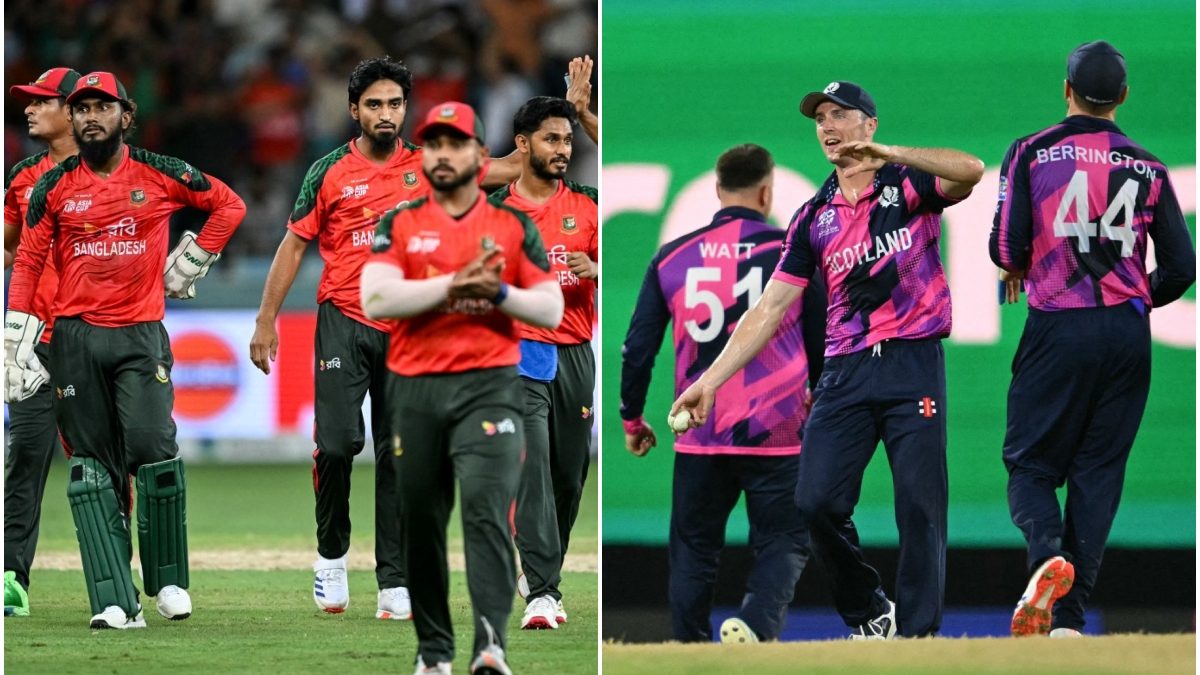 "Bangladesh out of 2026 T20 World Cup, announces ICC; Scotland named replacement team")
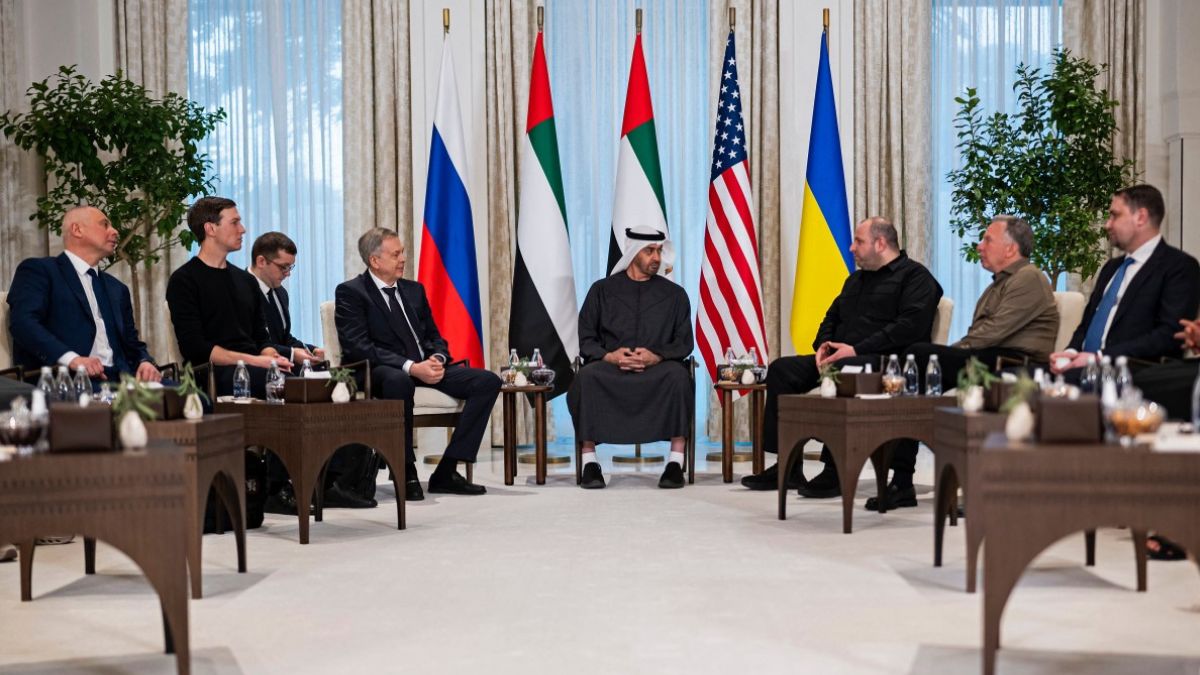 "Ukraine peace talks conclude in Abu Dhabi as Donbas issue remains unresolved")



