

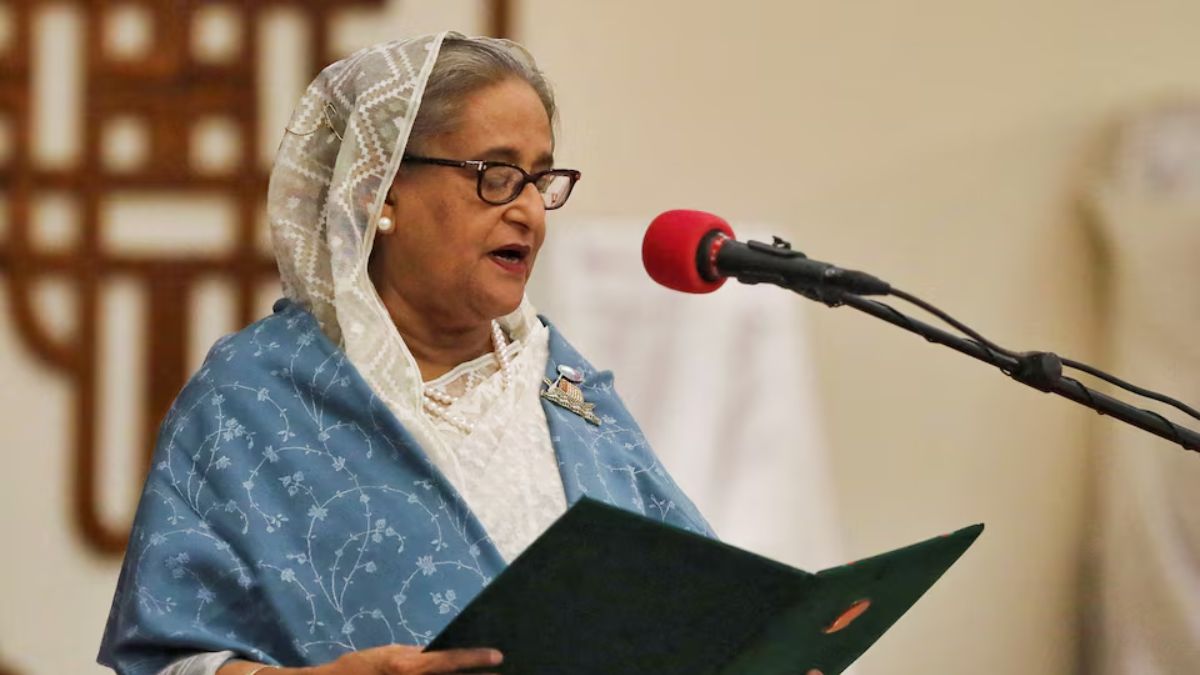
 "The death sentence that shames Bangladesh: Why Sheikh Hasina’s trial was a constitutional farce")
The death sentence handed down to Sheikh Hasina has been celebrated by some as a triumph of justice; a long-awaited accountability for the events of July 2024. Media outlets and spokespeople for the interim government have painted a picture of meticulous legal proceedings, substantial evidence, and historic accountability. They claim the verdict brings justice to bereaved families and marks Bangladesh’s break from cycles of impunity.
This is a dangerous fiction being peddled as truth. This was not justice; it was political theatre performed on an illegitimate stage, with actors who had no authority to deliver their lines. The verdict represents the complete breakdown of constitutional order in Bangladesh, a breakdown that every citizen should fear regardless of their political allegiance.
The fundamental question that defenders of this verdict refuse to address is simple: where did this tribunal get its authority? The answer exposes the entire proceedings as a sham from the very beginning.
Muhammad Yunus’ unelected interim government created this tribunal through four executive ordinances that amended the International Crimes (Tribunals) Act, 1973. But under our Constitution, this was completely unlawful. Article 93 allows ordinances only when Parliament is not in session, and even then, these ordinances must be presented to Parliament within thirty days or they automatically expire. Since there is no functioning Parliament, these ordinances have no legal validity. They are, in legal terms, ultra vires: beyond the government’s authority.
Think about what this means for Bangladesh. We now have an unelected government with the self-ordained power to change criminal law and impose death sentences. This violates the most basic principle of our Constitution—that all power belongs to the people and can only be exercised according to constitutional authority. Any law inconsistent with the Constitution is void.
The International Crimes Act specifically requires that only confirmed High Court Division judges can preside over these tribunals. Instead, the Yunus government appointed probationary judges who lack the constitutional rank and security of tenure required by law. Why? Because the entire Supreme Court was forced to resign in August 2024 under threat from street mobs. The highest court of our land was dismantled through intimidation, and new politically aligned judges were installed. This isn’t just irregular; it’s the complete destruction of the judiciary’s independence.
Some defend these constitutional violations by claiming this was a “revolution” that created its own legitimacy. But international law is not founded on grand theories about social context; it has clear standards for when a revolutionary government gains legitimacy, and the current regime fails every single test.
For evidence of this, the Pakistan Supreme Court’s landmark Asma Jilani judgment from 1972 speaks directly to our situation today. The court held that someone who destroys the legal order illegitimately cannot become a valid source of law. They warned that while usurpers might temporarily control the state through force, their orders remain illegal. The court’s words are prophetic: “As soon as the opportunity arises, when the coercive apparatus falls from the hands of the usurper, he should be tried for high treason and suitably punished.”
Supporters of the verdict claim it rested on unprecedented evidence: audio recordings that supposedly prove Sheikh Hasina ordered killings. They say these recordings were “verified” by international media. But let’s examine what actually happened, because the truth reveals either shocking incompetence or deliberate manipulation.
First, these recordings were obtained illegally. Article 43 of our Constitution protects every citizen’s right to privacy in their communications. This can only be breached through legal procedures for state security. No court order authorised these wiretaps. No legal procedure was followed. The recordings were leaked for political reasons to cause as much damage as possible. Under our Evidence Act and multiple Supreme Court precedents, illegally obtained evidence raises serious questions about admissibility. But this tribunal didn’t care about such legal niceties and obviously didn’t seek to find out who leaked the recordings.
More damning is how the tribunal interpreted these recordings. The prosecution’s case hinged on a phone conversation between Sheikh Hasina and Dhaka University’s Vice-Chancellor. The tribunal claimed this proved she ordered student killings. But anyone who listens to the full conversation knows this is a grotesque misrepresentation.
Sheikh Hasina was comparing the protesting students to Jamaat leaders who were executed after legal trials and convictions. She was expressing anger and talking about judicial punishment, not ordering extrajudicial killings. The phrase “I’m giving the order” appears only after the Vice-Chancellor suggests university disciplinary measures—i.e., expelling troublemakers from campus. The tribunal deliberately spliced together unrelated parts of the conversation to manufacture evidence of a kill order that never existed.
Those defending this verdict claim that trials in absentia are recognised under international law and that Sheikh Hasina “chose” to flee. This is a deliberate distortion of both facts and law.
Sheikh Hasina left Bangladesh because her life was in immediate danger. Armed mobs were marching on her residence. Under international law, trials in absentia are only permitted when someone voluntarily absconds after initially appearing before the court. Sheikh Hasina never had that opportunity. Her supporters were physically prevented from entering the tribunal. Senior lawyers willing to defend her were blocked from approaching the court. The tribunal appointed a government lawyer who openly admitted he “received no instructions from the defendant.”
The International Covenant on Civil and Political Rights, which Bangladesh has signed and ratified, guarantees every accused person the right to be present at their trial and to have legal counsel of their own choosing. These aren’t optional extras; they’re fundamental requirements for any legitimate trial. The tribunal violated both.
Even more outrageous is the denial of appeal rights. The prosecution announced that Sheikh Hasina must surrender within 30 days or lose her right to appeal. In other words, she must walk into certain execution before she can challenge the verdict. This violates every principle of international law. The UN explicitly states that death sentences cannot be carried out while appeals are pending. No legitimate legal system strips defendants of appeal rights because they’re outside the country’s borders.
The speed of this trial—from indictment to death sentence in mere months—made any real defence impossible. Complex charges of crimes against humanity require extensive preparation. International criminal trials typically take years. This rush to judgment reveals the political nature of the proceedings.
Nothing exposes the political nature of this trial more than what hasn’t been prosecuted. The interim government and its supporters celebrate breaking “cycles of impunity,” but their justice is curiously one-sided.
Between August 5 and 15, 2024, more than 500 Awami League activists were murdered in broad daylight. Police stations were attacked, officers killed while on duty. These weren’t casualties of conflict—they were revenge killings, lynchings, targeted assassinations. The regime’s response? They granted blanket immunity to the perpetrators, calling these murders “desperate self-defence.” Not a single case has been filed and no perpetrators arrested. This isn’t popular acceptance; it’s rule through terror.
The Chief Prosecutor in Sheikh Hasina’s trial, Muhammad Tajul Islam, previously served as senior defence counsel for Jamaat-e-Islami leaders in war crimes trials. He has publicly called for the Awami League to be banned. The judges were appointed after the legitimate judiciary was forced out. This isn’t justice; it’s victor’s revenge dressed in legal robes.
Even Amnesty International has criticised this tribunal for its lack of independence and unfair proceedings. The UN Office of the High Commissioner for Human Rights has expressed serious concerns about the selective nature of prosecutions. When international human rights organisations question your justice system, perhaps it’s time to listen.
The International Crimes Tribunal Act of 1973 was never meant for this situation. This law was created specifically to prosecute war crimes from 1971, based on the Geneva Conventions that govern armed conflicts between nations or organised armed groups.
What happened in July 2024 was not an armed conflict; it was civil unrest. These are matters for ordinary criminal law—not war crimes tribunals. The Geneva Conventions are clear: they apply to international armed conflicts between states or non-international armed conflicts and organised armed groups. Street protests, even violent ones, don’t qualify.
Using the ICT Act for the events of July 2024 is like using maritime law to prosecute a car accident. It’s the wrong legal framework entirely. The government had to stretch and distort the law beyond recognition to make it fit. This isn’t just a technicality; it goes to the heart of whether this trial had any legal basis at all.
Moreover, as the legitimate head of government facing what can only be described as a coordinated terrorist attack aimed at overthrowing democracy, Sheikh Hasina had not just the right but the duty to maintain order. Section 96 of the Penal Code recognises the right of self-defence, including defence of the state. The use of proportionate force to protect national security during an attempted coup is not a crime; it’s a governmental responsibility.
We must confront an uncomfortable truth about who now controls Bangladesh. The current regime represents forces that were defeated in 1971 who collaborated with Pakistan during our Liberation War. These groups committed genocide, rape, and crimes against humanity. They surrendered along with Pakistani forces on December 16, 1971, signing documents that legally bar them from political participation in Bangladesh.
Today, we see ISIS flags being hoisted in demonstrations. Religious minorities are being systematically targeted. Secular institutions built over decades are being dismantled.
The bitter irony is that those who committed actual war crimes in 1971, who murdered our freedom fighters, now sit in judgment of the daughter of our founding father. They use the very laws created to prosecute them to target those who brought them to justice. This isn’t just political revenge; it’s historical perversion.
Sheikh Hasina remains the lawful Prime Minister of Bangladesh. She never resigned. She never asked the President to dissolve Parliament. Her departure under duress doesn’t transfer legitimacy to those who seized power through violence.
Under Article 7A of our Constitution, the seizure of state power through extra-constitutional means is high treason. Every act of this illegitimate government—every ordinance, every appointment, every verdict—is void ab initio, invalid from the beginning. They can control the streets through fear, they can control the media through censorship, they can even stage trials in kangaroo courts, but they cannot change constitutional reality.
The President’s actions in promulgating ordinances at the behest of this regime are unconstitutional. Without a legitimate government to advise him, without a Parliament to ratify ordinances, his acts have no legal effect. The entire structure of governance has become a constitutional fiction, a performance without legal script.
Those celebrating this verdict should understand what precedent they’re setting. If we accept that unelected governments can create tribunals through illegal ordinances, appoint politically aligned judges, use illegally obtained evidence, deny defendants their chosen lawyers, and impose death sentences after sham trials, then no one is safe. Today it’s Sheikh Hasina; tomorrow it could be anyone who opposes those in power.
The rule of law isn’t just about getting the “right” verdict; it’s about following the right process. When we abandon constitutional procedures for political expediency, when we celebrate injustice because it targets our opponents, we destroy the very foundations of democracy. The damage being done to our legal system will take generations to repair.
Bangladesh deserves real justice, not this theatrical performance staged by usurpers. The families who lost loved ones in July 2024 deserve truth, not politically convenient narratives. They deserve a legal process that meets international standards, not a rushed trial designed to eliminate political opposition.
Most importantly, we must remember that the law has a long memory. Those who have violated the Constitution, who have granted themselves immunity while prosecuting others, and who have perverted justice will face consequences.
The current regime can control the narrative today through force and fear. They can stage trials, announce verdicts, and claim victory. But they cannot change the fundamental truth: this verdict is legally void, morally bankrupt, and historically doomed. Justice delayed may be justice denied, but injustice celebrated is democracy destroyed.
The people of Bangladesh, regardless of their political preferences, must recognise this moment for what it is: not the triumph of accountability, but the collapse of constitutional order. Not justice served, but justice perverted for political ends.
The day will come when the coercive apparatus falls from the hands of these usurpers. When constitutional order returns, when the rule of law is restored, then we will see real trials with real evidence before real judges. Until then, we must bear witness to this injustice, document these violations, and prepare for the long work of rebuilding our shattered institutions.
Sheikh Hasina’s death sentence isn’t just an attack on one person; it’s an assault on the Constitution itself. And when we allow our Constitution to be torn apart for political revenge, we all become potential victims of the new regime, regardless of which side we support. That is the real verdict Bangladesh must confront.
(Mohammad Ali Arafat is a former Bangladeshi minister and member of Parliament, Central Executive Committee member of the Bangladesh Awami League, and spokesperson for Sheikh Hasina and the Awami League. Views expressed are personal and solely those of the author. They do not necessarily reflect Firstpost’s views.)

 "Thailand launches airstrikes on Cambodia in a setback to Trump's ceasefire deal")
 "'Not hawkish or dovish': 5 key things for Asia in Trump's new national security policy")
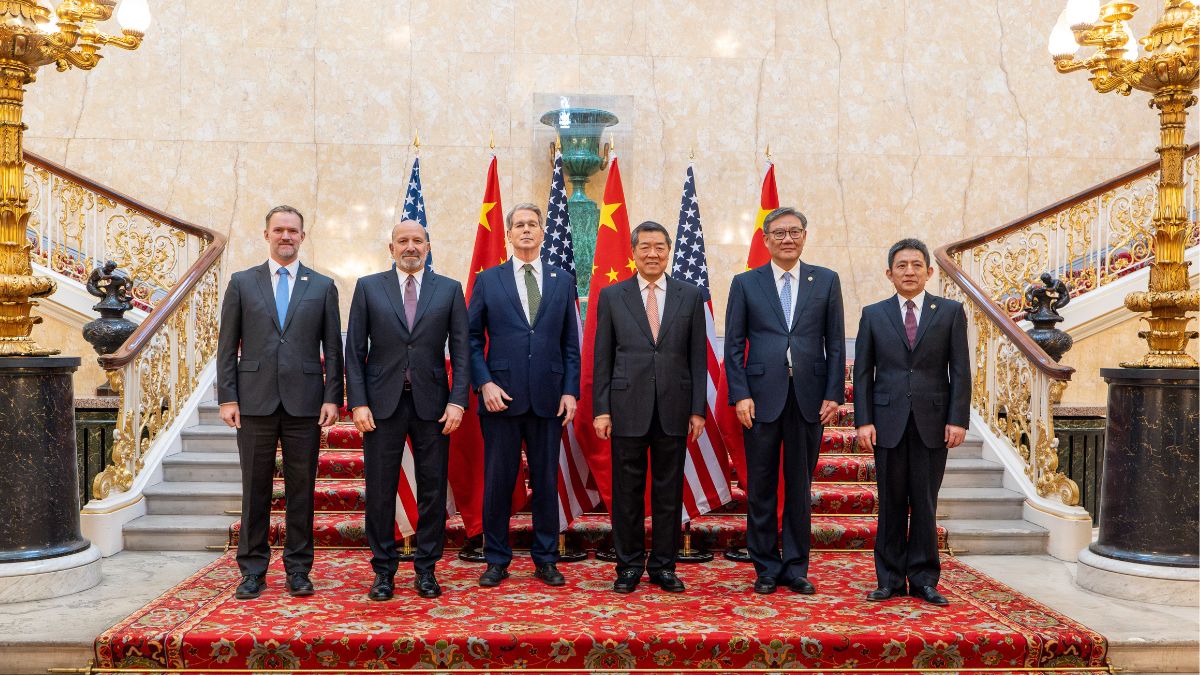 "'With China, it's always we verify': Trump's top aide on trade deal with Beijing")
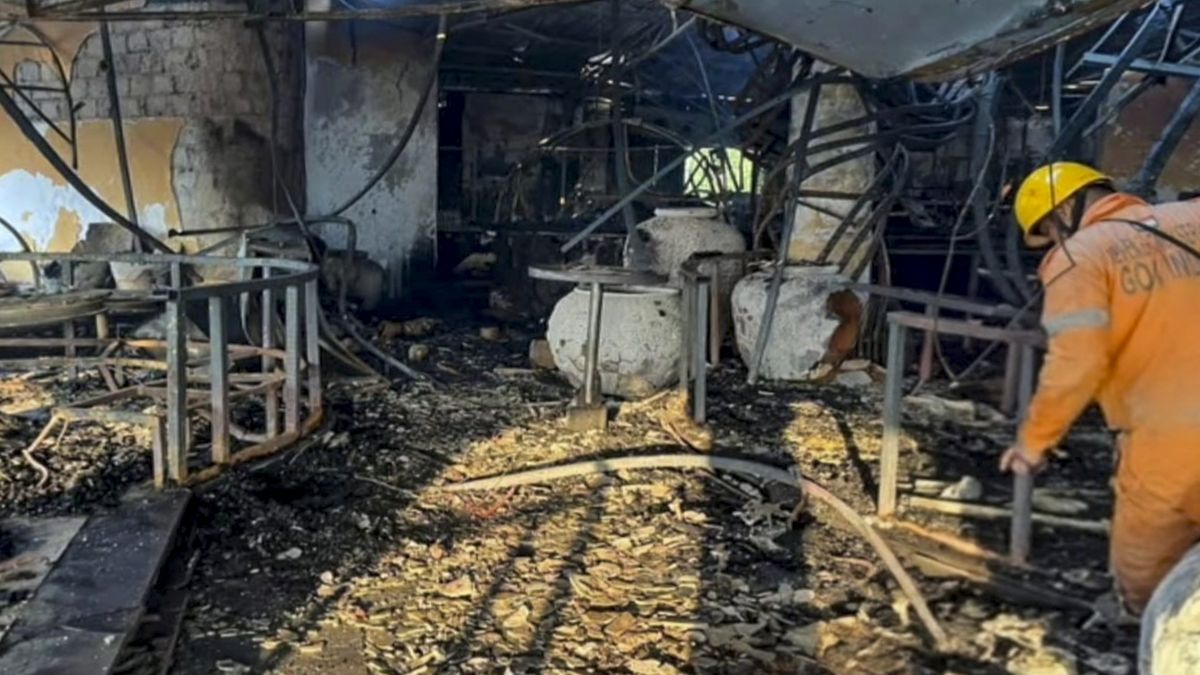 "Why the Goa nightclub fire, which killed 25, was so difficult to contain")
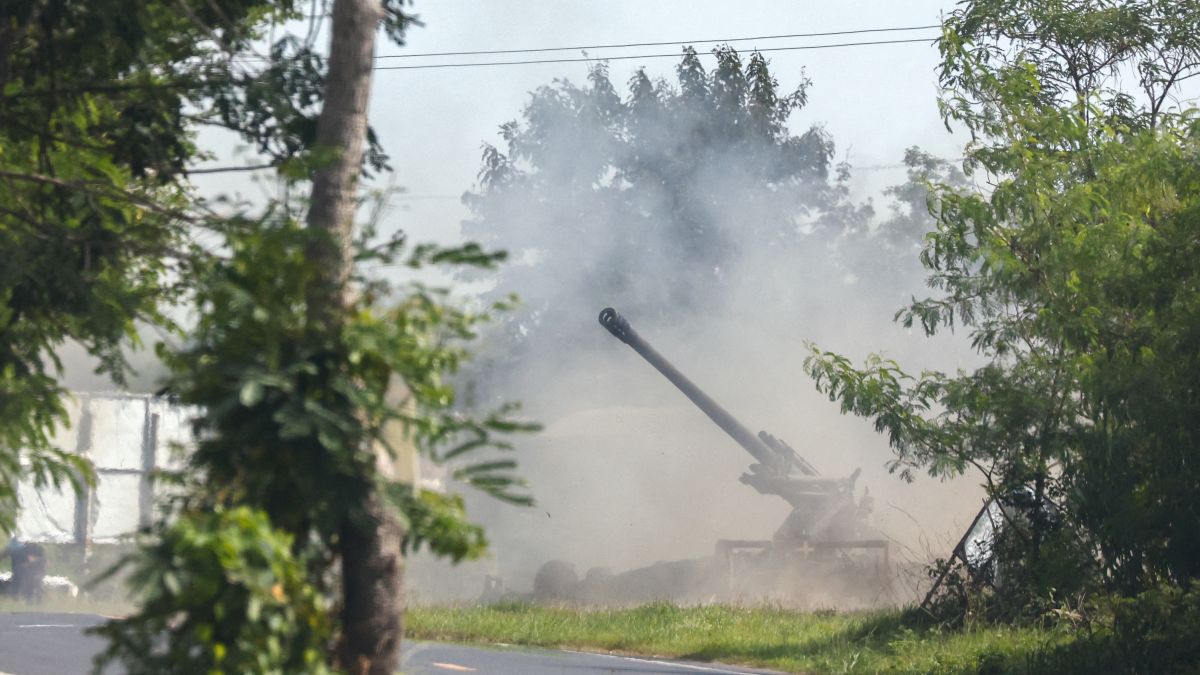 "Thailand launches airstrikes on Cambodia in a setback to Trump's ceasefire deal")
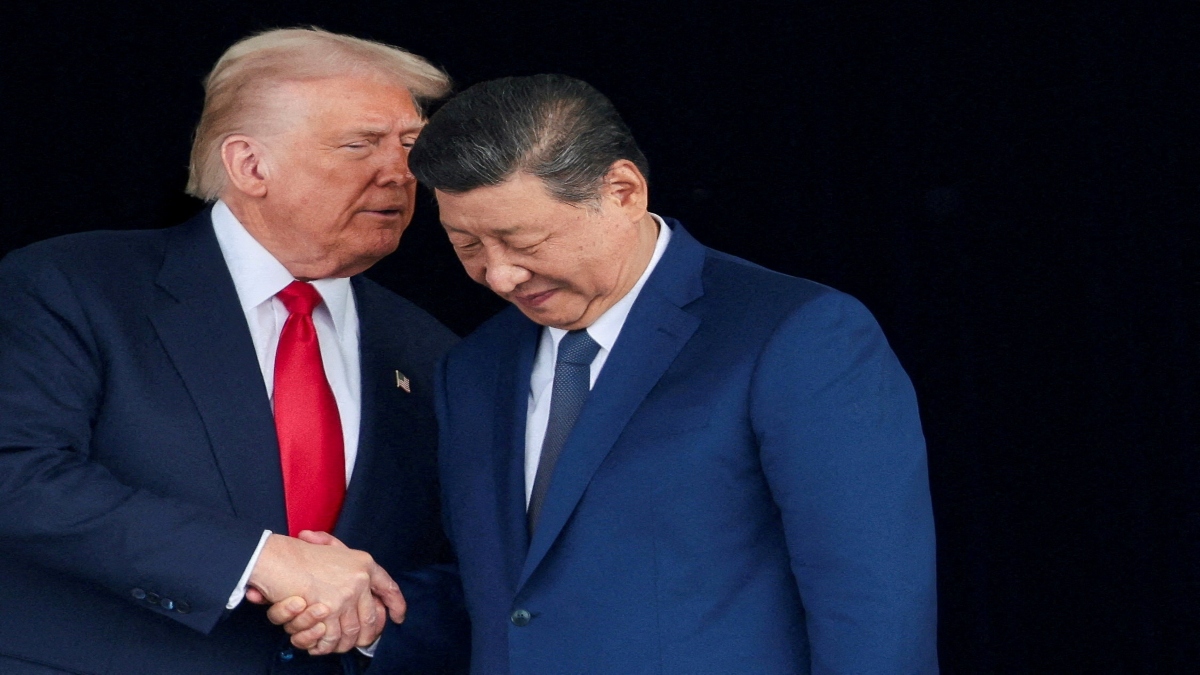 "'Not hawkish or dovish': 5 key things for Asia in Trump's new national security policy")
 "'With China, it's always we verify': Trump's top aide on trade deal with Beijing")
 "Why the Goa nightclub fire, which killed 25, was so difficult to contain")



