 "Taliban's internal power struggle: Why India needs to tread carefully")
In recent times, the Taliban’s growing frictions and skirmishes with the Pakistani forces have dominated the news headlines, vindicating the assessments and forecasts of astute Indian intelligence czars that post-US withdrawal, the Taliban’s worsening ties with Pakistan will become a major security headache for Islamabad. Against these developments, Indians have started reaching out to the Taliban. However, amidst these tidings, the Taliban’s serious internal rifts have largely eluded the attention of the global media and counter-terrorism experts.
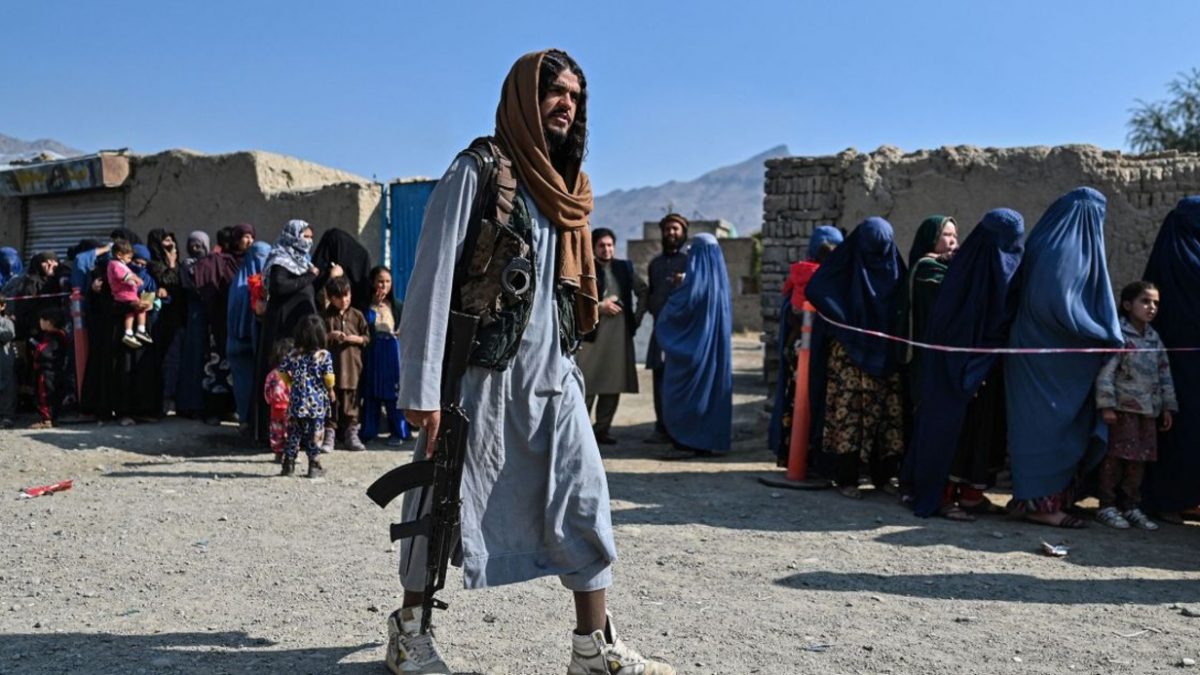
Reportedly, the Peshwara Taliban faction, which primarily includes Haqqanis, once known as the veritable arm of ISI, is at loggerheads with the Kandahar Taliban faction led by the Emir Haibatullah Akhundzada. The Kandahar faction advocates a rigid Islamist trajectory for Afghanistan, with harsh Sharia restrictions on women and minorities, whereas the Peshawar faction wants some flexibility and openness on policy issues. Their underlying motivation is to get diplomatic legitimacy in the international community and financial aid, which is much needed to fix the crippling economy.
The Peshawar faction wants to harness and leverage the growing tensions between the global powers to Afghanistan’s advantage. The emerging regional and international geopolitical landscape, characterised by the intense rivalries between the US, China, and Russia, provides a window for the Taliban to secure and strengthen its fledgling government. These ideological dissonances are not entirely new.
Even before the Taliban takeover, these issues had begun emerging. The Taliban leaders engaged in negotiations with the Americans from their Qatar office and had undergone a different kind of exposure to global values and norms and luxuries of diplomacy with Western governments. That said, it must be noted that the Taliban and its affiliates, like the Haqqanis, have always stood for an extremist and archaic version of Islam. Hence, these rifts could strictly be over the privileges and power struggles without much ideological content.
Quick Reads
View AllSome of the developments in Afghanistan strengthen the rumours of the internal rift in the Taliban. At a fundamental level, the Taliban suffers from divisions over the regional, tribal, and ethnic lines. However, more recently, differences have cropped up between the hardline clerics, ideologues, field commanders, and pragmatic political leaders. In September 2022, the Taliban’s deputy acting foreign minister, Sher Mohammad Abbas Stanakzai, gave the earliest signals of such a rift by openly suggesting reopening the secondary schools for girls. Following that televised address, he left the country.
In February 2025, Haibatullah Akhundzada deployed his loyalist forces and commanders in key strategic locations in Kabul, including the Bala Hissar fortress and the Kabul International Airport. These areas were previously under the control of Haqqanis, so this move by Haibatullah suggests an increasing rift and tensions between him and the Haqqanis. My interlocutors told me that the move was to weaken the Haqqanis. A large number of Taliban fighters took over the airport and the Bala Hissar fortress in early February. Their presence at the checkpoints made the entire city look heavily militarised.
Adding more weight to these speculations is the prolonged absence of Sirajuddin Haqqani, the interior minister of the Taliban. Reportedly, he has not returned from the UAE. Speculations are rife about his uncertain future in the Taliban hierarchy.
Further, astute Afghan watchers are also viewing the murder of Afghanistan’s interior minister Khalil Rahmani in a bomb blast in December 2024 in the backdrop of the internal power struggle of the Taliban. Allegedly, he was killed by the Islamic State–Khorasan Province (ISKP). However, there are credible reports that the ISI orchestrated his murder. The motive was to signal to him that Haqqanis should not give shelter to the Tehrik-e Taliban Pakistan (TTP). More importantly, the ISI is playing a dirty game in the Taliban’s internal power politics.
The ISI does not want the Taliban to open up to the world. They want to keep them under their firm grip. Islamabad fears that if they lose control of their adversaries, particularly, India will strengthen its presence in Afghanistan. The recent terrorist attacks by the TTP, Baloch rebels, and its worsening ties with the Taliban have further exacerbated Pakistan’s fears. Pakistan sees Afghanistan as an issue of vital national interest because it provides strategic depth to Pakistan against India. Secondly, Afghanistan is crucial to ISI’s Kashmir jihad for apparent reasons. Recent overtures by the Indians to the Taliban have made Pakistan uneasy. Against this backdrop, Pakistan supports Haibatullah Akhudzada and its rigid and conservative take on Afghanistan.
Finally, while making sense of the internal rift in the Taliban, one must not forget that terrorist groups operate in a clandestine world. The possibility of the ISI projecting this narrative cannot be ruled out. For India, it is time to make robust strategic calculations and strengthen its cautious look over Afghanistan. India’s motives should primarily be to firm its grip over Pakistan’s pressure points. Secondly, New Delhi must carefully watch the mushrooming of Islamic terrorist groups and trends in the region.
The author is a Cornell University graduate in public affairs, bachelors from St Stephen’s College, Delhi and has done his PhD on Jaish-e-Mohammad. He is a policy analyst specialising in counterterrorism, Indian foreign policy and Afghanistan-Pakistan geopolitics. Views expressed in the above piece are personal and solely those of the author. They do not necessarily reflect Firstpost’s views.

 "Pentagon no longer views China as top threat, offers 'more limited' support to US allies")
 "'Governor Carney sorely mistaken': Trump threatens 100% tariff on Canada over its potential China trade deal")
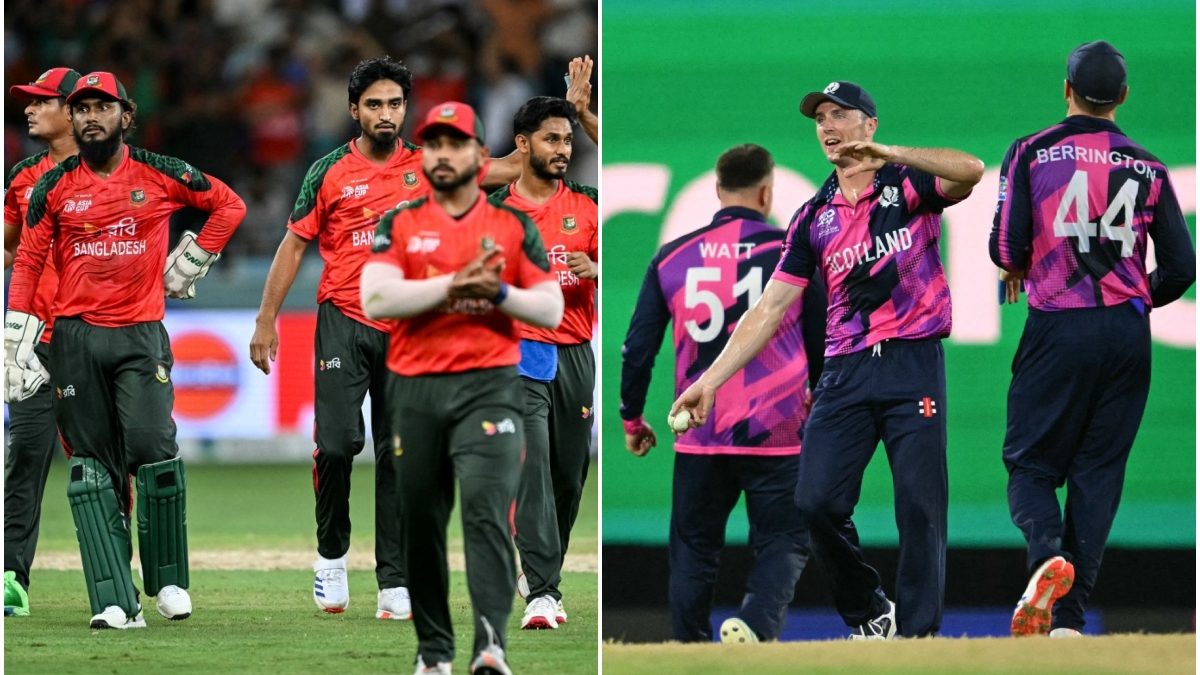 "Bangladesh out of 2026 T20 World Cup, announces ICC; Scotland named replacement team")
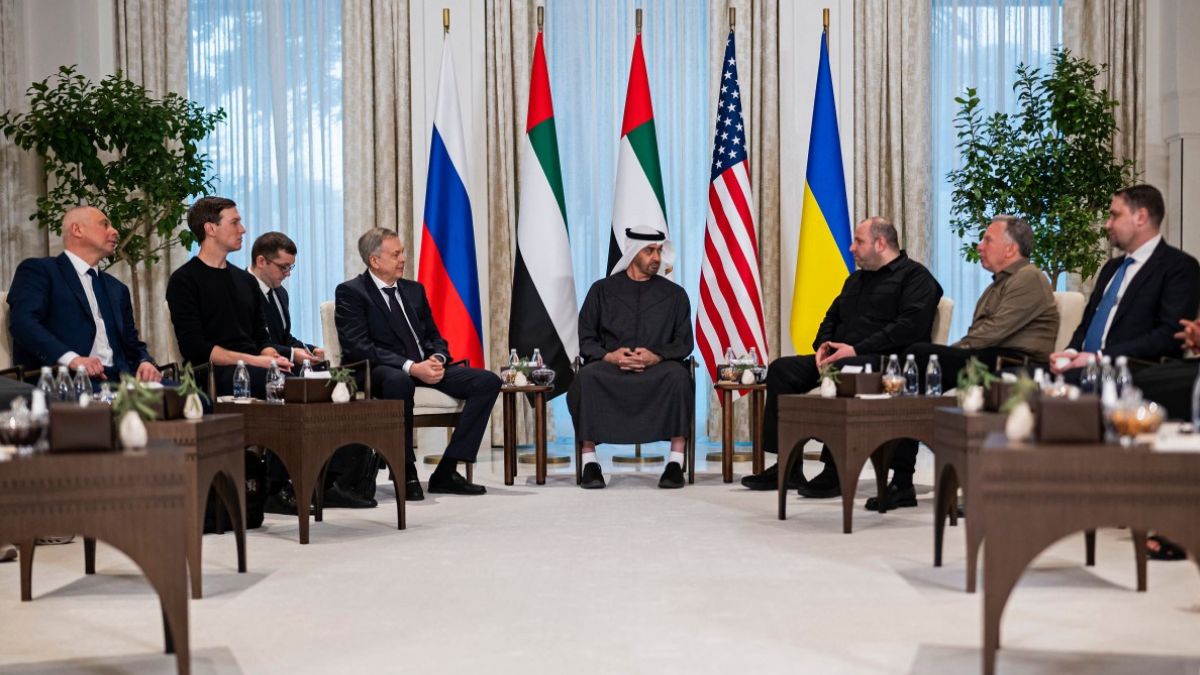 "Ukraine peace talks conclude in Abu Dhabi as Donbas issue remains unresolved")
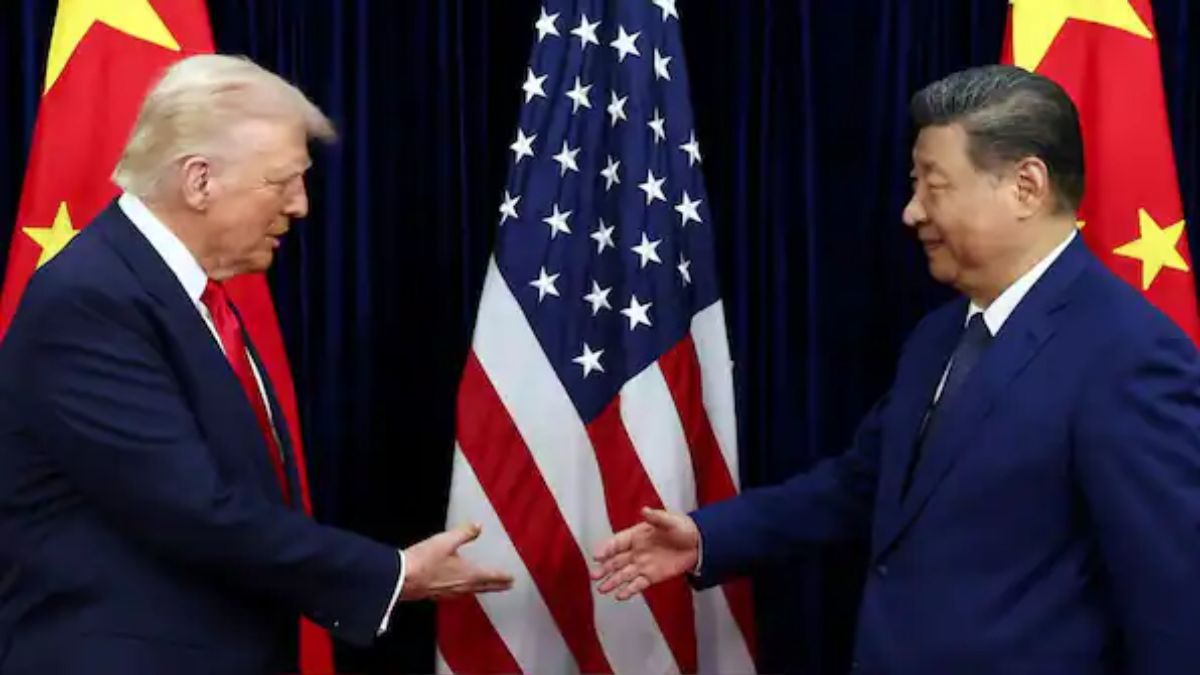 "Pentagon no longer views China as top threat, offers 'more limited' support to US allies")
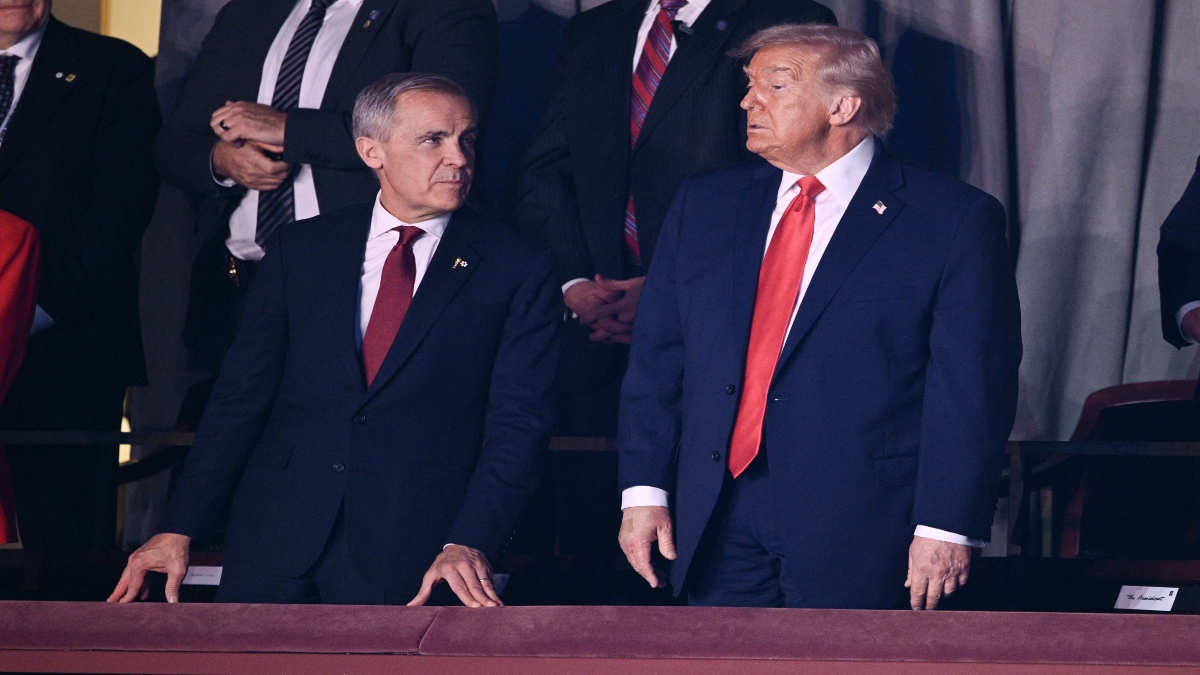 "'Governor Carney sorely mistaken': Trump threatens 100% tariff on Canada over its potential China trade deal")
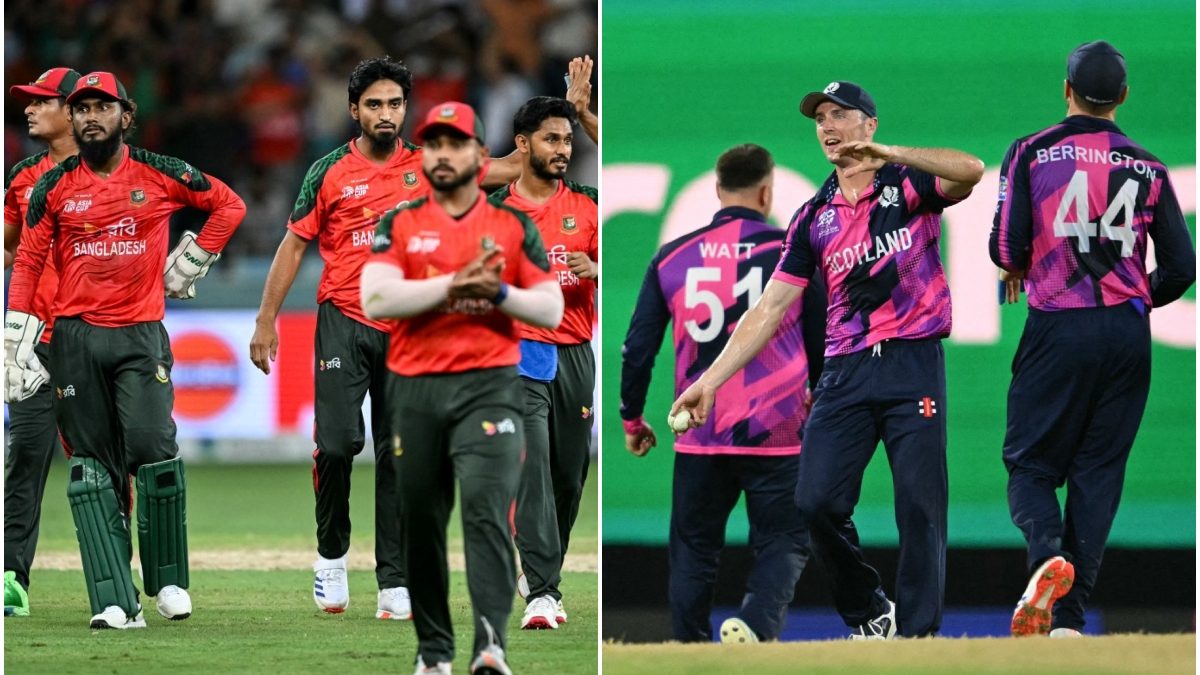 "Bangladesh out of 2026 T20 World Cup, announces ICC; Scotland named replacement team")
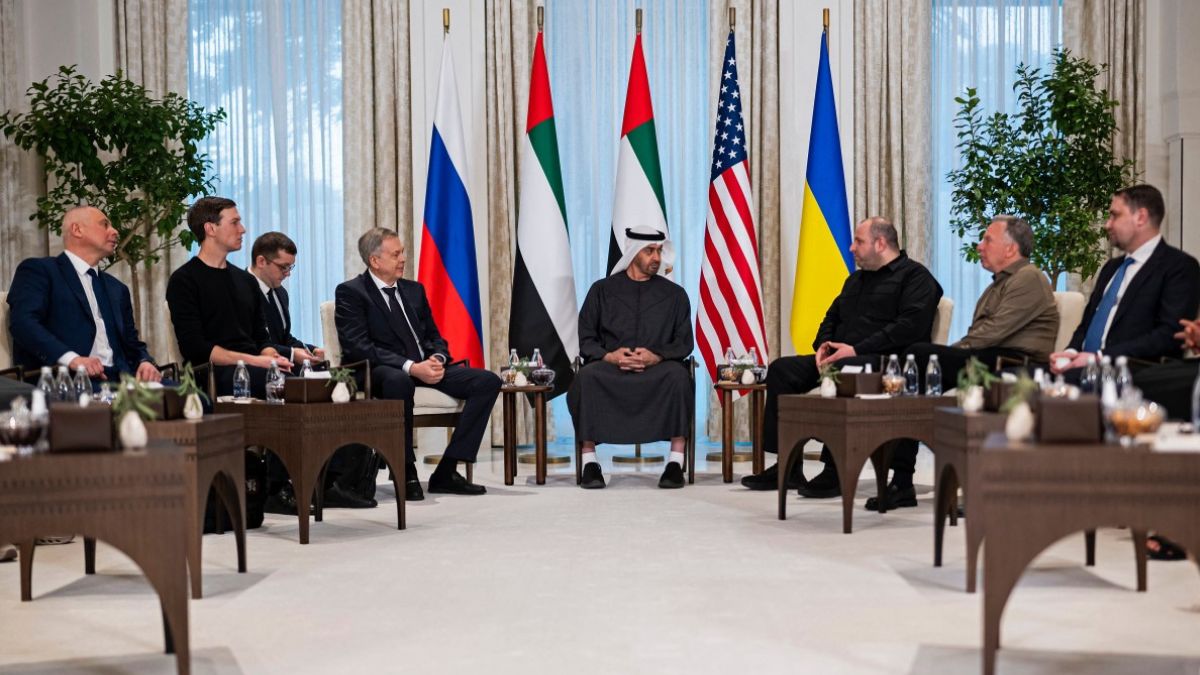 "Ukraine peace talks conclude in Abu Dhabi as Donbas issue remains unresolved")