

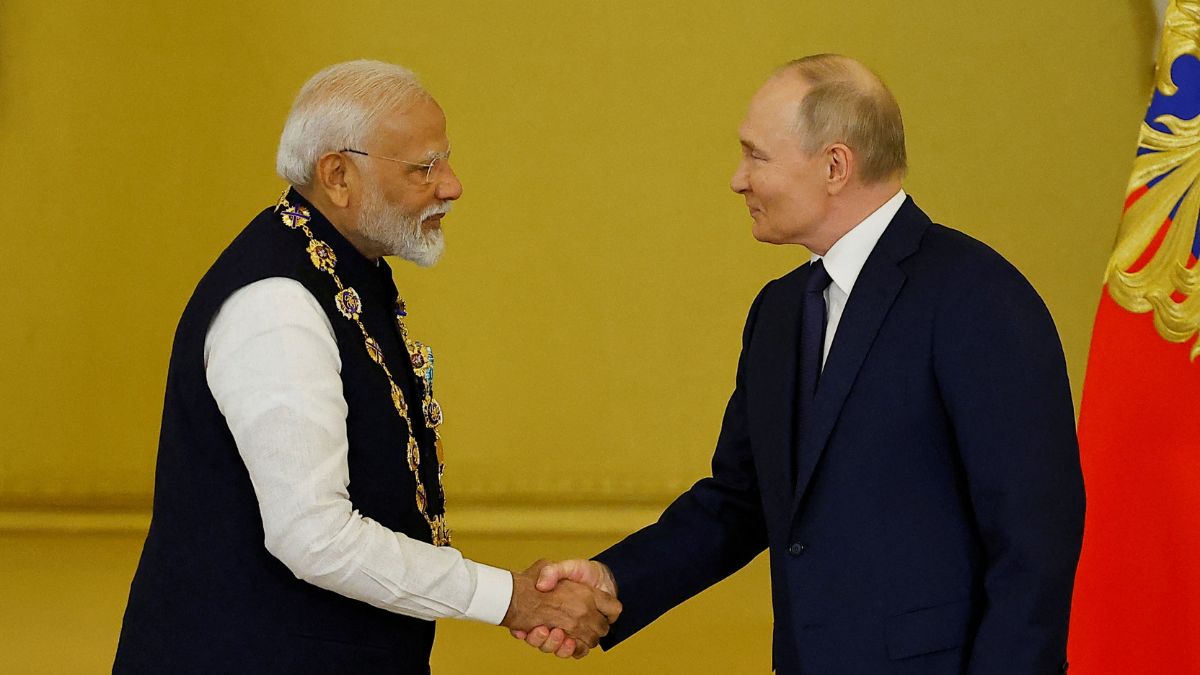
 "Putin in Delhi: How the India-Russia reset could reshape global geopolitics")
When Russian President Vladimir Putin arrives in New Delhi on December 4-5 for the 23rd India-Russia Annual Summit, it will be more than simply a routine diplomatic engagement. It will be his first visit in four years, and one that signals a deliberate attempt by both nations to restore the rhythm of a once institutionalised partnership that had gone uncharacteristically quiet since the war in Ukraine had begun.
The visit comes at a time when the world’s geopolitical compass is spinning fast and furiously, with the US tightening sanctions against Moscow, China trying to deepen its grip over Eurasia and India positioning itself as the swing state in an increasingly bipolar order. For both Prime Minister Narendra Modi and President Putin, the significance of the meeting may also be beyond trade figures or defence contracts. A message to the world, that despite turbulence, the old Moscow-Delhi axis still holds considerable value and weight.
After the war in Ukraine began in 2022, New Delhi found itself walking a diplomatic tightrope, which it did with much aplomb. India refused to condemn Moscow at the United Nations, yet maintained close dialogue with Washington and Europe. While the political optics were subdued, the economic partnership quietly continued to flourish.
Bilateral trade ballooned from $13 billion in FY 2021-22 to $68.7 billion in FY 2024-25, according to official data. Discounted Russian crude oil championed this boost, which now makes up for about one-third of India’s total oil import. The result was one of those rare win-wins. India gained cheaper energy and fiscal breathing room while Russia found a dependable buyer as Europe’s doors closed.
However, now that the US has imposed fresh sanctions on Russian giants like Rosneft and Lukoil, and Indian private refiners are anxious about “secondary sanctions”, the future of this oil bonanza might be uncertain. The New Delhi summit is expected to pivot this relationship beyond oil and towards new deals in defence, civil aviation, critical minerals and high-tech cooperation.
Quick Reads
View AllIndia’s military ecosystem does still lean heavily on Russian hardware. Nearly 60 per cent of India’s legacy platforms trace their origins to Russia. After a period of caution triggered by US sanction threats under CAATSA, India is quietly reopening defence cooperation.
Reports indicate discussions around co-developing the Pantsir air-defence system, the possible procurement of the Voronezh radar system, and additional batches of the S-400 Triumf system. Although delivery delays have pushed some timelines to 2026, the intent to keep Russia as a central node in India’s strategic defence supply system is absolutely clear. A decision behind which the logic is brutally pragmatic. A close friendship with Moscow ensures reliability in defence partnerships for New Delhi, even if it may occasionally annoy Washington.
The significance of this summit is not only limited to Russia and India. There is, of course, the Chinese shadow and the Eurasian balance. As Russia grows increasingly dependent on China, particularly when it comes to trade, tech and finance, Putin’s outreach to India may be read as strategic self-preservation. A China-centric foreign policy makes Russia vulnerable to China’s economic dominance and India offers Moscow an Asian counterweight. A partner that gives Russia leverage in balancing China’s influence within frameworks like BRICS, the Shanghai Cooperation Organisation and even the Eurasian Economic Union. For India, the equation is equally nuanced. A close friendship with Russia helps India avoid being boxed into a purely Western bloc. It also allows India to retain back-channel influence in Central Asia stretching to the Arctic. In today’s day and age, this is pure geopolitical currency.
When it comes to energy in the global South, even with sanctions tightening, Russian oil continues to flow because of buyers like India and China. This trade can be interpreted in ways other than transactional. It may also represent the global South’s quiet defiance of Western price diktats. For many developing economies watching from the sidelines, India’s balancing act is proof that it is indeed possible to protect national interests without succumbing to any bloc’s pressure.
The timing of Putin’s visit is also significant. Trump’s return to the White House has, of course, had the world raging over trade wars and what may sometimes be seen as coercive diplomacy. Washington has already floated the Sanctioning Russia Act 2025, which proposes punitive tariffs of up to 500 per cent on nations that are “knowingly” buying Russian energy or raw materials.
India, despite being courted as a key Indo-Pacific partner, now finds itself under a renewed “with us or against us” test. Again. India has responded with calibrated practicality, trimming US trade imbalances and increasing American energy imports while refusing to abandon Russian oil entirely. Putin’s visit may be read as more than just bilateral cooperation. A subtle assertion of India’s strategic autonomy in the face of US overreach. For Russia, of course, this trip is an opportunity to reaffirm its relevance outside the Western orbit. India remains one of the few major economies that still deals with Russia openly, giving Moscow not just economic oxygen but also geopolitical legitimacy.
For India, the visit highlights its foreign policy mantra of multi-alignment over non-alignment. As US-China rivalry intensifies, India’s balancing act between the US and Russia is not a contradiction but a carefully cultivated strategy to maximise national leverage. Also, Putin’s New Delhi visit is a signal to the global South that the world is no longer unipolar. Sanctions, tariffs and coercive diplomacy are losing their bite in an age where new power centres such as India, Brazil, the Gulf and ASEAN are asserting fresh agency.
In the end, this summit isn’t simply about memoranda or trade figures. It showcases India’s ability to talk to all sides. Hosting the Russian President one week to a US trade delegation the next. The India-Russia relationship today isn’t simply a replay of the Soviet-era script. It is leaner, less sentimental and far more transactional and also sturdier than most expected. In a world that is currently divided by sanctions and suspicion, this summit is worth watching.
(The author is a freelance journalist and features writer based out of Delhi. Her main areas of focus are politics, social issues, climate change and lifestyle-related topics. Views expressed in the above piece are personal and solely those of the author. They do not necessarily reflect Firstpost’s views.)


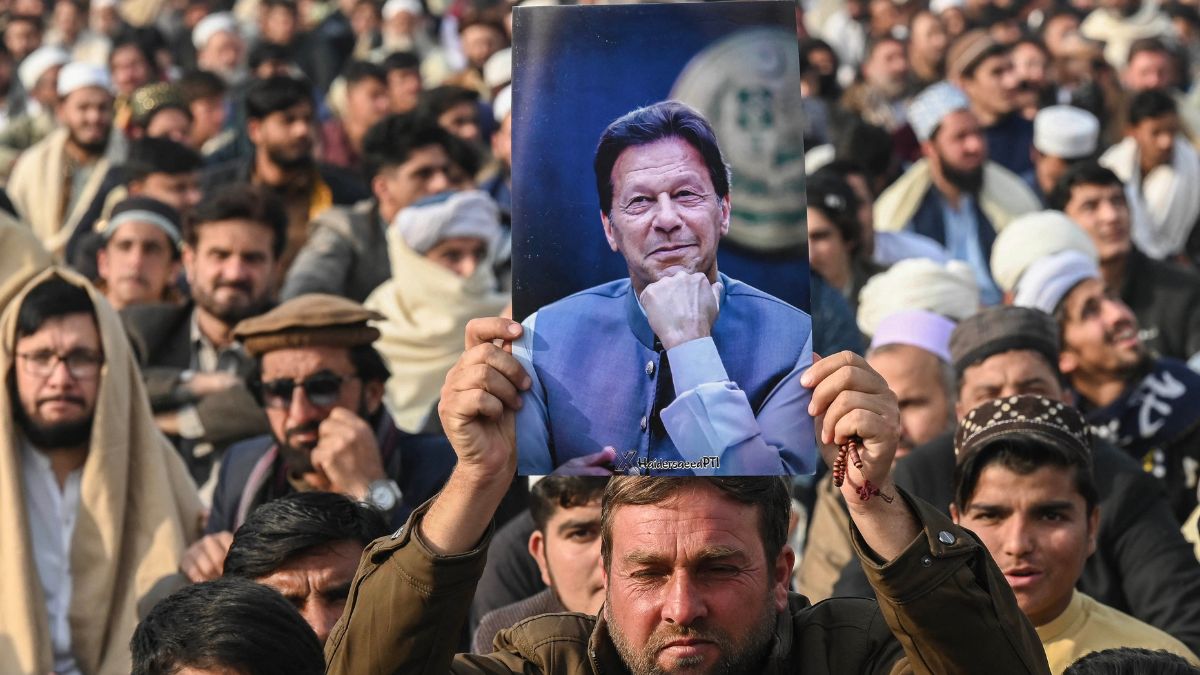 "‘He’s physically fit but mentally tortured’: Imran Khan’s sister after meeting him at Rawalpindi jail")
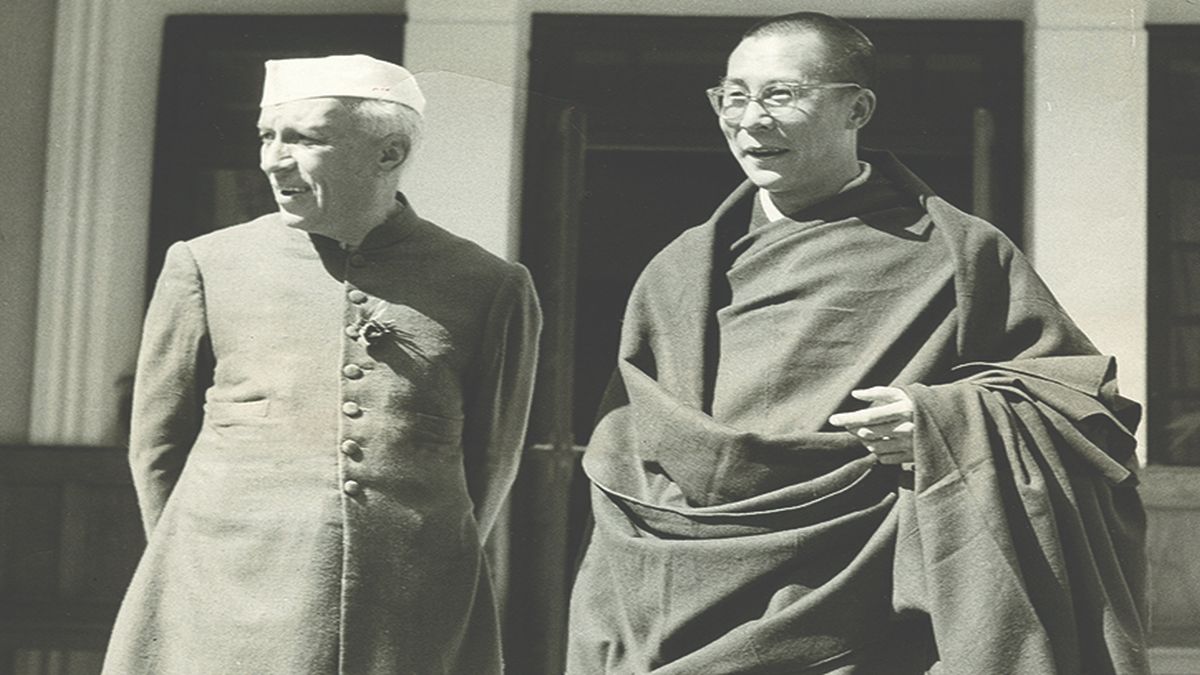 "Did the US trigger the 1962 India–China war?")
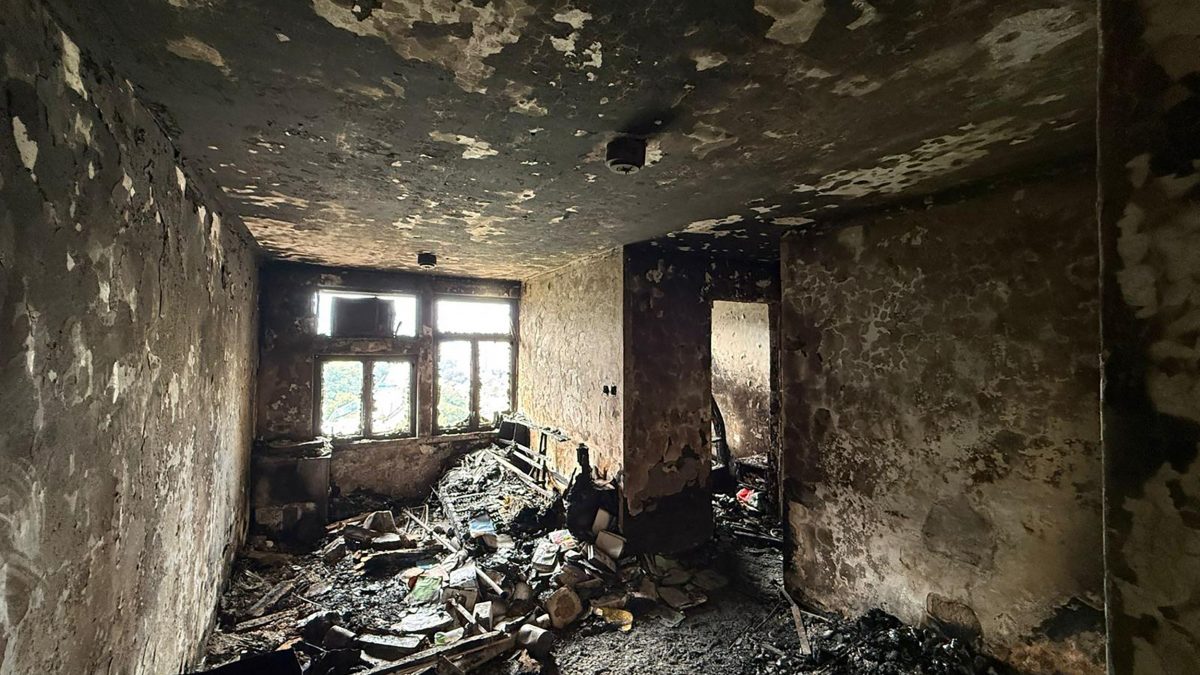 "Hong Kong: First images from inside the housing complex turned firetrap for 146 residents")
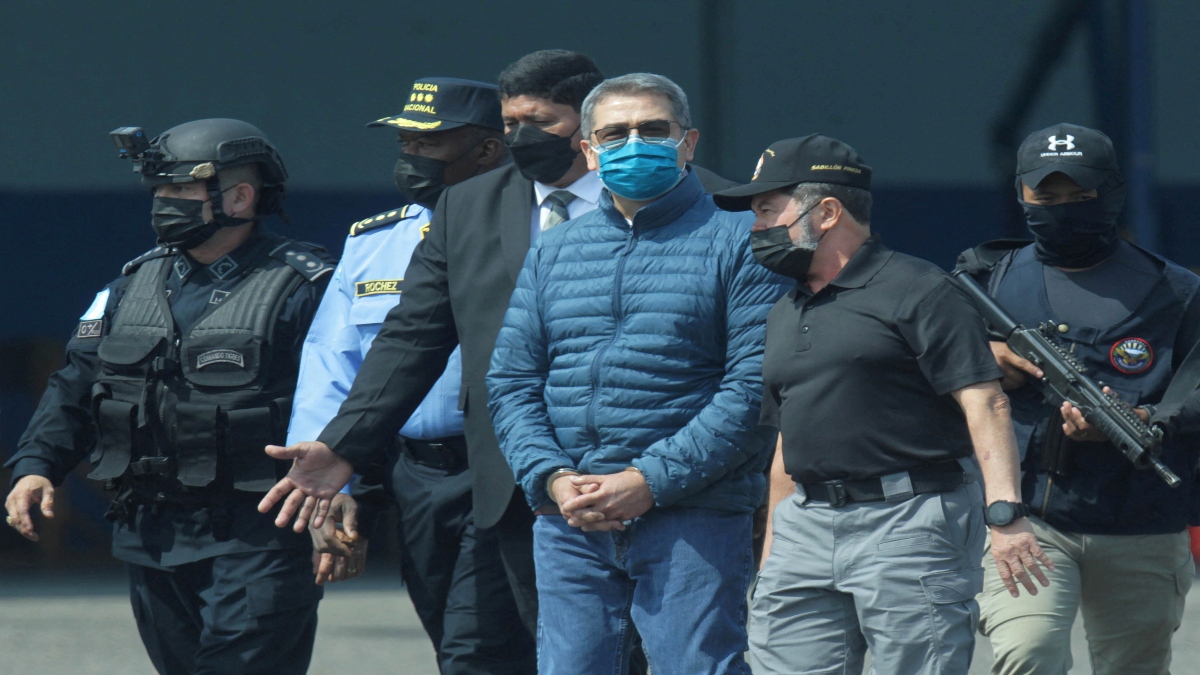 "EX-Honduran president released from US prison after Trump pardon, wife says he 'returns a free man'")
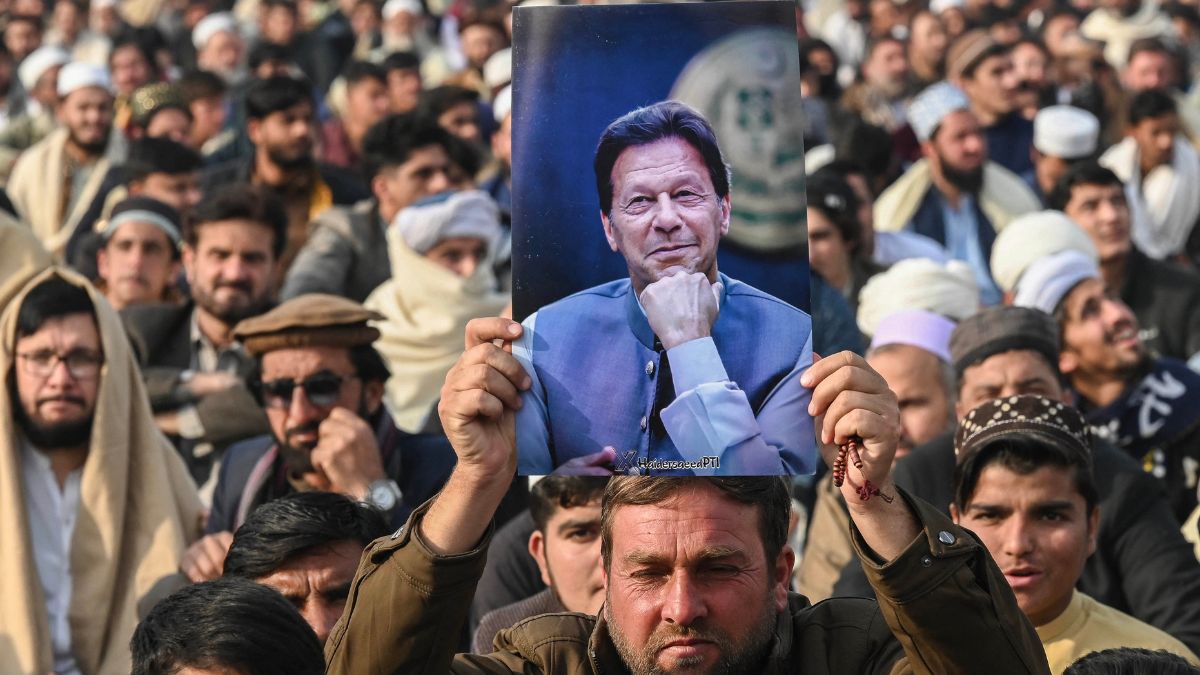 "‘He’s physically fit but mentally tortured’: Imran Khan’s sister after meeting him at Rawalpindi jail")
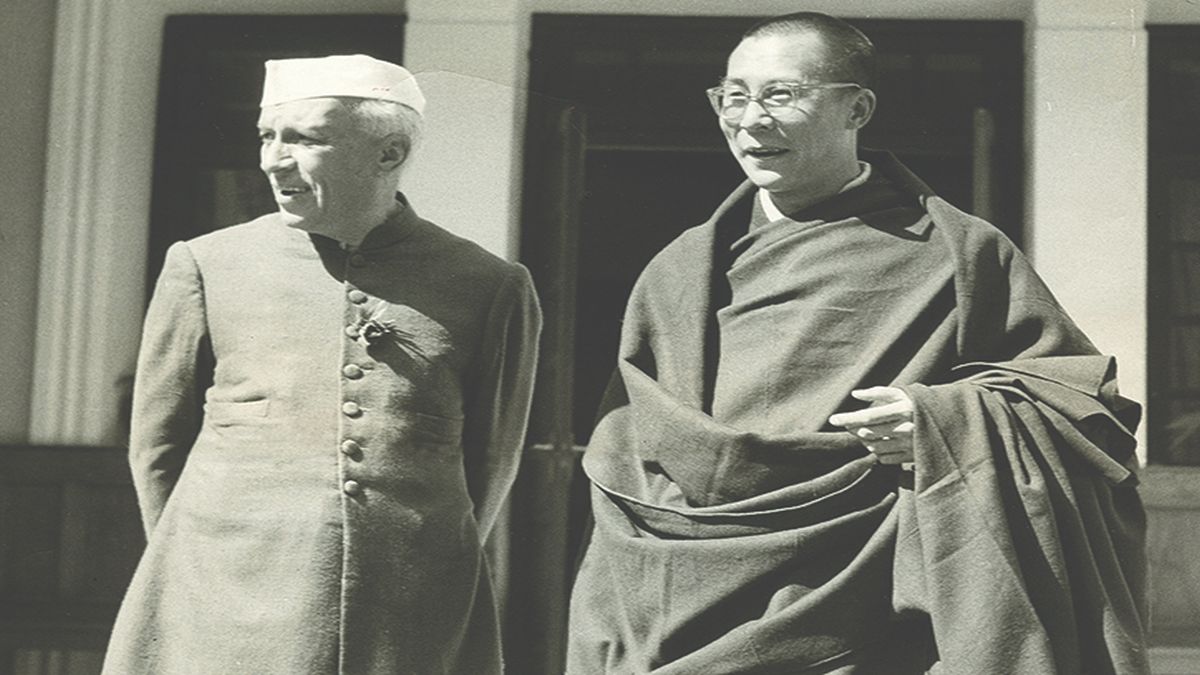 "Did the US trigger the 1962 India–China war?")
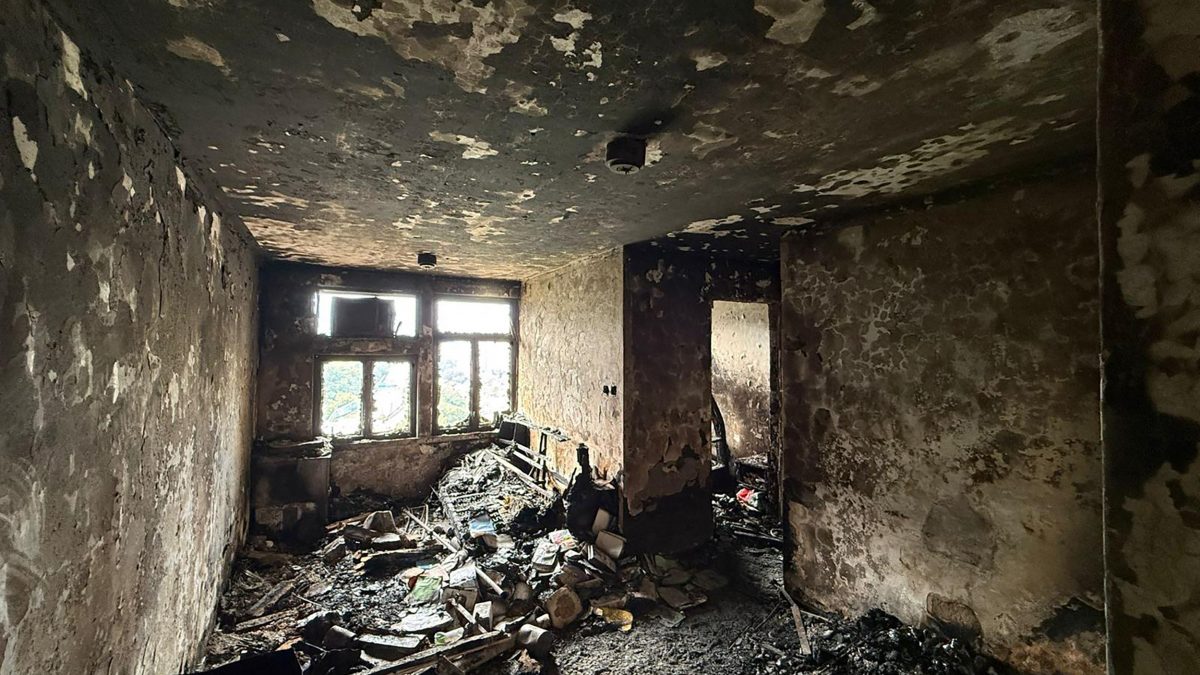 "Hong Kong: First images from inside the housing complex turned firetrap for 146 residents")
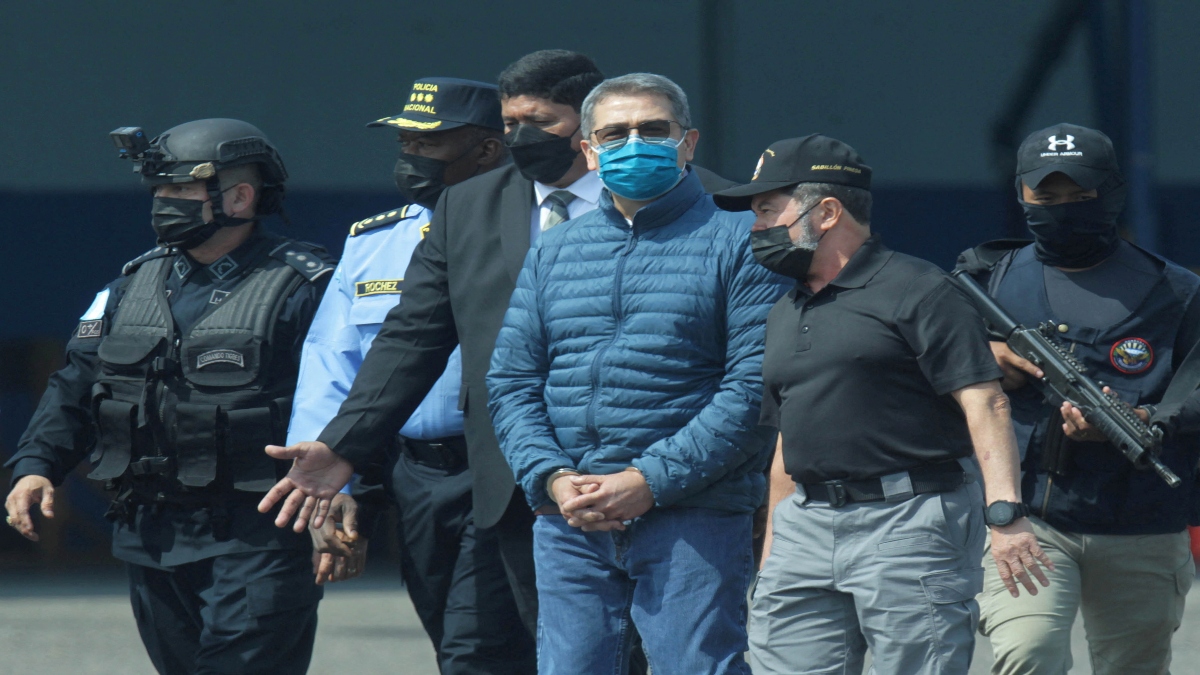 "EX-Honduran president released from US prison after Trump pardon, wife says he 'returns a free man'")



