

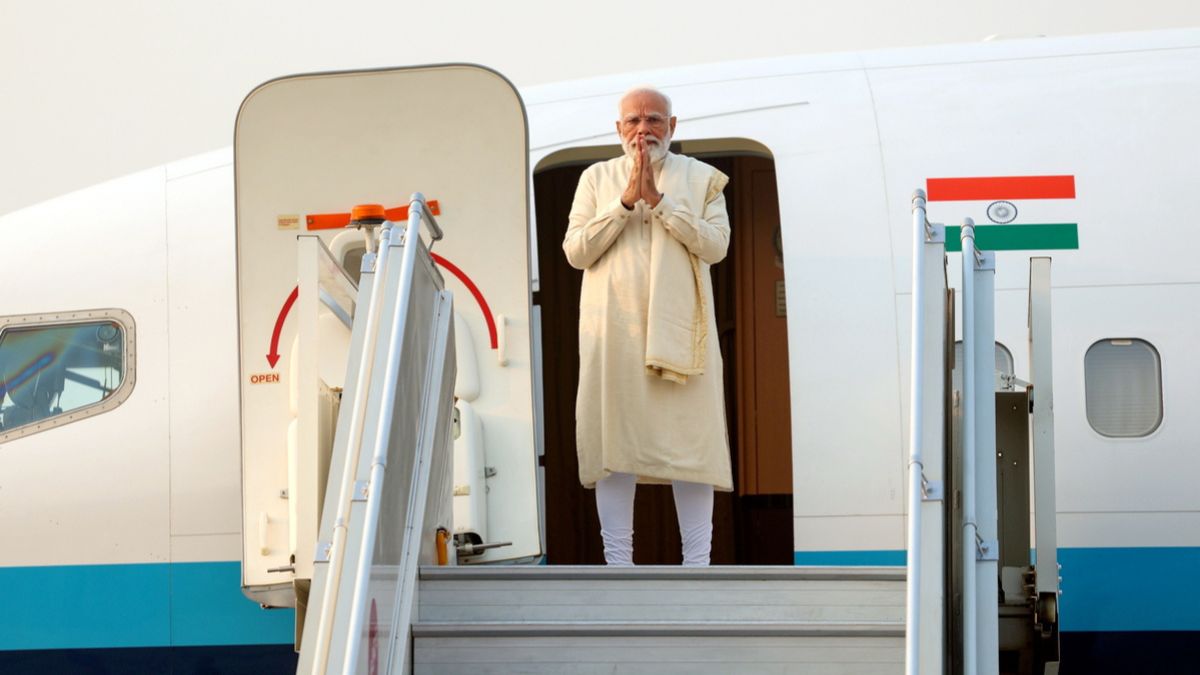
 "PM Modi in Oman: Why the visit matters in India’s West Asia calculus")
Prime Minister Narendra Modi’s two-day visit to Oman, commencing on 17 December 2025, marks a watershed moment in the history of bilateral relations between India and Oman. This is his second official trip to Oman after 2018. Given the volatile West Asia and emerging complex global dynamics in the era of Trump’s transactionalism, trade politics, and diplomatic unpredictability, much hope hinges on this crucial visit.
This visit is also notable as India completes 70 years of a crucial relationship with Oman. But the antiquity of Bharat’s most consistent and enduring civilisational connection with Oman is deep and profound. Geography, history, and culture bind India and Oman in a warm friendship. Although diplomatic relations between the countries began in 1955 and were upgraded to a strategic partnership in 2008, people-to-people contact through trade, culture, and knowledge has a history dating back at least 5,000 years. According to the Indian Embassy, Muscat, Oman, “Bilateral trade during FY 2023-2024 reached $8.947 billion and for FY 2024–25 reached $10.613 billion.” These statistics present the level of engagement between India and Oman.
Comprehensive Economic Partnership Agreement
The focus of this visit largely gravitates towards the Comprehensive Economic Partnership Agreement (CEPA). It will staggeringly revitalise bilateral trade between the two countries. The CEPA is expected to ease customs duties and counterproductive regulations on the export of Indian goods. It enables easier procurement, investment, trade, and export-import activities. Its scope is comprehensive. The key takeaways of this endeavour are ease of trade, service flexibility, and zero-duty market access. The India-Oman partnership, under the framework of CEPA, will transform the scope of engagement between the two countries.
Strategic partnership
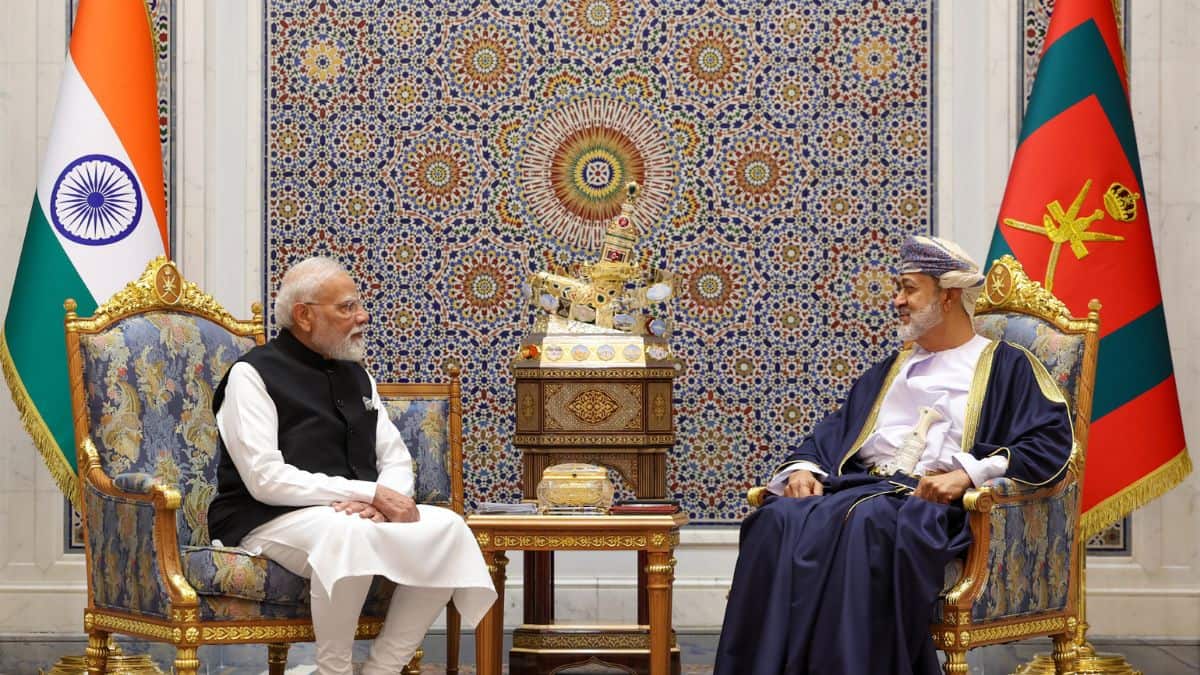
The much-anticipated meeting with Sultan Haitham bin Tarik will crystallise discussions on the Strategic Partnership. The geostrategic importance of Oman in the Gulf of Oman, combined with critical geopolitical developments in the region, draws attention to the need for strategic collaboration. In marine cooperation, the Port of Duqm is expected to attract strategic attention due to its role as a logistics hub for import-export activities.
In the domains of defence and space, both countries will collaborate through public-private ventures for the joint production of radar systems, drones, naval platforms, and the Tejas fighter to augment air dominance. Joint space collaboration is another important area of engagement. Meetings with business leaders for investment, business expansion, and commercial engagement will feature prominently in the catalogue of priorities. Food and energy security will be discussed to accelerate progress on the green hydrogen project, petrochemicals, and a robust supply chain of food products.
Quick Reads
View AllDiaspora as soft asset
The diaspora is a significant strength of India’s soft power. The success of India-Oman bilateralism hinges on the Indian diaspora, its entrepreneurship, and its commitment. According to the Government of Oman, “Oman hosts a sizeable Indian community totalling approximately 676,781 (Males: 515,917; Females: 160,864) as on 25 August 2025” (quoted by the Indian Embassy, Muscat, Oman). According to the National Centre for Statistics and Information (NCSI), “519,609 Indian nationals hold work visas” (quoted by the Indian Embassy, Muscat, Oman).
Indians work in Oman in various capacities, including doctors, engineers, chartered accountants, teachers, professors, nurses, managers, and blue-collar workers. There are approximately 22 Indian schools catering to the educational needs of children of Indian expatriates. The Government of Oman has acknowledged the contributions of the Indian expatriate community to Oman’s journey towards prosperity. The Government of India recognises the contributions of the Indian diaspora in building robust bilateralism through the Pravasi Bharatiya Samman Awards.
New areas of engagement
Apart from conventional agreements on oil and gas, the focus will shift towards cutting-edge technology, renewable energy, and sustainable strategic partnerships. Beyond hydrocarbons, areas such as green hydrogen, green ammonia, and green steel are emerging priorities. Delivering on their green commitments, both countries are collaborating in areas of green energy to decouple from fossil-reliant energy sources.
In this context, the marriage between Indian technical expertise and Omani natural resources is an effective initiative. In the area of education, IITs and IIMs are expected to open their offshore campuses in Oman soon. Healthcare, Yoga, Ayurveda, pharmaceuticals, automobiles, and pharmaceutical R&D have already made significant headway in Oman. The intensification of such initiatives is expected to occur in the aftermath of this visit.
Critical minerals are key to global energy transitions. They are crucial for automobiles, defence technology, and space research. Both countries collaborate on their mining, processing, and marketing. The processing of critical minerals is energy-intensive and expensive; collaboration is therefore essential. India and Oman have signed MoUs to share intelligence on matters related to terror financing and money laundering. The Double Taxation Avoidance Agreement (DTAA), which was signed in 1997, was updated on May 28, 2025. It brings clarity to tax-related ambiguities, avoids double taxation, and promotes investment.
Digital technology
The RuPay digital platform and Unified Payments Interface (UPI) were introduced in Oman in 2022. This is a game-changing initiative undertaken by India to accentuate the ease of doing business with Oman. It makes the remittance process easier without facing digital clutter and dependence on other strenuous platforms. UPI and RuPay have revolutionised payment-related connectivity and expansiveness. These digital platforms have minimised frictions in remittances, tourism, and business.
Connectivity paradigm
Oman’s stake in the India-Middle East-Europe Economic Corridor (IMEC) is crucial to this ambitious connectivity initiative, which connects India with Europe and carves out an alternative trade and supply route to reduce singular reliance on the Suez Canal. Oman’s Port of Duqm will ensure an uninterrupted supply of logistics from India to West Asia, Africa, and Europe. It will integrate Indian firms with broader areas of trade activity and engagement.
Future
Today, the global order is in a state of disarray. Trumpian geopolitics is uncertain, ambiguous, and counterproductive. The US and China are vying for global dominance, and this competition undergirds the collision of the unilateral world order. This collision also indicates the possible emergence of a new order, likely to be multipolar, with multiple powers holding stakes. In such a pressing scenario, India’s role will be vital. India’s demography and diaspora will play a significant role in shaping the world order.
In this context, rebuilding ties with Oman, a long-standing partner, will mark the emergence of the Global South in assuming a new role. The India-Oman collaboration in trade, security, defence, critical minerals, cutting-edge technology, green energy and space research will pave the way for the resurgence of the Global South from colonially imposed stagnation.
(Dr. Jajati K. Pattnaik is a Professor at the Centre for West Asian Studies, School of International Studies, Jawaharlal Nehru University, New Delhi. Dr. Chandan K. Panda is an Assistant Professor at Rajiv Gandhi University (a Central University), Itanagar. Views expressed are personal and solely those of the authors. They do not necessarily reflect Firstpost’s views.)

 "Bangladesh Protests Live: Police, army on street as post-Hadi violence targets Indian missions, Awami offices")
 "Who was Claudio Valente, Brown University shooting suspect who also killed MIT professor?")
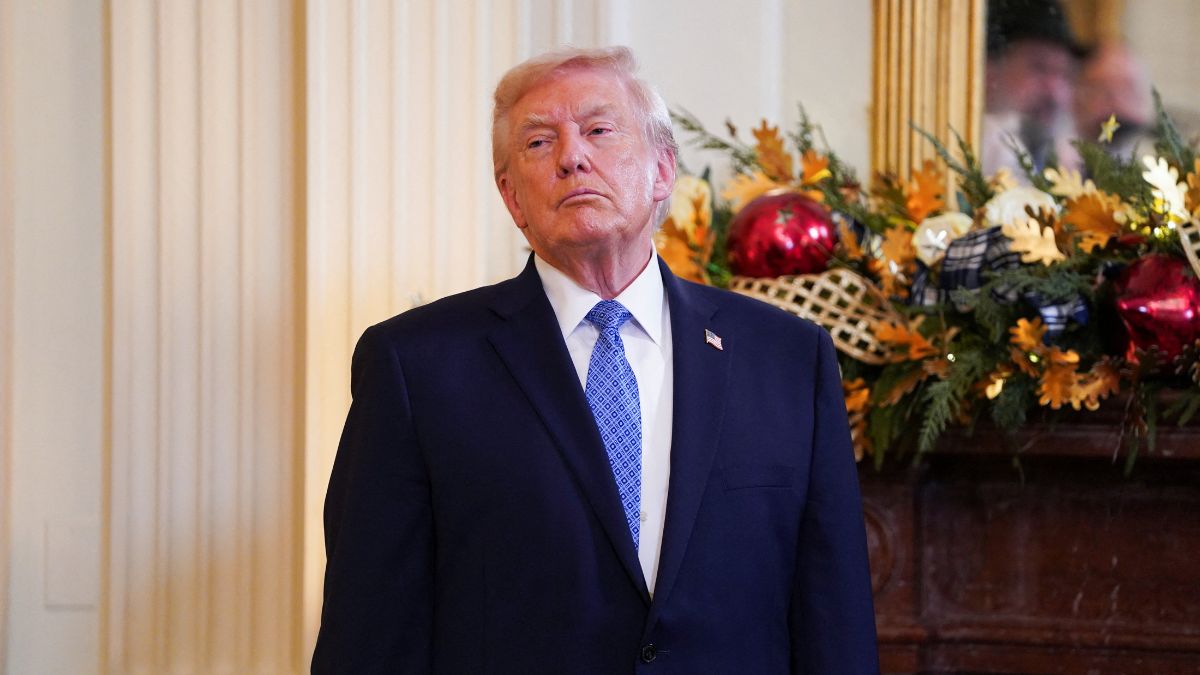 "Ukraine to US midterms: Will 2026 seal Trump's place in history?")
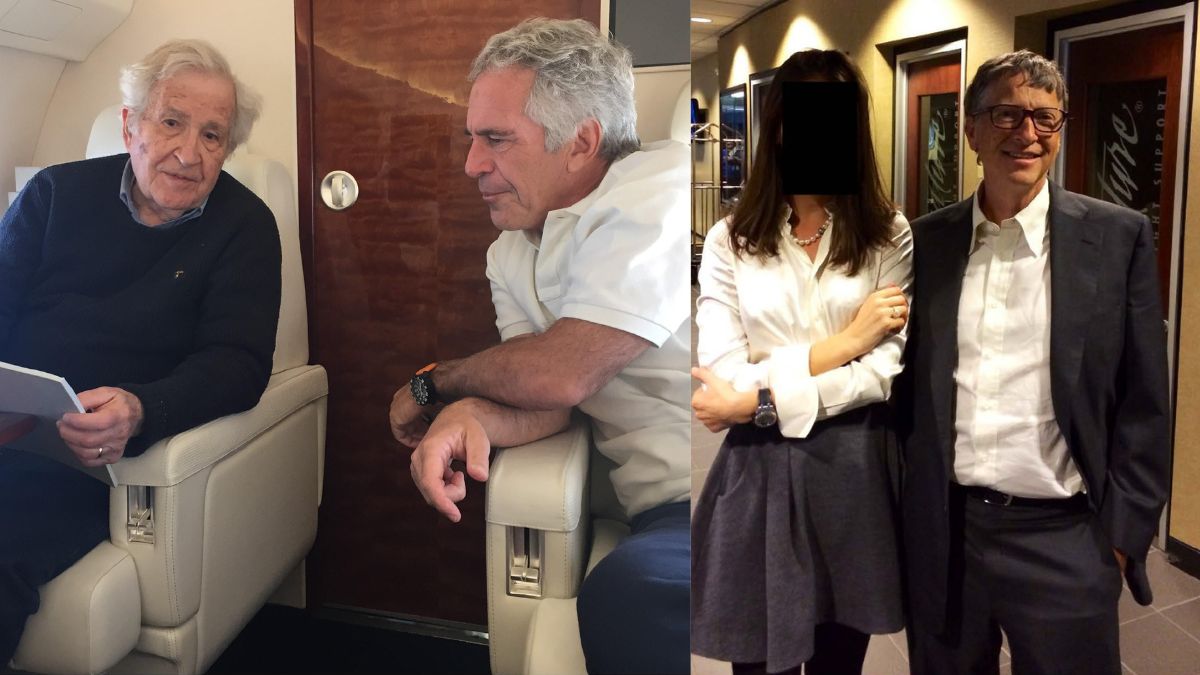 "Bill Gates, quotes from ‘Lolita’ on woman’s body: What newly released Epstein photos reveal")
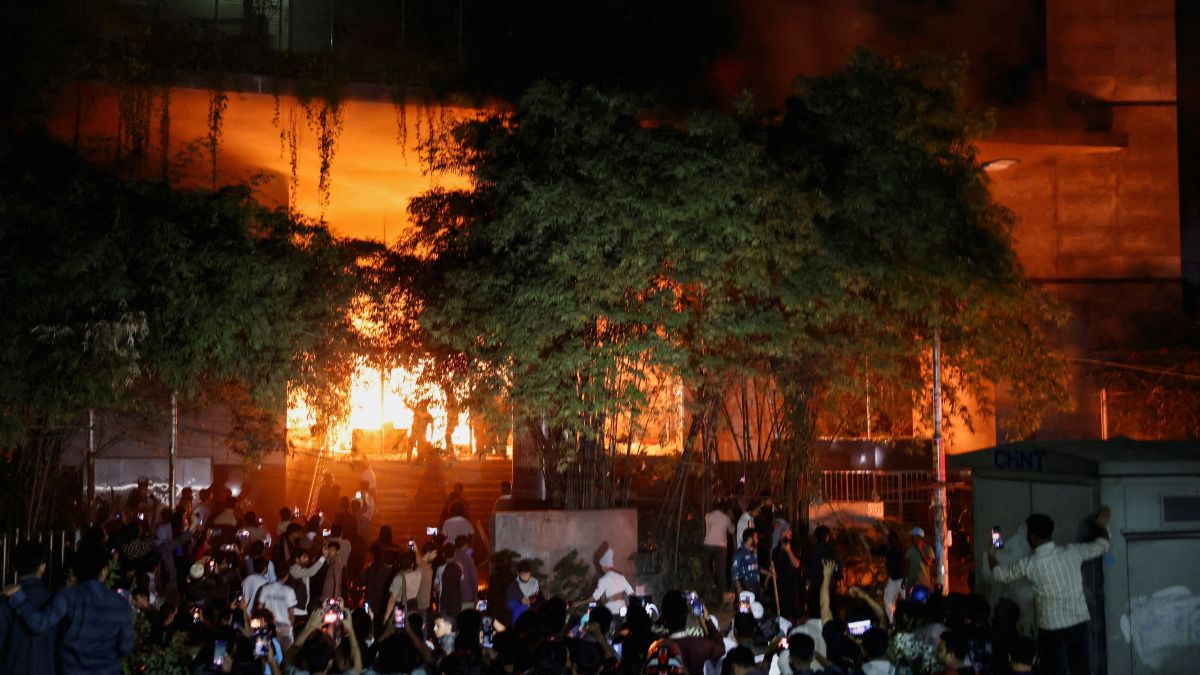 "Bangladesh Protests Live: Police, army on street as post-Hadi violence targets Indian missions, Awami offices")
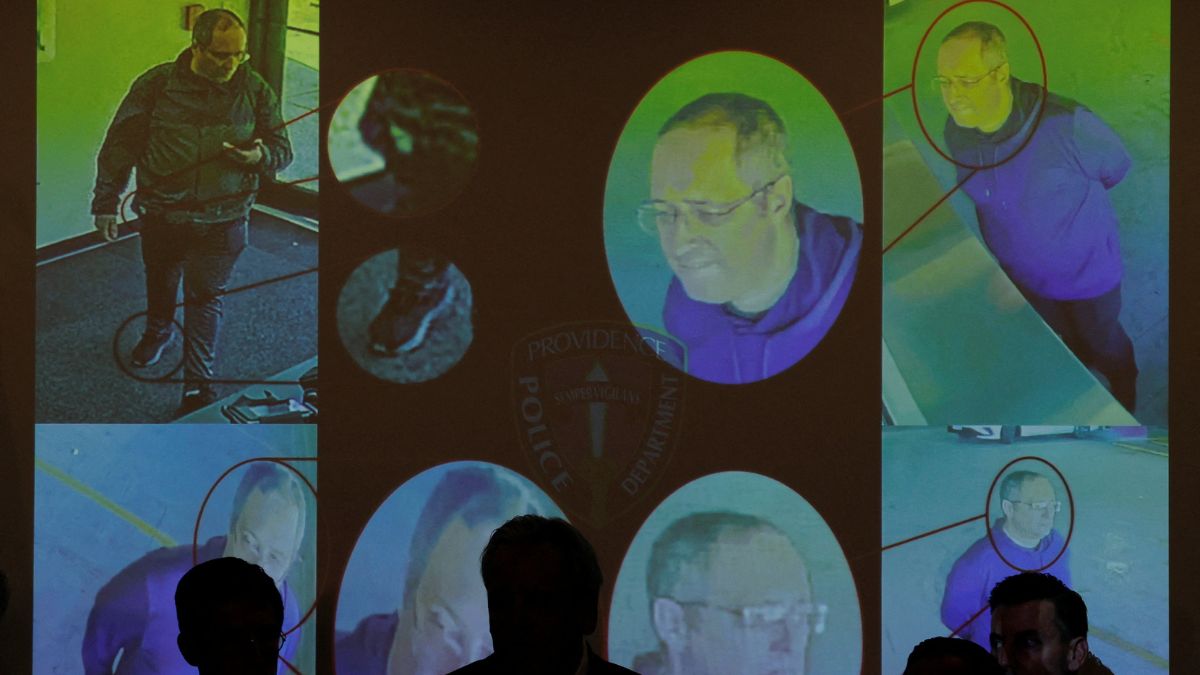 "Who was Claudio Valente, Brown University shooting suspect who also killed MIT professor?")
 "Ukraine to US midterms: Will 2026 seal Trump's place in history?")
 "Bill Gates, quotes from ‘Lolita’ on woman’s body: What newly released Epstein photos reveal")



