 "Navigating RIC and SCO: Why India must have clarity of purpose")
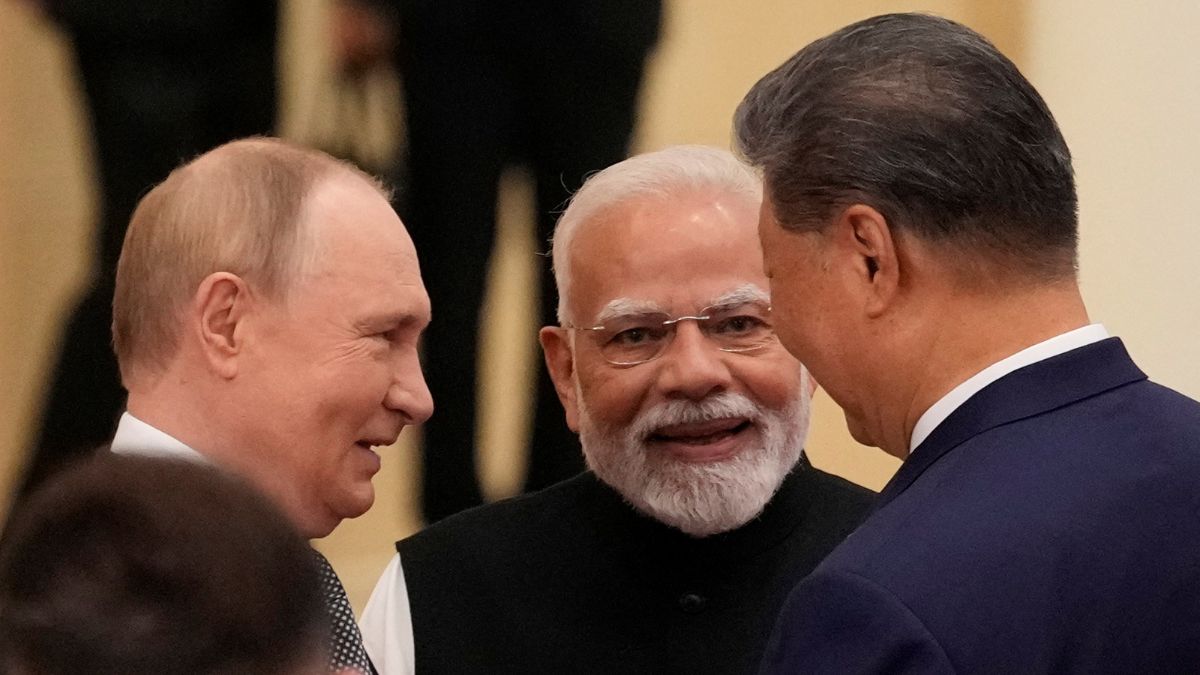
As Prime Minister Narendra Modi attended the largest Shanghai Cooperation Organisation (SCO) summit yet in Tianjin, a gathering of world leaders including Presidents Xi Jinping and Vladimir Putin, the world watched India’s deft balancing act.
The meeting saw a churn in the geopolitical canvas, taking shape, sending strategic messaging of India’s strategic autonomy. It was a test of posture: how to remain engaged in Eurasia’s politics without being consumed by them, how to signal strength without being cornered, and how to extract value from a forum that is increasingly contested.
Talk of reviving the old Russia–India–China (RIC) framework surfaced yet again at the summit. In 2025, Russia champions its revival, buoyed by the promise of Eurasian clout: together, RIC’s GDP (PPP) stands at nearly $54 trillion, with $5 trillion in exports and 38 per cent of humanity under its demographic umbrella.
Moscow, increasingly isolated by the West, finds it convenient to pitch RIC as an alternative platform where it can remain relevant. Beijing, too, likes the idea of a trilateral that can project an anti-Western optic, especially when its own global image is under stress.
But nostalgia does not substitute strategy. The RIC experiment faltered in the past for reasons that haven’t gone away: mismatched power equations, conflicting ambitions, and India’s unresolved boundary dispute with China. To believe that RIC can become a strategic triangle in the present climate is more diplomatic theatre than political reality.
Yet dismissing these gatherings outright would be a mistake. The SCO, despite its contradictions, is an instrument India can wield. Its agenda, emerging as counterterrorism, connectivity, energy, economics and digital linkages, aligns with several Indian priorities. The organisation gives India a stage to insert itself into Central Asia, a region often spoken about in Delhi but rarely engaged with beyond rhetoric. It also provides a platform to engage both Russia and China simultaneously, on India’s own terms, without succumbing to binaries dictated by Washington or Brussels.
Quick Reads
View AllBut let’s not pretend the SCO is friction-free. Pakistan’s membership means Islamabad has a seat at the table, which Beijing often leverages to needle India. China also leverages the SCO to spread its Belt and Road agenda, most of which India has opposed on the basis of sovereignty. The crises in the SCO are institutional, a combination of divergent ambitions, unequal power and discrepant security perceptions. In the case of India, the art is in terms of turning the contradictions into opportunities.
That begins with presence. India’s Central Asia policy has been heavy on speeches and memoranda but light on hard outcomes. India needs to present credible capital, technology and infrastructure projects in case the SCO is to count. Energy collaboration, pipeline connections, railroad routes, and digital connectivity should not be a discussion at the summit but should be signed into contracts. Only then does the membership mean more than optics.
The second step is to convert multilateralism into a multi-engagement advantage. India does not rely on the entire SCO bloc to move forward. Instead, it can build issue-specific coalitions within the grouping: targeted counterterrorism frameworks, connectivity pilots with Central Asian states, energy swaps, or digital finance collaborations. Multi-engagement nested within multilaterals often delivers more than grand declarations that go nowhere.
The third is deterrence blended with diplomacy. For all the talk of cooperation, Eurasia is a competitive theatre. India cannot afford to be a passive partner. Its diplomatic engagement must be backed by credible defence preparedness and logistics capacity to secure its interests in the extended neighbourhood. Presence without power invites pressure. A smart mix of deterrence and dialogue allows India to remain relevant without overextending.
The broader context here is the churn in world order itself. We are not moving from American unipolarity to neat multipolarity. We are sliding into a fractured mosaic of overlapping blocs, multi-engagements and ad hoc coalitions. Some align on trade, others on defence, and still others on digital or energy issues. The future global system will not look like a clean chessboard but like a messy web. For India, this is both a challenge and an opportunity.
Strategic autonomy in this age cannot be the old-style non-alignment of standing apart. Nor can it be the illusion of perfect equidistance. Strategic autonomy now means active positioning and engaging where it serves interest, hedging where risk is high, and investing in resilience that allows India to resist coercion. In forums like the SCO, this means trading where it reduces vulnerability, investing where it builds capacity, and cooperating where it secures gains without political compromise.
It is also the ability to take a savagely honest view of China. The SCO stage can put Delhi and Beijing on the same roof, yet not erase Doklam, Galwan, Chinese help to Pakistan during Operation Sindoor or the infrastructure development on this side of the Line of Actual Control (LAC). Participation in SCO cannot imply unfreezing of hard security facts. In any case, it gives prominence to the need to balance hardening the border and regional deterrence with astute diplomacy.
Russia, meanwhile, remains a partner India cannot ignore. Moscow’s dependence on Beijing has grown, but it still looks at Delhi as a trusted interlocutor that does not parrot Western lines. This gives India leverage, particularly in defence and energy. But India must balance its Russia policy carefully, ensuring that short-term bargains don’t compromise long-term options. Energy corridors, defence production partnerships, and space cooperation with Russia must be balanced against diversification with Western and indigenous sources.
At home, the SCO moment should serve as a policy nudge. To be taken seriously in Eurasia, India must fix its own economic and industrial limitations. It must accelerate reforms that make it a competitive partner for Central Asia, build scalable defence-industrial capacity, and create financial instruments that allow it to fund infrastructure abroad. Too often, India arrives at the table with ideas but no chequebook. China arrives with both. If India wants to tilt the balance, it needs not only diplomatic capital but financial muscle.
In prospect, the SCO and the RIC concept are not so much a question of euphoria, but a question of direction. The world has entered a global churn: the West is much more divided, China is aggressive but fragile in the economy, and Russia is hunted but still dangerous; the middle powers of the world, from Turkey to Brazil, are carving their own way. India is at the centre of this flux. Its task is not to declare allegiance but to build leverage. Every forum, be it SCO, Brics, G20, or the Quad, is a tool, not a destiny.
The SCO summit in Tianjin showed both the limits and the possibilities of Eurasian multilateralism. For India, the way forward is clear. Use the SCO as a bridge to Central Asia. Exploit the Russia connection without becoming hostage to it. Engage China but never on Beijing’s terms. Build multi-engagements inside multilaterals. And above all, treat diplomacy as an extension of domestic capacity-building.
The future will not be kind to those who mistake nostalgia for strategy. RIC may return as a headline, but it will hardly return as a coherent bloc. India’s future lies in something sharper, a strategic posture that turns churn into opportunity, forums into instruments, and multipolar chaos into national advantage. That is how a rising India must navigate the world on the move: with eyes open, tools in hand, and clarity of purpose.
The author is former Director General, Mechanised Forces. Views expressed in the above piece are personal and solely those of the author. They do not necessarily reflect Firstpost’s views.

 "Pentagon no longer views China as top threat, offers 'more limited' support to US allies")
 "'Governor Carney sorely mistaken': Trump threatens 100% tariff on Canada over its potential China trade deal")
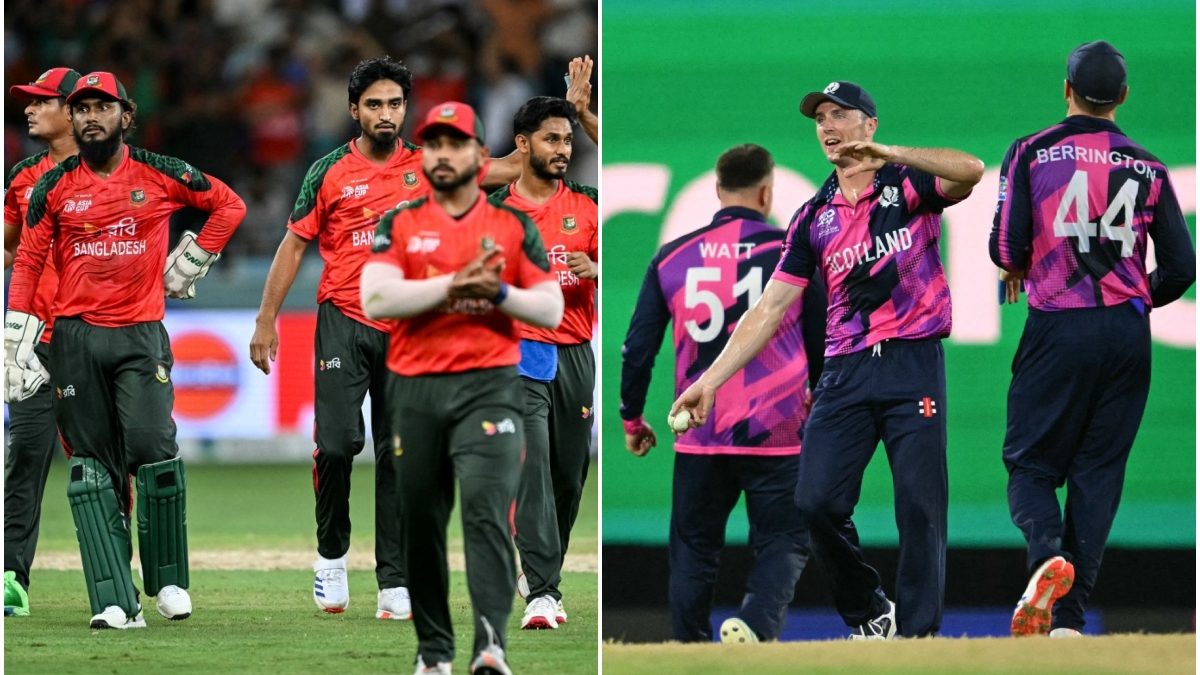 "Bangladesh out of 2026 T20 World Cup, announces ICC; Scotland named replacement team")
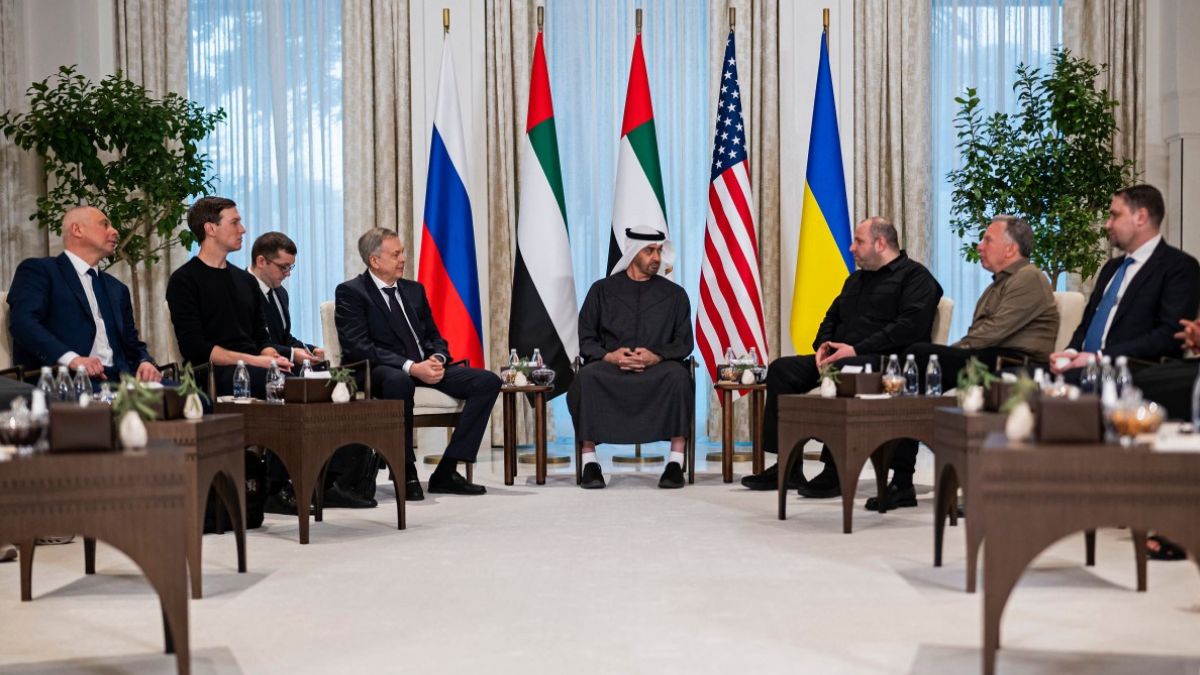 "Ukraine peace talks conclude in Abu Dhabi as Donbas issue remains unresolved")
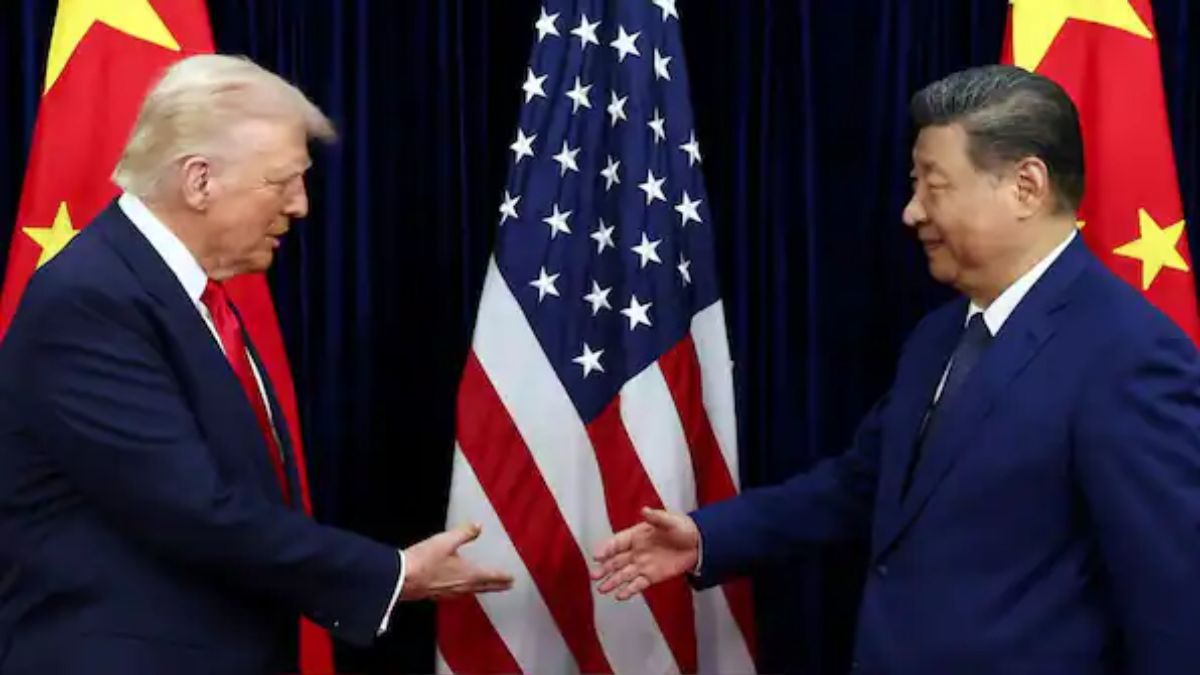 "Pentagon no longer views China as top threat, offers 'more limited' support to US allies")
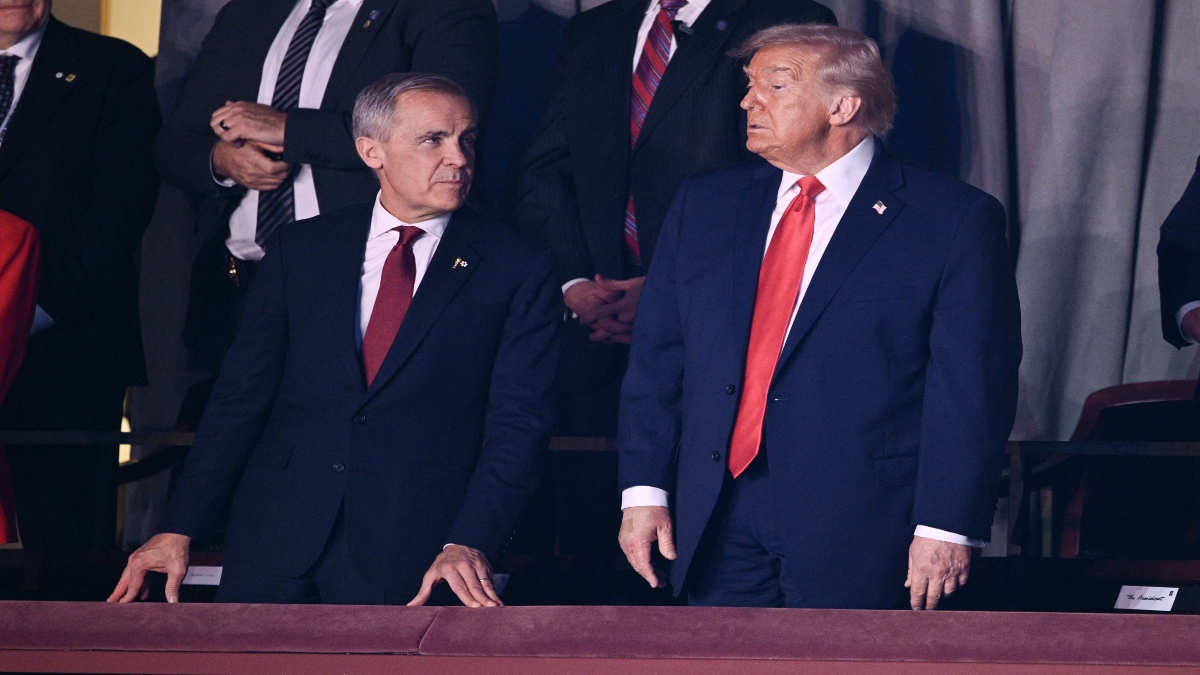 "'Governor Carney sorely mistaken': Trump threatens 100% tariff on Canada over its potential China trade deal")
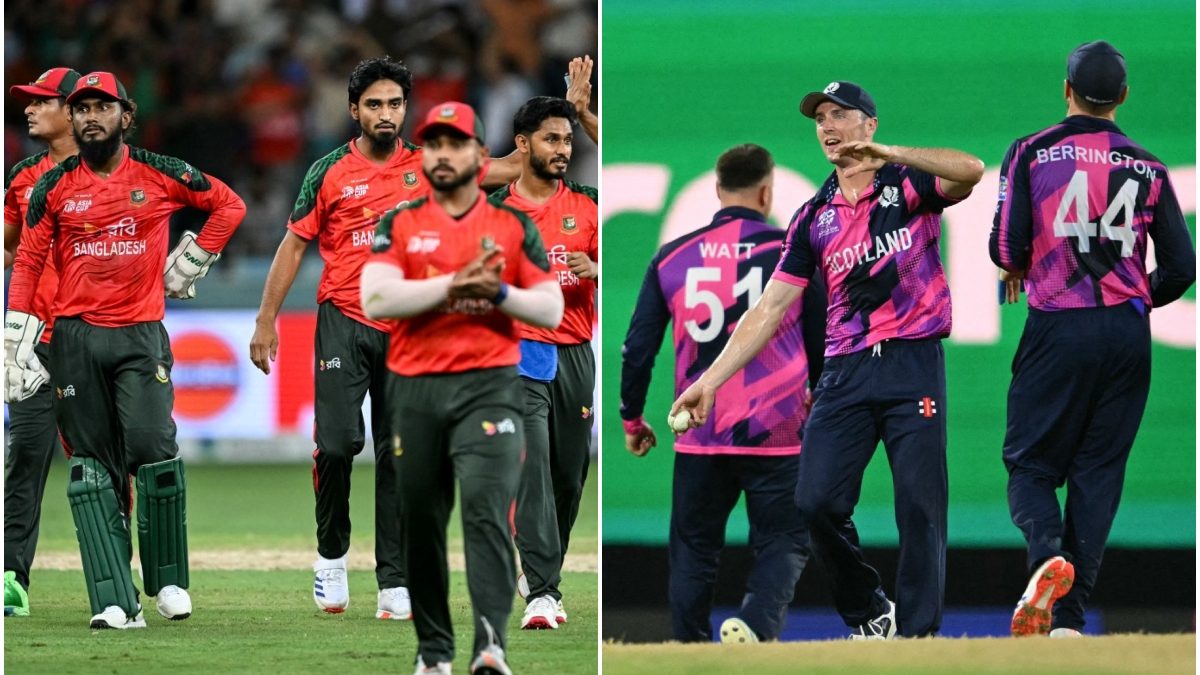 "Bangladesh out of 2026 T20 World Cup, announces ICC; Scotland named replacement team")
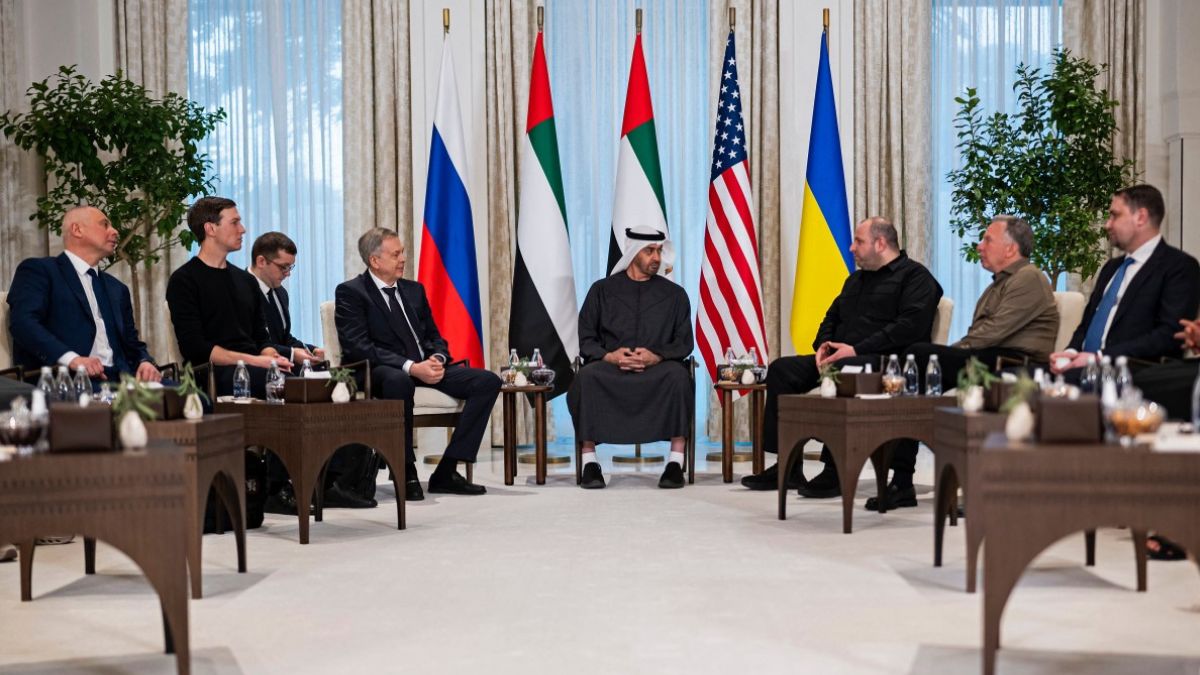 "Ukraine peace talks conclude in Abu Dhabi as Donbas issue remains unresolved")