

 "Macron’s attempts to woo Xi and Chinese ‘long game’")
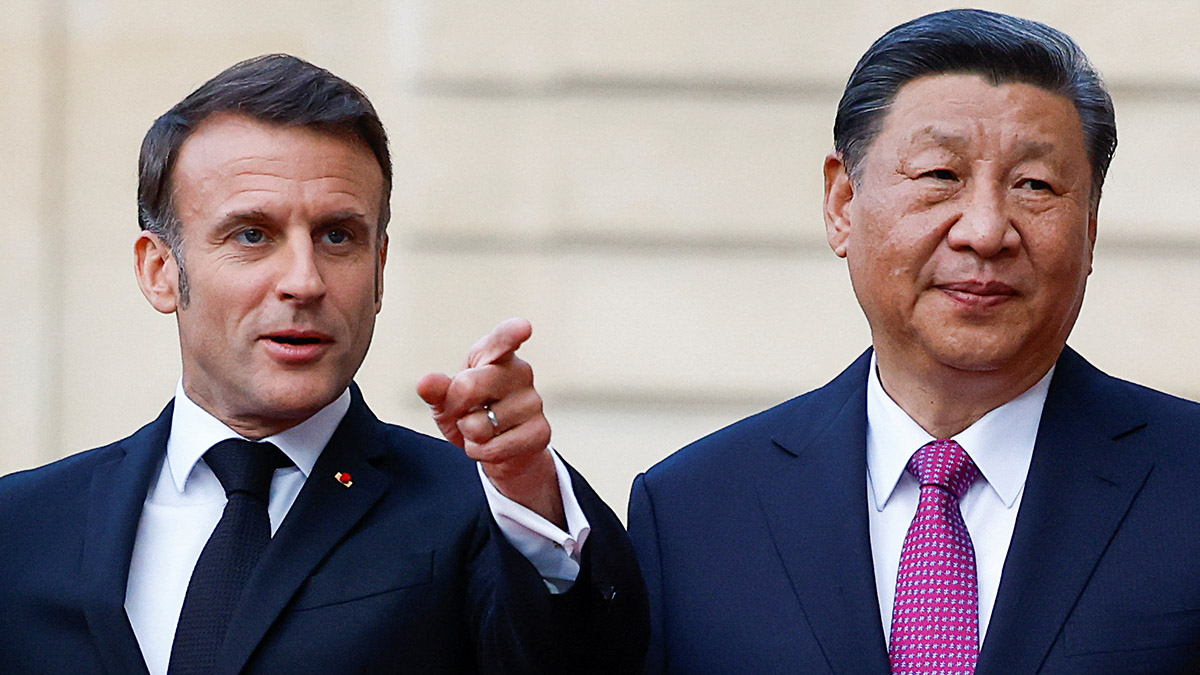
Emmanuel Macron, along with his wife Brigitte Macron, hosted Chinese President Xi Jinping and his wife Peng Liyuan at the Pyrenees mountains, a place where the French President made regular trips to see his grandmother as a child, on Tuesday. A day before this, on Monday, the wife of the Chinese President, on invitation, visited the Orsay Museum with the first lady of France in Paris.
The two-day visit of the Chinese President to France was a part of Xi’s Europe tour, which includes Serbia and Hungary as well, two countries that have maintained close ties with Russia despite the Ukraine war. Xi’s Europe tour will conclude on Friday.
Xi’s France visit saw the rolling of the red carpet for the Chinese President as he attended the state dinner organised for him by Macron at the Elysee Palace, as the General Secretary of the Chinese Communist Party started his first trip to Europe in five years.
The streets of Paris, which were the Eden of modern liberal views—remember the French Revolution—were donned with Chinese and French flags, welcoming an ‘autocrat’ ruling a regime no less ‘Robespierrian’. Yet protesters wearing Tibetan flags on their shoulders took part in a demonstration in support of members of the Tibetan and Uighur communities, whose rights the West claims to vehemently advocate.
The visit marked 60 years of diplomatic relations between Paris and Beijing, as France was the first Western country to formally recognise the People’s Republic of China on January 27, 1964.
Impact Shorts
More ShortsTo understand the reasons behind this hospitality, Macron’s recent interview to the Economist can be referred to, in which the French President called the war in Ukraine an existential threat to Europe. Otherwise as well, the President has been considered among the most ‘hawkish’ leaders when it comes to the security of the continent.
Macron has been advocating a more ‘independent’ security policy for Europe moving out of the cross-Atlantic approach and favours being less reliant on Washington, or US-led NATO in terms of ensuring Europe’s security.
“If Russia wins in Ukraine there will be no security in Europe… Who can pretend that Russia will stop there?” asked the French President.
Shadow of the Dragon
The Elysee Palace said last week, “Exchanges will focus on international crises, first and foremost the war in Ukraine and the situation in the Middle East.” The statement came ahead of Xi’s visit, clearly showing France wanting to engage Beijing in the two most prominent global crises of the world that particularly involve the security of Europe, because if a war in Ukraine is an ‘existential threat’ to the continent, the war in the Middle East directly influences radical Islamic sentiments, something Europe, including France, is heavily suffering.
Beijing has professed neutrality in the Russia-Ukraine war, though it claims to have a ‘no-limits partnership’ with Moscow. Also, China has amicable ties with Iran and was a factor behind once much acclaimed Saudi-Iran rapprochement. Undoubtedly, the Middle Kingdom has its own cards to play.
“We must continue to engage China, which is objectively the international player with the greatest leverage to change Moscow’s mind,” an unnamed French diplomat had told Le Monde.
With Russian President Vladimir Putin due to visit China this month, Macron must have tried to persuade Xi to ask Russia to engage in Switzerland talks to be held next month, to discuss Ukrainian President Volodymyr Zelensky’s ‘10-point plan’, which was forwarded by Zelensky at the end of 2022 but was rejected by Moscow. Reports say some 160 delegations have already been invited.
The ‘Systematic Rivalry’
Since March 2019, the European Union has referred to China as a “systemic rival”, and France is the most important member of the bloc—the EU’s only remaining ‘permanent-5’ member of the UN security council. The 27 members of the supranational political and economic union are divided on their attitude towards China, particularly France and Germany, which stress the need to engage with the rising Asian giant.
Europe has been wary of China’s business practices; for example, last year, the EU opened a probe into China’s subsidies for electric vehicle makers, which is the “highest-profile case against China since the EU probe into Chinese solar panels a decade ago”. Also, virtue signalling is a divine right the West claims to possess, and hence they have been giving lectures to China over the issues of human rights, only to fall into deaf ears.
However, Macron’s being a voter of ‘strategic autonomy’ may be leading Xi to smell an opportunity here. On his arrival, Xi said that ties between China and France were “a model for the international community of peaceful coexistence and win-win cooperation between countries with different social systems”. “It is in our interest to get China to weigh in on the stability of the international order,” said Macron. “We must, therefore, work with China to build peace,” added the French President.
The AUKUS agreement in September 2021 between the US, the UK, and Australia has not gone well with France. Though France stands with the US against the Russian invasion of Ukraine, this scar has yet to perish. After all, out of this fallout, the French ambassador was recalled, making this move the first of its kind in the history of US-France relations.
The Furthermore
Several experts believe the US’ policies, particularly regarding the Russia-Ukraine war, have pushed Moscow closer to Beijing than ever before and have further divided the European continent.
Xi travelled to Serbia from France, receiving a ‘red carpet’ welcome there as well. Belgrade left no stone untouched to flaunt the ‘ironclad’ friendship it enjoys with Beijing. Xi’s visit coincided with the 25th anniversary of the US airstrikes on China’s embassy in Belgrade. The event was symbolic of the highest moment of the US-led unipolar world order and the dominance of NATO. Notably, Serbia is neither a member of the EU nor NATO; it is the largest country in Southeast Europe seeking entry into the bloc, and it has maintained close ties with Russia despite the Ukraine war.
Also, as quoted by the BBC, China claims to be the largest source of foreign direct investment in Serbia.
Xi has praised Budapest’s ‘independent’ foreign policy for ‘defying’ great power politics, even before meeting Hungarian Prime Minister Viktor Orban. Hungary is the last stop in Xi’s five-day trip to Europe.
Hungary, a member of both the EU and NATO and the first European country to sign a Belt and Road Initiative cooperation agreement with China, has been known for singing a ‘different tune’, and Orban has been critical of the ‘Brussels model of Europe’ finding it unsustainable and with ‘no future’. Also, Orban’s Hungary is closest to Russia, distrusts Ukraine, and opposes most of the EU’s policies. From migration to rights for the LGBTQ+ community, Orban has been at loggerheads with the EU.
As such, Budapest is a perfect place for Beijing to land in the region that was once Washington’s backyard.
Conclusion
France and China both have their own strategic interests involved in this trip, and so is the case, albeit more local than global, with Serbia and Hungary as well. This trip and the kind of welcome Xi is receiving in these countries are a clear reaction to US policies and serve as a caution for Washington. Certainly, the US doesn’t command the influence it had in the region during the heyday of the unilateral world.
Further, the fallouts of the US-led NATO’s approach towards the Russia-Ukraine war and Brussel’s model of Europe seem to be surfacing, which are being cultivated by the Chinese.
Apart from gaining the global significance that befits a rising ‘superpower’, the Asian giant has another angle of interest as well: As Vijay Gokhale also maintains in his book The Long Game, the Chinese are quite conscious of their self-image particularly in the eyes of their domestic public, in order to garner the opinion that China is a responsible player in the international system. “The Chinese want to be seen as the beautiful swan gliding on the placid surface of a lake in sylvan surroundings.” Undoubtedly, this image has been well-presented throughout this tour.
Views expressed in the above piece are personal and solely that of the author. They do not necessarily reflect Firstpost’s views.

 "Russian drones over Poland: Trump’s tepid reaction a wake-up call for Nato?")
 "As Russia pushes east, Ukraine faces mounting pressure to defend its heartland")
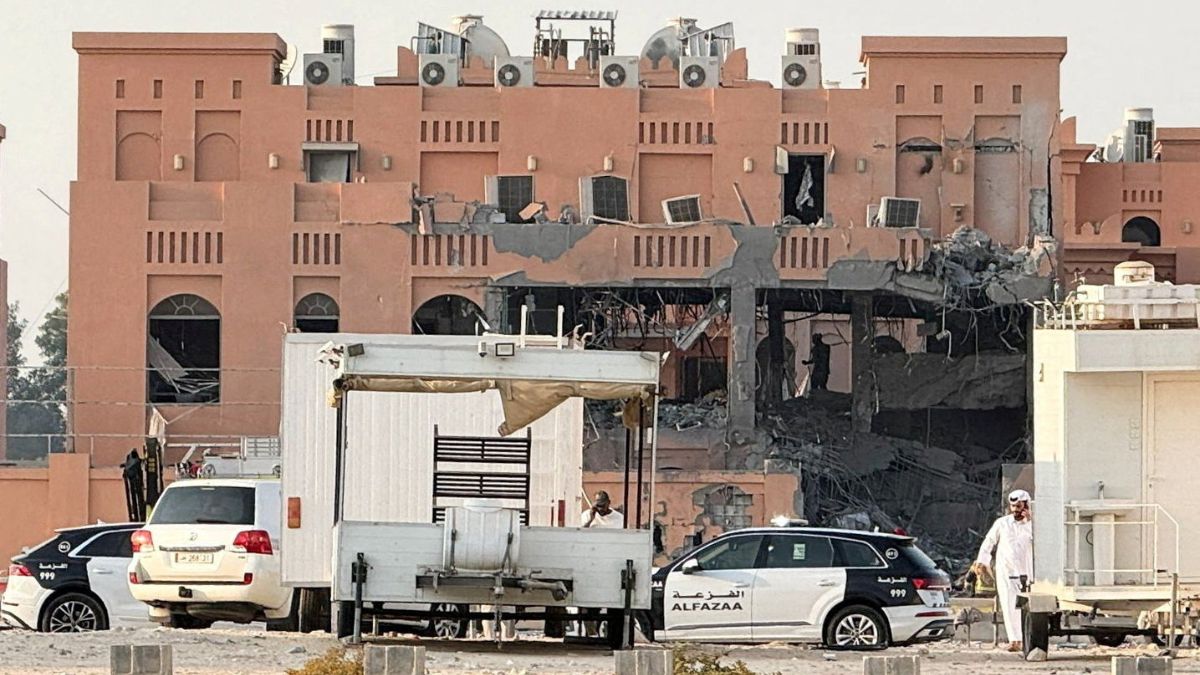
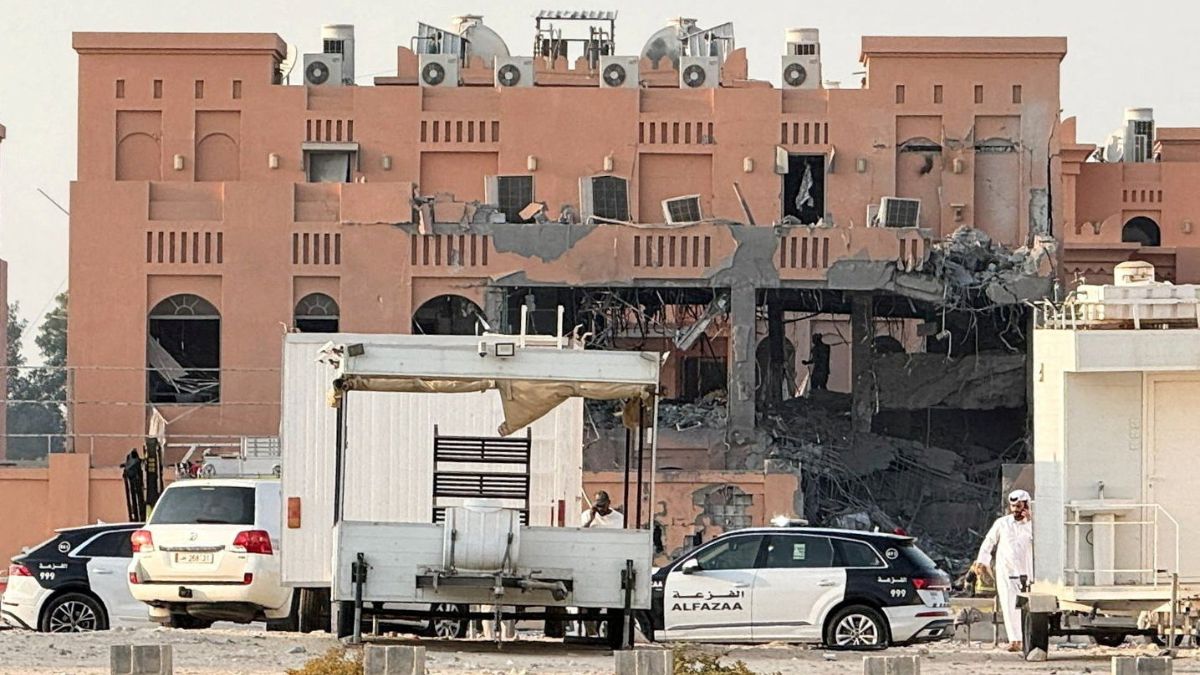 "Why Mossad was not on board with Israel’s strike on Hamas in Qatar")
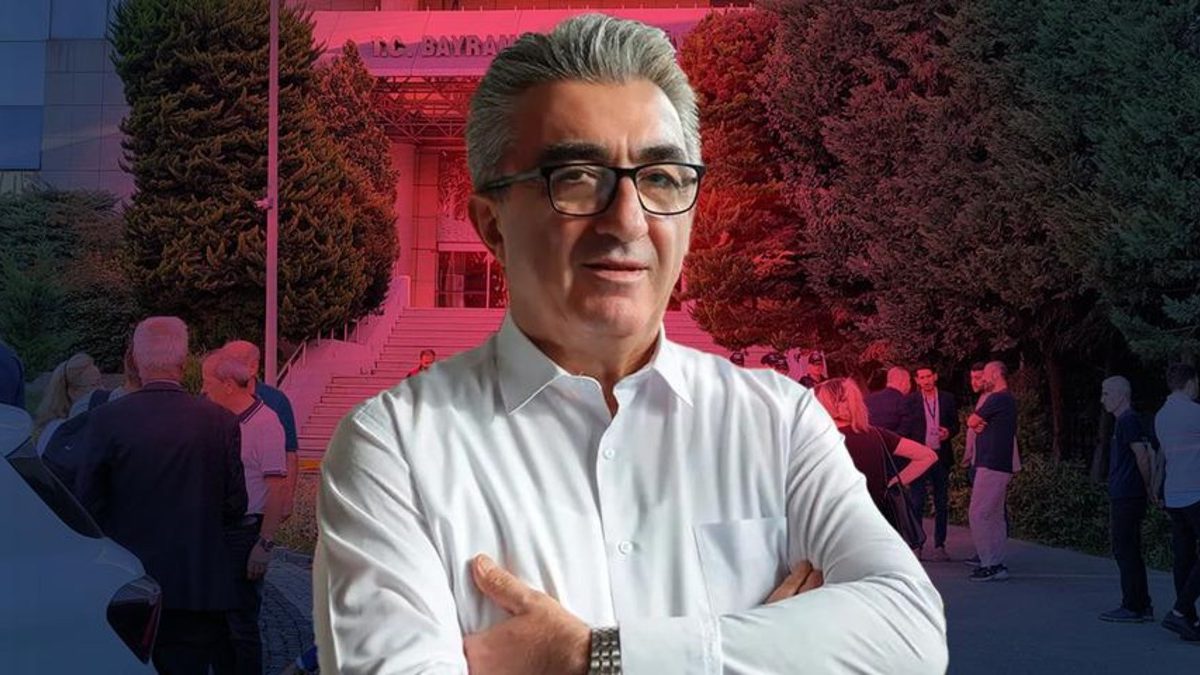
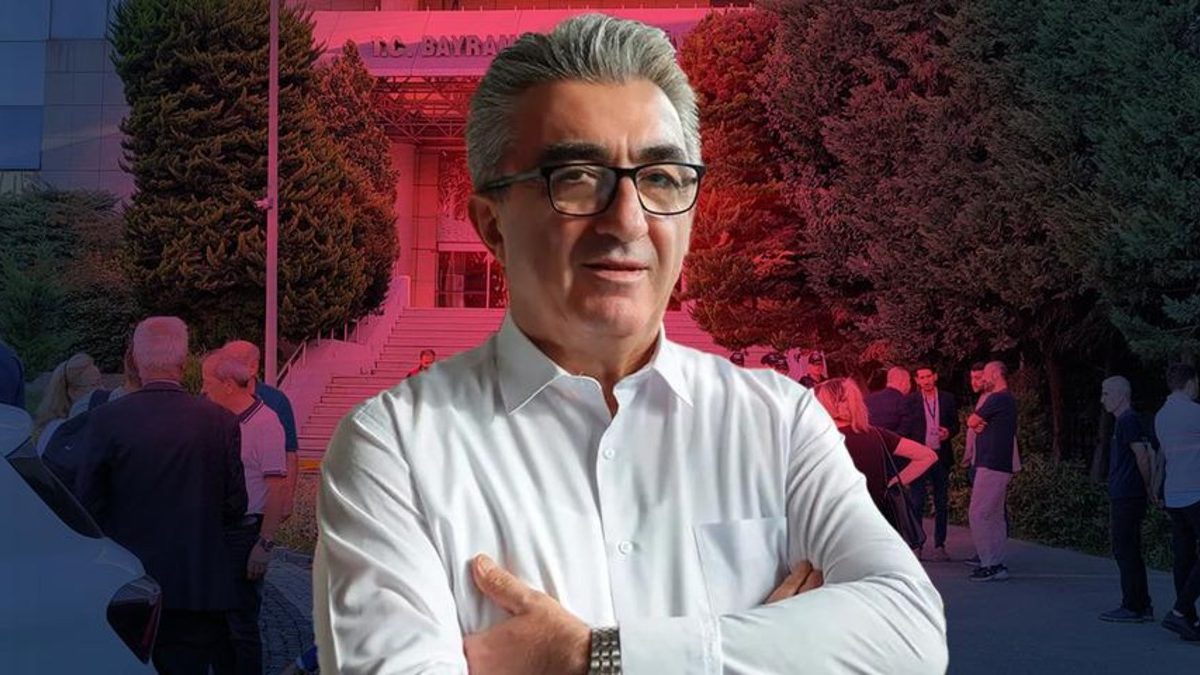 "Turkey: Erdogan's police arrest opposition mayor Hasan Mutlu, dozens officials in corruption probe")
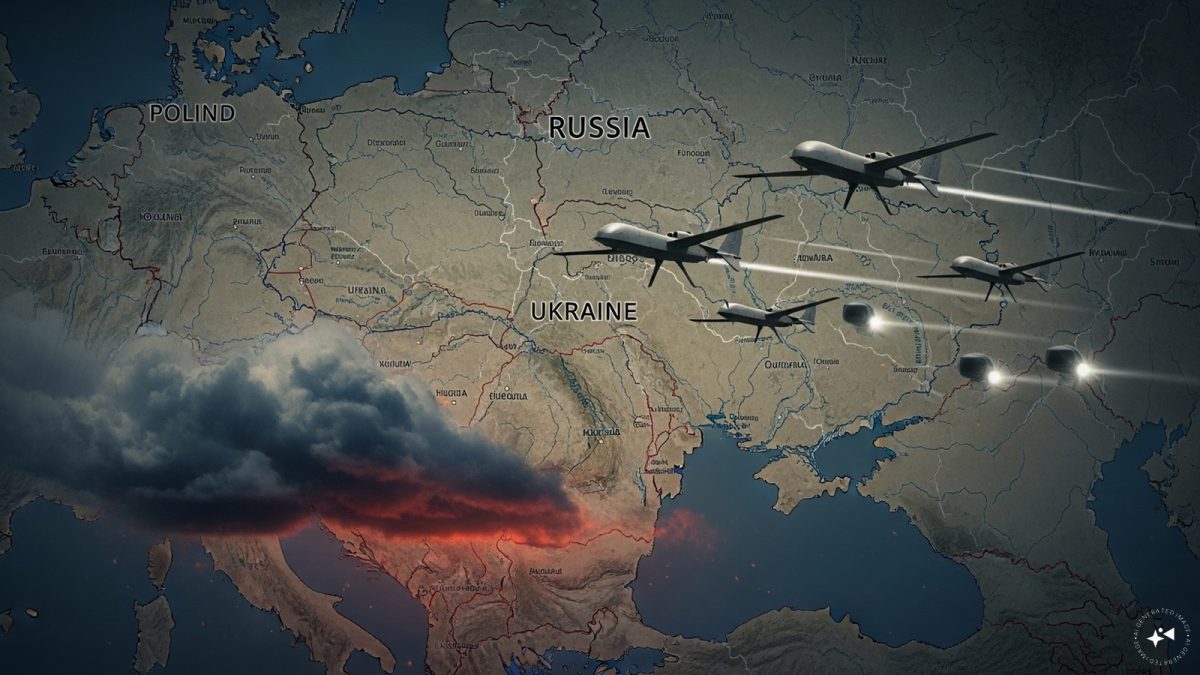
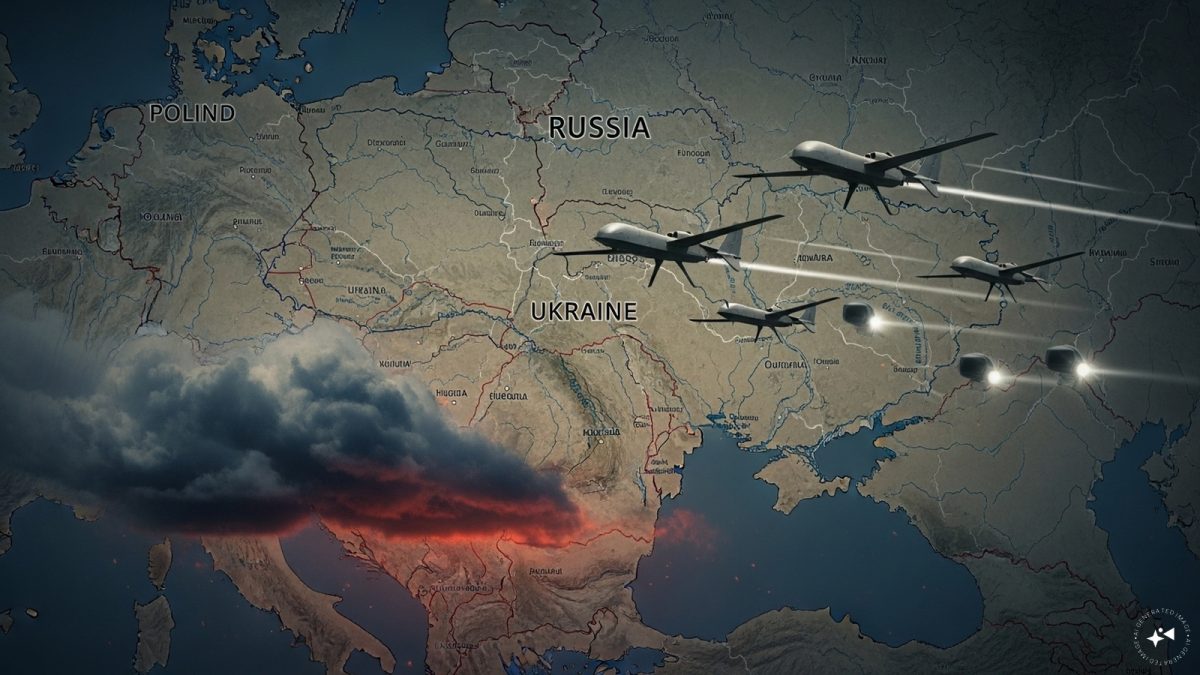 "Russian drones over Poland: Trump’s tepid reaction a wake-up call for Nato?")
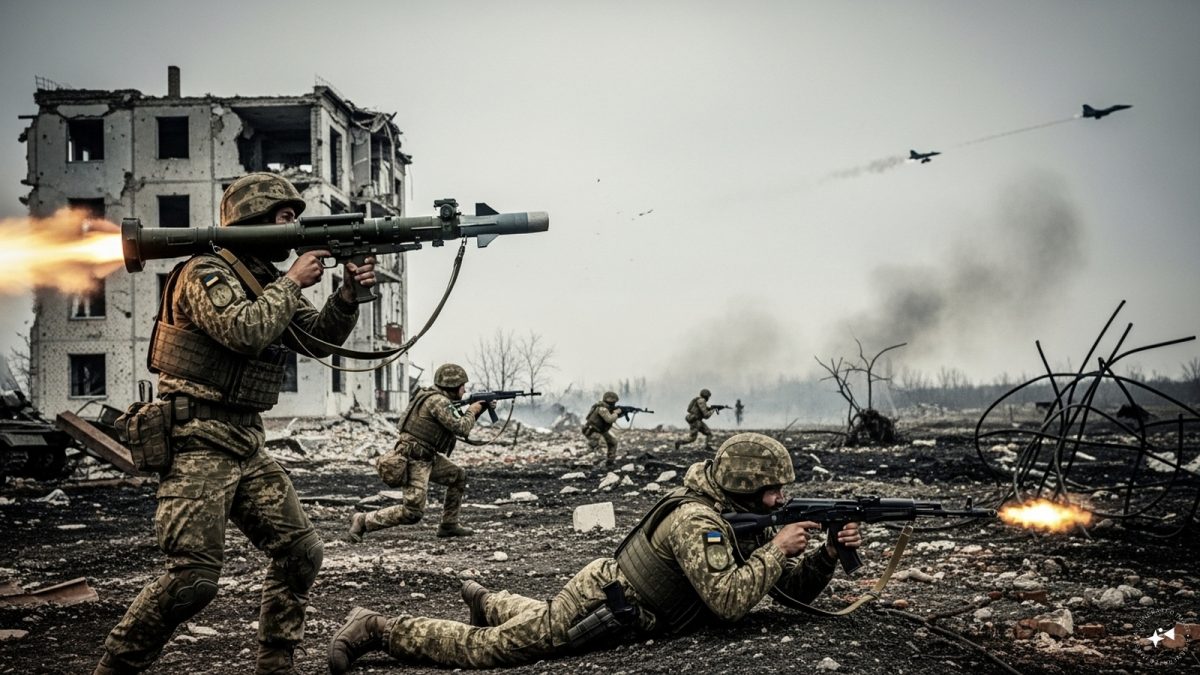
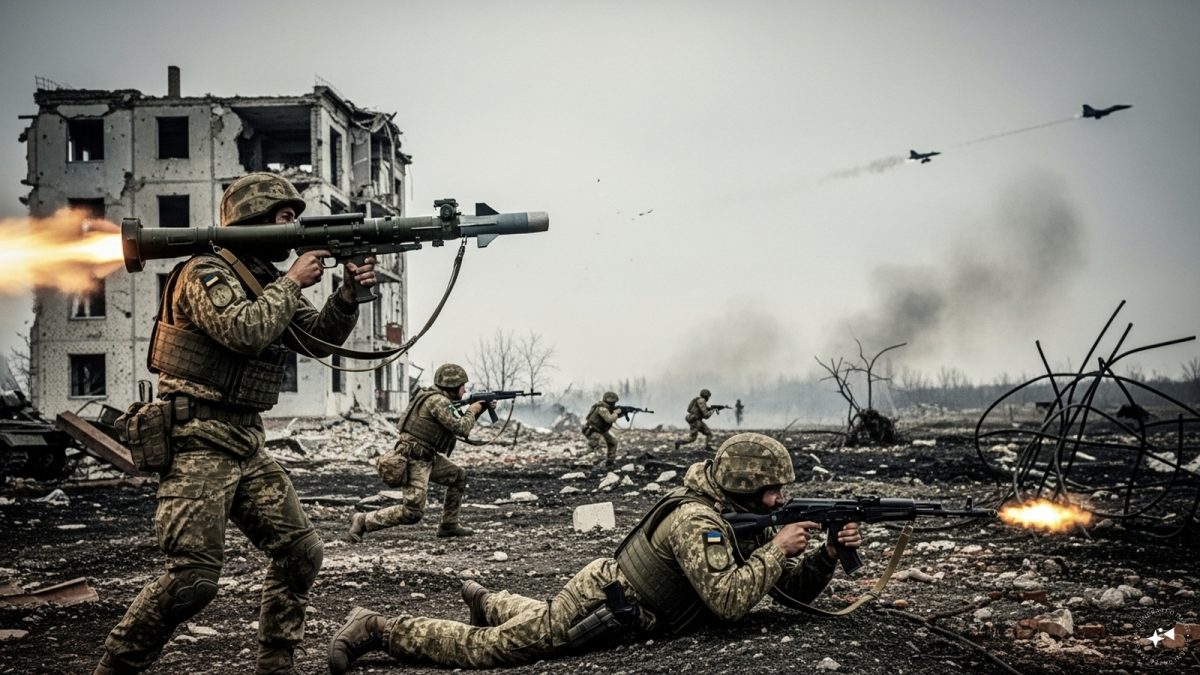 "As Russia pushes east, Ukraine faces mounting pressure to defend its heartland")
 "Why Mossad was not on board with Israel’s strike on Hamas in Qatar")
 "Turkey: Erdogan's police arrest opposition mayor Hasan Mutlu, dozens officials in corruption probe")



