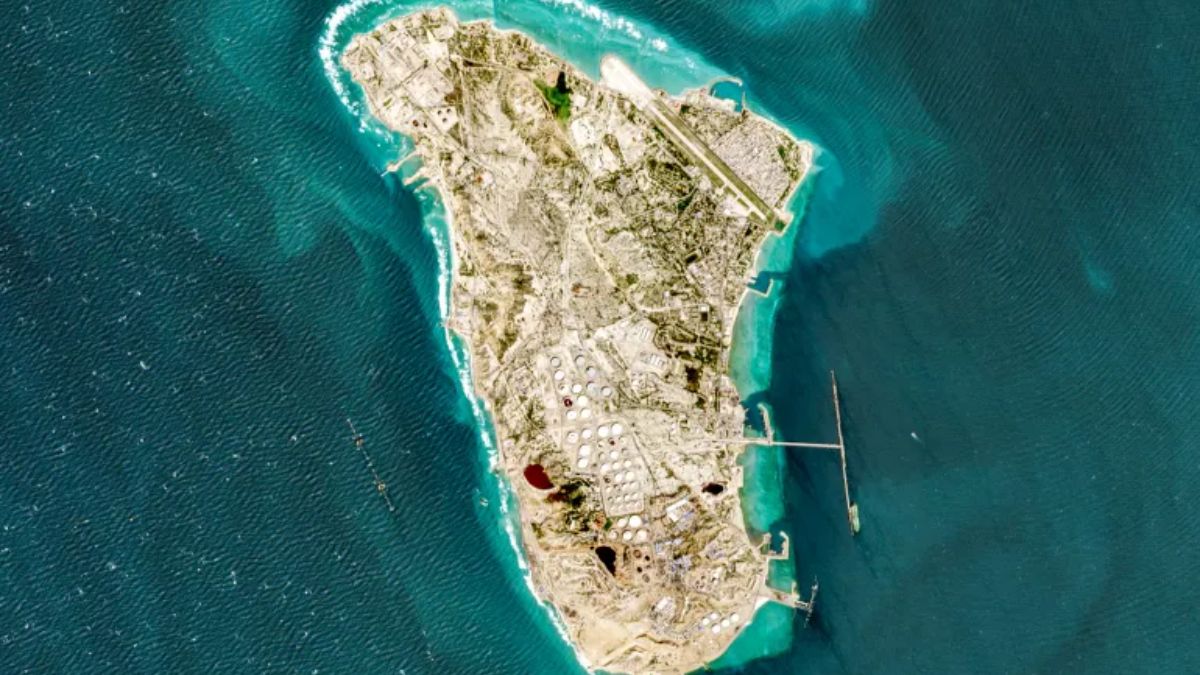
 "Kharg Island: The oil lifeline that could ignite a global energy shock")
In most wars, geography quietly shapes the outcome. In the escalating confrontation between Iran, Israel, and the United States, one small island in the Persian Gulf may prove decisive. Kharg Island, barely a third the size of Manhattan, handles almost all of Iran’s oil exports. If the conflict spreads to the island’s energy infrastructure, the consequences could ripple far beyond the Middle East, shaking global oil markets and complicating the strategic calculations of major importers like India.
On March 13, 2026, U.S. President Donald Trump announced that American forces had carried out a major bombing raid targeting military installations on Kharg Island, located about 25 kilometres off Iran’s coast. According to Trump, U.S. Central Command destroyed missile bunkers, naval mine facilities, air defences, and the island’s runway, while deliberately sparing oil infrastructure “for reasons of decency”.
Trump also warned that if Iran interfered with shipping through the Strait of Hormuz, Washington could reconsider its decision to avoid striking the island’s oil facilities. Iran quickly responded with its own threat, declaring that any attack on Kharg’s energy infrastructure would trigger retaliation against energy assets belonging to companies linked to the United States across the region.
This exchange highlights Kharg Island’s strategic paradox: it is both the foundation of Iran’s oil economy and one of its most exposed vulnerabilities. Despite its small size, Kharg handles 90-95 per cent of Iran’s crude oil exports.
Quick Reads
View AllIran currently produces about 3.3 million barrels per day of crude oil and roughly 1.3 million barrels per day of condensate, accounting for approximately 4.5 per cent of global oil supply. Kharg serves as the country’s main export hub, with shipments currently averaging around 1.5 million barrels per day.
The island’s infrastructure explains its central role. Deep-water jetties allow supertankers to load directly, something most mainland Iranian ports cannot accommodate. Pipelines from major oil fields such as Ahvaz, Marun, and Gachsaran feed the terminal, while storage tanks with a capacity of roughly 30 million barrels provide a buffer equivalent to about ten days of exports.
Kharg’s strategic importance dates back decades. Developed in the 1960s with assistance from the American oil company Amoco, the island quickly became Iran’s primary export gateway. A declassified CIA assessment in 1984 described Kharg as “the most vital facility in Iran’s oil system.”
Today, that assessment remains accurate. Nearly all Iranian crude, much of it destined for China, passes through Kharg before entering the Strait of Hormuz, one of the world’s most critical maritime chokepoints. The strait carries roughly 20 per cent of global oil shipments and significant volumes of liquefied natural gas.
This concentration makes Kharg a natural target in wartime. The March 13 strikes avoided oil facilities but eliminated many of the island’s defensive assets. Analysts interpret the operation as a calculated signal. By degrading Iran’s military capabilities while leaving export infrastructure intact, Washington is effectively holding Iran’s oil lifeline at risk. Former U.S. Army Brigadier General Mark Kimmitt described the strike as a strategic warning: Iran must keep the Strait of Hormuz open or risk escalation that could threaten its economic survival.
The stakes are already visible in global markets. Since the war began, oil prices have surged roughly 40 per cent, with Brent crude rising above $100 per barrel for the first time since 2022. So far, Kharg’s export operations have continued. Tankers remain active, and shipments are estimated between 1.1 and 1.5 million barrels per day despite the strikes.
However, the situation remains precarious. Any direct attack on the island’s oil infrastructure — its pipelines, storage tanks, or loading terminals — would likely halt most Iranian exports immediately. Analysts estimate that rebuilding damaged facilities could take months or even more than a year, particularly given sanctions that limit Iran’s access to technology and financing.
Such a disruption would send shockwaves through global energy markets. Even temporary export interruptions could push oil prices sharply higher. Modelling by the Center for Strategic and International Studies suggests that limited disruptions could add $10-12 per barrel to global prices, while a full shutdown could push crude above $120 or even $130 per barrel.
China would feel the immediate impact as the largest buyer of Iranian crude. But the ripple effects would extend across the global economy. For India, the stakes are also significant. As one of the world’s largest oil importers, India depends heavily on stable energy flows from the Gulf. Any escalation that disrupts shipping through the Strait of Hormuz or removes Iranian supply from the market would increase energy costs, complicate inflation management, and force refiners to seek alternative sources.
The conflict therefore places India in a delicate strategic position. New Delhi has sought to balance relations with Israel, Iran, and the United States while safeguarding its energy security. A wider regional energy crisis would make that balancing act far more difficult. Meanwhile, the broader regional risks continue to grow. Iran has threatened retaliation against energy infrastructure across the Gulf if its own facilities come under attack. Recent strikes on energy sites in the United Arab Emirates illustrate the potential for escalation.
Even limited disruptions in the Strait of Hormuz could affect exports from multiple Gulf producers. Saudi Arabia and the UAE operate pipelines that bypass the strait, but their spare capacity cannot fully compensate for large-scale disruptions. For now, Washington appears to be using Kharg Island as strategic leverage. By striking military targets while sparing oil infrastructure, the United States maintains pressure on Tehran without immediately triggering a global energy shock.
Yet this balance is fragile. If the conflict intensifies and Kharg’s export facilities become targets, the result could be a severe supply disruption that drives oil prices sharply higher and destabilises energy markets worldwide. In that scenario, a small island in the Persian Gulf could become the epicentre of the next global energy crisis.
(Dr. Umud Shokri is a Washington-based energy strategist and geopolitical analyst specialising in global energy markets, energy security, and the geopolitics of the Middle East and Eurasia. He is a senior visiting fellow at George Mason University, where his work focuses on oil and gas markets, energy infrastructure, sanctions, and the strategic implications of shifting global energy dynamics. Views expressed in the above piece are personal and solely those of the author. They do not necessarily reflect Firstpost’s views.)

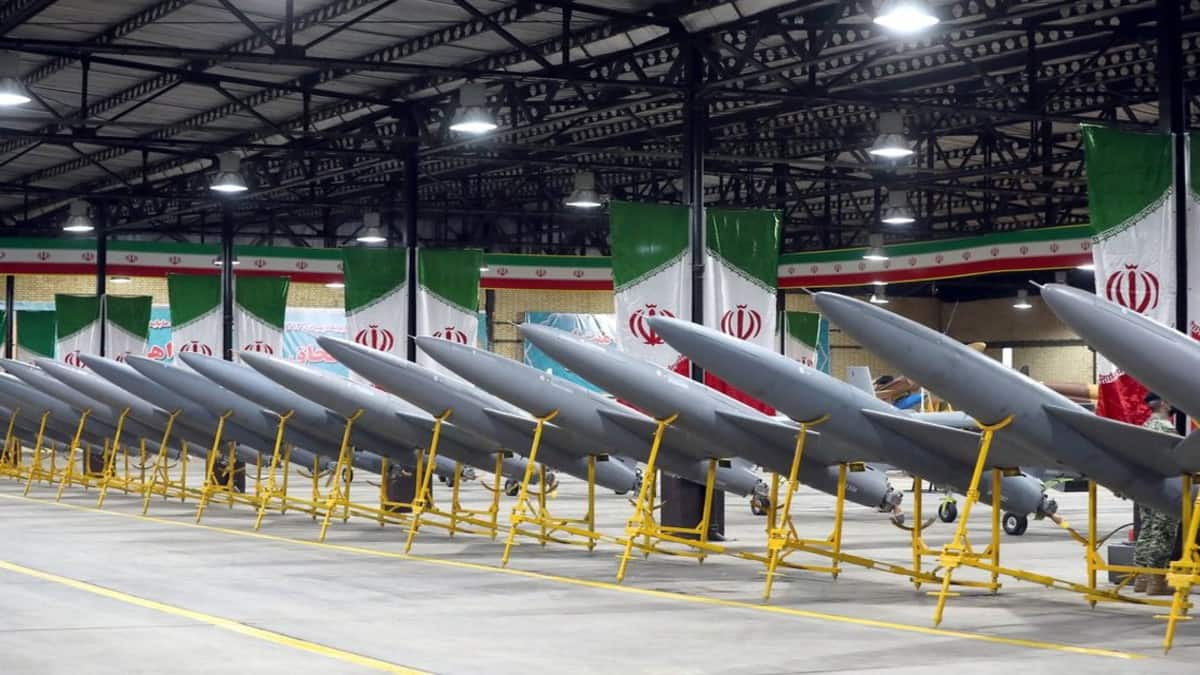
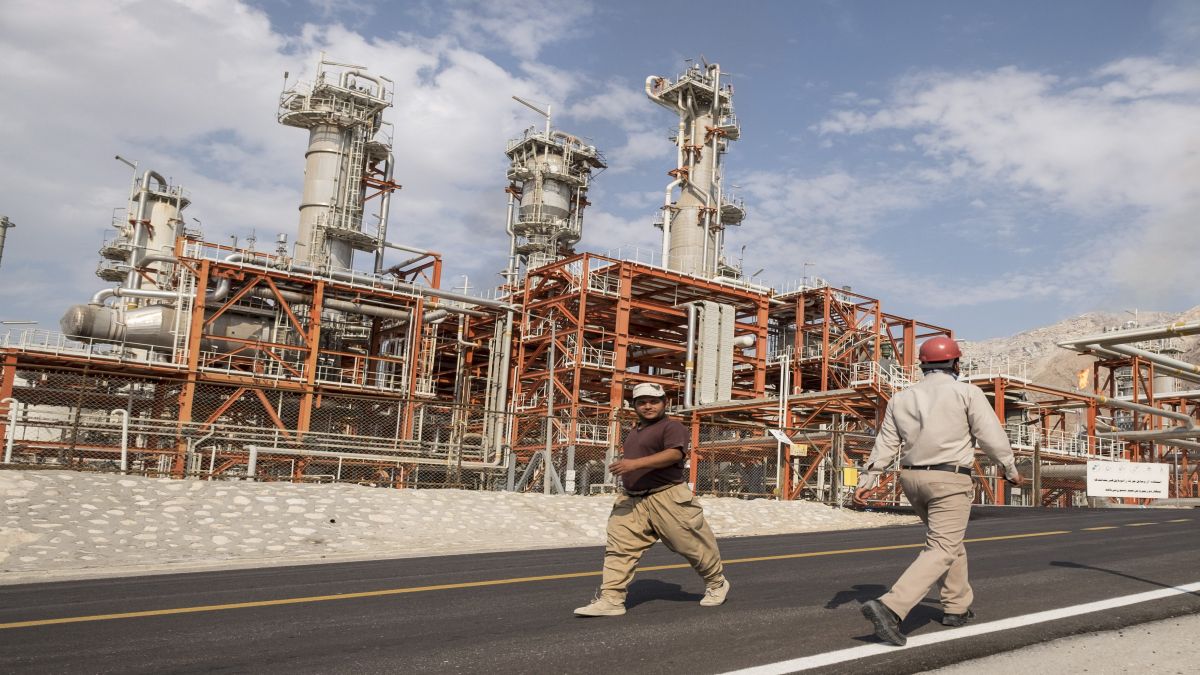 "Israel-Iran War News: Trump threatens to ‘blow up’ Iran’s South Pars gas field if Qatar’s LNG hit again")
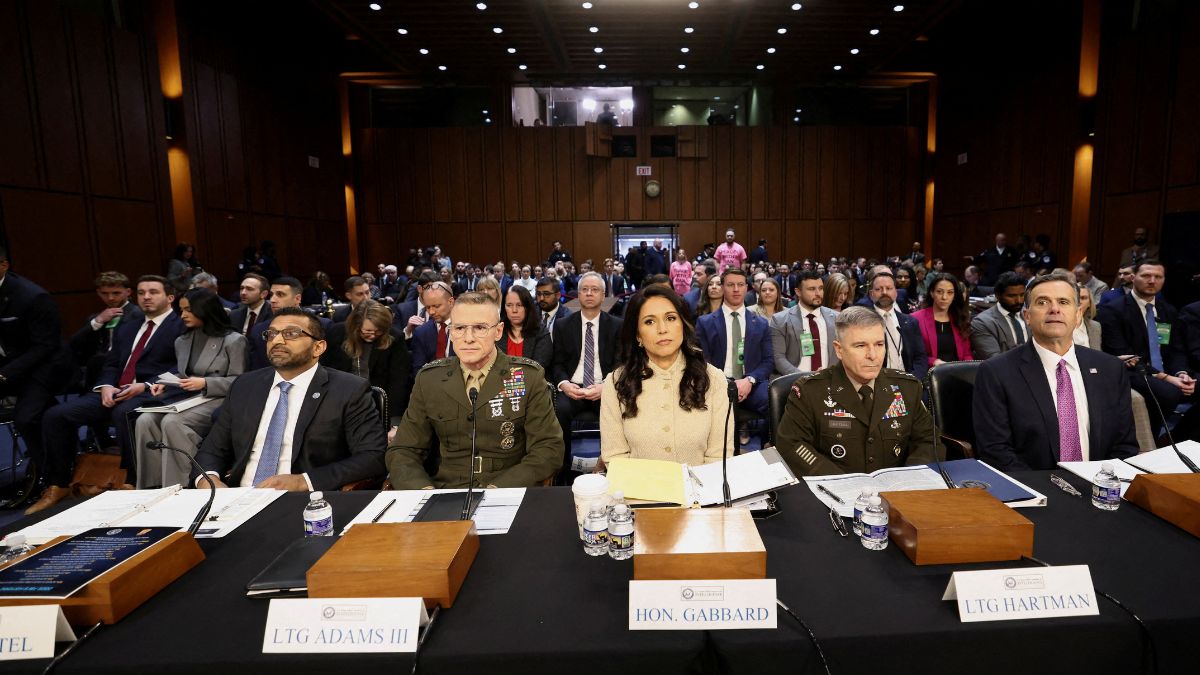 "Gabbard & CIA chief contradict Trump on Iran’s nuclear bomb & ‘imminent’ threat level")
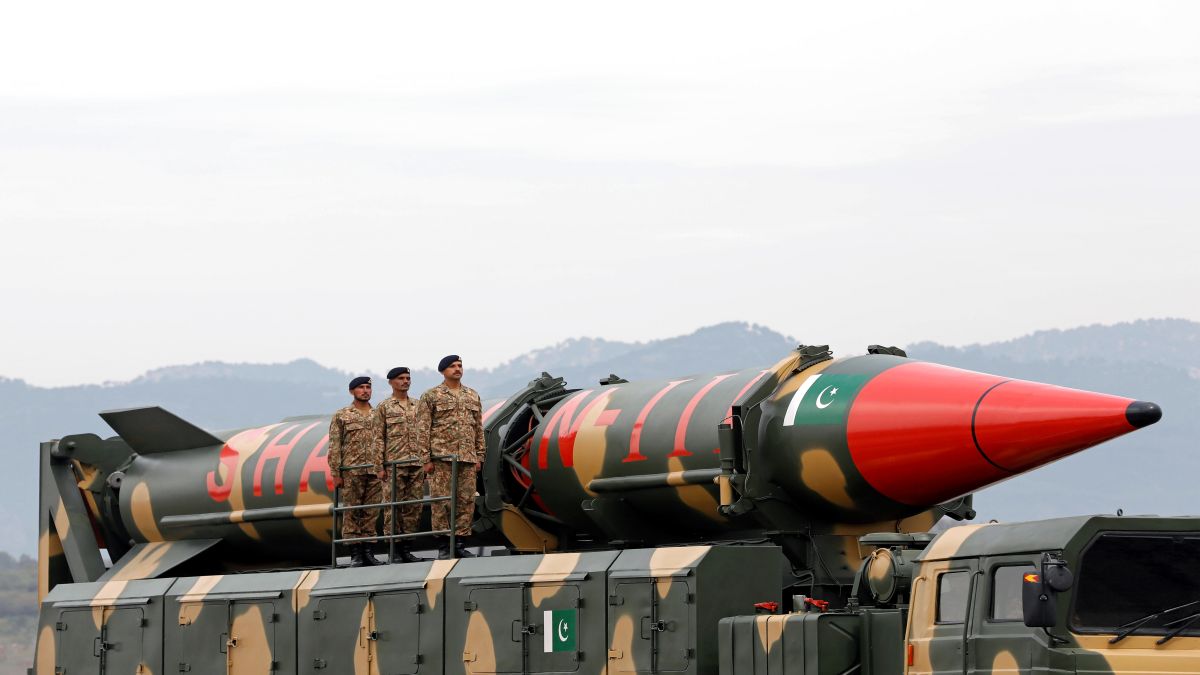 "‘Pakistan among biggest nuclear threats to US’: What Tulsi Gabbard’s warning means for India")
 "Who is Atanu Chakraborty, ex-Economic Affairs Secretary, who quit as HDFC Bank’s part-time chairman?")
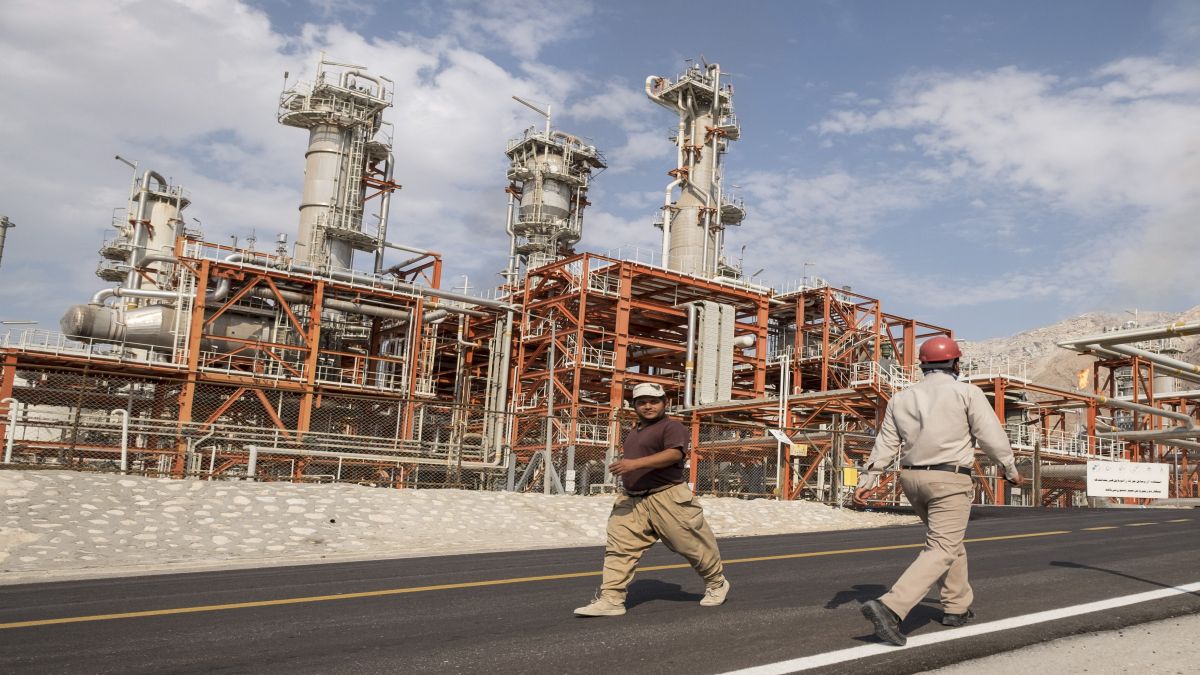 "Israel-Iran War News: Trump threatens to ‘blow up’ Iran’s South Pars gas field if Qatar’s LNG hit again")
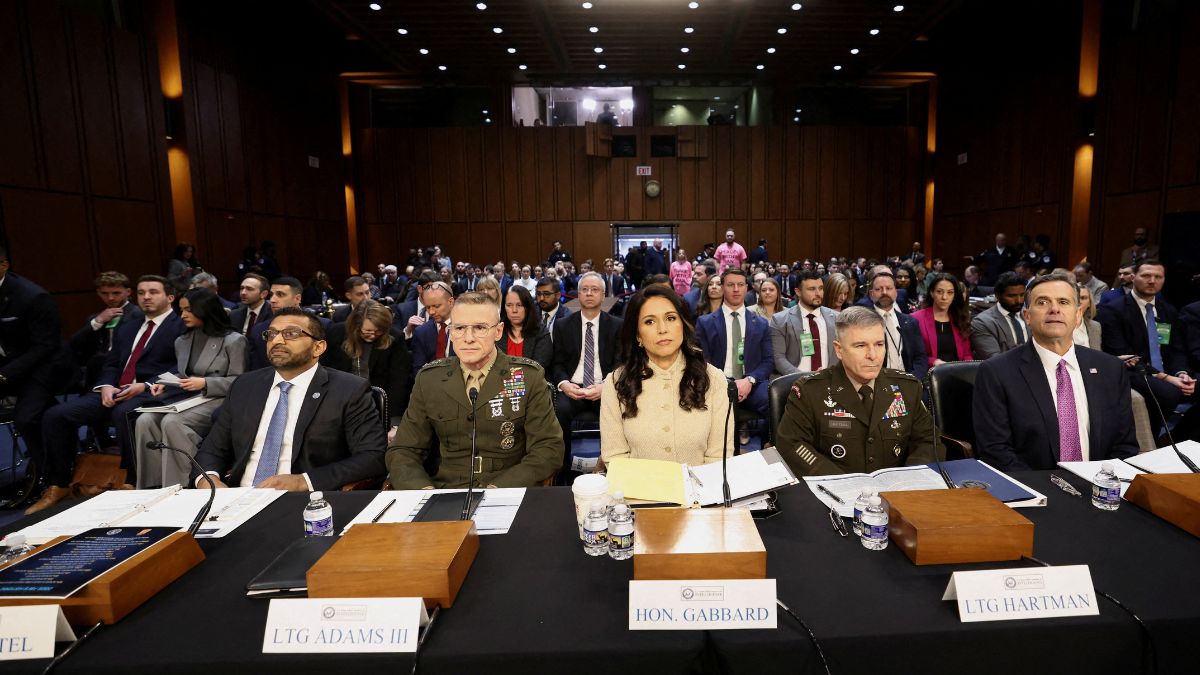 "Gabbard & CIA chief contradict Trump on Iran’s nuclear bomb & ‘imminent’ threat level")
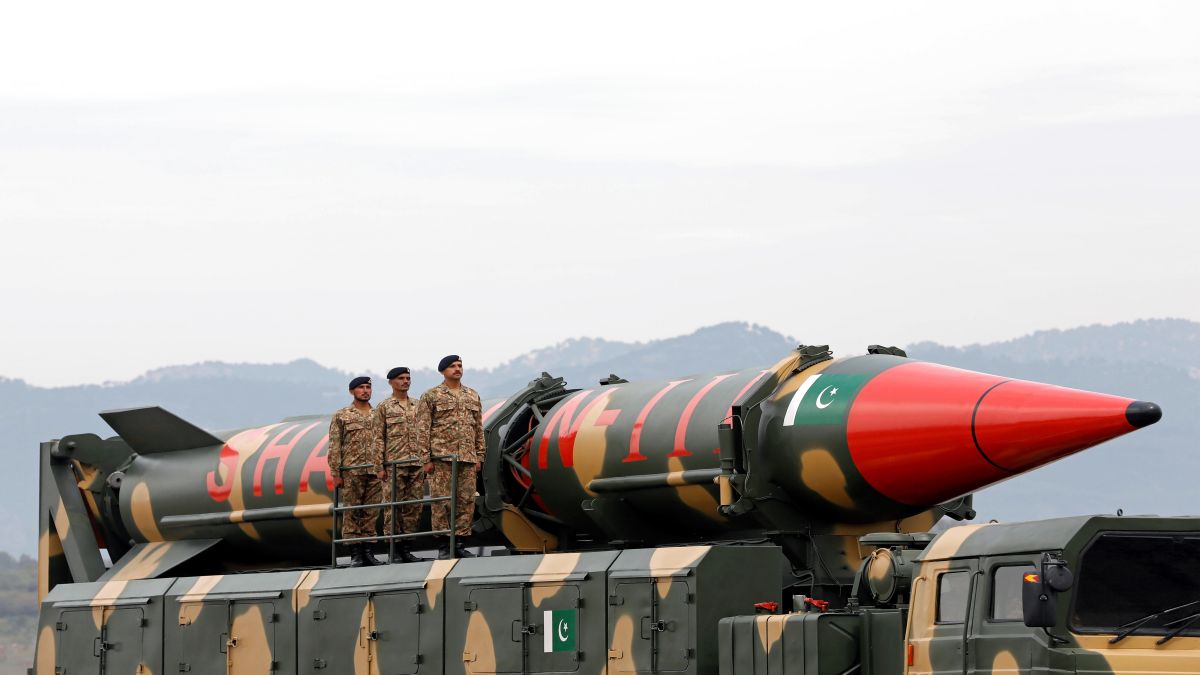 "‘Pakistan among biggest nuclear threats to US’: What Tulsi Gabbard’s warning means for India")
 "Who is Atanu Chakraborty, ex-Economic Affairs Secretary, who quit as HDFC Bank’s part-time chairman?")