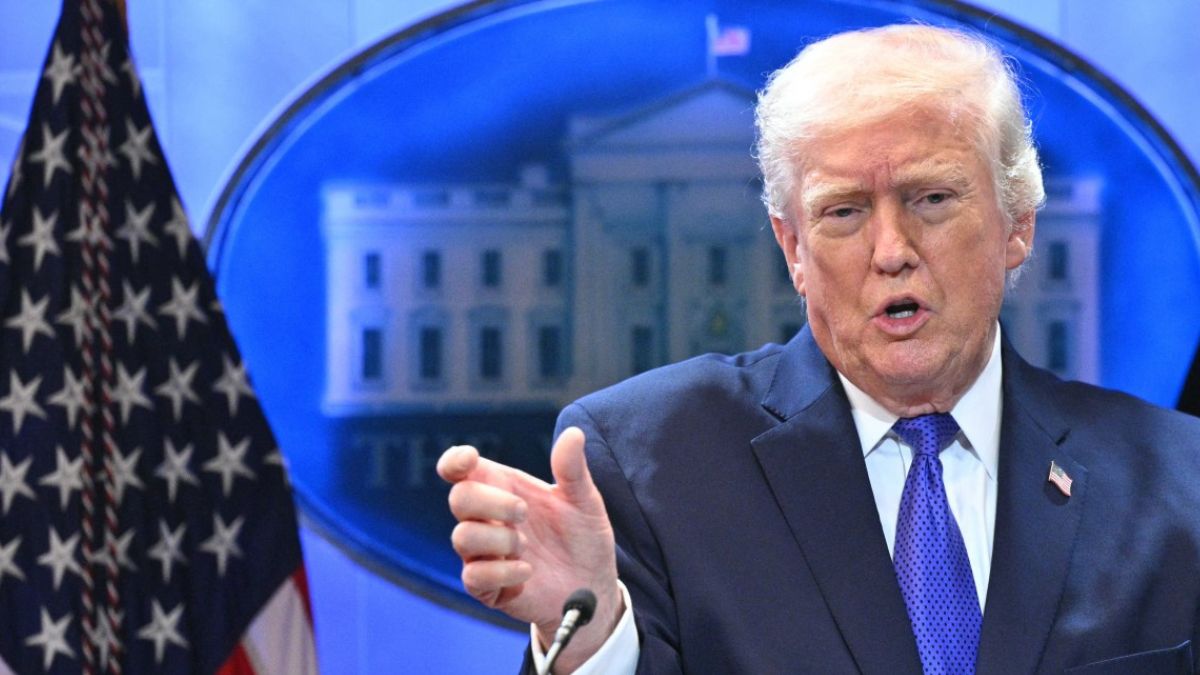
 "Paranoid Trump is trying to constrict India’s policy autonomy, but we are the new indispensable power")
These are strange times. A week feels as if a decade has passed in between. American warships are at Iran’s doorstep. Washington has asked its embassy staff to evacuate from Israel and the MENA region. An attack is imminent. West Asia and beyond will be thrown into cataclysmic turbulence to add to the fires raging elsewhere. This genie won’t be rebottled soon.
Donald Trump’s United States is seeking to violently remake the world. He dreams of a return to the white Christendom’s imperial ways. China, meanwhile, seeks to undermine American hegemony and bend the world to its will through force or trade.
A third power is also on the rise, an ancient civilization, once the world’s preeminent force that seeks to reclaim its rightful place under the sun. Not through imperialism or by unleashing the dogs of war, territorial aggrandizement, revanchism or export control of critical commodities. But by being a friend to all, and a bridge between the Global South and the West.
It will do so by focusing on the strength within, as Prime Minister Narendra Modi said at the News18 Rising Bharat Summit Friday night, “Tat Tvam Asi — the ultimate reality we seek lies within us. The strength we are searching for is already inside us; we simply need to recognise it. Over the past 11 years, India has rediscovered that inner strength and is continuously working to reinforce it”.
Long way to go, but India is showing that it is possible. As I write this piece, latest GDP numbers have been released. India has clocked a third quarter growth of 7.8%, beating estimates. Domestic growth drivers are showing strength. For some time now, India has been the fastest growing large economy and won’t be long before it is the world’s third largest. As they say, economic growth is the best foreign policy. It is showing in the way the world is lining up.
Quick Reads
View AllCanada, whose Prime Minister Mark Carney landed in Mumbai Friday for a four-day trip with a high-level business delegation including CEOs, industry experts and innovators, is keen to reset ties after the toxic spell cast by Justin Trudeau. Carney wants to stitch a more resilient economy. He wants to advance trade, technology, energy, and people-to-people ties with India as Canada faces a bitter divorce from the US. He means business.
Ahead of the trip, Ottawa said India is no longer linked to violent crimes in Canada, a stunning shift in stance after Trudeau, the former PM, had told the Canadian Parliament in September 2023 that Indian government is behind the killing of Khalistani terrorist Hardeep Singh Nijjar. It led to an unprecedented crash and burn of bilateral relationship. Now, Canadian officials state that “previous concerns about active foreign interference and repression in Canada by agents linked to the Indian government no longer apply.” The reset is real.
Or take Israel, where the Prime Minister just returned from a highly successful state visit this week, marking a decisive shift in India’s West Asia policy. The visit was undertaken at a time when Israel and US are on the verge of declaring war on Iran, and showed the quiet confidence in New Delhi that kinetic action won’t break out as long as Modi was on Israel’s shores. It shows mutual trust.
India and Israel elevated their ties to ‘Special Strategic Partnership’ and signed 17 agreements, including on defence, security, trade, innovation and technology, terrorism, and sought to fuse complementary strengths – Israel’s prowess in technology and innovation and India’s as a repository of talent, manufacturing excellence and entrepreneurial energy. But that’s just one aspect of the story.
Benjamin Netanyahu and his wife came to receive Modi at the airport, both were there again to see him off during departure, and in between, the bitterly divided Israeli parties – especially the Opposition that threatened to boycott Modi’s maiden speech at Knesset – united to welcome him and leader of opposition Yair Lapid called Modi a “true friend of his country”. The Knesset broke out with chants of ‘Modi, Modi’ during the address, and the Indian PM was awarded ‘Speaker of the Knesset’ medal, the highest honour of the Israeli Parliament that was illuminated with the colours of Indian flag.
President Lula da Silva of Brazil, a fellow member of BRICS, came to India in February with a huge business delegation. He committed to taking bilateral trade beyond $20 billion in the next five years, suggested that both countries use own currencies than settling transactions in greenback, called for Global South to ‘unionise’ against Trump’s tariffs, and sealed a deal on critical minerals and rare earths. Brazil has the world’s second-largest reservoir of rare earth minerals.
And in this very month, India’s HCL Technologies and Taiwan’s semiconductor giant Foxconn announced the setting up of a semiconductor facility in Uttar Pradesh, marking a huge leap in India’s journey towards technological self-reliance.
These are not disjointed, coincidental developments. They indicate a rising tide of bets on India – on its scaling up of capabilities, meeting the promise and charting the path to greatness. The world – especially the middle powers and the Global South – want India to be successful and are vesting in its success.
Consider the procession of world leaders between last December and March that has beaten a path to New Delhi. Russian President Vladimir Putin in December, German Chancellor Friedrich Merz in January, European Commission President Ursula von der Leyen and European Council President António Costa as Republic Day chief guests, and French President Emmanuel Macron, Brazilian President Lula, and Canada’s Carney this month.
This parade of high-level visitors culminated in the India AI Impact Summit, which drew over 20 heads of state, 100-plus global CEOs, delegations from 118 countries, and over five lakh visitors, making it one of the largest AI gatherings in history.
This convergence of global attention reflects a structural shift in the international order, already in a state of violent flux, where India’s unique combination of political stability, young demography, economic velocity, geographic position, institutional capacity, and geopolitical ‘swing state’ status makes it indispensable to every major power’s strategic calculus.
Russia needs India to sustain its most important relationship outside China, Brazil and the Global South view India as a co-leader of the developing world, a partner in reforming multilateral institutions and a strategic ally in building alternatives to US-dominated economic governance. Macron has placed France and India as a “ third force in the global AI race by championing sovereignty, strategic autonomy, and ‘civilization-scale’ innovation beyond the US-China duopoly.”
Germany wants to collaborate with India on critical and emerging technologies, critical minerals, defence and security, digitalisation, telecommunications, renewable energy and labour mobility. The European Union has just signed the ‘mother of all trade deals’, creating the world’s largest free trade zone. This deal is at the heart of EU’s ‘new Europe’ strategy.
Canada is eyeing a 10-year, $2.05 billion uranium supply deal along with energy commitments to the world’s second-largest importer of crude. Carney is hoping to wrap up these deals along with bringing negotiations on a Comprehensive Economic Partnership Agreement (CEPA) to near completion. The deal, that may be concluded by November, may take bilateral trade to $50 billion by 2030.
Every major power calculates that India’s alignment materially affects the global balance of power, trade flows, technology ecosystems, and institutional governance. This indicates that India possesses significant agency. And yet India’s greatness is not a given, neither is it a foregone conclusion. If India has incredible agency, the path to being a great power requires New Delhi to exercise that agency and therein hangs a tale.
India’s grand strategy, as foreign minister S Jaishankar writes in his book, The India Way, “should be to give India maximum options in its relations with the outside world — that is, to enhance India’s strategic space and capacity for independent agency — which in turn will give it maximum options for its own internal development.” This striving for increased space and options is the heart of India’s foreign policy, that has at various times expressed itself in terms of ‘non-alignment’, ‘strategic autonomy’ or now, ‘multi-alignment’.
This ‘multi-vector’ foreign policy that aims to find the strategic sweet spot by identifying shared interests with other middle or great powers or tries to tap regional contradictions to India’s benefit is now becoming increasingly difficult with a paranoid Trump forcing India to take sides.
The Trump administration’s second term has fundamentally altered the trajectory of India-US relations, moving from two decades of patient understanding to an era of explicit coercion designed to force India into geopolitical alignment on Washington’s terms. Through an escalating architecture of punitive tariffs, energy import conditionalities, diplomatic humiliation, visa restrictions, and strategic signalling toward Pakistan, the US has mounted an unprecedented multi-domain assault on India’s strategic autonomy.
Trump wants India’s compliance on Russian oil, agricultural market access, and a $500 billion purchasing commitment, all without offering any reciprocal obligation. This shift reflects a deeper structural change in American grand strategy. Washington has moved from courting India as a counterweight to China to demanding economic and strategic alignment on US terms. Trump’s style is one of across-the-board coercion; what India is experiencing is part of a broader American strategy of demanding submission from partners, not dialogue among equals.
America’s decline anxiety presents India with a paradox. On the one hand India is now a powerful player on the global stage. A ‘vector state’ whose policy choices and strategic preferences alter the global trajectory on energy, technology, or security, on the other hand America’s insecurity over its relative decline, the rise of a peer competitor in China and Trump’s behaviour as a predatory hegemon is leading to a tight squeeze on India’s swing-state behaviour.
For instance, the demand that India cease purchasing Russian crude represents the most direct assault on India’s policy autonomy. The February 2026 executive order rescinding the 25% punitive tariff was explicitly conditioned on India “stopping direct or indirect imports of Russian crude and increasing purchases of US energy products”. By framing Indian energy imports as a US national-security issue, the administration turned economic engagement into a compliance test.
India’s energy policy, defence procurement choices, and multilateral affiliations (BRICS, SCO) are all now ostensibly subject to American scrutiny and potential punishment.
India is therefore at the crossroads. It has the agency to act, but it must exercise that agency to make choices. It should have the confidence to enjoy the fruits of its decisions and the forbearance to suffer the consequences of its actions. Greatness cannot be achieved by being risk averse. That doesn’t mean India needs to join the American or the Chinese camp. India will never capitulate. But a truly independent foreign policy will involve front-loading of pain and acceptance of costs for a better future.
Trump’s coercive campaign is already producing the opposite of the intended effect. Within India’s strategic establishment, there is determination that New Delhi will not be cowed. The Modi government appears willing to bear near-term economic pain to preserve its red lines, as it managed to do in the trade framework that has now been rendered uncertain due to the cancelling of Trump’s tariffs by the US Supreme Court.
The most consequential strategic response has been India’s accelerated diversification toward Europe. Jaishankar began the New Year in Europe, with stops in Paris and Luxembourg, participating in the India-Weimar Triangle with France, Germany and Poland. India and the EU signed one of the most ambitious free trade agreements and a landmark Security and Defence Partnership. In Von der Leyen’s words, “India and Europe are trusted and reliable strategic partners. We stand together. United in our commitment to help our businesses endure, thrive and grow. To reduce our strategic dependencies. And to realise the incredible potential of our economic relationship.”
India is intensifying its relationship with middle powers and creating a complex matrix of partnerships to better absorb the shocks being delivered by Trump, under whom America is pivoting from the role of an underwriter of the global order to a predatory hegemon.
Since the imposition of Trump’s tariffs in August last year, India has signed or close to signing a batch of FTAs in 18 months (with the EU, UK, Oman, New Zealand, and is reviving negotiations with Canada, Israel, Qatar and Peru). It is set to assume the presidency of BRICS, it has received commitments worth $270 billion in AI investment at the AI Impact Summit, and it is deepening cooperation with Israel, France, Germany, and Brazil.
The final stretch, as the Prime Minister said at the Rising Bharat Summit yesterday, will depend on focusing on inner strength. India’s promise can be met only if the demographic dividend is converted into actual economic gains through human capital investment, manufacturing expansion, institutional reform and bold strategic choices. The multipolar world is finally upon us, and India seems ready to seize the moment.
(Views expressed are personal and solely those of the author. They do not necessarily reflect Firstpost’s views.)

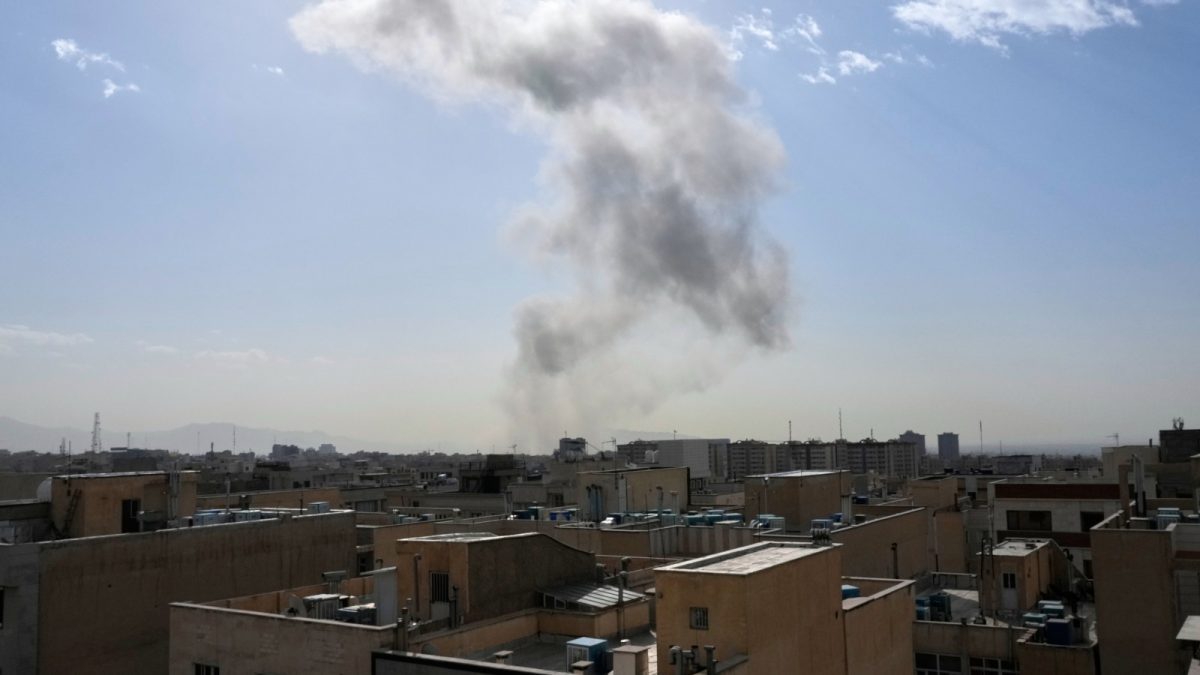 "Israel-Iran attack Live Updates: Israel urges Iranians in or around military infrastructure to evacuate immediately")
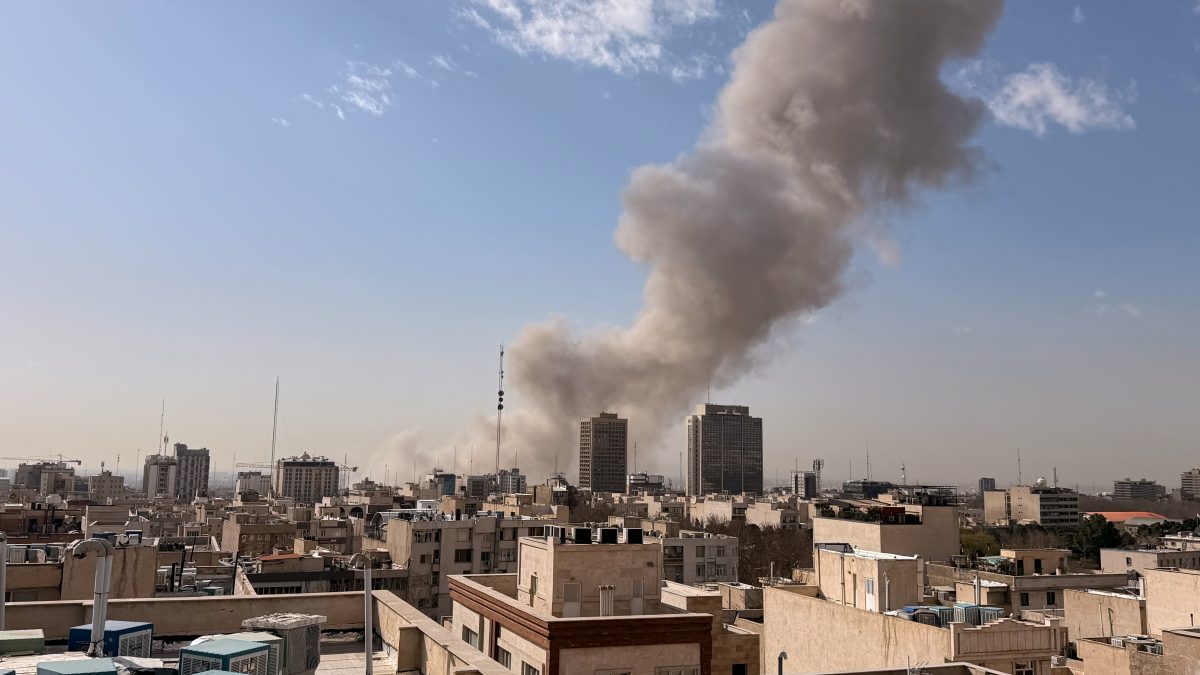 "Blasts reported across Bahrain, UAE and Kuwait as Iran retaliation fears rise after US–Israel strikes")
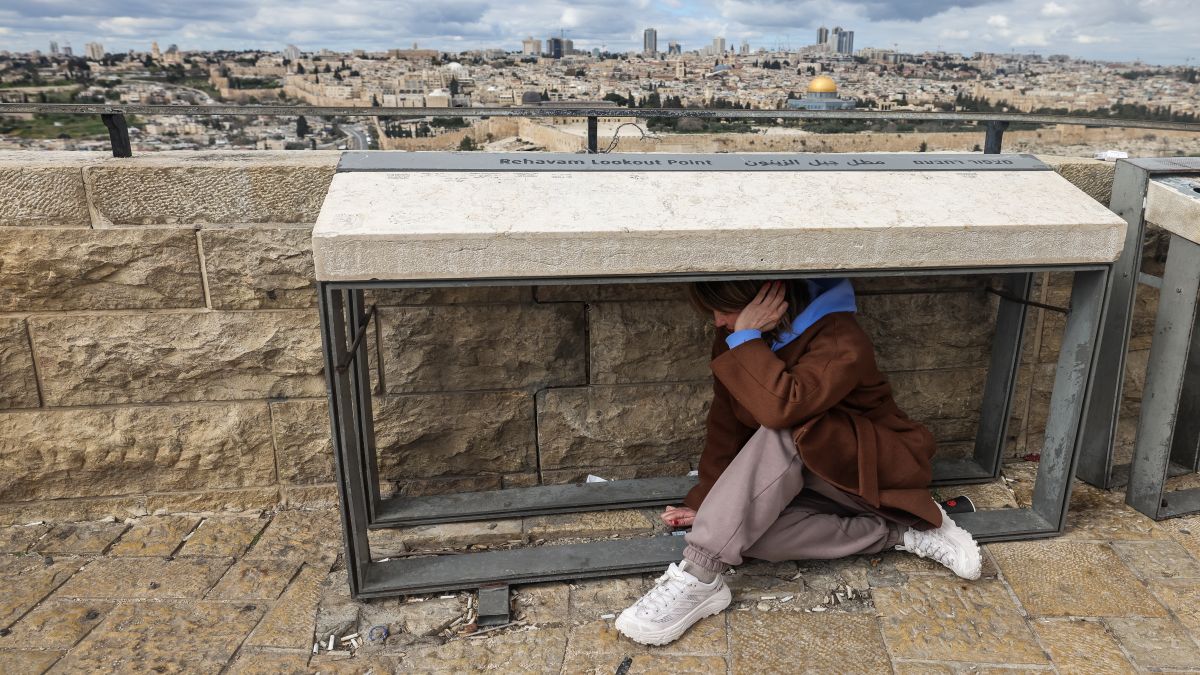 "What has Israel and US targeted in Iran? How is Iran retaliating?")
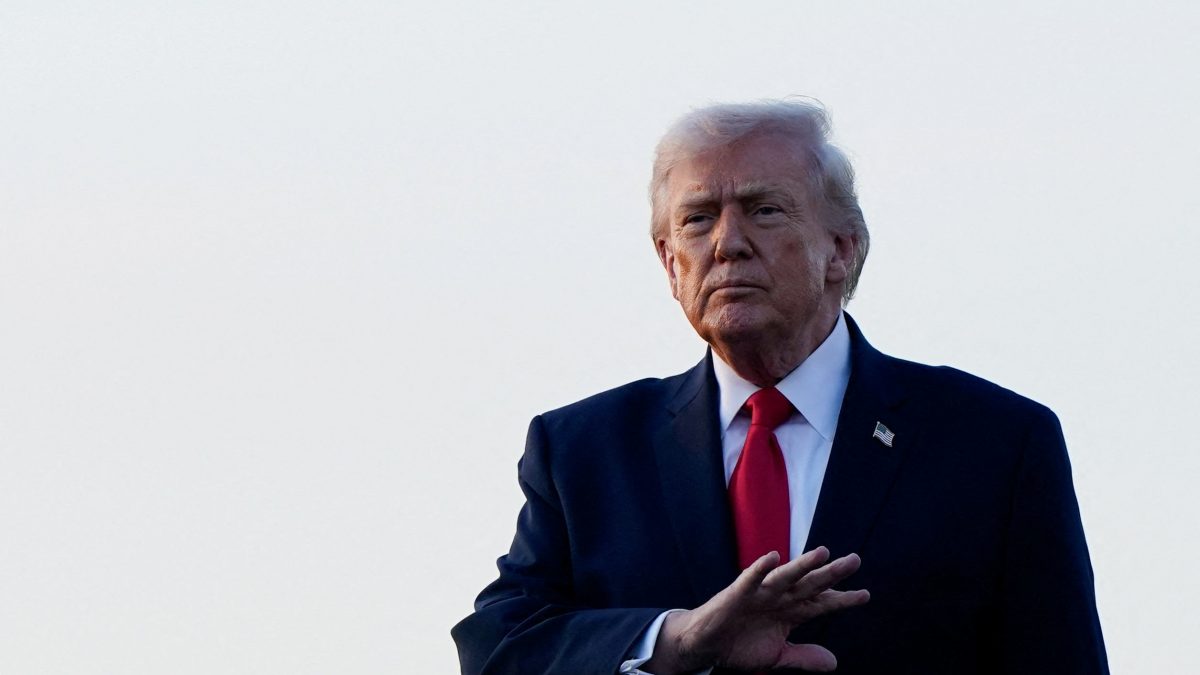 "‘Take over your govt’: Read Donald Trump’s full statement on US ‘major combat operations’ in Iran")
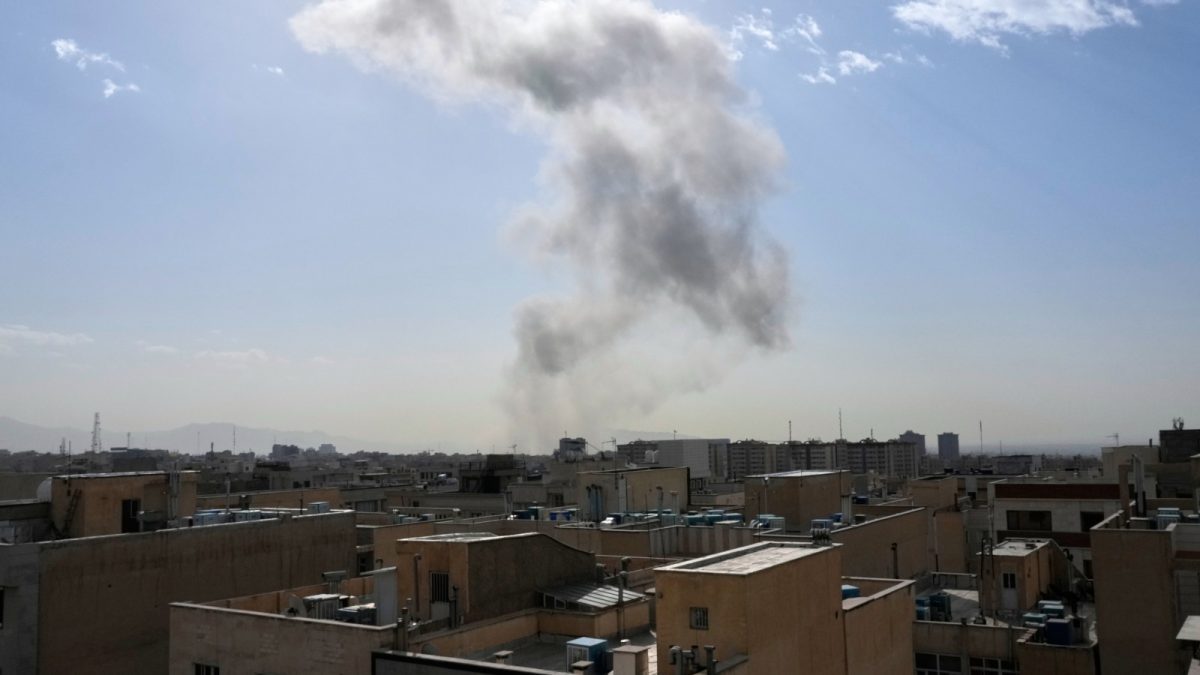 "Israel-Iran attack Live Updates: Israel urges Iranians in or around military infrastructure to evacuate immediately")
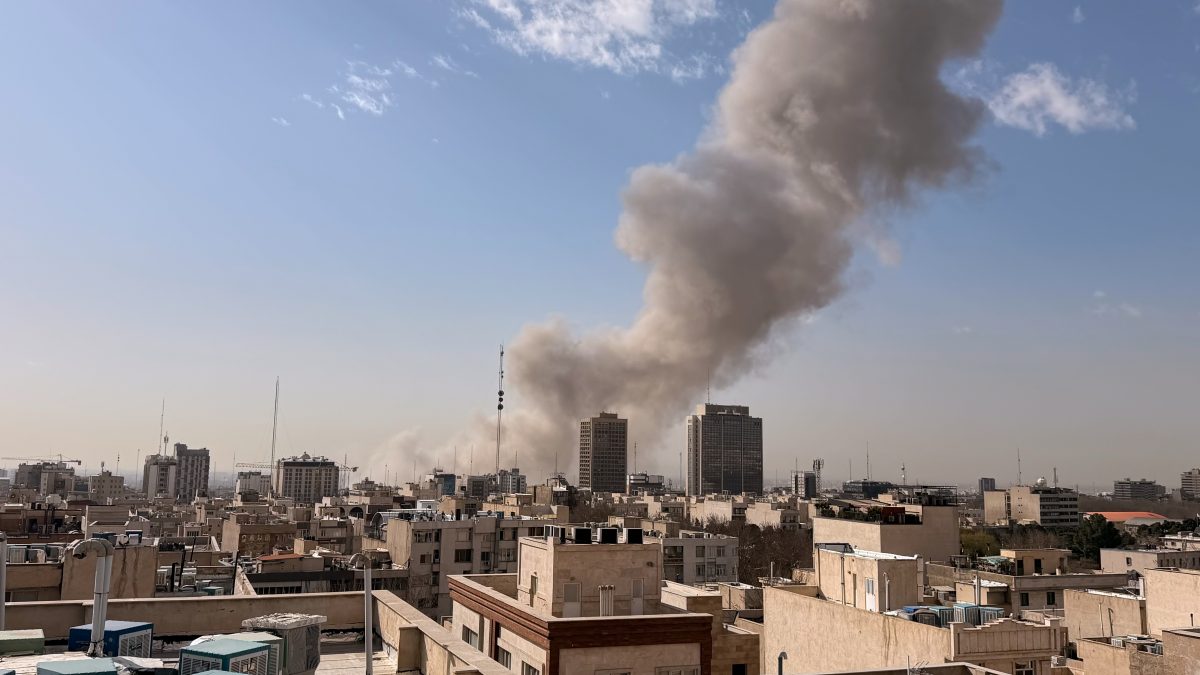 "Blasts reported across Bahrain, UAE and Kuwait as Iran retaliation fears rise after US–Israel strikes")
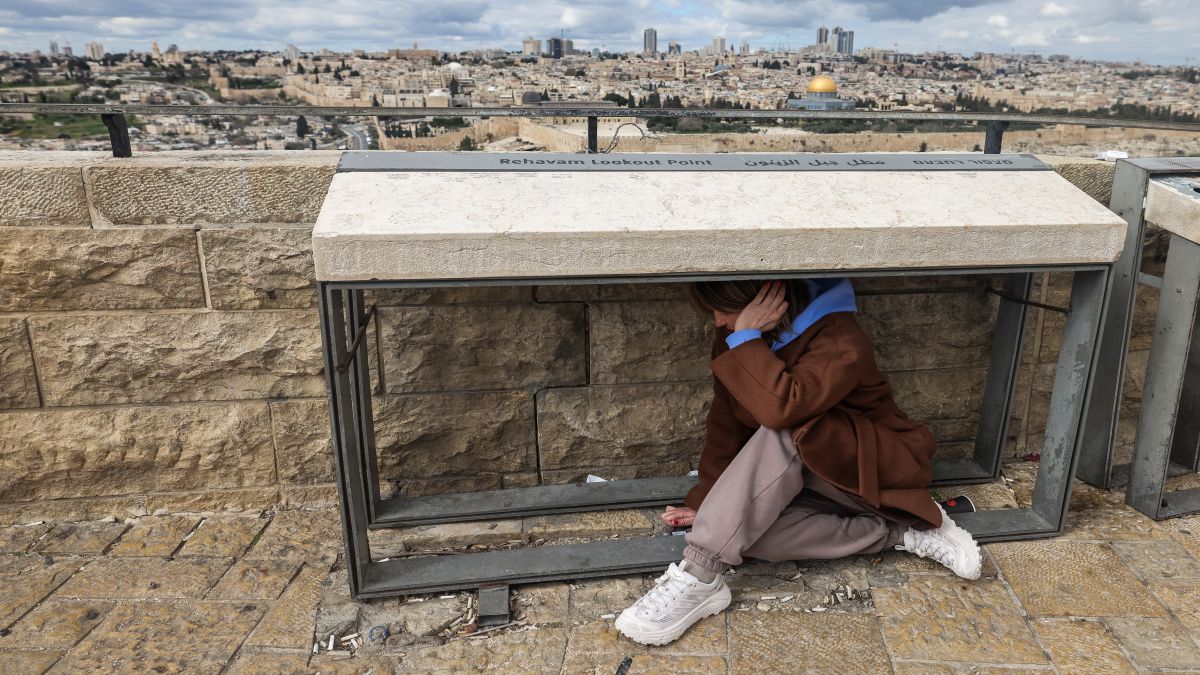 "What has Israel and US targeted in Iran? How is Iran retaliating?")
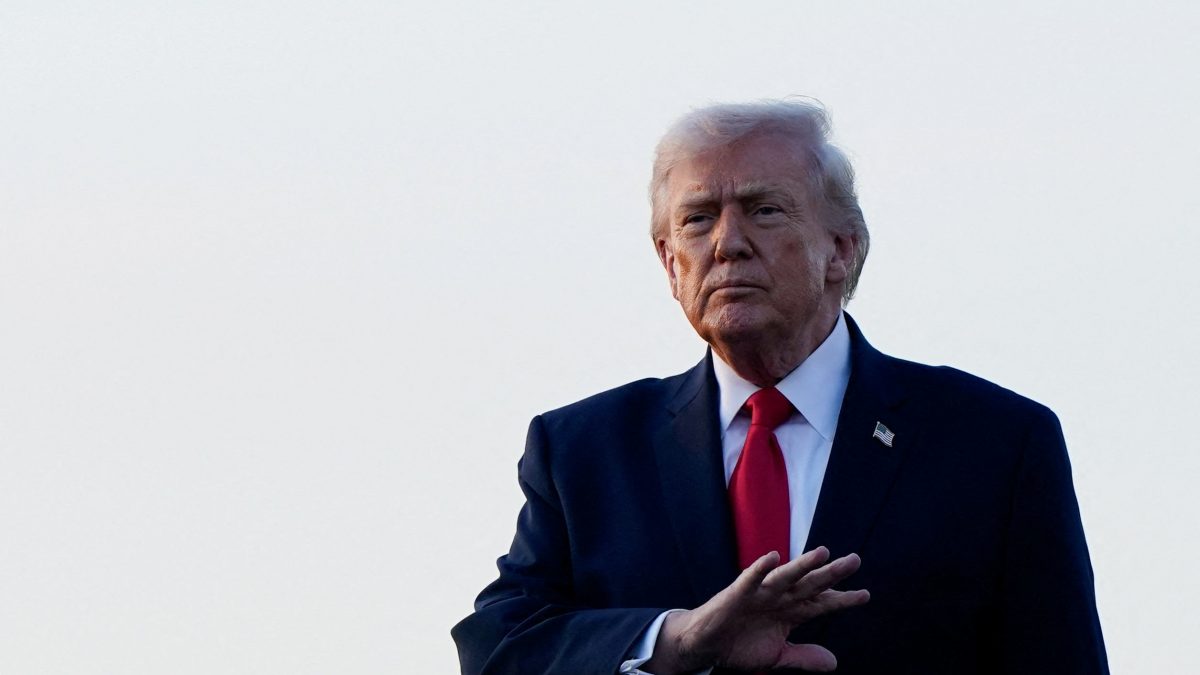 "‘Take over your govt’: Read Donald Trump’s full statement on US ‘major combat operations’ in Iran")