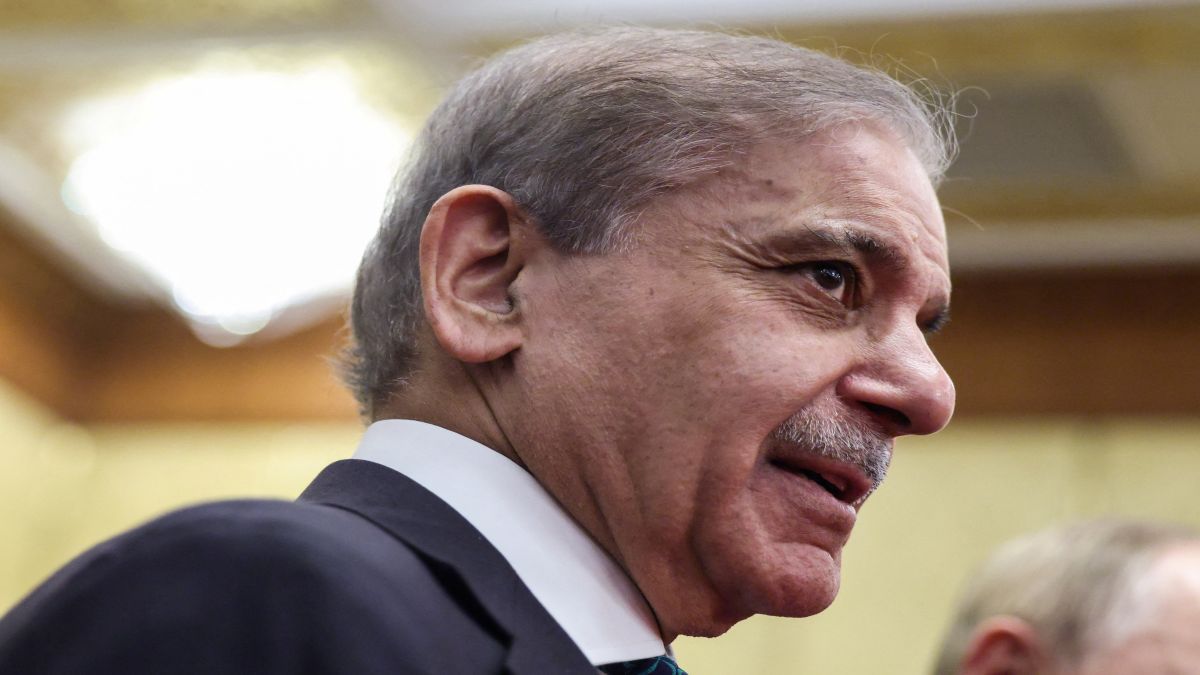
 "How Pakistan’s credibility crisis in West Asia could inflame tensions in South Asia")
Amidst the heavy bombings, disruptions and bloodshed going on in West Asia, Pakistan is once again exposed as an opportunistic nation that prefers backtracking and cowardice over fulfilling its commitments towards its friends and allies. When it comes to making hollow promises, Pakistan is always at the forefront. In September 2025, after Israel bombed a few alleged Hamas hideouts in Qatar, Pakistan vehemently criticised it and called for an immediate UN Security Council session to condemn Israel. Subsequently, in this series of empty promises, Islamabad also signed a strategic mutual defence agreement with Saudi Arabia, which clearly stated that “any aggression against either country shall be considered an aggression against both”.
In return, Saudis, always one of the key financial supporters of Pakistan, extended a $3 billion deposit with the State Bank of Pakistan in December 2025, accounting for about 20 per cent of the State Bank of Pakistan’s dollar reserves, to bolster Pakistan’s foreign exchange reserves. However, as Saudi Arabia faces the threat of Iranian attacks and desperately needs Pakistani support, Islamabad has chickened out, maintaining a cowardly silence and doubling down on secret backchannel talks with Iran to dissuade it from attacking Saudi Arabia.
Pakistan faces a difficult choice — on one hand, it has Saudi Arabia, with whom it has robust financial, cultural, religious, political, and strategic ties; on the other hand, Iran is a bordering state. Pakistan’s history with Iran has been much more complex. During Shah’s time, Pakistan, along with Iran, was one of the key pillars of the Central Treaty Organisation (Cento). Shah’s Iran rendered critical help to Pakistan, providing its bases, during Islamabad’s wars with Delhi. However, after the 1979 revolution, as an orthodox Shia clerical regime hijacked power in Iran, its relations with Pakistan turned sour. The old religious Shia-Sunni animosity increasingly impacted Sunni-dominated Pakistan’s ties with Shia Iran.
By 1979, the Sunni extremist forces, particularly Deobandis, had become immensely powerful and constituted the central axis of Islamism in Pakistan that largely defined the country’s political, cultural, social, economic, and geopolitical trajectory. Funded by the CIA, Pakistan’s ISI created an array of Deobandi terrorist organisations from 1979 onwards to counter the Godless Soviets in Afghanistan. Deobandi terrorist organisations, including the Harkat network, and domestic groups like Lashkar-e-Jhangvi and Sipah-e-Sahaba, carried out pogroms against the Shia community members. In the sectarian violence, these groups killed Shia Muslims, including an Iranian diplomat. These killings had repercussions on Pakistan’s ties with Iran.
Quick Reads
View AllThe other Deobandi terrorist groups, such as Tehrik-i-Taliban Pakistan (TTP), Haqqani Network, Taliban, and the most recent one, ISKP, nurtured deep-rooted hatred against the Shia Muslims. The Islamic State - Khorasan Province (ISKP) has indulged in killing Shia Muslims in shoot-outs and fidayeen attacks at Shia mosques. Reportedly, these groups maintain close ties with Pakistan’s security establishment, including its army and intelligence. Pakistan’s security establishment created most of these groups and supported them, and with belligerent groups like TTP and ISKP, it has maintained close links and provided finance and weapons to them. Even in the Pakistan Army, Sunni extremist elements have a strong penetration.
These sectarian tensions have cast a dark spell on its ties with Iran. Besides, the other issues, like oil smuggling from Iran, Baluch rebels maintaining bases in Iran and India’s strategic footprints in Iran, have also rankled its ties with Iran. In January 2024, the ties ruptured further with Iran dropping missiles and conducting drone attacks on the Sunni terrorist group Jaish-al-Adal’s bases in Pakistan’s Balochistan province.
Pakistan fears that formally supporting the Saudis will alienate the Shia Muslims. The Shia Muslims constitute 10 to 15 per cent of Pakistan’s population. In the Pak Army, also, though they are disproportionately fewer compared to Sunnis, they are present throughout the ranks. Alienating them can create serious problems on the domestic front. Additionally, Pakistan’s Sunni population will also not take Pakistan joining the US-Israel camp against Iran in a positive light. The overwhelming majority of South Asian Muslims view this war in religious terms as a war between the Muslims and the infidel Christian-Jewish alliance supported by their Arab client dynasts.
Further, in the event of Pakistan joining the war on the Saudi side, Iran is likely to rain missiles and bombs on Pakistan. Being a border state with its shoddy air-defence systems, Iran’s missiles can wreak havoc inside Pakistan. This can be extremely challenging for Pakistan, particularly when Pakistan is going through the worst phase of its relations with its two other neighbours, ie, India and Afghanistan. On the other hand, betraying the Saudis will dent Pakistan’s crucial economic lifeline, with the economy already in shambles.
Additionally, Pakistan’s internal weaknesses and opportunism stand exposed, shattering the myth of Pakistan being a net security provider in West Asia, on account of its nuclear arsenal. After Pakistan’s defence agreement with the Saudis, Turkey also expressed keen interest in the pact. Saudis aspired to bring Egypt and Somalia into this strategic ambit. These developments opened the possibility of the emergence of an Islamic Nato, and many analysts began exploring the idea of an Islamic NATO occupying centre stage in West Asia as the US recedes.
Through Islamic Nato, Pakistan aspired to emerge as a key player in the security architecture of West Asia. However, Pakistan’s reticence and opportunism have completely exposed it as an unreliable partner. With this, its strategic ambitions in West Asia also stand shattered.
To save its skin, Pakistan is trying desperate measures such as heating up the Afghan front. Recently, Pakistan has bombed military and civilian structures in Afghanistan. In its bombing of a school in Kabul, 400 children died. Likewise, Pakistan is also likely to increase tensions on the Indian border. With these acts, the Pakistan Army hopes to rally the domestic support behind it and present a seemingly legitimate excuse to the Saudis and the other Arab countries for its absence.
Finally, it must be noted that this has precedent. In 2001, when the Americans invaded Afghanistan after the September 11 attacks, Pakistan’s ISI orchestrated a terror attack on the Indian parliament, creating a war-like situation on its eastern front so that it could get a reasonable excuse to shift a large part of its army from the western front to the eastern front. The real purpose was to give space to the Al Qaeda terrorists who were moving into Pakistan after facing the American onslaught in Afghanistan.
(The author is a Cornell University graduate in public affairs, bachelors from St Stephen’s College, Delhi, and has done his PhD on Jaish-e-Mohammad. He is a policy analyst specialising in counterterrorism, Indian foreign policy and Afghanistan-Pakistan geopolitics. Views expressed in the above piece are personal and solely those of the author. They do not necessarily reflect Firstpost’s views.)

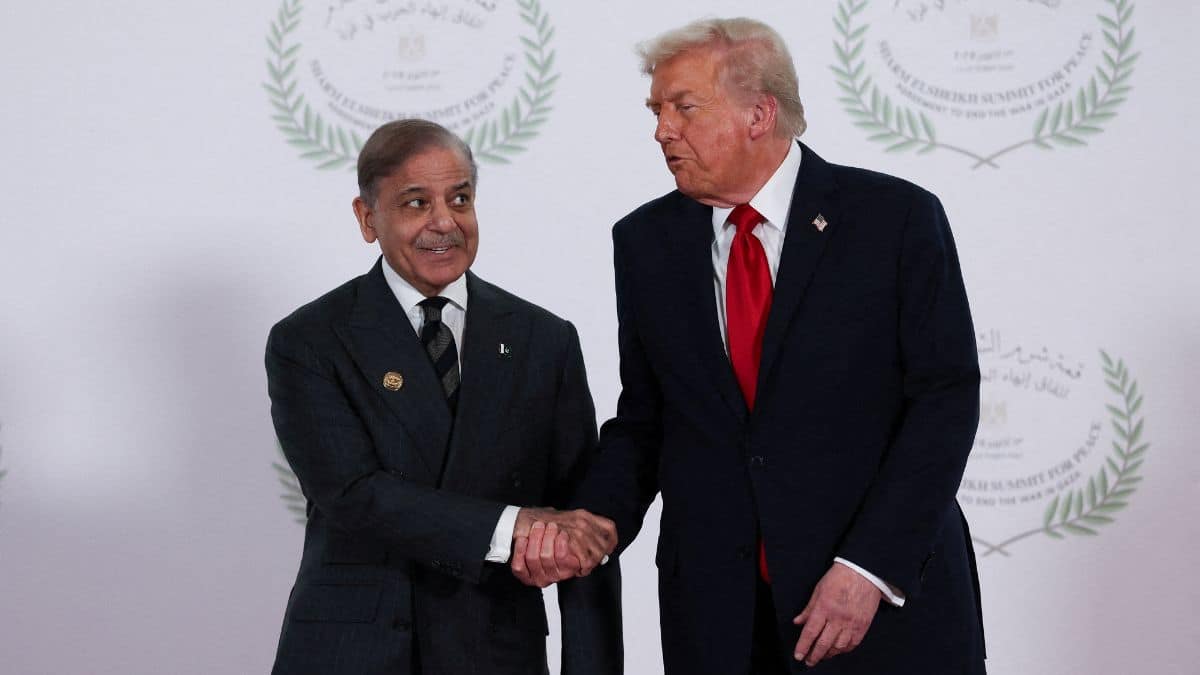
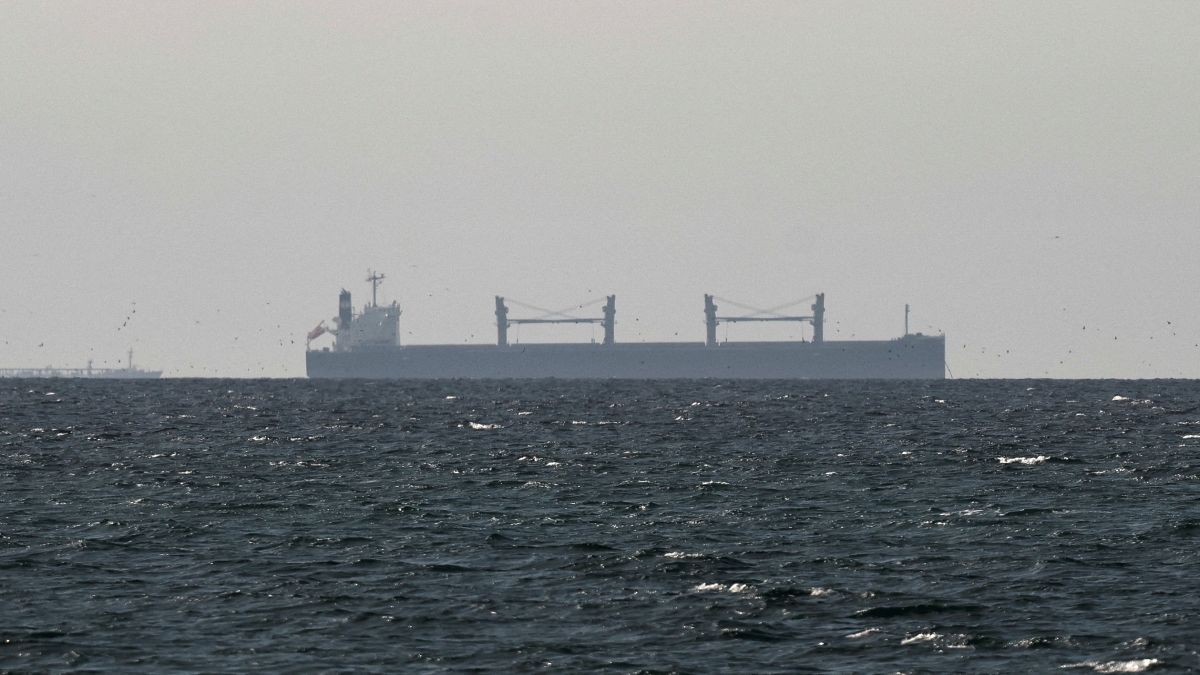 "Iran Israel War Live Updates: Iran plans law to charge fees on ships passing through Strait of Hormuz")
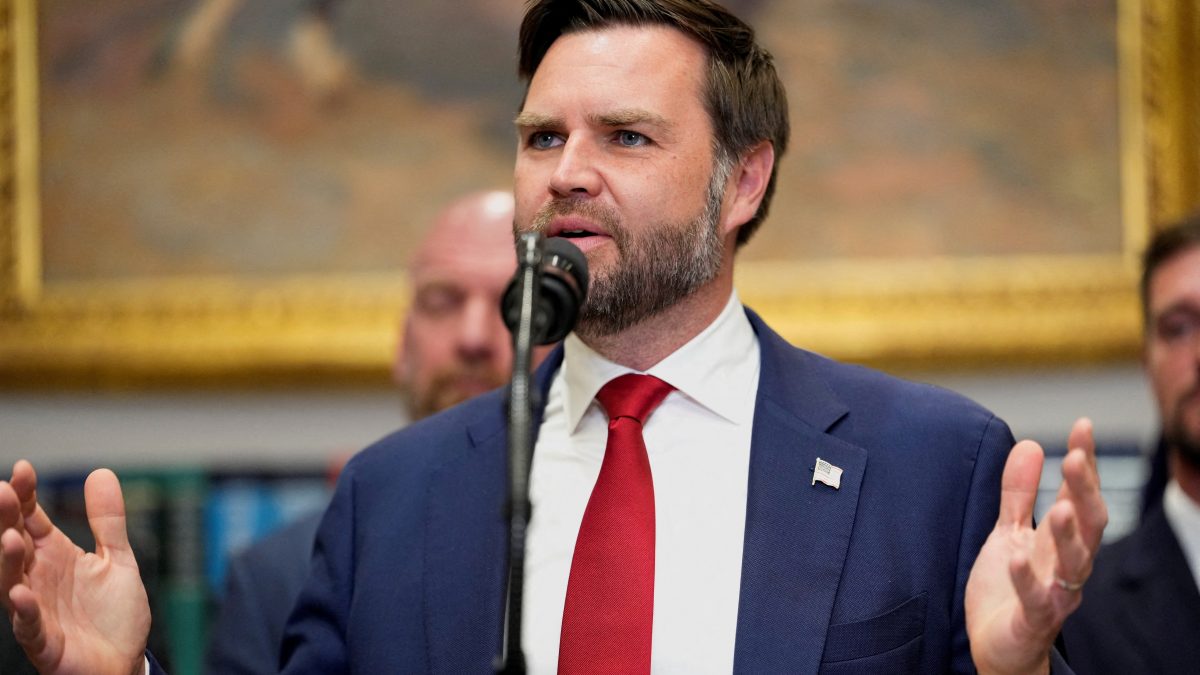 "US to send JD Vance to Pak over the weekend as Iran war enters fourth week: Report")
 "Will Iran and US be able to end the war? Why peace talks seem to be going nowhere")
 "Iran Israel War Live Updates: Iran plans law to charge fees on ships passing through Strait of Hormuz")
 "US to send JD Vance to Pak over the weekend as Iran war enters fourth week: Report")
 "Will Iran and US be able to end the war? Why peace talks seem to be going nowhere")