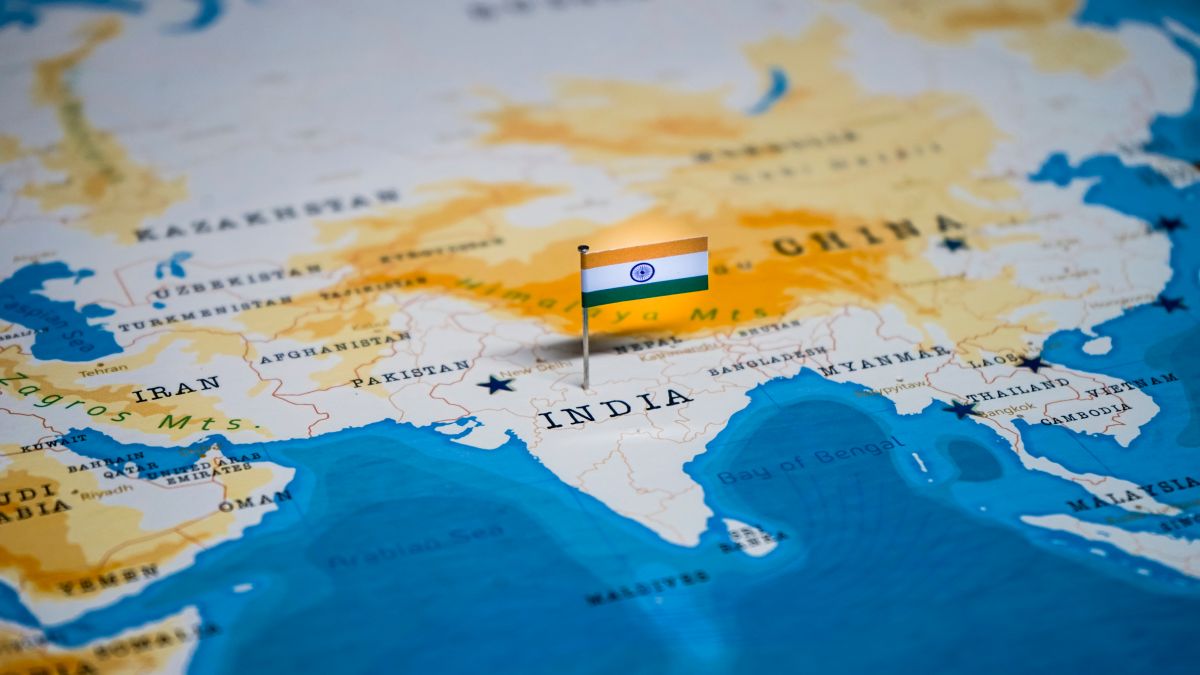
 "How India will steer itself to a leadership role in the shifting world order")
Henry Kissinger’s World Order argues that a world order underlines structured interaction among nation-states to ensure stability. For him, the genesis of this conception goes back to the Treaty of Westphalia in 1648 at the end of the Thirty Years War. He places the US at the helm of world order in the aftermath of the Second World War.
Kissinger’s subjective analysis of the American, Chinese, European, Indian, Islamic, Japanese, and Russian views of the world is designed to foreground the US’ role in securing order in the chaotic world, characterised by the First and the Second World Wars. The American interventions were construed as realistic in stitching order to the disorderly world ravaged by war and antagonism. Democracy became the instrument and ideology in the US’ narrative of world order.
The development of modern, multilateral international institutions such as the United Nations Organisation (UNO), International Monetary Fund (IMF), the World Bank, International Court of Justice (ICJ), World Health Organization (WHO), etc, positions the US at the seat of power in global decision-making. Kissinger, however, viewed India disparagingly as embroiled in the lethargic statist socialist framework and anti-entrepreneuriality. Given these generalisations or binarism of the US versus the rest, India has been misread. Its enduring underlying realities have been missed.
Bharat’s core civilisational strength is its unfailing spirituality and its ceaseless continuity, dharmic foundation, and the inherence of the ethos of unity. The West may claim its polity of unity to the Treaty of Westphalia in 1648. India’s political conceptions of Janapada federalism since the time of Buddha and the ethics-governed political order enshrined in the Ramayana and the Mahabharat indicate the existence of a deep antiquity. They persist in the Indian collective unconscious.
The ethics-based political order demonstrated in the _Ramayan_a and the Mahabharat is not anachronism for the Indians. They continue to impact and influence them in everyday reality. The West’s denial of the pre-Christian or pagan Greek worldview of collectivity and the ethical conceptions of polity forced it to experience medievalism, characterised by theocracy, anti-tradition and uncritical suspicion of the Hellenic worldview. The recovery came through an intellectual return to its Hellenic antiquity through the Renaissance intellectual and historical breakthrough. The difference came through the return to Greek rational antiquity.
Quick Reads
View AllThus, India needs to shrug off the weight of its colonial historicity, characterised by imposed assumptions of Indian infantility and the West’s adulthood. It must follow its civilisational ideal of an ethics-based world order, shared success and ethos of mutuality, not a synthetic and antagonistic view of social justice.
What the world needs the most today is leadership or a world order of mutuality. The West’s conflict model has failed. The world needs a recovery model. India must fill the gap. It retains its civilisational continuity despite the historicity of Islamic imperialism and European colonialism. The prolonged Russia-Ukraine War, fragile West Asia, increasing Chinese hegemony, and the US’s interventionism, double-dealing and democratic authoritarianism engender a scope for multipolarity and conflict of interests, leading to unstable world order. Ideological polarisation divides countries into antithetical groups, promoting axis formation.
The withdrawal syndromes of the US for protectionism generate a vacuum for global leadership. The domestic economic instability forces Donald Trump to adopt a policy of centripetalism. The scope for convergence may shrink. It may restrict the distributive economic logic of globalisation, making the margin converge with the centre through outsourcing and Foreign Direct Investment (FDI). Trump’s tariff hike on the goods suggests his economic conservatism and neoclassical economic model. It is a contra-globalisation model against the matrix of neoliberalism.
The Chinese economic exploitation through the Belt and Road Initiative (BRI) and the debt trap model increased apprehensions in the collaborating nations. Its Tianxia political objective is to bring the world under one canopy and exercise Chinese authoritarianism. The rebalancing of the world order does not seem to come from China.
Given these realities, much hope is pinned on India to reverse the status quo. The Indian approach, which is based on pluralism, democracy, civilisational convergence, peaceful coexistence, multilateralism, soft power diplomacy, its strategic outreach, and its resolve to lead the global south, emerges as an effective alternative. India’s connectivity initiatives in Asia and intercontinental connectivity India-Mediterranean Economic Corridor (IMEC), International North-South Transport Corridor (INSTC) from India to Iran involving a multi-modal network, Asian Highway 1 (AH1) from Tokyo to Tehran, Asian Highway 2 (AH2) from Indonesia to Iran, African outreach with business, culture and education. Vaccine Maitra, instant humanitarian effort in the event of natural calamity or any other disaster, and globally permeated diaspora constitute a compelling causality to take up the global leadership role. Its young demography is a great asset.
The skilled Indian youth can replenish the demand for a workforce in rich and ageing countries. An honest and efficient Indian workforce deeply rooted in culture and ethics is a growth driver for a nation. A strong diaspora enhances the scope of the remittance economy for the country. Indian diasporic penetration in overseas countries augments India’s lobbying power to get its message through.
Yoga, Buddhism, Ayurveda, cuisine, spices, philosophy, linguistics, grammar, mysticism, spirituality, and consciousness studies have already established India’s prestige globally. Its steady and impactful rise also inspires envy among its competitors. However, its incremental leadership role on the international platforms from the global south is not taken well by the established powers. The US and China find it potentially challenging to their hegemonic structures. Climate crisis, counter-terrorism, supply chain, nuclear control, radicalism, poverty, ideology-driven animosity, cyber threats, etc, are some immediate global issues that will surround India once it positions itself at the helm of global leadership.
India’s soft power depth has acquired meaning globally and put it in preparation to make itself relevant in the global scheme of things. Therefore, the India story is waiting to be rewritten. Indications are strong. It is just a matter of time to leap. Hence, Kissinger’s political thesis may prove true that India will steer the future global balance of power as he writes, “India will be a fulcrum of twenty-first-century order: an indispensable element, based on its geography, resources, and tradition of sophisticated leadership, in the strategic and ideological equation of the region and of the global order at whose interaction it stands.”
Dr Jajati K Pattnaik is an Associate Professor at the Centre for West Asian Studies, School of International Studies, Jawaharlal Nehru University, New Delhi. Dr Chandan K Panda is an Assistant Professor at Rajiv Gandhi University (A Central University), Itanagar. Views expressed in the above piece are personal and solely those of the authors. They do not necessarily reflect Firstpost’s views.

 "'PM Modi a fantastic man... we're going to have a good deal': Trump tells Moneycontrol | Watch")
 "Is Canada preparing for a US invasion as Trump unsettles allies? Report says...")
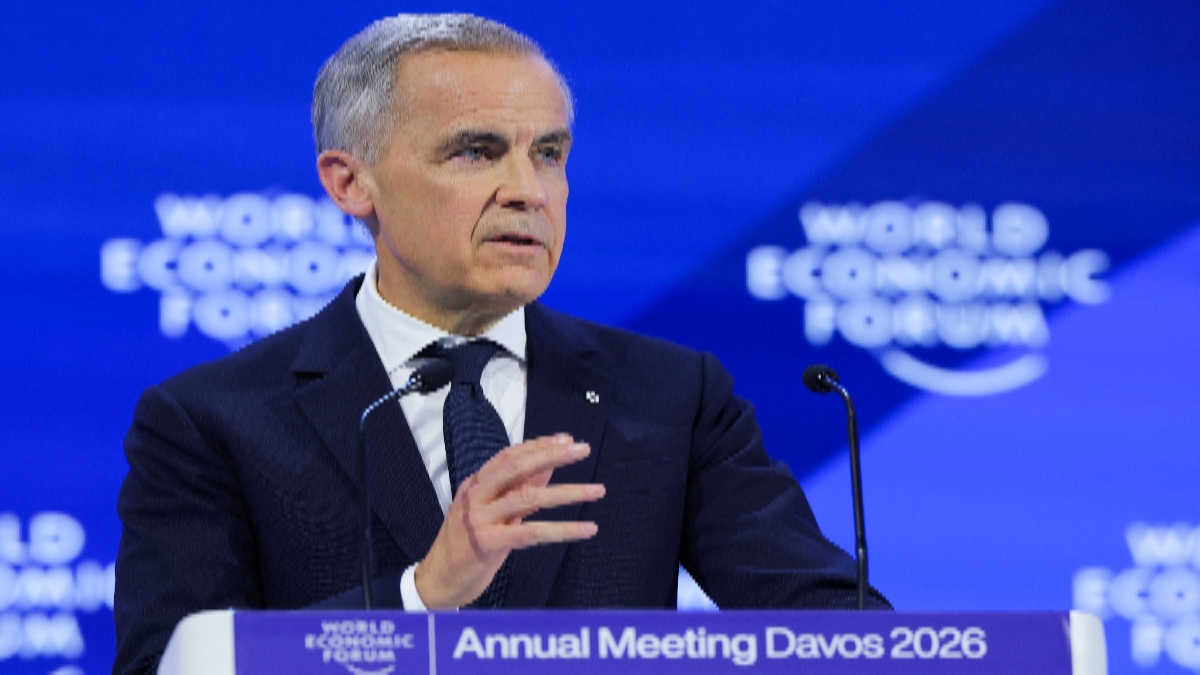 "‘Rules-based order is fading’: When Carney responded to Trump challenge in Davos | Full text")
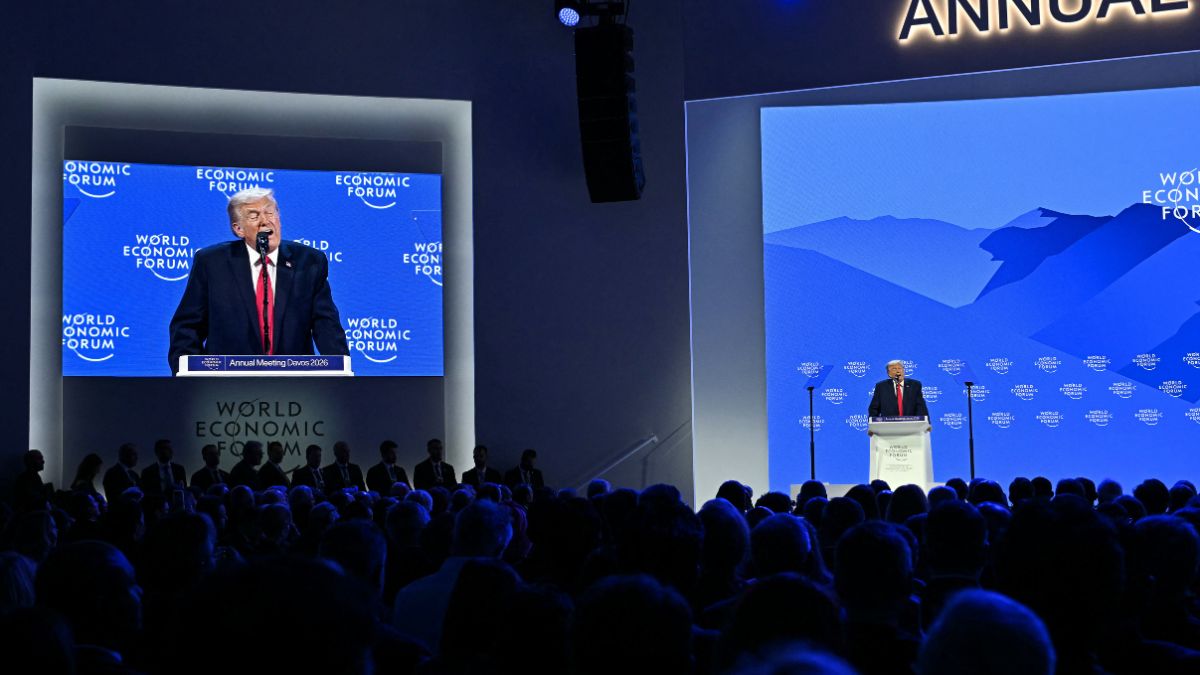 "Davos 2026 Live Updates: Trump says he won’t use force to take Greenland, warns Europe is ‘not heading in the right direction’")
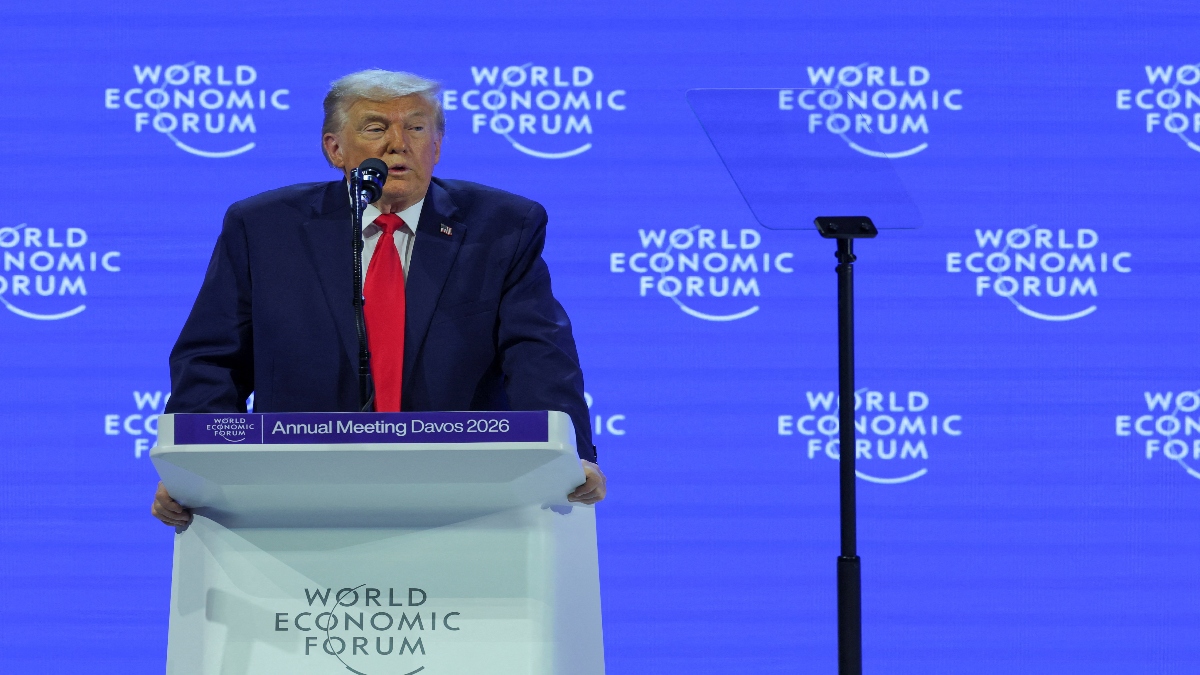 "'PM Modi a fantastic man... we're going to have a good deal': Trump tells Moneycontrol | Watch")
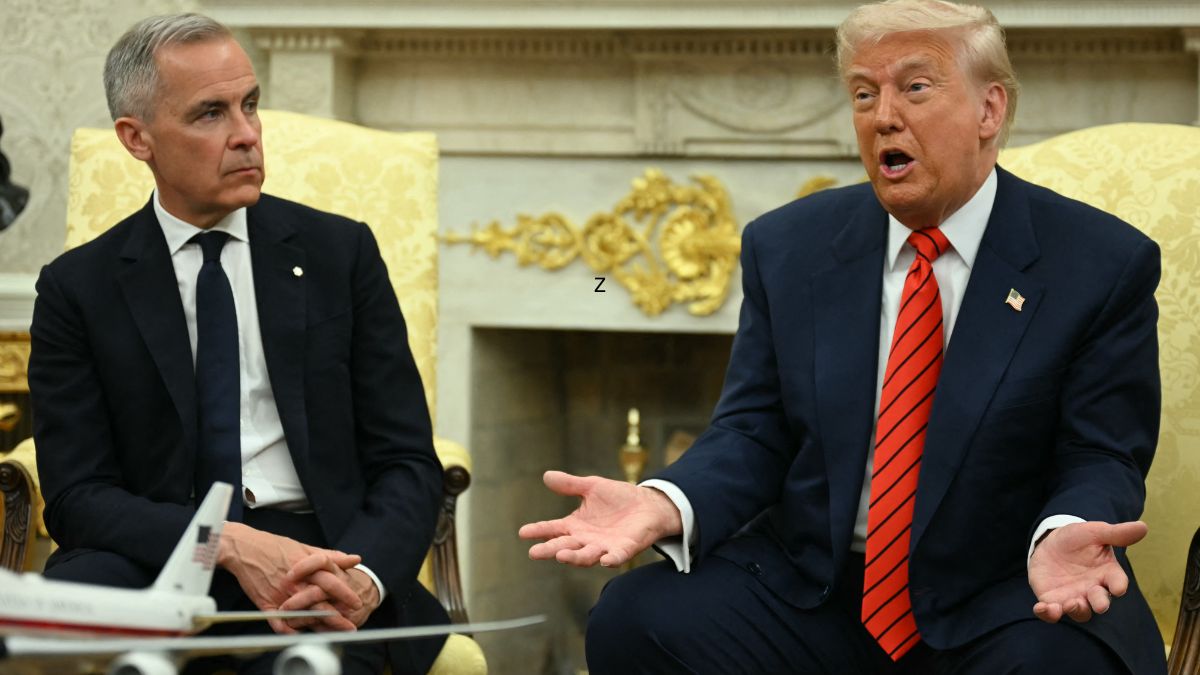 "Is Canada preparing for a US invasion as Trump unsettles allies? Report says...")
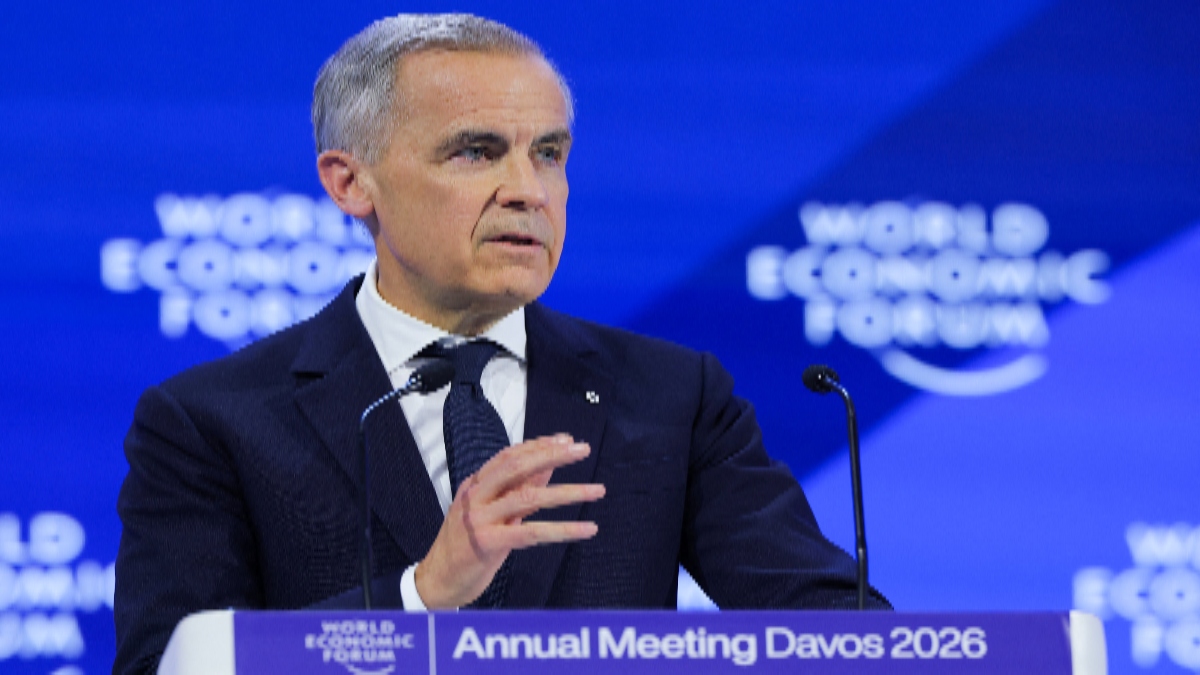 "‘Rules-based order is fading’: When Carney responded to Trump challenge in Davos | Full text")
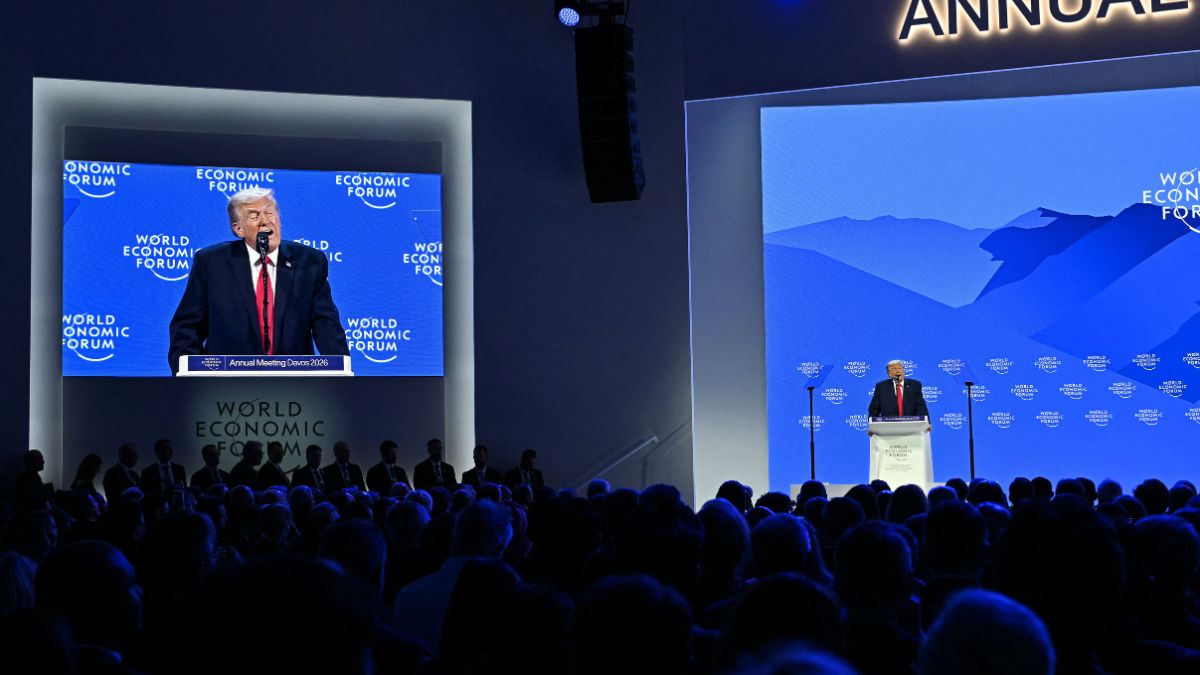 "Davos 2026 Live Updates: Trump says he won’t use force to take Greenland, warns Europe is ‘not heading in the right direction’")