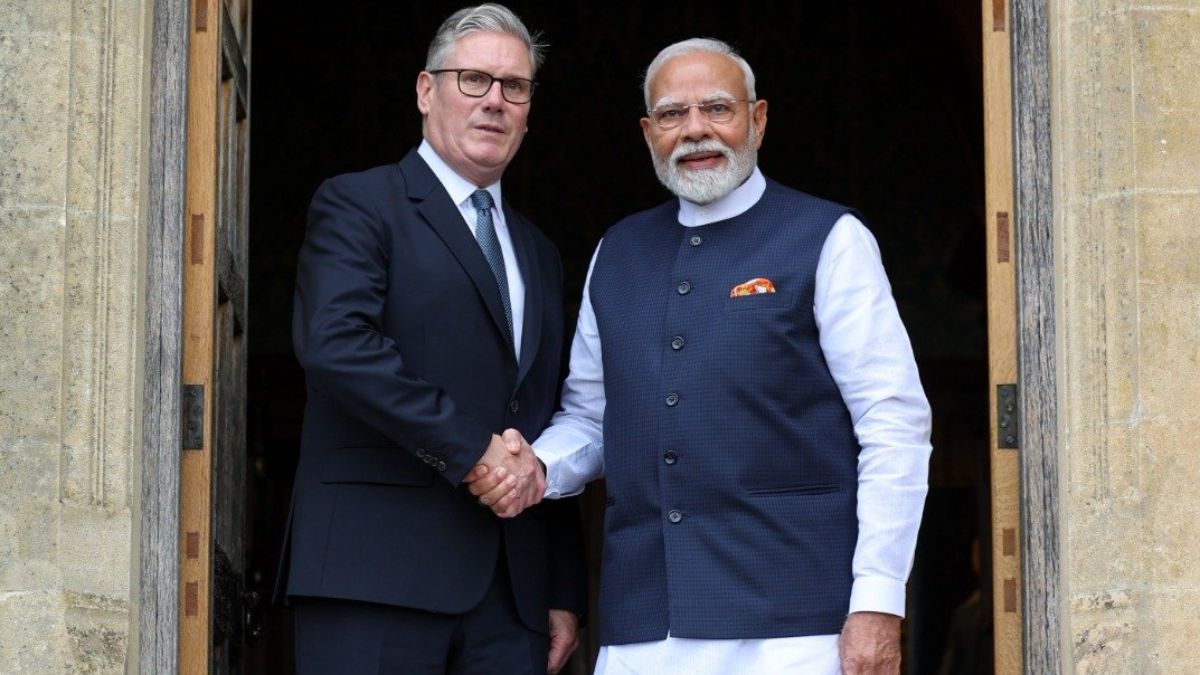
 "From caution to confidence: How India repositions itself with UK trade deal")
In a world increasingly shaped by economic nationalism and rising trade tensions, India and Britain have broken new ground. The signing of the long-awaited India-UK Free Trade Agreement (FTA) during Prime Minister Narendra Modi’s visit to London this week is not merely a matter of commerce; it is a significant geopolitical and economic pivot. After three years of negotiations, the agreement signals that India is prepared to shed its historically protectionist stance and engage more assertively with Western economies.
The context of this agreement is as crucial as its content. With the global trade environment becoming more uncertain, especially in the Trumpian era, New Delhi finds itself in urgent need of new partnerships. The FTA with Britain is both a tactical hedge and a long-term strategy. It not only buffers India against looming tariff threats from the U.S. but also serves as a statement of intent to other Western powers like the EU and Canada: India is ready to do business.
The numbers associated with the deal are compelling. British projections estimate the FTA could boost bilateral trade by £25.5 billion annually by 2040. In 2023, trade between the two nations stood at £42.6 billion, making India the UK’s 11th-largest trading partner. Once approved by the British Parliament and India’s Cabinet, the deal would take effect within a year and eliminate duties on 99 per cent of Indian exports to Britain. Key sectors such as textiles, agriculture, and pharmaceuticals will benefit substantially, offering Indian businesses a new, lucrative market with fewer entry barriers.
From the British side, India has agreed to reduce tariffs on 90 per cent of goods, including high-value exports like whisky, gin, cars, machinery, and medical devices. The most headline-grabbing changes involve alcoholic beverages: current tariffs of 150 per cent on whisky and gin will drop to 75 per cent initially and eventually to 40 per cent. Similarly, the tariff on imported cars, which exceeds 100 per cent today, will be slashed to just 10 per cent. These are not minor concessions—they represent a major shift from India’s traditional protectionism.
Quick Reads
View AllIndia has long had an ambivalent relationship with free trade. Past FTAs, especially those with ASEAN and South Korea, have led to rising trade deficits and triggered significant domestic backlash. Critics argue these deals have undermined local manufacturing and hurt micro, small, and medium enterprises (MSMEs). The Modi government had, until recently, taken a cautious approach, even walking away from the Regional Comprehensive Economic Partnership (RCEP) in 2019. But the urgency of the current geopolitical moment appears to have prompted a re-
evaluation.The United States’ recent decision to impose steep new tariffs—up to 26 per cent—on Indian exports from August 1 has undoubtedly added pressure. These measures could severely impact Indian steel, aluminium, and pharmaceutical exports. With such threats looming, securing bilateral deals with trusted partners becomes not just prudent policy but a strategic imperative. The UK deal, in this light, is both a counterweight to American protectionism and a bridge to a broader Western alliance.
Moreover, the FTA holds promise beyond trade. It includes provisions to facilitate smoother cross-border working arrangements, enhance transparency, and collaborate on labour and digital standards. It also aims to bolster India’s growing MSME sector, particularly those focused on sustainability and technology. The implications for Indian startups and green-tech firms are enormous, especially as both nations push for greener, digitally empowered economies.
Importantly, the FTA is nested within the larger framework of the India-UK Comprehensive Strategic Partnership. Defence and security cooperation is a natural extension of this trajectory. In February, the two nations signed a defence cooperation framework covering missile development, naval propulsion systems, and joint assembly facilities. The synergy is not new—India has historically acquired platforms like the SEPECAT Jaguar and Westland Sea King from the UK—but what is new is the depth and trust now evident.
This deepening partnership must also be seen in the context of Britain’s post-Brexit recalibration. The UK is eager to secure new trade relationships outside the EU, and India—with its vast market, skilled workforce, and growing middle class—is a natural partner. According to British estimates, India’s middle class is expected to reach 60 million by 2030 and grow to around 250 million by 2050. Import demand is projected to rise by 144 per cent by 2035. This demographic and economic dynamism makes India an attractive destination for British goods, services, and investments.
The India-UK FTA is, therefore, more than a bilateral pact; it is a signpost of a changing India. It reflects New Delhi’s recognition that economic strength and strategic autonomy are interlinked—and that engaging with the West need not come at the cost of sovereignty or self-reliance. Rather, carefully calibrated trade agreements can be instruments of national strength, allowing India to shape the terms of engagement from a position of confidence
Of course, challenges remain. Indian industries such as dairy, auto parts, and agriculture remain wary of import surges. The bureaucracy must be agile enough to implement complex trade provisions. Regulatory clarity, customs facilitation, and dispute resolution mechanisms will need to be robust. But if executed well, the FTA can serve as a template for future agreements with the EU, the US, and beyond.
The Modi government has demonstrated a welcome pragmatism with this deal. It is not abandoning domestic industry; it is positioning it for global competitiveness. And it is doing so with an eye not just on economics but on long-term strategic alignment with Western democracies.
As the world tilts toward uncertainty, India’s decision to step confidently into new partnerships speaks of maturity and self-confidence. The India-UK FTA could well be the first of many such moves, redefining India’s place in the 21st-century global order—not as a reluctant participant, but as a proactive leader.
The writer is a technocrat, political analyst, and author. He pens national, geopolitical, and social issues. His social media handle is @prosenjitnth. Views expressed in the above piece are personal and solely those of the author. They do not necessarily reflect Firstpost’s views.

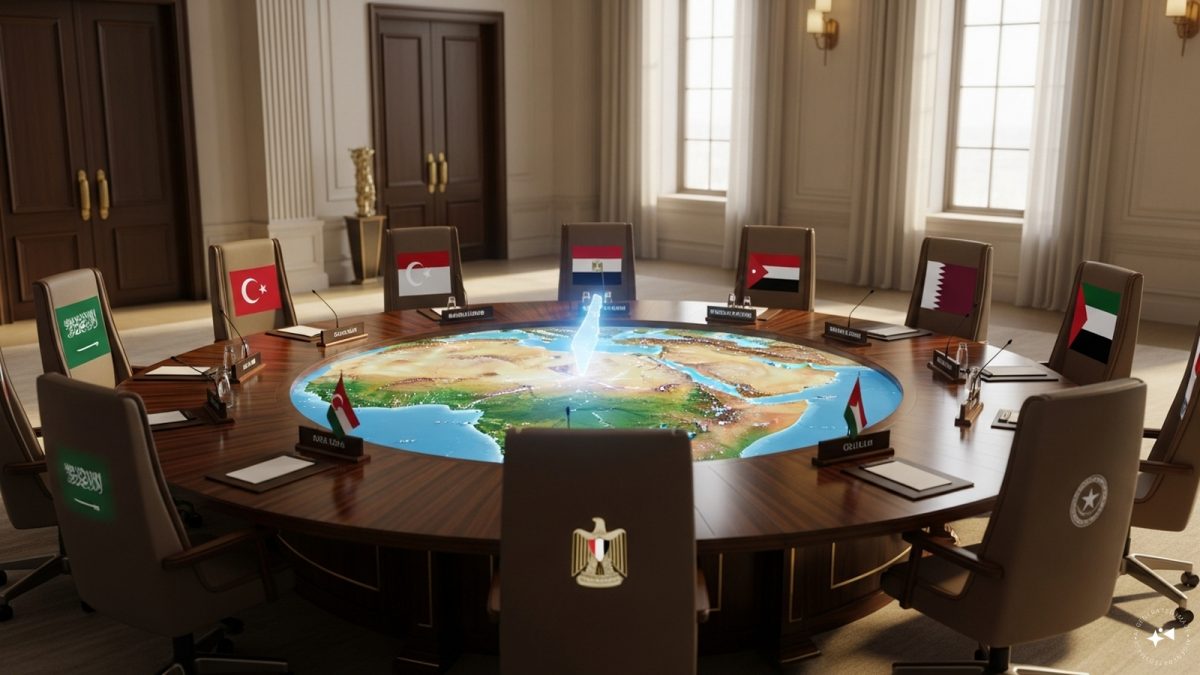 "Saudi Arabia, Turkey, Egypt, Jordan, Indonesia, Pakistan, Qatar, UAE accept Trump 'Board of Peace'")
 "'PM Modi a fantastic man... we're going to have a good deal': Trump tells Moneycontrol | Watch")
 "Greenland unveils 'crisis' guidelines as Trump renews call for talks on taking island")
 "Is Canada preparing for a US invasion as Trump unsettles allies? Report says...")
 "Saudi Arabia, Turkey, Egypt, Jordan, Indonesia, Pakistan, Qatar, UAE accept Trump 'Board of Peace'")
 "'PM Modi a fantastic man... we're going to have a good deal': Trump tells Moneycontrol | Watch")
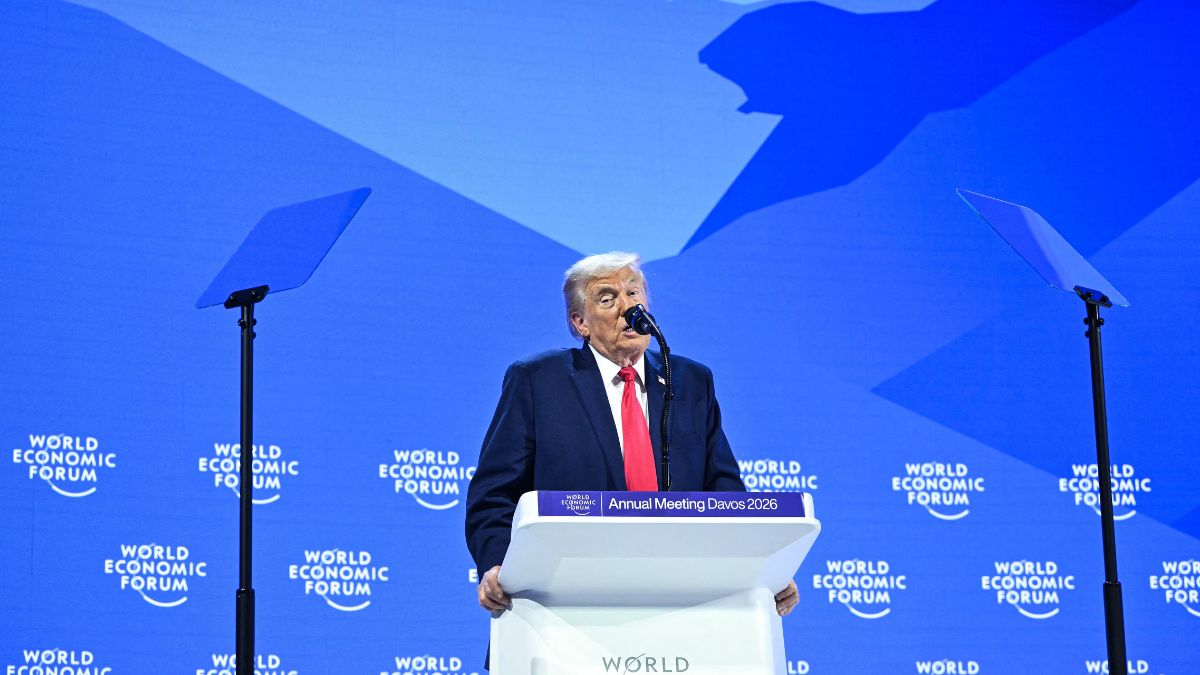 "Greenland unveils 'crisis' guidelines as Trump renews call for talks on taking island")
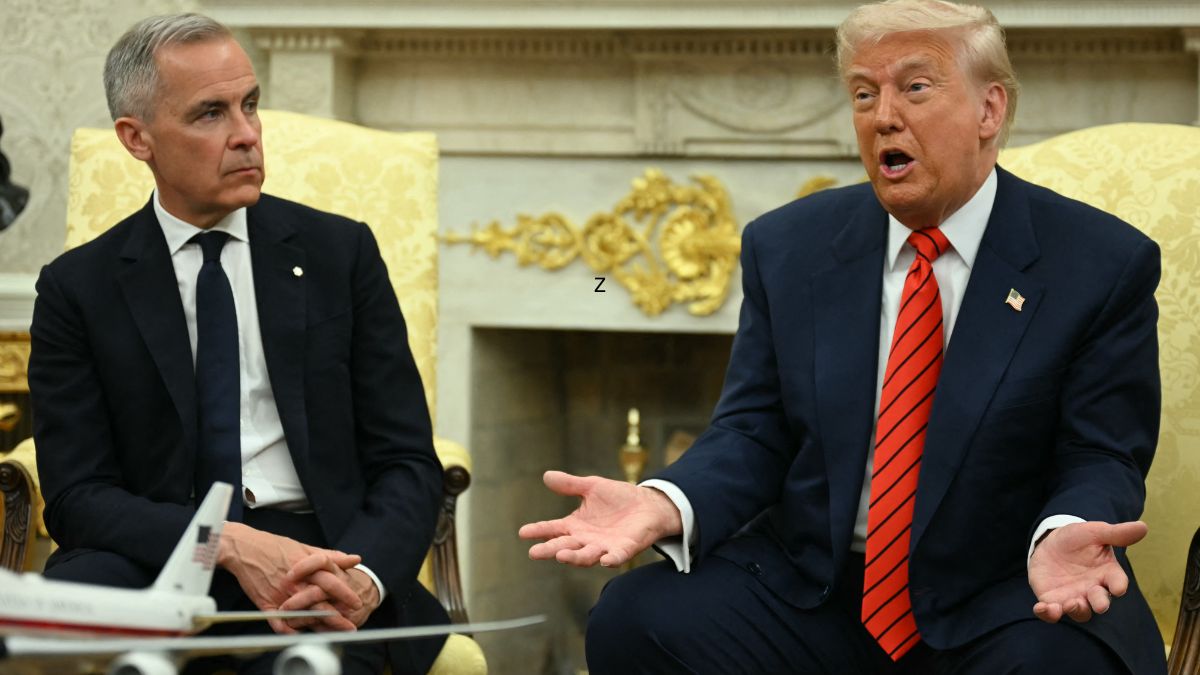 "Is Canada preparing for a US invasion as Trump unsettles allies? Report says...")