

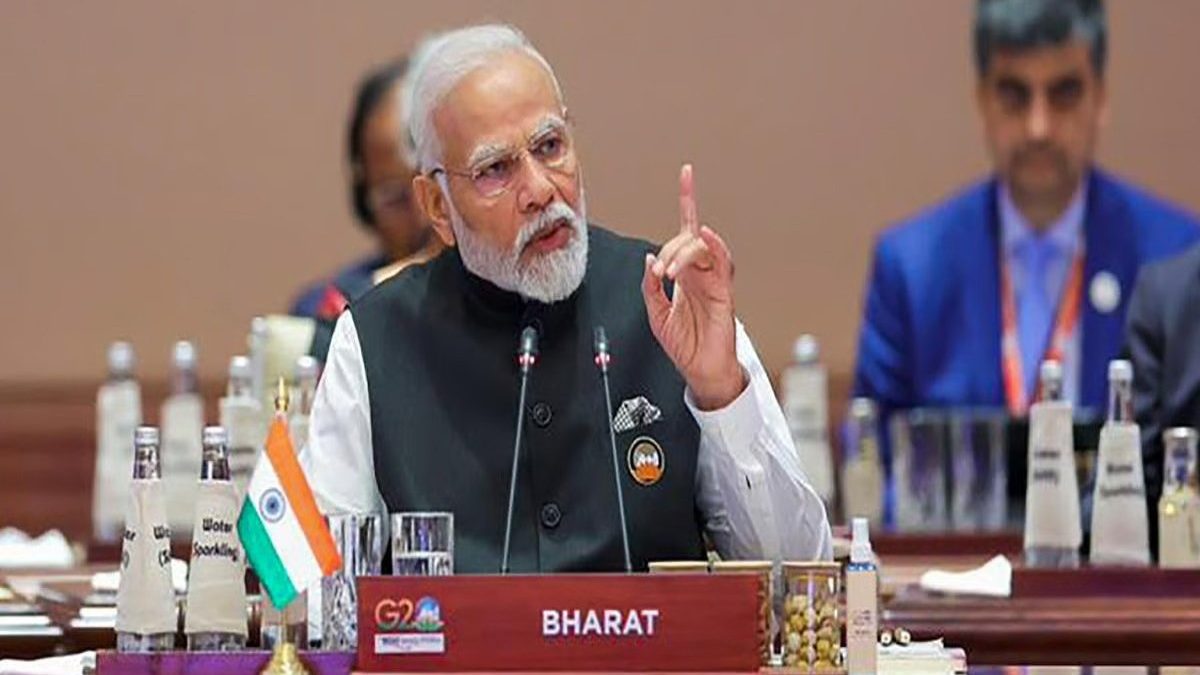
 "Foreign policy on menu: Why India’s rising stature on global stage is a big part of PM Modi’s campaign speech")
This election season rings different. The first phase is already over, and the heat is on – both in terms of India’s unforgiving summer and the soaring temperature of the poll campaigns as the incumbent and the Opposition go in for the kill. Amid the cut and thrust of usual campaign rhetoric, it is worth noting, however, that foreign policy and India’s rising stature in the world are percolating down to the masses to become hot topics at election rallies. And prime minister Narendra Modi is at the forefront of this change.
This is unusual in a nation where corruption, price rise, inflation, unemployment, caste equations and even hate speeches are sine qua non as electoral planks. Domestic issues dominate because Indians tend to be excellent at navel-gazing.
The Opposition is still trying its best to tie down the scope and scale of the Lok Sabha polls to issues of bread and butter and keep it hyper local where the candidates, their religious identities and caste equations and not the charismatic prime minister, are in focus. This is understandable since the BJP stands to gain if the mode becomes presidential.
Conversely, the BJP is trying to tie the self-worth of Indians to the country’s increasing currency on the global stage, arguing that Modi is the true ‘change agent’ and the only leader capable of decolonizing Bharat, and earning the proud civilizational state its rightful place in the global comity of nations. It is as esoteric as it comes.
Impact Shorts
More ShortsThis is not because the BJP doesn’t have anything to show for its 10-year rule at the Centre. From building infrastructure at breakneck speed, to pulling millions of Indians out of poverty, from ensuring that India remains the fastest growing major economy poised to become the third largest economy in the world to using technology to create 500 million bank accounts for the poor for direct benefit transfers – the Modi government has a lengthy list of achievements in its report card as it seeks another term at the helm.
The focus on foreign policy has a different motivation, one that has to do with liberalization and subsequent economic upliftment of Indians. The aspiration of the average citizen has gone up. The BJP understands this more than the Opposition.
If the Opposition’s attempt is to localize the elections to minimize the effect of Modi, who remains the world’s most popular leader even after two stints at the helm, the BJP is saying that the issues and the impact of this electoral exercise is different because this is an election to choose the future of India through a leader who is the best candidate to work towards achieving the objective of making India a ‘Vikshit Bharat’ (developed Bharat) by 2047.
It is fascinating that the BJP is the only party among the multitudes in fray that talks about the ambitious goal of making India a developed nation and even setting a deadline for it. It seems to have a vision that is wider than its opponents. By the looks of it, the party might be on to something.
More and more Indians are interested about India’s place in the world and their role in it. The younger generation, even more so. This is significant in a country that enjoys a young demography. As the middle class widens, foreign policy, international relations, geopolitical tensions are transforming from elite preserve to talks points for the masses.
In its third iteration of ‘Foreign Policy Survey’ carried out in 2023, Observer Research Foundation, a New Delhi-based think tank, found that there is “strong public support for the government’s foreign policy (83 per cent)”. The survey was conducted among 5,000 Indians between 18 and 35 years in 19 different cities and 11 languages from August 7 to September 15, 2023, and its findings were published in a piece by Harsh V Pant and Aditya Gowdara Shivamurthy in Open magazine.
The 2023 survey also indicated that 83 per cent respondents believe India’s G20 presidency “has been successful”, a marked change from 2022 when 74 per cent respondents were unaware of the G20 grouping. Also notable is that a staggering 88 per cent respondents (young Indians, according to the sample) want India to have a permanent place at the high table of UN Security Council.
Little wonder that this is a stated goal in BJP’s manifesto (Sankalp Patra) for the ongoing elections.
These conclusions are reinforced by the February 2024 India Today Mood of the Nation poll of over 35000 people in all Lok Sabha seats where 19 per cent respondents credited prime minister Modi “for raising India’s global stature.” In terms of numbers, this figure was second only to the 42 per cent that said the Ram Mandir Pran Pratishtha ceremony “was the major highlight of the Narendra Modi government.”
The difference in attitude from a couple of decades ago is stark. As professor Rohan Mukherjee points out in Foreign Affairs, “a survey on the foreign policy attitudes of over 200,000 Indian households in 2005 and 2006, for example, found that 82 per cent of members of India’s lowest socioeconomic group did not know what they thought or could not answer questions about foreign policy, compared with 29 per cent among the highest socioeconomic group.”
Compare that to more recent opinion polls by CVoter and CPR India in 2022 that found 33 precent Indians believing that India wields “ the most influence in Asia” and another by YouGov (along with CPR India and Livemint) that in 2023 found that 46 per cent respondents credit Modi for elevating India’s stature.
Survey after survey indicate India’s growing interest in foreign affairs and a rising self-confidence that India’s stock is on an upswing, and the country should assert its presence on the global stage. To Modi’s credit, he has understood the pulse of the nation and has placed himself as the harbinger of change. The narrative is symbiotic, that of a rising Bharat led by a strong leader willing to stand its ground for India’s interests, be it withstanding western pressure to keep buying Russian oil and fertilizers, staring down Canada over the Khalistan issue, or launching an air offensive to take out terrorists hiding deep inside Pakistan.
Modi has matched his action with words, or else the narrative wouldn’t have found acceptance. In the current election season, the prime minister has moved to drive home the advantage, talking in election rallies of the “significance of the next five years in transforming India into a major global power”, or stressing on “the need for a government capable of handling any contingencies, alluding to ongoing conflicts such as the Russia-Ukraine war, tensions in West Asia, and the Iran-Israel conflict.” Modi hammers the fact that his government “prioritizes the nation’s interests and never succumbs to external pressure” and highlights his “effective handling of the Covid-19 crisis, bringing back citizens from around the world during the global chaos.”
As London-based Financial Times quotes schoolteacher Sarita Singh, fresh from casting her vote, as saying, “Modi-ji is coming back again… He is taking the country forward.”
Modi is playing on ‘Maslow’s hierarchy of needs’. Having fulfilled the basic physiological requirements of food, water, sanitation and shelter through targeted beneficiary programs with zero spillage, the prime minister now fashions himself as the only leader in business who can address the higher levels of motivation in Indians, buoyed by relative economic ease, who feel more confident of their place in the world and demand concomitant international respect.
Alongside, Modi has also broken the established rules of diplomacy, wrecking the staid world of rigid protocols and careful rehearsals to a more personal, swashbuckling style – building intimate relationships with world leaders and turning diplomacy into an infotainment for the masses. The heady cocktail of the man and the message has transformed into ‘the man is the message’ and Indians want more of it.
Views expressed in the above piece are personal and solely those of the author. They do not necessarily reflect Firstpost’s views.

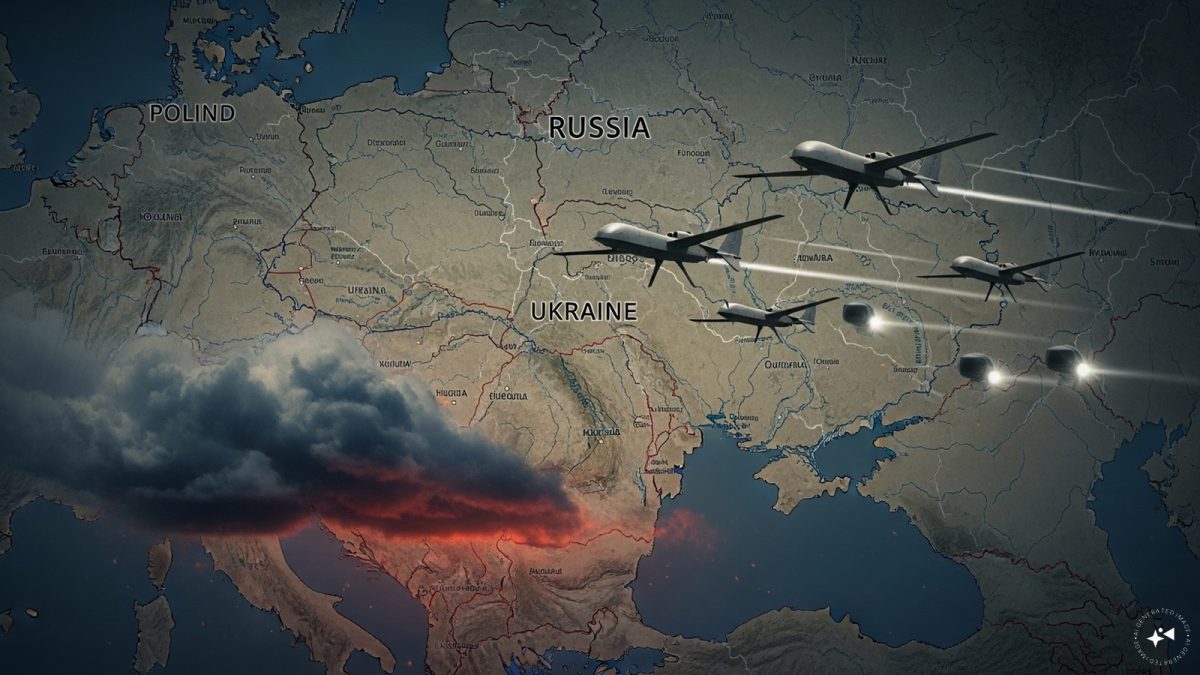 "Russian drones over Poland: Trump’s tepid reaction a wake-up call for Nato?")
 "As Russia pushes east, Ukraine faces mounting pressure to defend its heartland")
 "Why Mossad was not on board with Israel’s strike on Hamas in Qatar")
 "Turkey: Erdogan's police arrest opposition mayor Hasan Mutlu, dozens officials in corruption probe")
 "Russian drones over Poland: Trump’s tepid reaction a wake-up call for Nato?")
 "As Russia pushes east, Ukraine faces mounting pressure to defend its heartland")
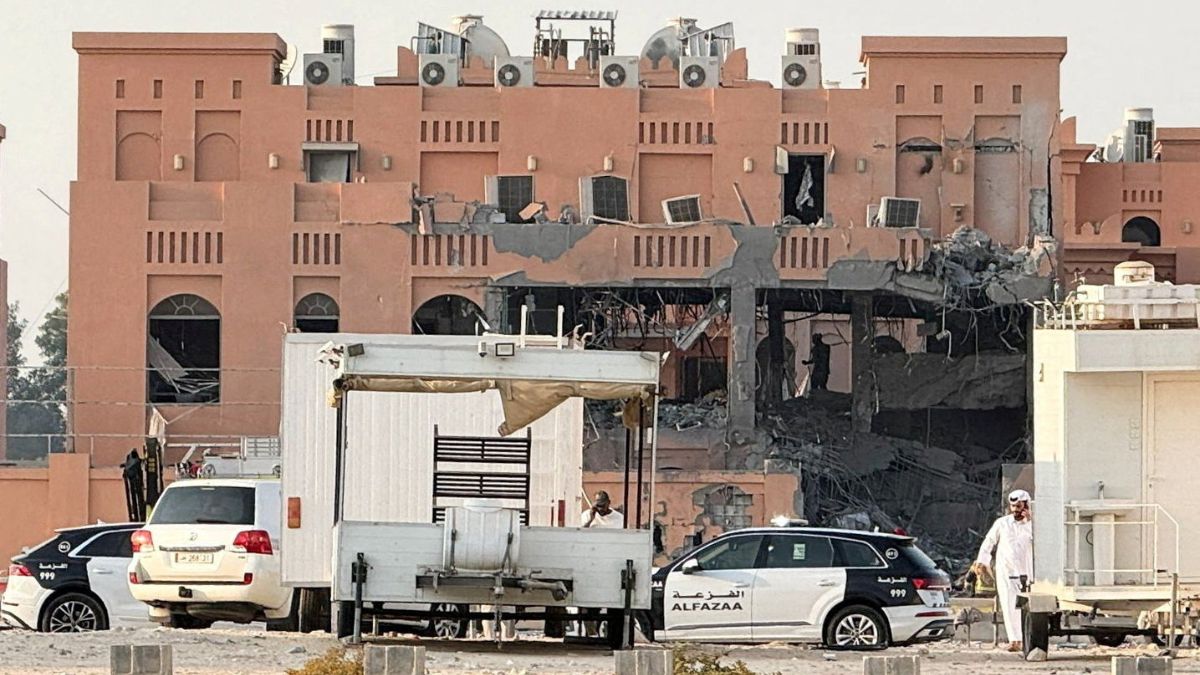 "Why Mossad was not on board with Israel’s strike on Hamas in Qatar")
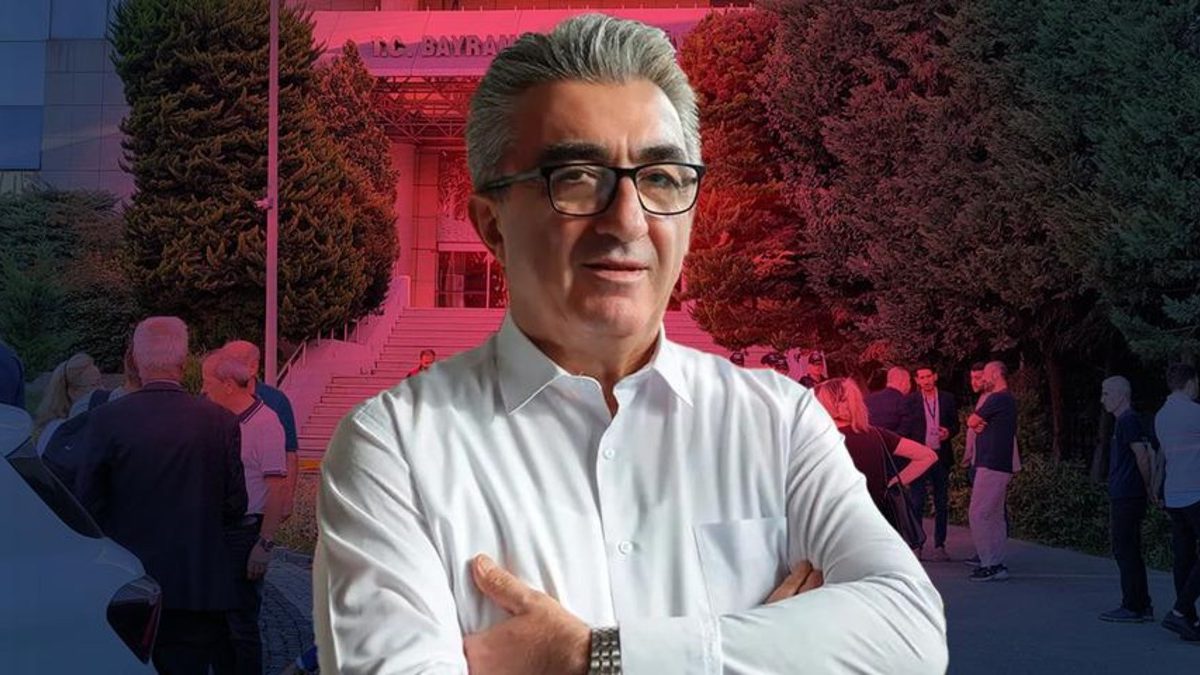 "Turkey: Erdogan's police arrest opposition mayor Hasan Mutlu, dozens officials in corruption probe")



