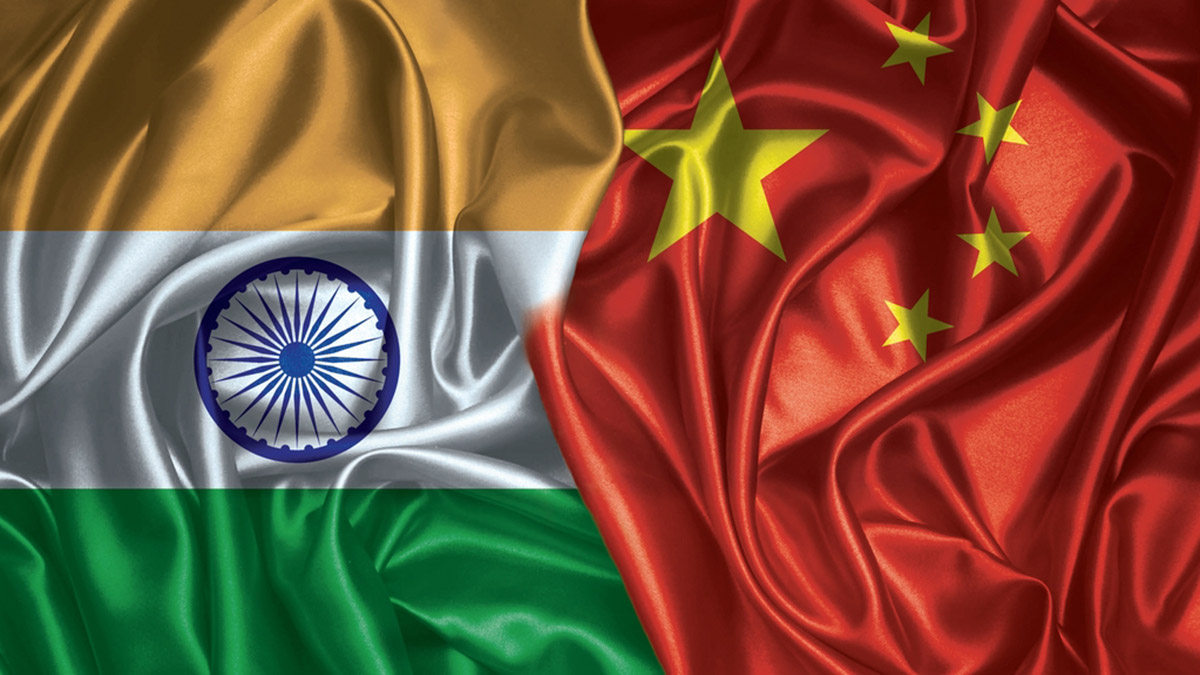
 "De-escalation with China: India needs a lasting solution, not temporary fixes")
At the Shanghai Cooperation Organisation (SCO) Defence Ministers’ Summit held in Qingdao, China, on June 26, 2025, Indian Defence Minister Rajnath Singh held an important bilateral meeting with his Chinese counterpart, Admiral Dong Jun. During the dialogue, he urged Beijing to commit to a lasting resolution of the boundary dispute and meaningful de-escalation along the Line of Actual Control (LAC). This marked the first high-level military interaction between the two nations since the disengagement agreement in eastern Ladakh, specifically in the Demchok and Depsang Plains, concluded on October 21, 2024. That agreement was formally endorsed during the Narendra Modi–Xi Jinping meeting on the sidelines of the Brics summit in Kazan, Russia, two days later.
Rajnath Singh presented a four-pronged roadmap aimed at preventing further deterioration in bilateral ties. The proposal emphasised (i) strict adherence to the 2024 Disengagement Agreement, (ii) sustained efforts to de-escalate tensions along the LAC, (iii) expedited negotiations to finalise boundary delineation and demarcation, and (iv) addressing the prevailing trust deficit in the interest of mutual benefit.
While the blueprint reflected India’s constructive intent, China’s response remained predictably muted. Beijing reiterated its standard line, ie, the border issue should not overshadow broader bilateral relations. Although China expressed support for dialogue, it stopped short of formally endorsing the Indian plan. This cautious and ambiguous diplomatic posture is characteristic of China’s approach: agreeable in tone, yet elusive in commitment.
India’s latest initiative underscores growing frustration with the stalemate in resolving the border issue. Despite the 2024 disengagement, China has shown little willingness to move toward a permanent solution. Notably absent from the current discussions were the five key agreements signed between 1993 and 2013, which laid down mechanisms for peace, confidence-building and border management. These agreements were flagrantly violated by China in April–May 2020, when the People’s Liberation Army (PLA) initiated large-scale incursions in eastern Ladakh to unilaterally alter the LAC’s status quo. This breach of trust undermined the Strategic Guidance Mechanism drawn up during the Modi–Xi meetings in Wuhan (2018) and Mamallapuram (2019).
Quick Reads
View AllMeanwhile, China has continued building dual-use infrastructure to boost its military posture along the LAC, particularly opposite Arunachal Pradesh. Over 720 Xiaokangs (model border villages) have been constructed, nearly one-third located near the LAC, potentially serving as Chinese military forward outposts. In 2021, Xi, during a visit to Tibet, directed the PLA to turn the region into a formidable defence shield. More recently, he called on Tibetan villagers near the Indian border to contribute to regional stability and prosperity—an appeal that reflects China’s strategy of civil-military fusion to consolidate control.
To further legitimise its territorial claims, in 2022 China passed the ‘Border Defence Law’. It continues to rename locations within Indian territory as part of ‘grey zone warfare’ tactics. The recently released White Paper on National Defence (2025), titled “China’s National Security in the New Era”, includes Tibet among regions threatened by “external forces”. This implicitly points to India being very much part of China’s risk assessment calculus.
China has historically preferred temporary agreements, which it can interpret selectively, while resisting structured boundary settlements, unless these serve Beijing’s interests. The Chinese Communist leadership tends to portray bilateral issues as manageable rather than resolvable. By delinking the border issue from overall relations, China retains the strategic flexibility to escalate tensions when required, especially concerning its claims over Arunachal Pradesh, which it refers to as “Zangnan” (South Tibet).
In the geopolitical arena, China continues to apply pressure on India through strategic alliances and economic instruments. It is deepening its presence across South Asia. China reaffirmed its support for the all-weather ally Pakistan during the recent ‘Operation Sindoor’. A growing trilateral involving China, Pakistan, and Bangladesh and potentially expanding into a quadrilateral with Turkey poses serious challenges to India’s security. China’s expanding footprint in Nepal and its planned investment in Bhutan’s Gelephu Mindfulness City (GMC) project, though involving India, warrant close monitoring, particularly given the site’s proximity to the sensitive Siliguri Corridor.
Economic pressure is another vector of China’s strategy. India’s trade deficit with China soared past $99 billion in 2024. Beijing is actively undermining Indian manufacturing through strategic export controls, regulatory restrictions, and labour pullbacks. A Bloomberg report revealed that over 300 Chinese engineers working for Foxconn in India were recalled to China. Additionally, China has curtailed the export of critical goods—including rare earth magnets vital for electric vehicle production, Diammonium Phosphate (DAP) fertilisers, and even the tunnel boring machines. By weaponising trade, China aims to retain control over the supply chains and impede the diversification trend embodied by the ‘China Plus One’ strategy.
Beijing’s ambition to reshape the global order is becoming increasingly evident. Its strategic alignment with Moscow and emerging partnerships with countries like Iran, Turkey, and North Korea signal a shift toward forming an alternate axis of power. Multilateral platforms like SCO and Brics are being leveraged to counterbalance the West-led alliances. In this calculus, a constrained and compliant India, geopolitically limited to South Asia, well suits China’s grand strategy.
In light of these complex dynamics, India must urgently adopt a holistic, long-term China policy anchored in national interest. A piecemeal or reactive approach will no longer suffice. A whole-of-nation strategy is needed, one that integrates diplomatic, military, economic, and technological capabilities. To this end, India needs to deepen engagement with like-minded coalitions such as the Quad (Australia, India, Japan, and the US) and I2U2 (India, Israel, the UAE, and the US).
With no indication that China intends to resolve the border dispute in the near future, India must prioritise robust border management systems, sustained military readiness, and credible deterrence. Formulating limited warfighting doctrines, initiating deep structural reforms, building capacity for hybrid warfare, and significantly increasing defence spending must be the key elements of the National Security Strategy to narrow down the current gap vis-à-vis China, which ironically is widening.
A lasting solution on the LAC cannot emerge from temporary fixes or ad hoc diplomacy. It demands a clear-eyed national policy, one that acknowledges China’s strategic behaviour and prepares India to secure its sovereignty and global-cum-regional standing.
The author is a war veteran and former assistant chief who served as a defence attaché in China, North Korea, and Mongolia and is currently a professor of international relations and management studies. Views expressed in the above piece are personal and solely those of the writer. They do not necessarily reflect Firstpost’s views.

 "'PM Modi a fantastic man... we're going to have a good deal': Trump tells Moneycontrol | Watch")
 "Is Canada preparing for a US invasion as Trump unsettles allies? Report says...")
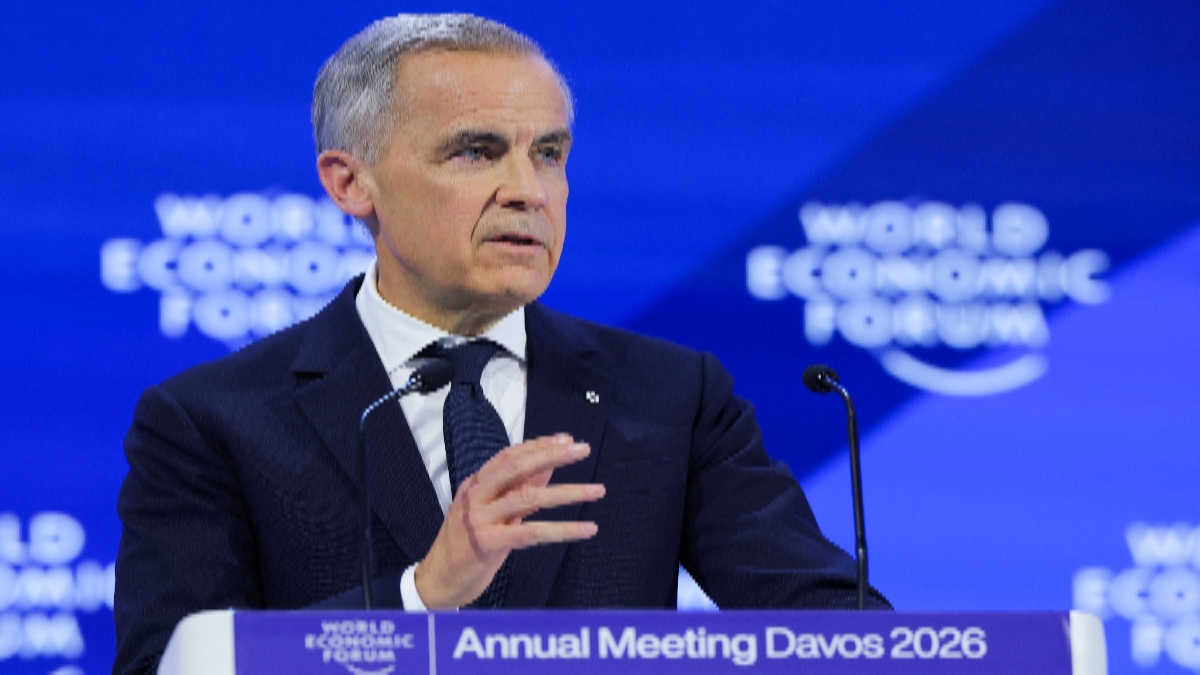 "‘Rules-based order is fading’: When Carney responded to Trump challenge in Davos | Full text")
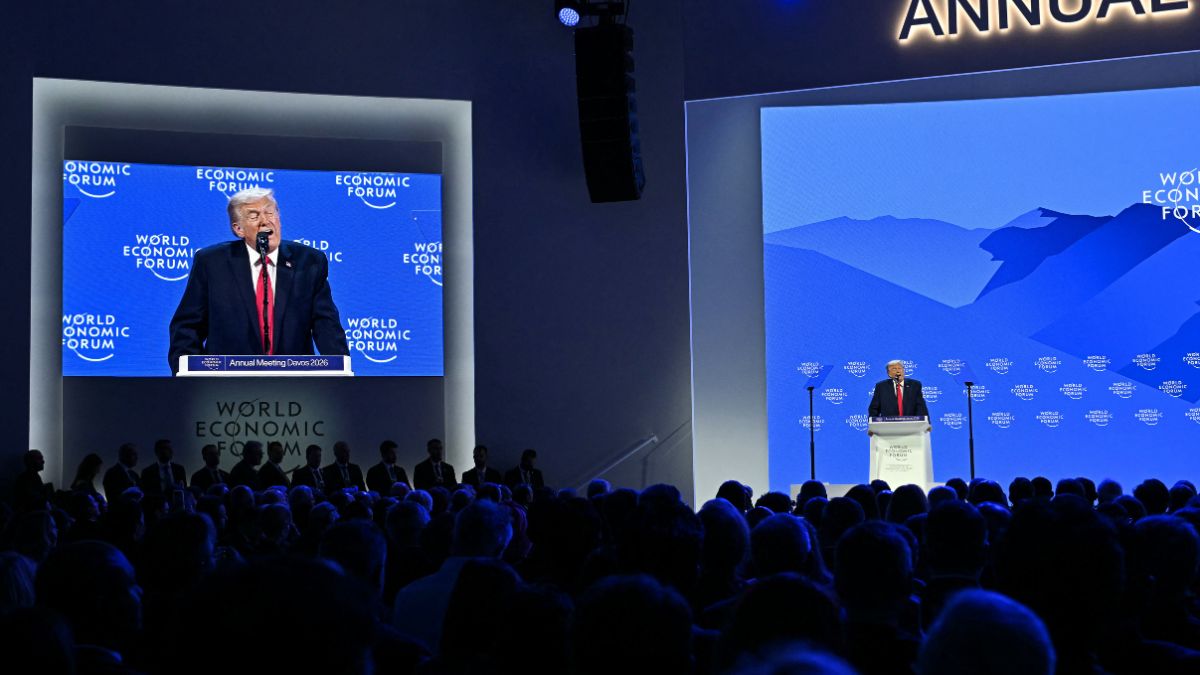 "Davos 2026 Live Updates: Trump says he won’t use force to take Greenland, warns Europe is ‘not heading in the right direction’")
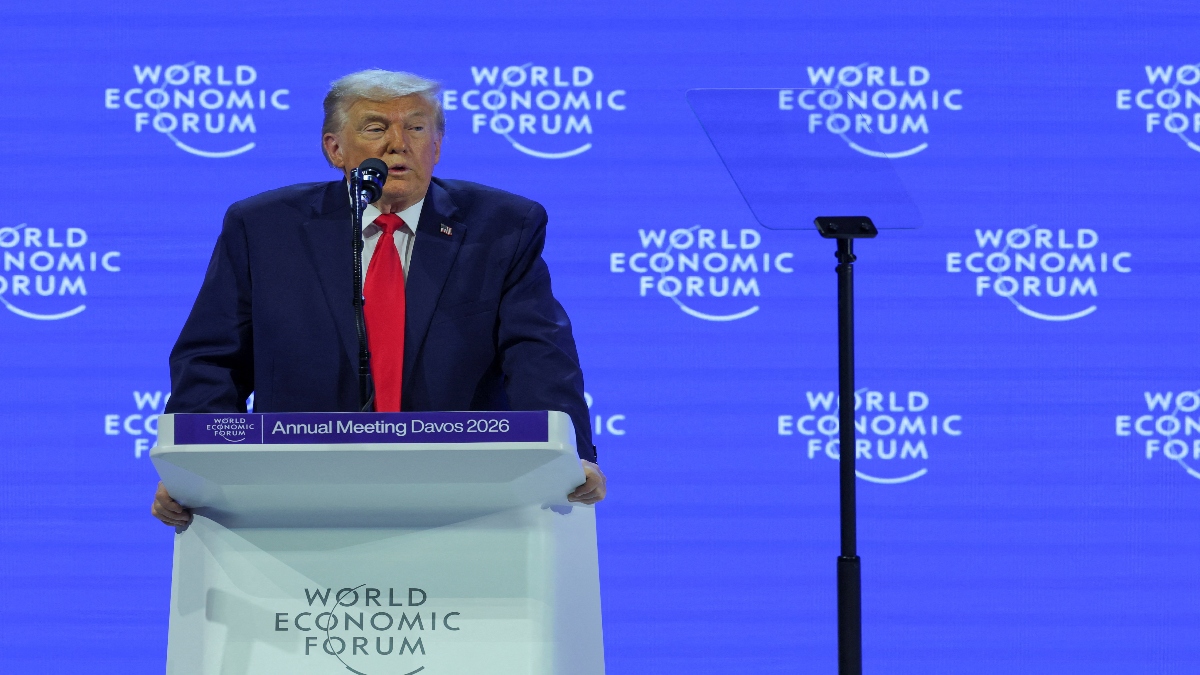 "'PM Modi a fantastic man... we're going to have a good deal': Trump tells Moneycontrol | Watch")
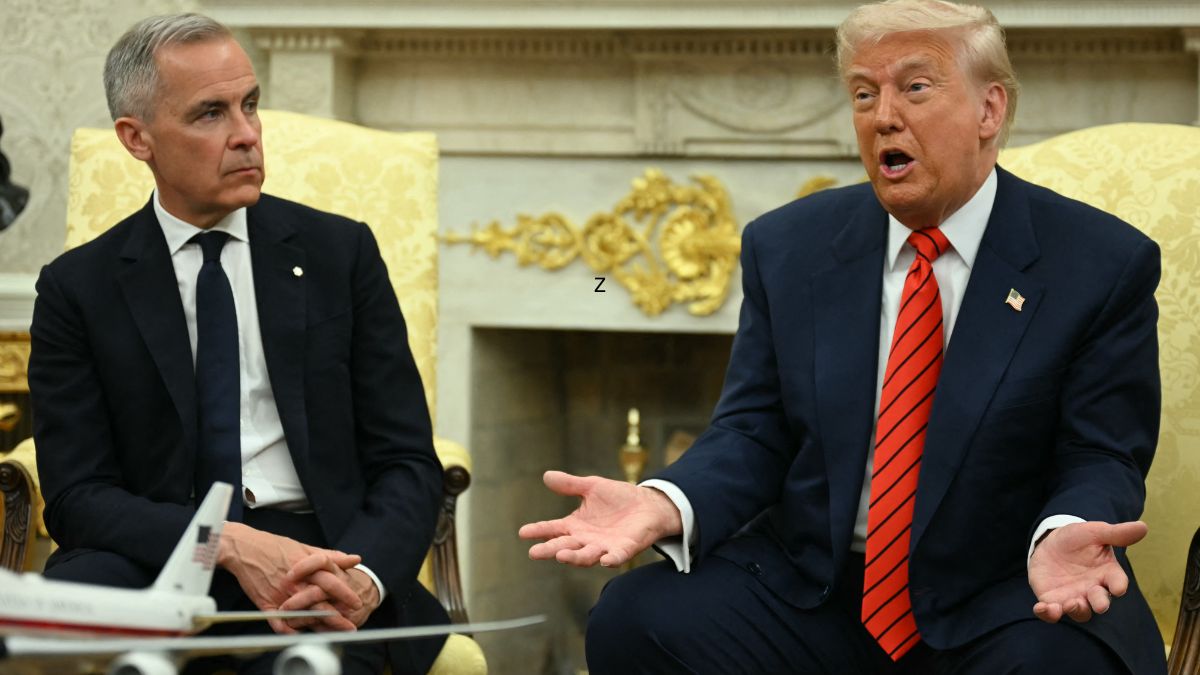 "Is Canada preparing for a US invasion as Trump unsettles allies? Report says...")
 "‘Rules-based order is fading’: When Carney responded to Trump challenge in Davos | Full text")
 "Davos 2026 Live Updates: Trump says he won’t use force to take Greenland, warns Europe is ‘not heading in the right direction’")