

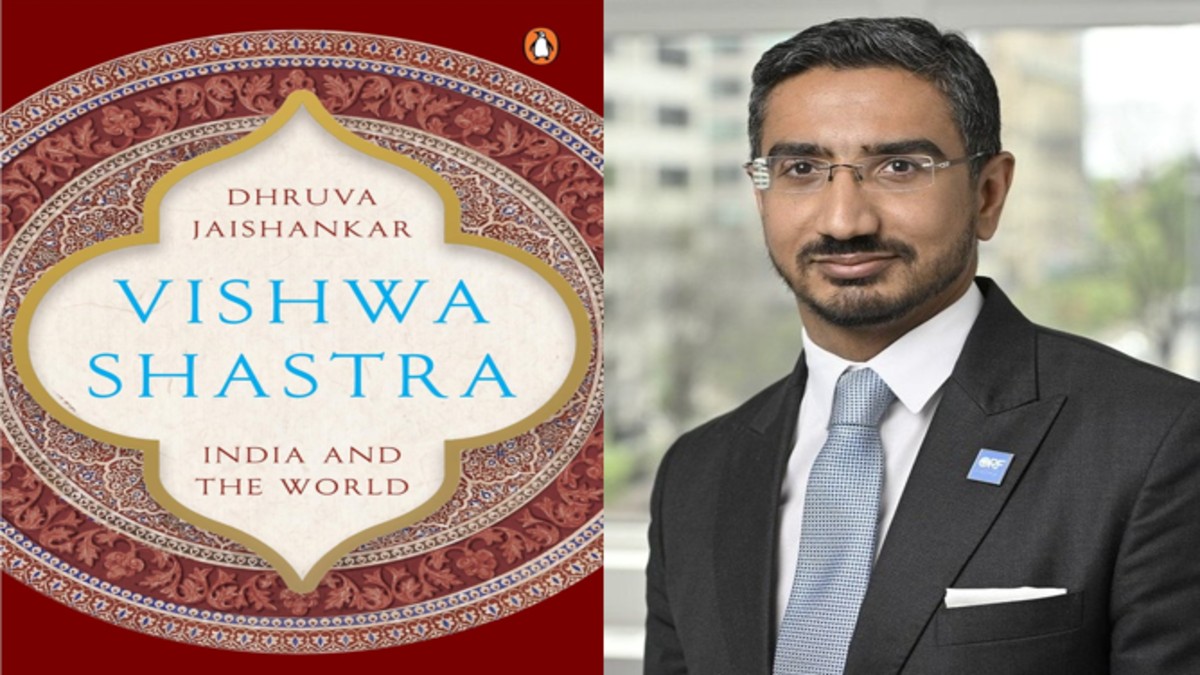
 "Book review: Dhruva Jaishankar’s ‘Vishwa Shastra’ is a prescriptive, descriptive, and masterful narration of India’s rise")
As India grows in economic stature, pulls more and more people out of abject poverty, urbanises at scale and speed, expands its middle class and makes a compelling case to be counted among world’s leading powers, a concomitant rise is evident in its interests, global relevance and ability to project and secure its geopolitical and geoeconomic interests. For the world, this warrants an understanding of India’s perspectives, values, and engagements. For Indians, this necessitates an understanding of India and its place in a rapidly transforming world.
Postcolonial India’s ascent (the world’s most populous nation boasting the fastest-growing major economy that is projected to become the third-largest by 2030, the largest active-duty military, favourable demographics and a rich civilizational identity) after a prolonged period of isolationism and geopolitical inconsequence has understandably seen an explosion of global interest in India, and of India’s interest in the world.
Among the spate of analysis, literature and academic work that seeks to capture, assess and define India’s rise and its way in the world – while providing a window into India’s self-interpretation and gaze, how its political identity has been informed, shaped and developed over centuries through ancient to modern times – Dhruva Jaishankar’s just-released book, ‘Vishwa Shastra: India and the World’, presents an exceptionally brilliant treatise.
It is a book of breathtaking expanse and scope that pleasantly surprises with a lightness of touch and dexterity of narration. He is clearly a chip off the old block.
Impact Shorts
More ShortsVishwa Shastra, or ‘a treatise on the world’, is a work of deep scholarship, clear strategic vision and empathy that offers readers a fascinating journey through the annals of history and intricacies of statecraft. The book, divided into two parts – Itihas and Rashtriya Neeti – deals with India’s strategic interests, how those interests could be best defined, suggests solutions for India’s continuous rise while managing to stay lucid and breezy.
Jaishankar, who comes from an illustrious lineage of strategic thinkers, said during the release of his book that it is the culmination of his journey throughout the length and breadth of the country. Any journey is a quest. His work is also a veritable quest to identify the strains of India’s strategic tradition, drawing a clear connection with the tenets of contemporaneous foreign policy while unmooring the discourse, as he writes, from “outdated clichés and enduring myths that do not necessarily reflect the new realities and impulses guiding India’s relations with the world.”
“These include,” writes the author, “the notions that India’s worldview remains grounded in ‘non-alignment’, that it lacks the capacity to be a great power, that it seeks prestige or status rather than power or influence, and that it must sort out its internal or regional challenges before it can move on to global aspirations.”
To give an example of the clarity that the author brings to the discourse, let’s take the confusion in India’s strategic circles over the narrative that India’s leadership of the Global South is a reiteration of the erstwhile non-alignment strategy.
Non-alignment, as India’s first prime minister Jawaharlal Nehru envisaged during the early stages of Independent India’s policy orientation, “enabled India to derive benefits from both the US-led and Soviet-led blocs and gave India a natural leadership perch in the post-colonial world.” The policy wasn’t without its critics, however, with the likes of Ambedkar worrying that it had “unduly distanced India from potential partners” and caused India’s alienation.
In contrast, Jaishankar observes that India’s emphasis on Global South and championing its cause “is much more an aspect of great power competition than a recusal from it.” It is a clear shift from the “rhetoric of third-worldism” to that of a “rising power.”
When prime minister Narendra Modi organized the Voice of Global South Summit and sought to present India as the ‘bridge’ between the West and the Global South, he was acting on the policy formulation that “The Global South represents a strategic opportunity for India to advance its own development objectives along with global institutional reform. By amplifying the concerns of the Global South, India can advance both its interests and its values, in part because the shared agenda also serves India’s interests.”
There are several themes that run through the book as it creates a narrative framework. Chief among those is the theme of timing. That India is in a geopolitical sweet spot has been severally commented. Jaishankar goes down to explaining in painstaking detail the steps that led us through this spot – those decades constituting some of the most challenging times for Indian leaders and policymakers as the country was hemmed in from all sides and caught between rival blocs during the Cold War’s great power competition.
“The 1970s and 1980s were, in hindsight, difficult decades for India and its place in the world. International and domestic circumstances meant that India was often on the defensive and constrained. These years saw India having to deal with—but rarely resolve—some contentious problems which would have lasting challenges for a post-Cold War and post-liberalization India.”
The major challenges during the pre-1991 era – the decades before India’s economic liberalization and Americas unipolar moment – are identified as “rivalry with Pakistan, difficulties with China, the unresolved question of India’s nuclear deterrent and status, a restive neighbourhood, and unrealized economic potential”, exacerbated by “terrorism, separatism, and the dissolution of India’s closest partner—the Soviet Union.”
Traversing through those difficult decades, overcoming the restrictions imposed on India’s nuclear ambitions to emerge on the other side, getting over the trauma of 1962 defeat against China and matching it eye to eye, pushing Pakistan on the ropes of strategic irrelevance, Jaishankar senses an urgency on India’s part to capitalize on the opportunities that have at last presented themselves.
“India is entering a decisive period as it defines its role in the world. Its developmental trajectory is positive. Its economy has more than tripled as a share of the world since 1992. Its demographics are entering a period of peak workforce, even as total fertility has begun to fall below replacement levels. The geopolitical environment, while fluid, is far more favourable than in the past, when India had to deal with decolonization and Partition, aid dependence, separatist movements, and major wars without the benefits of food security, a global market and a nuclear deterrent.”
And yet, he cautions, this period of hope has brought its unique set of strategic challenges that must be met to aid India’s continuing rise. The author identifies these threats as the flux in international system that poses impediments in India’s path to prosperity, the need to ensure a “peaceful and well-integrated neighbourhood”, the “formidable challenge from an assertive China”, “a revisionist Pakistan”, “non-traditional and transnational challenges” such as “climate change, food and energy security, pandemics, terrorism, inflation, trade disputes and the proliferation of weapons of mass destruction”
Jaishankar’s work is both descriptive and prescriptive, and in the second part of the book, Rashtriya Neeti (Strategy or statecraft), he lays down the strategy for increasing the fundamentals of India’s power. In his telling, to meet the objectives of India’s domestic development there must be cognizance of the uniqueness of India’s political and economic circumstances, a recognition that partnerships are essential, an understanding that liberalization isn’t a magic pill and careful emphasis on ensuring security and prosperity.
The author has laid down a 14-point agenda to grab the opportunities and mitigate the challenges that rising India is faced with. He emphasizes on improving military preparedness, implementing an industrial policy, prioritize neighbourhood diplomacy, increase assistance and connectivity, securing the Indian Ocean, connecting with Southeast Asia, partnering with the Quad and other minilateral frameworks, managing the competition with China, compelling Pakistan, engaging Afghanistan, reshaping West Asia, revitalizing multilateral institutions, building new coalitions with countries in Global South and amplifying the Global South – while noting that much of this work is already under way.
India’s relationship with the United States has been assessed in detail, from the early stages of mutual suspicion and accusations of unreliability to a point where ties have improved than at any point in its history, extending to “military cooperation, business, education and technology.”
China is singled out as India’s pacing challenge and the biggest threat that casts a long shadow over India from bilateral security to regional security, economic domination to contestation over global governance. Jaishankar’s lens is realist, and his prescriptions are pragmatic.
Where I wish he could have spent a little more time is in defining the importance and imperatives of India’s ties with Russia that he rightly identifies as a precarious balancing act.
What sets this book apart is that instead of being a polemical take on foreign policy during these polarized times, a temptation that many analysts and academics of note fails to resist, it is factual, objective, spartan, and nudges the readers to use their powers of deduction. It is unencumbered by ideological assumptions and untarnished by political priors. It does not force a lens upon the readers. I believe that ‘Vishwa Shastra’ may tickle the curiosity and satisfy the hunger of students, analysts and academics and casual readers alike. Pick it up.
Views expressed in the above piece are personal and solely those of the author. They do not necessarily reflect Firstpost’s views.

 "Russian drones over Poland: Trump’s tepid reaction a wake-up call for Nato?")
 "As Russia pushes east, Ukraine faces mounting pressure to defend its heartland")
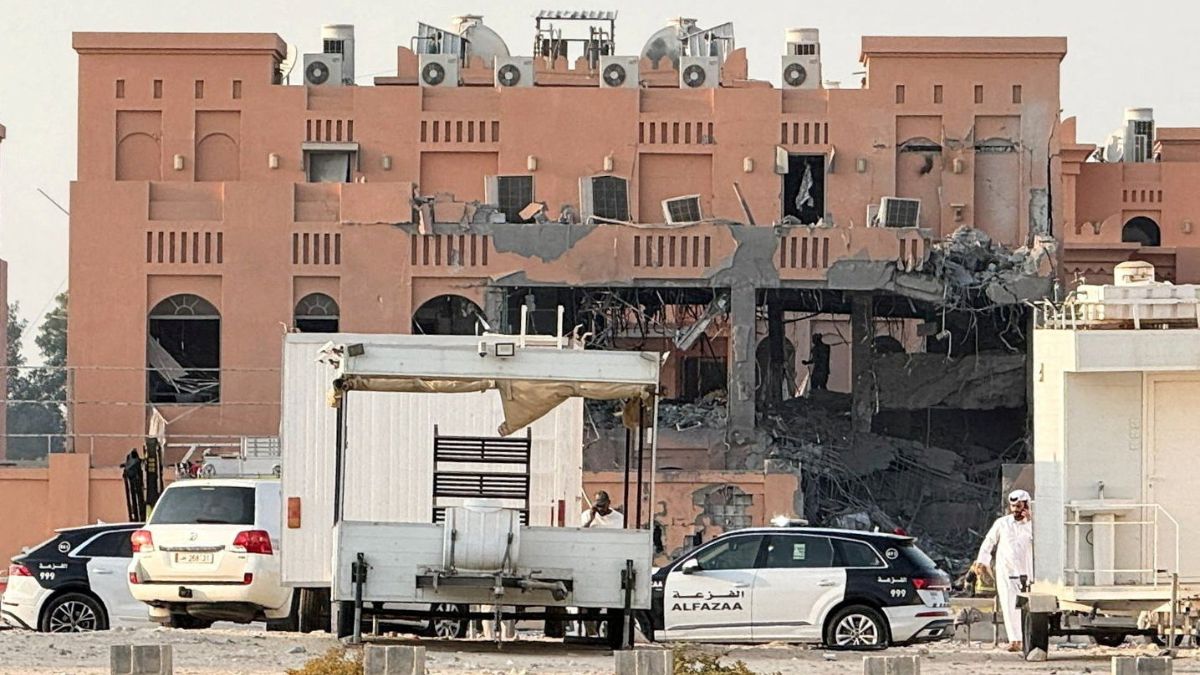 "Why Mossad was not on board with Israel’s strike on Hamas in Qatar")
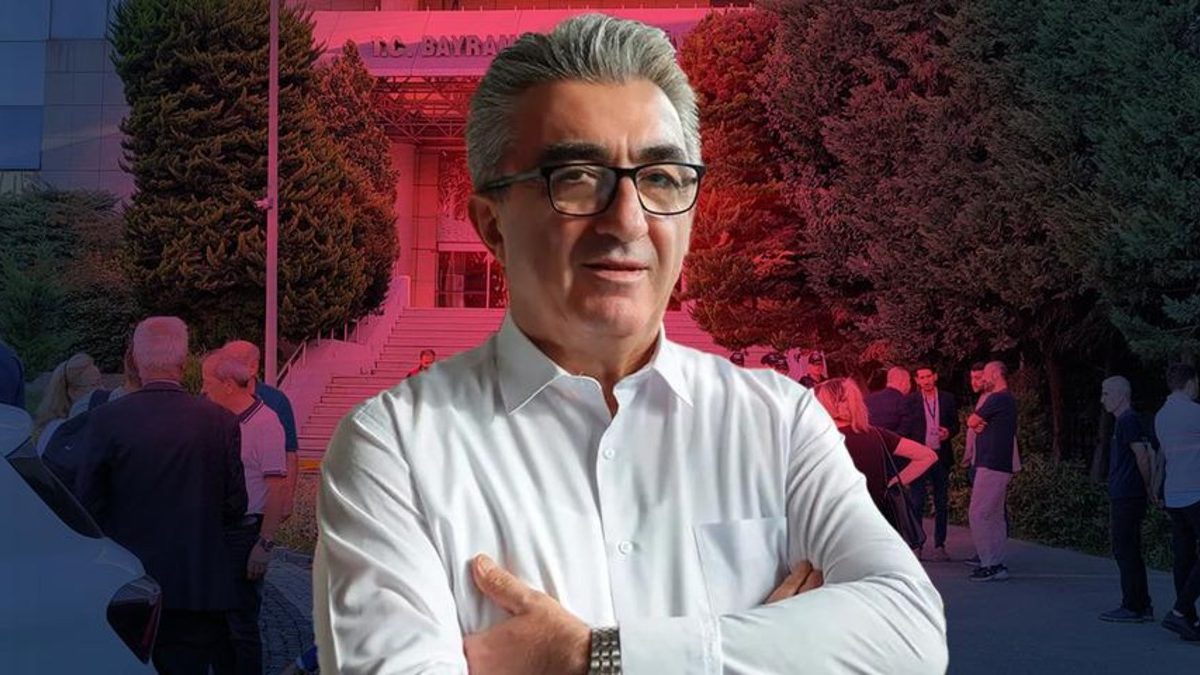 "Turkey: Erdogan's police arrest opposition mayor Hasan Mutlu, dozens officials in corruption probe")
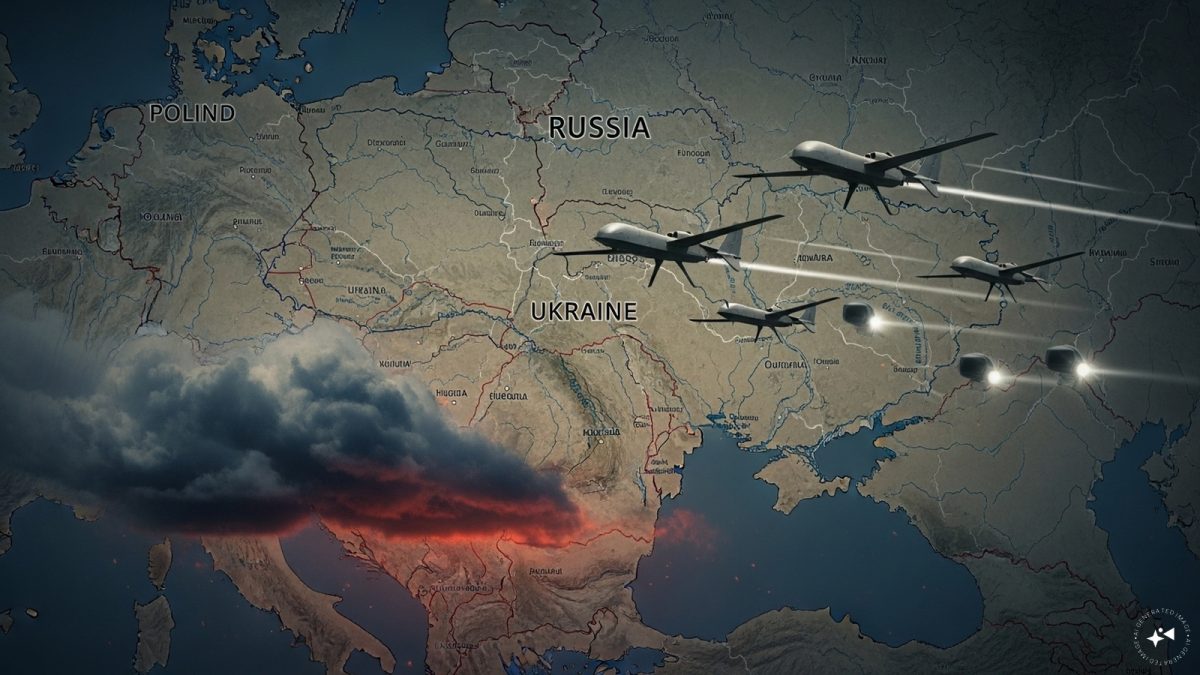 "Russian drones over Poland: Trump’s tepid reaction a wake-up call for Nato?")
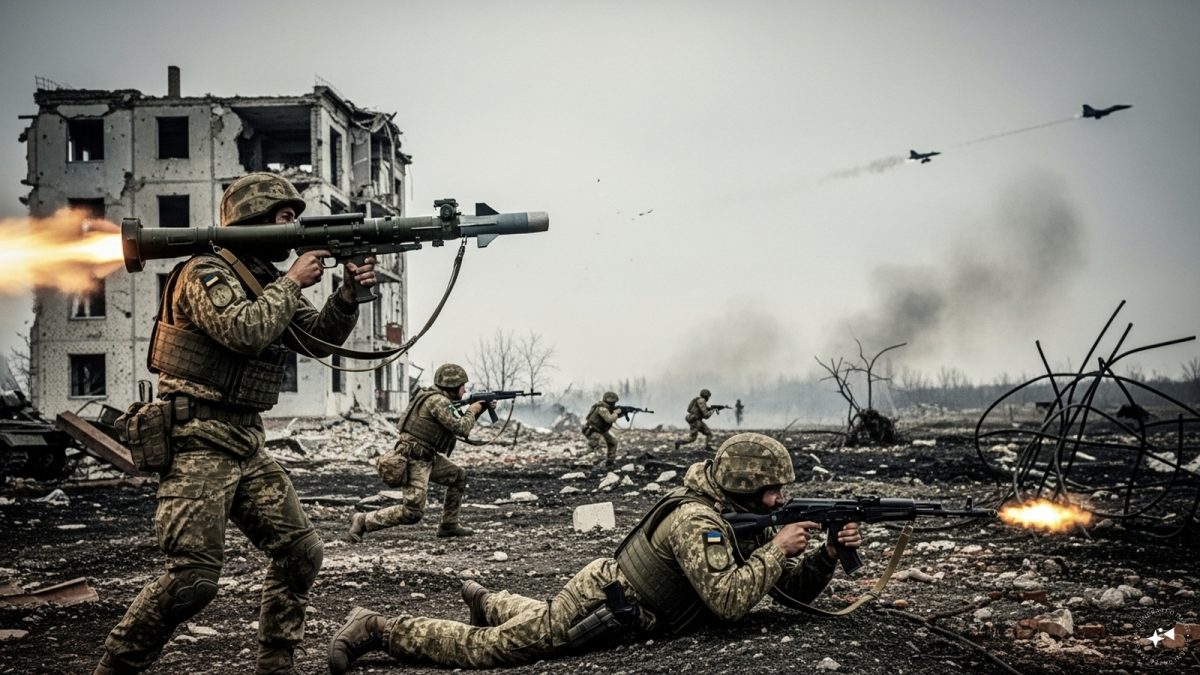 "As Russia pushes east, Ukraine faces mounting pressure to defend its heartland")
 "Why Mossad was not on board with Israel’s strike on Hamas in Qatar")
 "Turkey: Erdogan's police arrest opposition mayor Hasan Mutlu, dozens officials in corruption probe")



