 "Bangladesh crisis: How America-China rivalry may push Dhaka in a corner")
The dramatic turn of events in Bangladesh involving Prime Minister Sheikh Hasina’s resignation on August 5, 2024, marks yet another tectonic shift in the nation’s history. It is bound to have a significant impact on its internal dynamics and the region’s strategic landscape. Hasina had won the fourth consecutive term in January this year with her party, the Awami League, securing a comfortable majority, although the elections were boycotted by the opposition parties, besides allegations of irregularities. This notwithstanding, the country was deemed to be on a stable course.
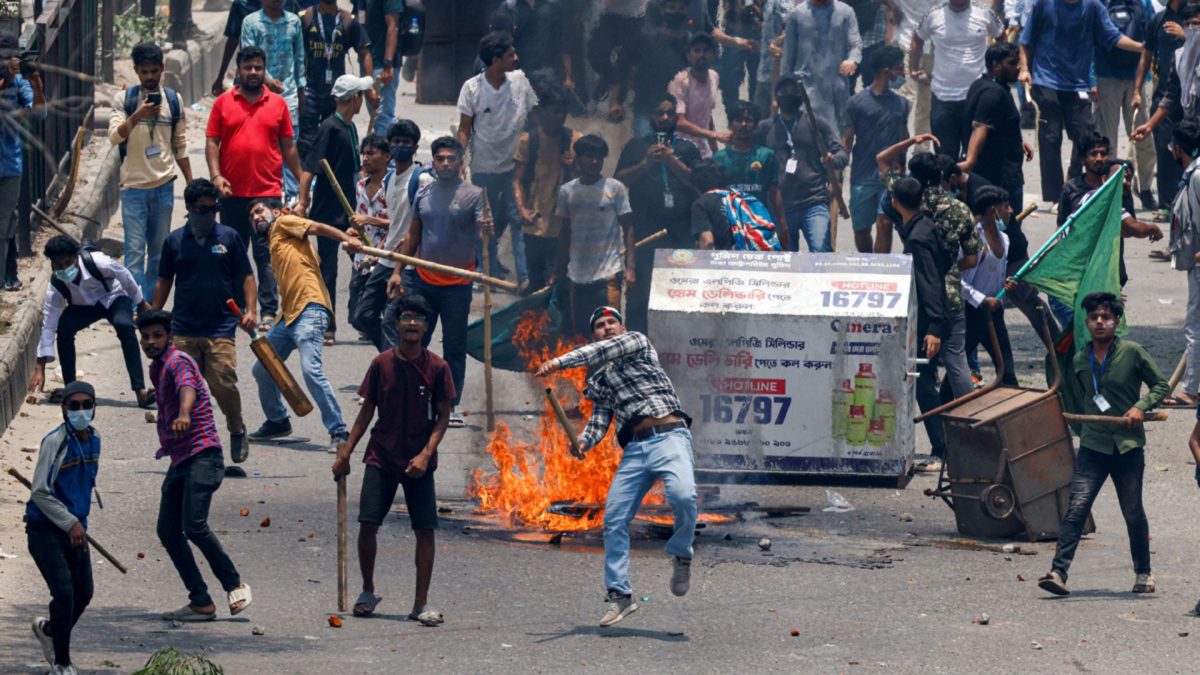
The root cause of the current crisis was the reinstatement of the quota system, which had been abolished in 2018. As per the high court judgement in June this year, 30 per cent of the government posts were to be reserved for the descendants of people who fought in the 1971 War of Independence. The students began protests for the annulment of the quota ruling, terming it discriminatory. The agitation turned violent after the government crackdown and attacks by groups linked to the ruling party. Nearly 200 people lost their lives during the month-long agitation. The judgement was eventually reviewed by the Supreme Court, and reservations were brought down to 5 per cent. The situation appeared to have been brought under control.
Intriguingly, the protests erupted again a few days later, on July 29, demanding the PM’s ouster. These turned into a nation-wide movement, exposing Sheikh Hasina’s authoritarian rule, rampant corruption, and nepotism, overshadowing the economic gains. The heightened violence claimed around 100 more lives. From the intensity of unrest, it was evident that the student movement had been hijacked by the radical elements and the supporters of Bangladesh Nationalist Party (BNP), the main opposition party. The newly appointed Chief of Army Staff (COAS), General Waker Uz Zaman, apparently expressed the inability of the security forces to control the situation, leading to Hasina’s unceremonious departure.
Incidentally, Bangladesh has a tumultuous history of coups and regime changes. It started with the assassination of PM Sheikh Mujib on August 15, 1975, which resulted in General Ziaur Rehman taking over the reins. He in turn was assassinated in 1981 in a coup, and General Ershad came to power, who remained at the helm for a decade, till disposed of in 1990. Here on, democracy was restored in Bangladesh. The power alternated between Khalida Zia (wife of General Ziaur Rehman), who had two tenures as PM (1991-1996 and 2001-2006), and Sheikh Hasina, who ruled for 20 years (1996-2001 and 2009-2024).
Quick Reads
View AllImmediately after Sheikh Hasina fled to India, General Zaman declared Army takeover and announced the formation of an interim government. Khalida Zia, who had been under house arrest, was released. Muhammad Yunus, a Noble Laureate and harsh critic of Hasina, based in Paris, was named to head the interim government. On August 8, he was administered the oath as the Chief Advisor by the President of Bangladesh, Mohammed Shahabuddin. The interim government has 17 members with no representation from the Awami League.
The allocation of portfolios depicts the profile of the interim government. Yunus himself has assumed control of 27 ministries, including defence, education, and energy. Career diplomat Mohammad Touhid Hossain is to head the foreign ministry. Abul Hassan Ali is to oversee finance and planning. AFM Khalid Hossain, former vice president of the hardliner organisation Hefazat-e-Islam, has been given religious affairs ministry. Asif Nazrul, the law professor who guided student coordinators during the protests, is to head the law ministry. Brigadier General Sakhawat Hussain (retd), former election commissioner, has been assigned the home ministry. The two student leaders who led the protests have been appointed as advisors. No decision has been taken on the tenure of the interim government and time of elections. Given that the interim government is being overseen by the military, there is scepticism about its ability to shape the reform agenda.
The foremost challenge for Yunus is to restore peace in the strife-torn nation, marred by weeks of violence that has left at least 455 dead. His next task is to prepare the ground for conducting fresh elections to facilitate the return of democracy. After swearing in, while appealing for unity, Yunus stated, “Today is a glorious day for us. Bangladesh has created a new victory day. It has got second independence.”
Protestors continue having a free run, despite Yunus’ threat to resign if violence doesn’t stop. Following the students’ ultimatum, Obaidul Hassan resigned as the top judge along with five other judges, and Refaat Ahmed was sworn in as the new Chief Justice. Inaction on the part of the Army remains a mystery, as it is the most potent force in the country and feared by the public.
The geopolitics of Bangladesh are in for a major makeover. Pakistan is bound to make deep inroads by exploiting its links with Jamaat. China, given its significant presence in Bangladesh, has welcomed the formation of an interim government. Beijing is well poised to further its strategic interests in the region. The US too has appreciated the change, as it had frosty ties with Hasina. The inevitable rivalry between Washington and Beijing is bound to trap Dhaka.
India has always stood with the people of Bangladesh and hopes for an early return of normalcy. Given excellent bilateral relations during Hasina’s tenure, current developments pose serious geopolitical challenges for India. The future of military cooperation and strategic and defence ties are matters of grave concern. A number of recently launched infrastructure projects may get hampered. Likelihood of a refugee influx is imminent, as evident from the Bangladesh ‘Hindu Buddhist Christian Oikya Parishad’ report of 205 cases of persecution of its members since August 5. Hasina’s presence in India is likely to be an irritant with the new dispensation. India needs to sensitise the world about the atrocities being committed against the minorities in Bangladesh. Delhi will have to navigate the troubled waters through astute diplomacy and pragmatic responses to protect its national interest.
Today, Bangladesh stands at the crossroads, set for a change of course. The manner in which the chessboard is being set, it is apparent that power will swap hands in the coming elections—BNP and Jamaat-e-Islami being the main contenders, with the Army playing a pivotal role. How far students’ aspirations for true democracy materialise remains to be seen. The envisioned ‘second independence’ will come at a price as the nation’s economy is bound to bear the brunt of mobocracy.
The writer is a Bangladesh war veteran, currently Professor of Strategic and International Relations. Views expressed in the above piece are personal and solely those of the author. They do not necessarily reflect Firstpost’s views.

 "'PM Modi a fantastic man... we're going to have a good deal': Trump tells Moneycontrol | Watch")
 "Is Canada preparing for a US invasion as Trump unsettles allies? Report says...")
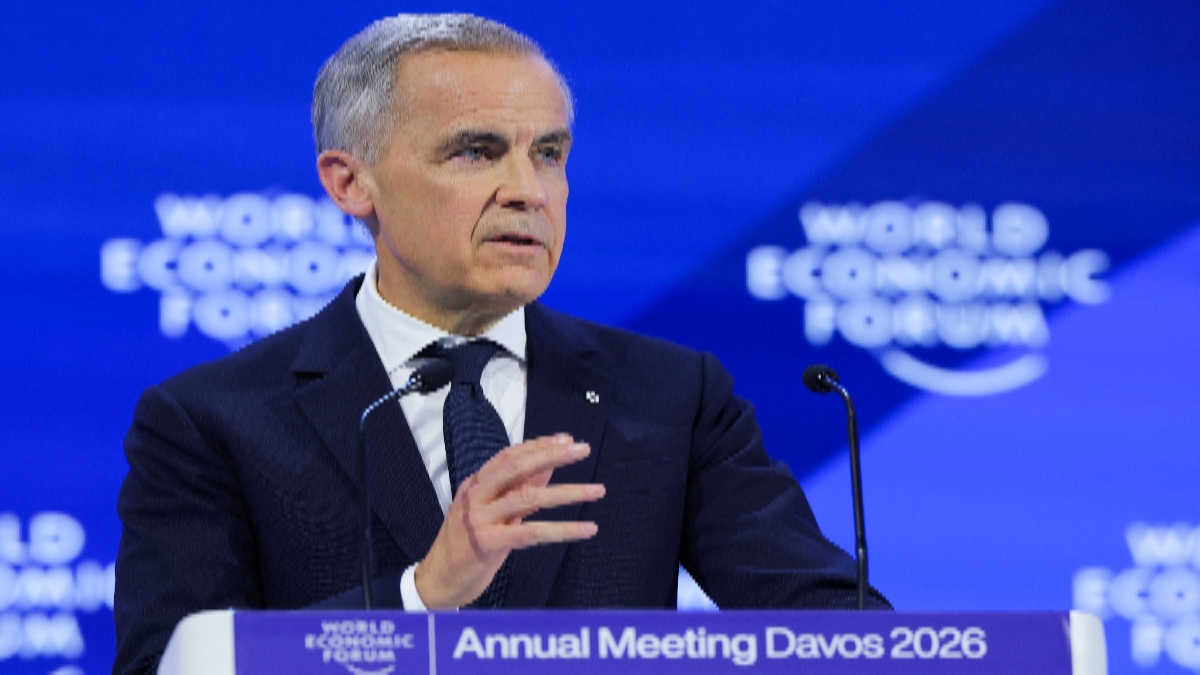 "‘Rules-based order is fading’: When Carney responded to Trump challenge in Davos | Full text")
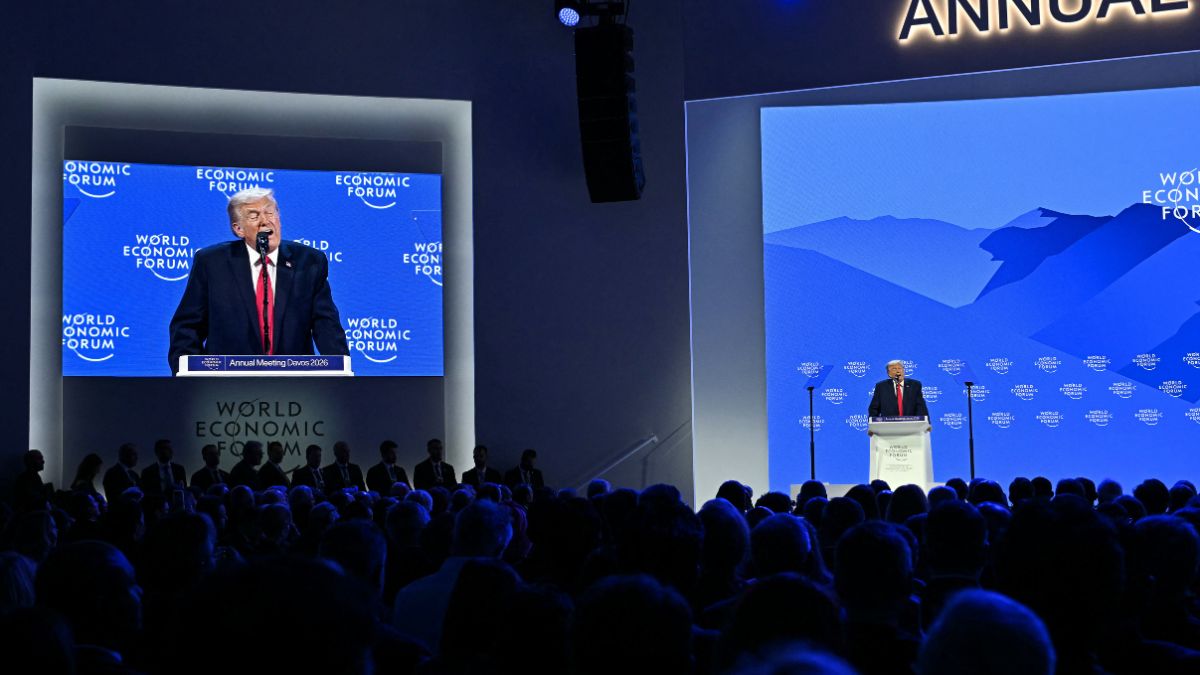 "Davos 2026 Live Updates: Trump says he won’t use force to take Greenland, warns Europe is ‘not heading in the right direction’")
 "'PM Modi a fantastic man... we're going to have a good deal': Trump tells Moneycontrol | Watch")
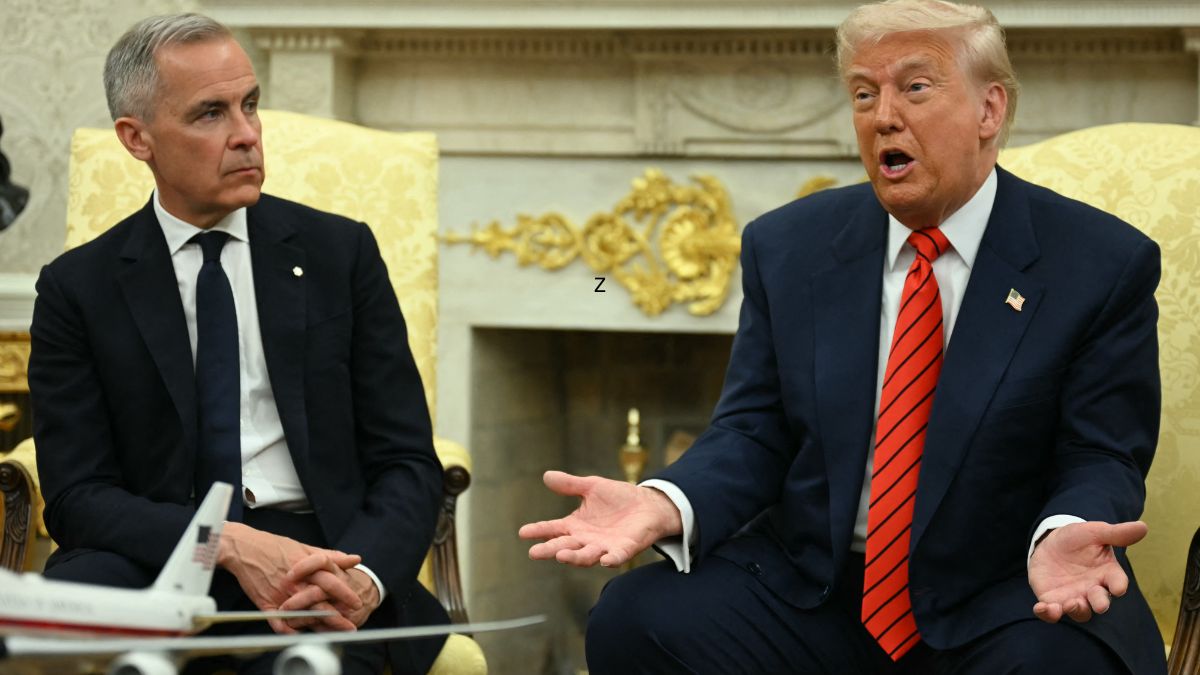 "Is Canada preparing for a US invasion as Trump unsettles allies? Report says...")
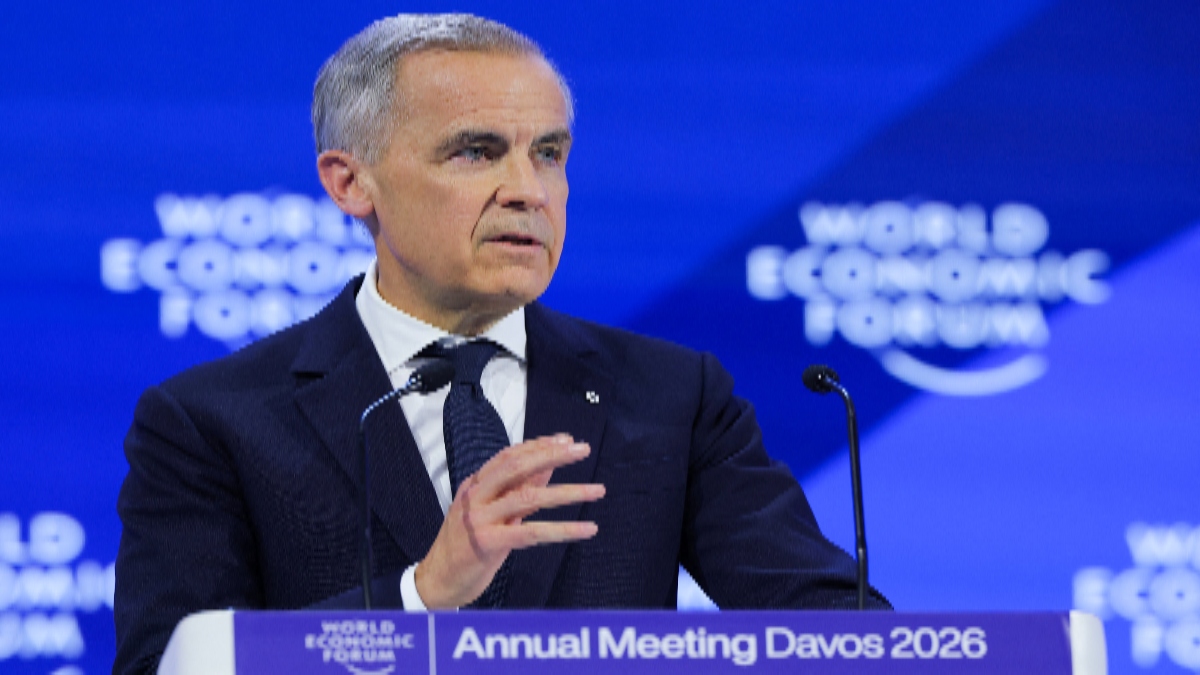 "‘Rules-based order is fading’: When Carney responded to Trump challenge in Davos | Full text")
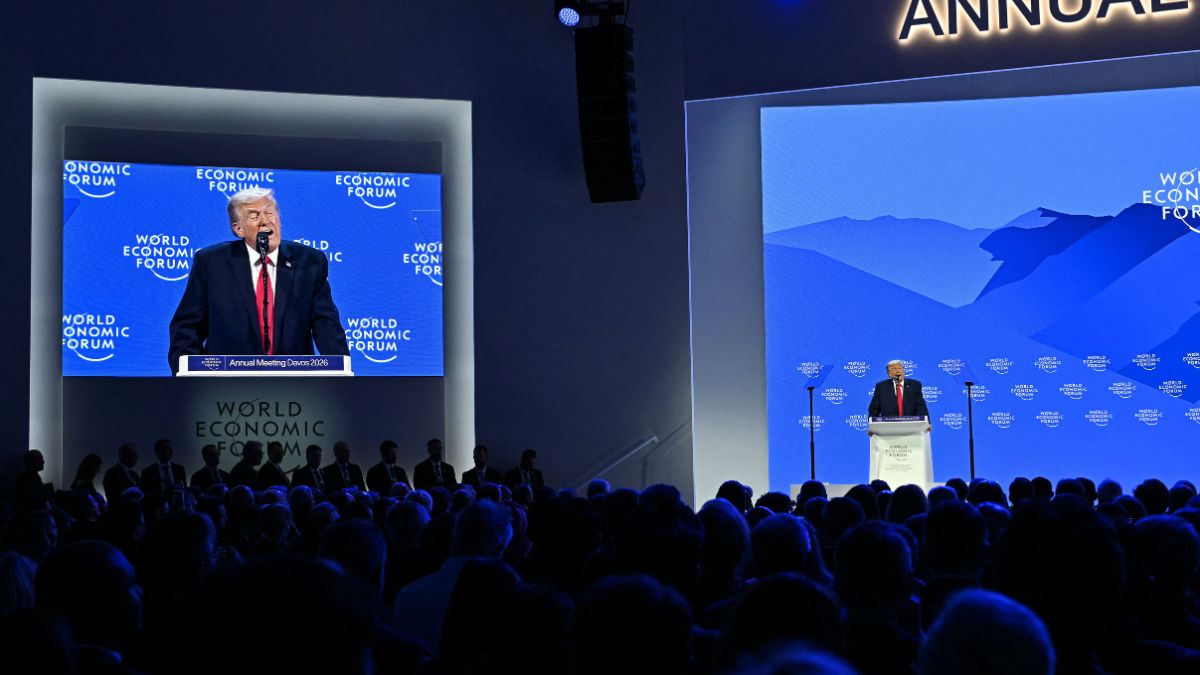 "Davos 2026 Live Updates: Trump says he won’t use force to take Greenland, warns Europe is ‘not heading in the right direction’")