

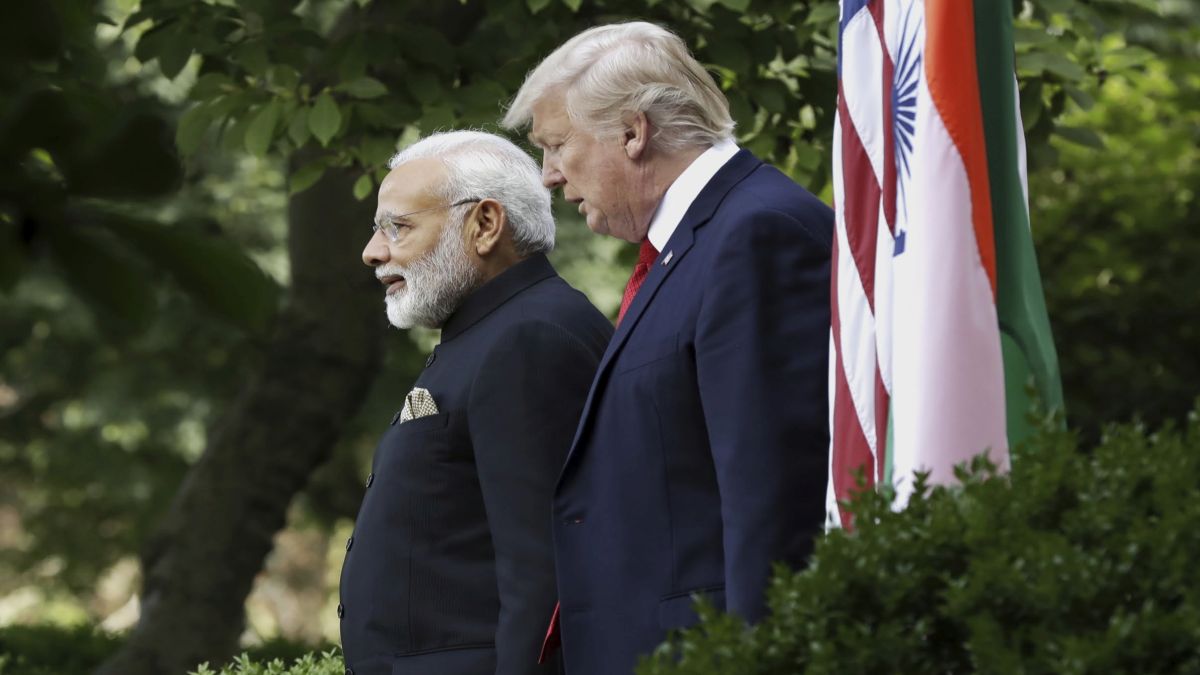
 "America exits the world: What Trump’s multilateral retreat means for India")
The United States withdrawing from 66 international organisations, including 31 UN-affiliated bodies and 35 other global institutions, signals a new unilateral world order. The White House asserted that these entities “operate contrary to U.S. national interests, security, economic prosperity, or sovereignty.”
The executive order suspends U.S. support for institutions as diverse as the U.N. Framework Convention on Climate Change, the U.N. Population Fund, the Intergovernmental Panel on Climate Change, and the International Solar Alliance, among others.
This sweeping withdrawal epitomises a profound shift in American foreign policy: a deliberate retreat from the post-1945 multilateral architecture that Washington once championed. This is a reassertion of unilateral sovereignty under the “America First” mantle. Trump’s rationale is clear: international institutions have become inefficient, ideologically driven, and inimical to U.S. prerogatives, wasting precious taxpayer dollars and limiting Washington’s freedom of manoeuvre.
By severing ties with these organisations, the U.S. is seen as restoring autonomy.
The significance of this turn reflects a deeper ideological realignment in American foreign policy. It is a contemporary incarnation of historical isolationism, now fused with the nationalist theme of the MAGA mandate. In a theoretically grounded sense, Trump’s multilateral retrenchment resonates with core tenets of isolationist thought: scepticism of entangling alliances, privileging national autonomy over cooperative governance, and an aversion to normative obligations that constrain sovereign decision-making.
Unlike classical isolationism, which eschewed international engagement altogether, this variant is selective: it rejects multilateral frameworks perceived as diluting U.S. primacy while embracing transactional, bilateral arrangements that are seen to better advance national interests. This situates the U.S. firmly within a broader realist tradition, privileging state power and autonomy over collective problem-solving, and stripping back the liberal international order whose institutions have undergirded global governance since the Second World War.
Quick Reads
View AllThe immediate praxis of these withdrawals is already rippling through the international system. U.N. agencies and programmes dependent on U.S. contributions face sharp funding shortfalls. It is sobering to note the UN’s heavy reliance on Washington: 22 per cent of its roughly $3.45 billion annual budget and 27 per cent of peacekeeping operations.
With the U.S. stepping back, the prospect of other nations filling the fiscal gap is remote. Political will and economic capacity among potential donors are fragmented, and competing domestic priorities constrain any meaningful step into the breach.
Climate Change is Dead
This is especially acute for climate finance: the climate change agenda is now effectively dead in the water. Even without U.S. withdrawal, Germany and the EU have recently signalled recalibrations of their own climate commitments, allowing their slowing economies to pollute more, while China has consistently couched its environmental pledges in aspirational rather than binding terms.
China’s emphasis on economic growth and coal consumption, coupled with its strategic investments in fossil-fuel infrastructure abroad, effectively ends global decarbonisation efforts. In this context, the U.S. exit threatens to leave the multilateral climate regime adrift, its momentum sapped by the withdrawal of its largest historical underwriter.
India’s Options: India First, Reimagine UN
For India, the consequences of this unravelling are potentially debilitating. New Delhi has articulated ambitious industrialisation and energy-transition goals that hinge on access to climate finance, technology transfers, and international cooperation—frameworks now being abandoned by Washington. With the U.S. retreating, India could find itself “holding the climate can” without the resources or institutional platforms once promised by global engagement. India may need an immediate recalibration of its developmental strategy towards fossil fuels or costly domestic investment at precisely the moment when global capital is fleeing alternative energy.
According to media reports, global utility-scale solar and onshore wind financing declined 13 per cent year-on-year in the first half of 2025—the lowest share since 2006.
Trump’s broader foreign-policy posture—assertive military actions in Venezuela, threats to allies and adversaries alike, and confrontational rhetoric towards global institutions—has exposed the impotence of the UN and similar multilateral bodies. The UN has become little more than a “talk shop”, incapable of offering new world-order models.
This narrative of institutional impotence dovetails with mounting discontent in New Delhi towards multilateral censure. Over recent years, the UN has repeatedly passed resolutions and issued pronouncements on human-rights practices within India, eliciting firm rebuttals from New Delhi. For India, the optics of being lectured by a 1945 institution that remains unresponsive to granting Security Council membership with a veto to the world’s most populous state—1.4 billion people, a $4 trillion economy, and a thermonuclear-armed power—have never been more jarring.
In this light, India’s reaffirmation of multilateral commitments appears totally misplaced. New Delhi might better serve its strategic interests through targeted free-trade agreements, mutual defence arrangements, and sector-specific partnerships that deliver concrete outcomes rather than broad multilateral obligations that frequently carry ideological strings. The emerging geopolitical landscape—fragmented, power-centric, and contentious—disfavours diffuse multilateral engagements that lack enforcement mechanisms.
For India, deepening bilateral ties will be more meaningful.
Indeed, the coming “new world order” is likely to be defined less by the institutional multilateralism of the late twentieth century and more by a competitive constellation of power blocs, strategic partnerships, and economic spheres of influence. In this environment, the cultivation of hard power—military capability and economic heft—will be paramount. To navigate these turbulent waters, India would do well to fortify its own capabilities: investing in its defence apparatus to meet evolving security challenges, and aligning with a benchmark of allocating at least 2.5 per cent of GDP to defence.
A robust defence posture not only deters external coercion but also enhances India’s bargaining position in a world where alliances are transactional and commitments are calibrated to national interests rather than the collective good.
Looking ahead, policymakers must grapple with the repercussions of a U.S. retreat from multilateralism and the attendant vacuum. The global architecture of cooperation is in flux, and the stakes for emerging powers like India are high.
The music is about to stop. India must not be left holding the parcel.
(The writer is a senior journalist with expertise in defence. Views expressed are personal and do not necessarily reflect those of Firstpost.)


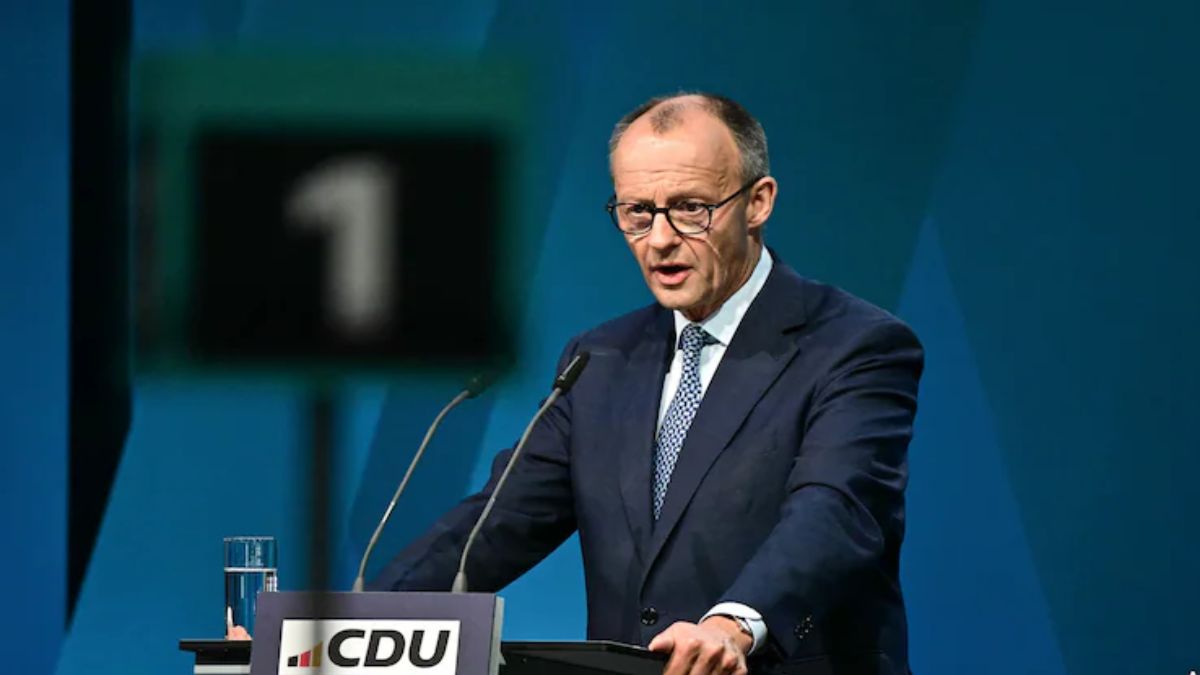 "Germany's Friedrich Merz in India: What will be the focus of this visit?")
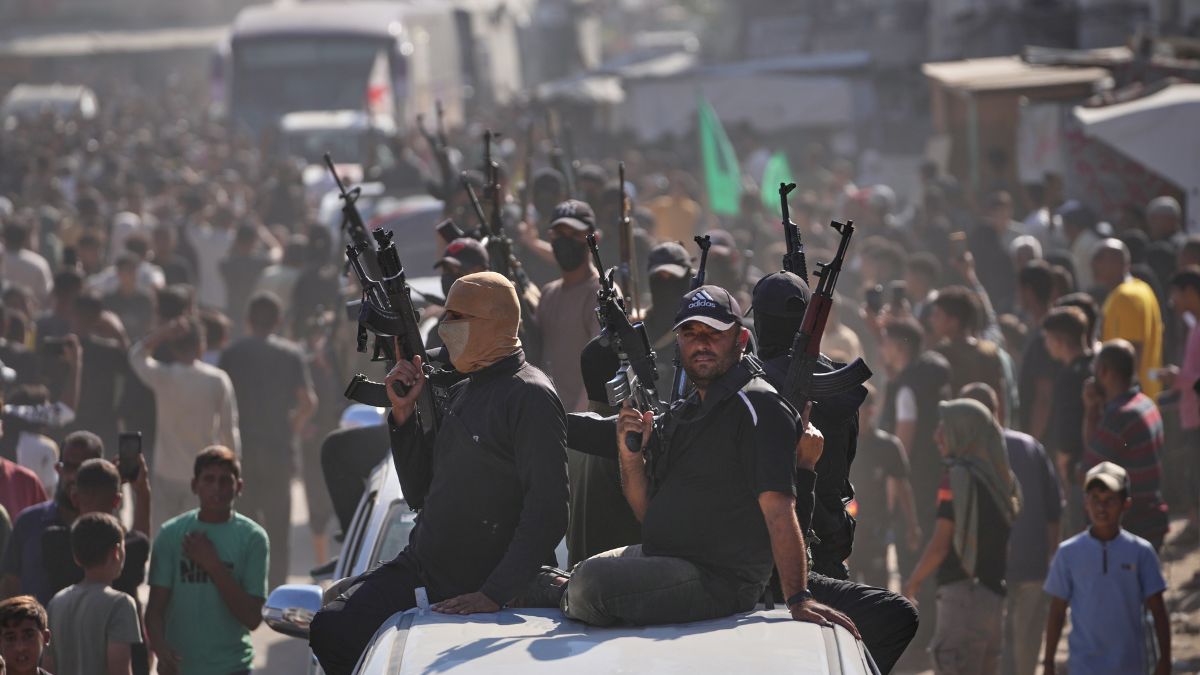 "Hamas pledges to dissolve govt once the 'Board of Peace' takes over Gaza")
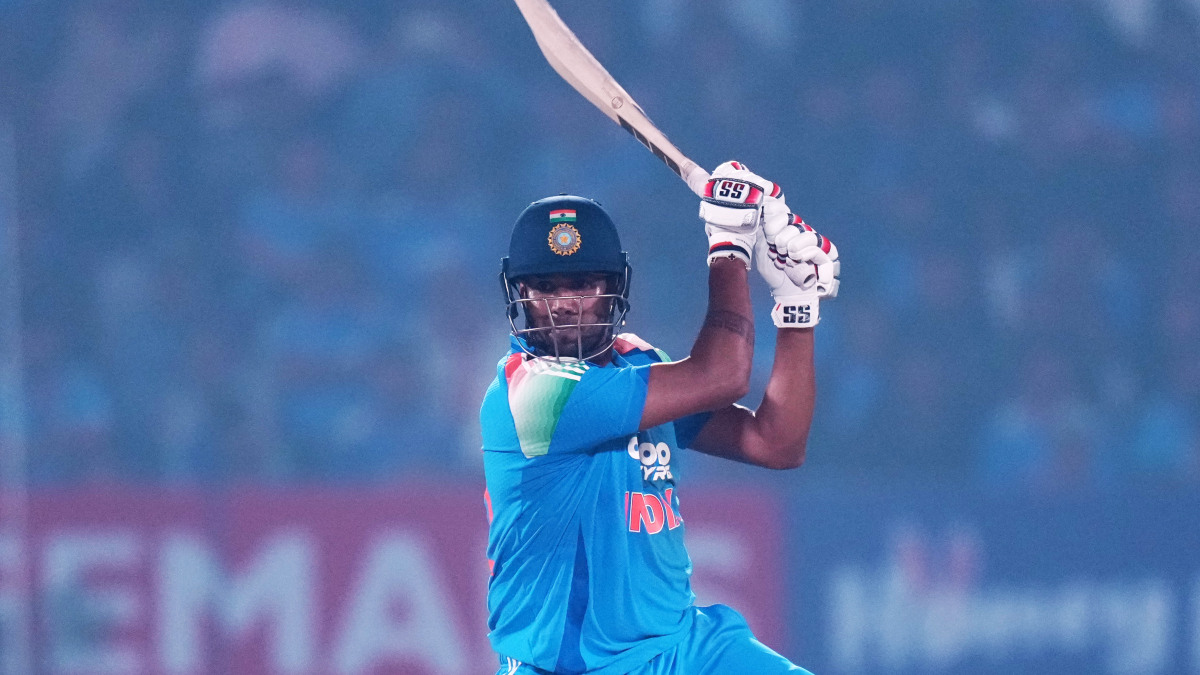 "Nervy, scrappy, but vital: Why Harshit Rana’s cameo in Vadodara is a good sign for Team India in the long run")
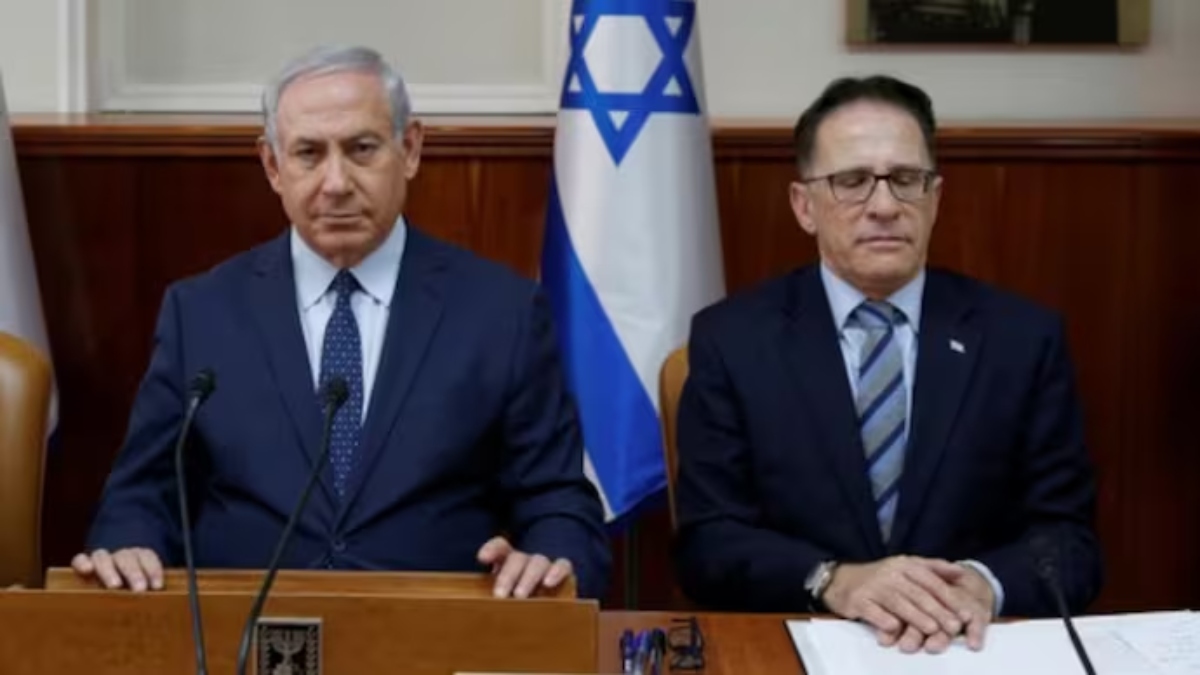 "Israeli police detain Netanyahu's chief of staff, searched home over classified files leak probe")
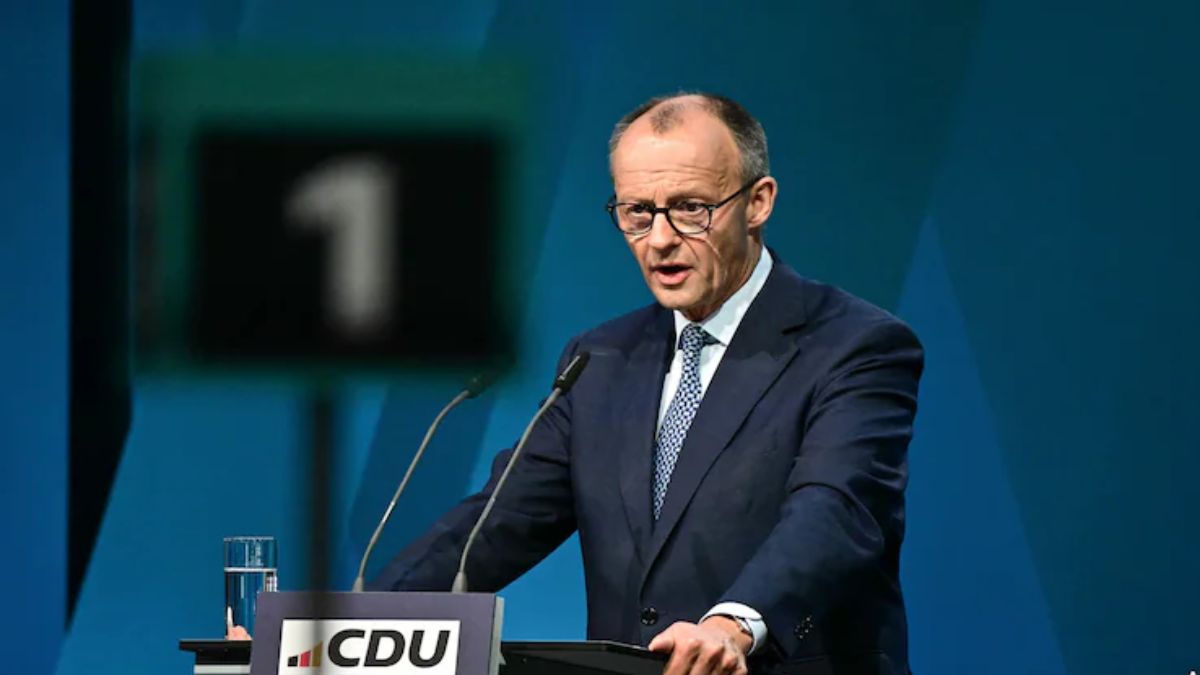 "Germany's Friedrich Merz in India: What will be the focus of this visit?")
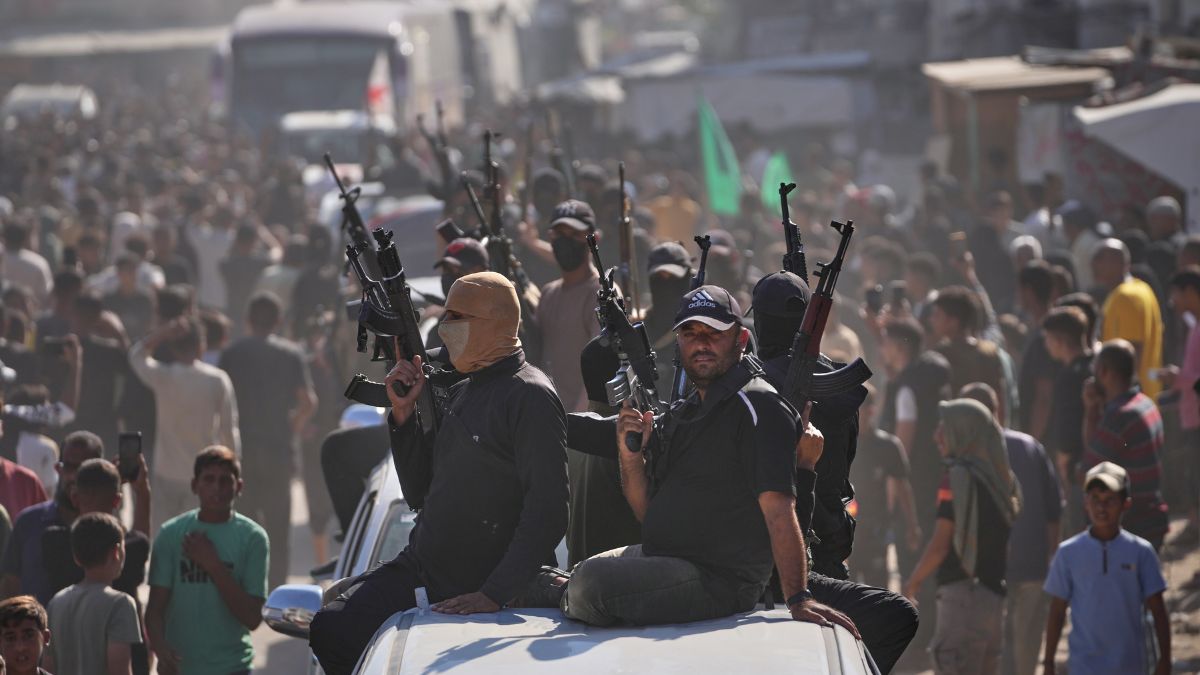 "Hamas pledges to dissolve govt once the 'Board of Peace' takes over Gaza")
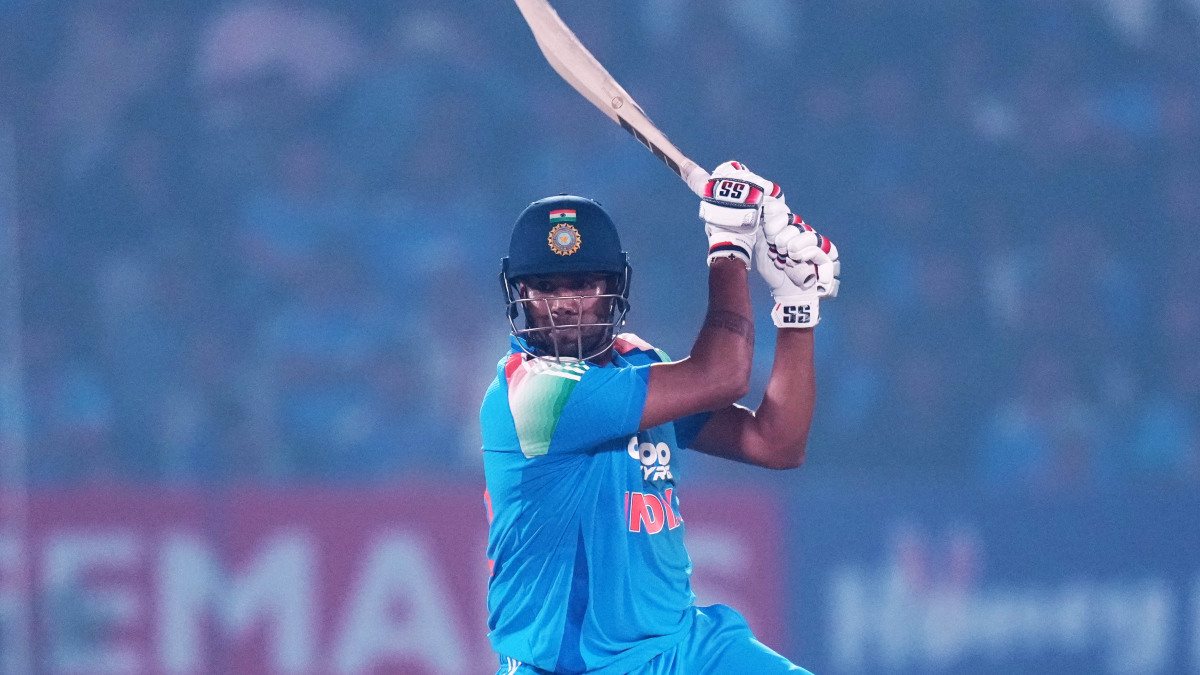 "Nervy, scrappy, but vital: Why Harshit Rana’s cameo in Vadodara is a good sign for Team India in the long run")
 "Israeli police detain Netanyahu's chief of staff, searched home over classified files leak probe")



