

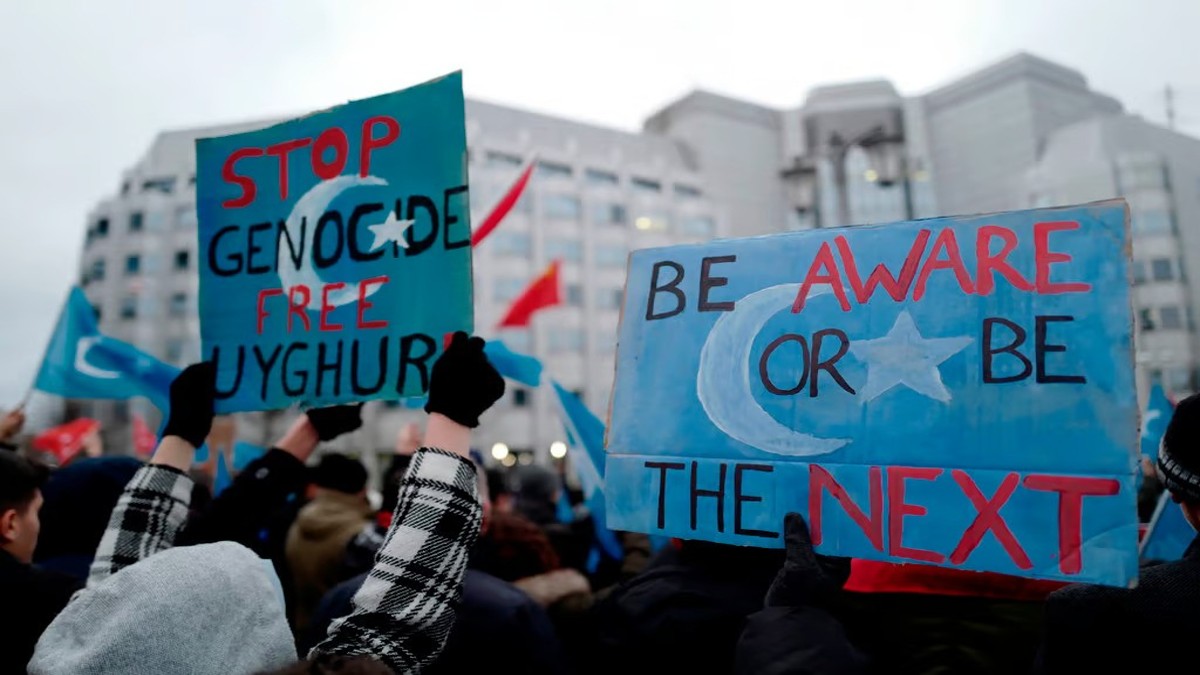
 "75 years on, China still reigns supreme in Xinjiang defying international pressure")
October 1 is a red letter day for China as it heralded the dawn of a new Chinese era in Xinjiang region. Seventy-five years ago, on October 1, 1949, just a day after the establishment of the People’s Republic of China (PRC), Xinjiang was “peacefully liberated without any bloodshed" and “incorporated” as an important frontier province of the PRC. Six years later, on the same day (October 1) in 1955, the Chinese Central government, controlled by the Chinese Communist Party (CCP) under the leadership of Mao Zedong, made it one of the Autonomous Regions, rechristening its name as Xinjiang Uyghur Autonomous Region (XUAR). Suppose one analyses the Chinese policies in XUAR for over seven decades since 1949. In that case, the Chinese government has made concerted efforts and devised a carefully crafted policy to keep this unstable northwest frontier within the Chinese orbit.
Xinjiang became a prestige issue for Mao Zedong-led China after 1949 because of the tumultuous historical experiences in the region during the 19th and 20th centuries. Following the imminent Qing dynasty’s downfall in 1911 after almost three hundred years of rule, Xinjiang witnessed a messy, chaotic, and, many times, turbulent situation. The activism by ethnic minorities, especially Uyghurs and Kazakhs, led to some temporary success when the Turkic Islamic Republic of East Turkistan (TIRET) was established twice in one decade, first in 1933 and later in the 1940s.
The imperialistic overtures of British and Tsarist Russia (and the Soviet Union later) in and around Xinjiang and the civil war between communists and nationalists further aggravated the region’s already tense situation. Consequently, Xinjiang has become one of China’s “core” issues, along with Tibet and Taiwan, and since September 2013, the lynchpin of the communist country’s 21st Century Strategic Initiative, the Belt and Road Initiative (BRI).
Seventy-five years later, Xinjiang is still under the absolute control of the Chinese central government politically, economically, strategically, and culturally. The Uyghur ethnic minorities having the majority population in Xinjiang are at their receiving end.
Impact Shorts
More ShortsAll the efforts by the Uyghurs inside and outside Xinjiang to mobilise international opinion against the Chinese for inflicting excruciating pain upon them for decades have borne no results.
China has shown “absolutely no mercy” towards Uyghurs, but rather has ruthlessly put down Uyghurs’ constant bid to create an independent East Turkistan nation through violent separatist and terrorist activities throughout the 1990s and later on.
Chinese policy in XUAR may remain “carrot and stick” in the academic vocabulary, but it is less or zero “carrot” and more “stick”. China’s assertive assimilative policies have augured well for the country in general and the northwestern region of Xinjiang in particular. As a preacher and propagator of “hardcore Realism” in modern and contemporary times, the PRC believes that the nation (China) is first and foremost, and any of its constituent units, including Xinjiang, are inalienable. In addition, the Chinese authorities pronounce proudly that every Chinese means is fair in dealing with anti-national and anti-Chinese elements anywhere in the world. Similarly, Chinese leaders from Mao Zedong to Xi Jinping have cared more about keeping Xinjiang as its “indivisible and integral" part and cared less about the global empathy towards Uyghurs.
It is essential to note that China has not only found but also used every opportunity to establish its authority in Xinjiang. For example, it has been the biggest benefactor of the American-led Global War on Terror (GWOT) after the 9/11 terrorist attacks, which paved the way for China’s indefatigable anti-terror or counter-terrorism endeavour in Xinjiang. One such initiative has been Strike Hard Maximum Pressure, which bears intensity, ferocity, and cruelty and is aimed at fending off anti-Chinese activity by anyone.
The Chinese, too, took advantage of extending unconditional support to the GWOT. The Americans, who earlier sympathised with the Uyghurs, under tremendous moral and tactical pressure from the Chinese, did not hesitate to designate Uyghurs, their diaspora leaders, and organisations as terrorists and even enlisted them in the global terrorist list.
Since the establishment of the PRC, China has been successful in taming any external attempt to fish in the troubled waters of Xinjiang. For instance, in the post-1949 period, China discreetly dodged the efforts of both the superpowers of that era, the US and the erstwhile Soviet Union, who had allegedly made modicum efforts to use the “Uyghur” card against China. In the post-Cold War period, especially in the post-9/11 period, China turned the tide and became more assertive and successfully mobilised the US and other Western nations against the Uyghurs.
In the last dozen years or so, since Xi Jinping took over the mantle of CCP leadership in China, China has been everywhere, and Uyghurs are nowhere. The Western countries have criticised China on the issue of incarceration of millions of Uyghurs in internment camps and the genocide of Uyghurs in Xinjiang, besides labelling China as a surveillance state, violator of human rights, etc.
However, the Chinese Central government has not paid any heed, even ignored the report by the United Nations published two years ago; instead, it has made all-out efforts to silence the critics (Western forces) the way it has silenced millions of ethnic minority people in Xinjiang.
Several governments prepared reams of reports and documents, international organisations, think tanks, scholars, human rights activists, Uyghurs living all across the globe, and even a slew of measures taken by the US government in the form of the Uyghur Bill (2020). The international agencies have clamped numerous sanctions on Chinese authorities, entities, and individuals. In return, China has prepared a solid defence, perhaps a “Great Wall of Defence", against all these global concerns and used its political ingenuity, diplomatic heft, and economic and military prowess to legitimise its policies in Xinjiang. Its 24×7 propaganda machine has proved the external forces wrong on the issue of Xinjiang.
The Western governments’ bid looks pale amidst the majority of countries (mostly Islamic nations from Asia and Africa) singing paeans on Chinese developmental marvels in Xinjiang. The Chinese government has made the world believe there is peace and stability in Xinjiang and that Uyghurs are living in peace, progress, and prosperity.
Mahesh Ranjan Debata teaches at the Center for Inner Asian Studies, School of International Studies, Jawaharlal Nehru University, New Delhi. Views expressed in the above piece are personal and solely those of the author. They do not necessarily reflect Firstpost’s views.

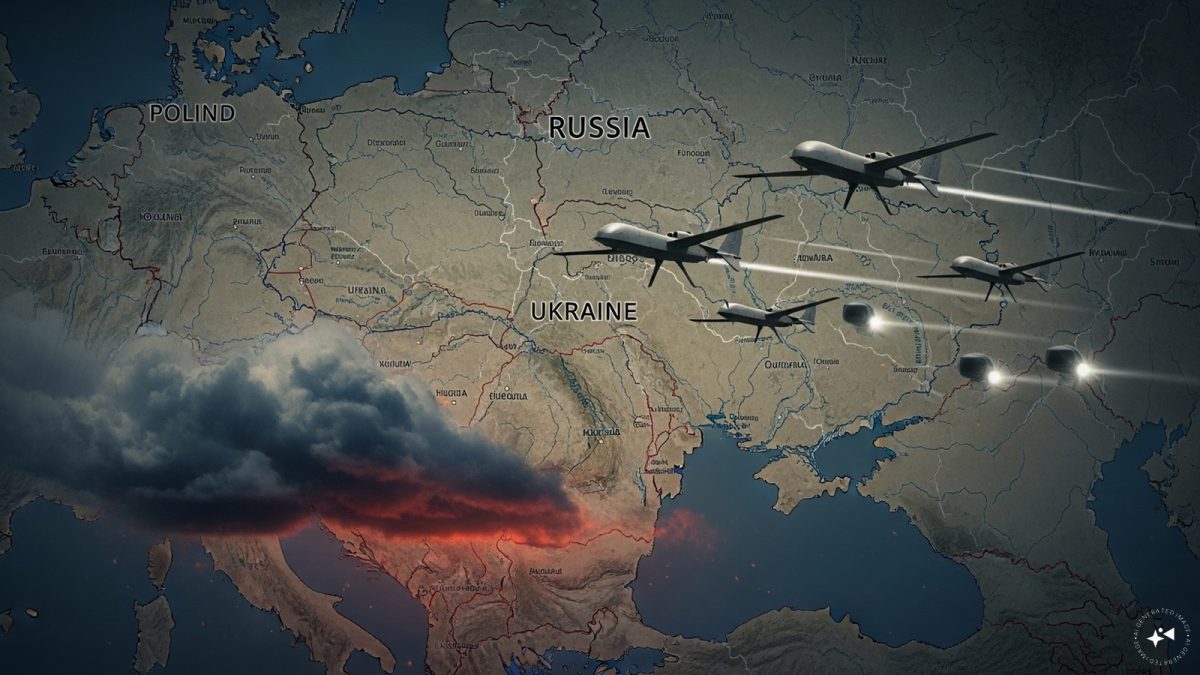 "Russian drones over Poland: Trump’s tepid reaction a wake-up call for Nato?")
 "As Russia pushes east, Ukraine faces mounting pressure to defend its heartland")
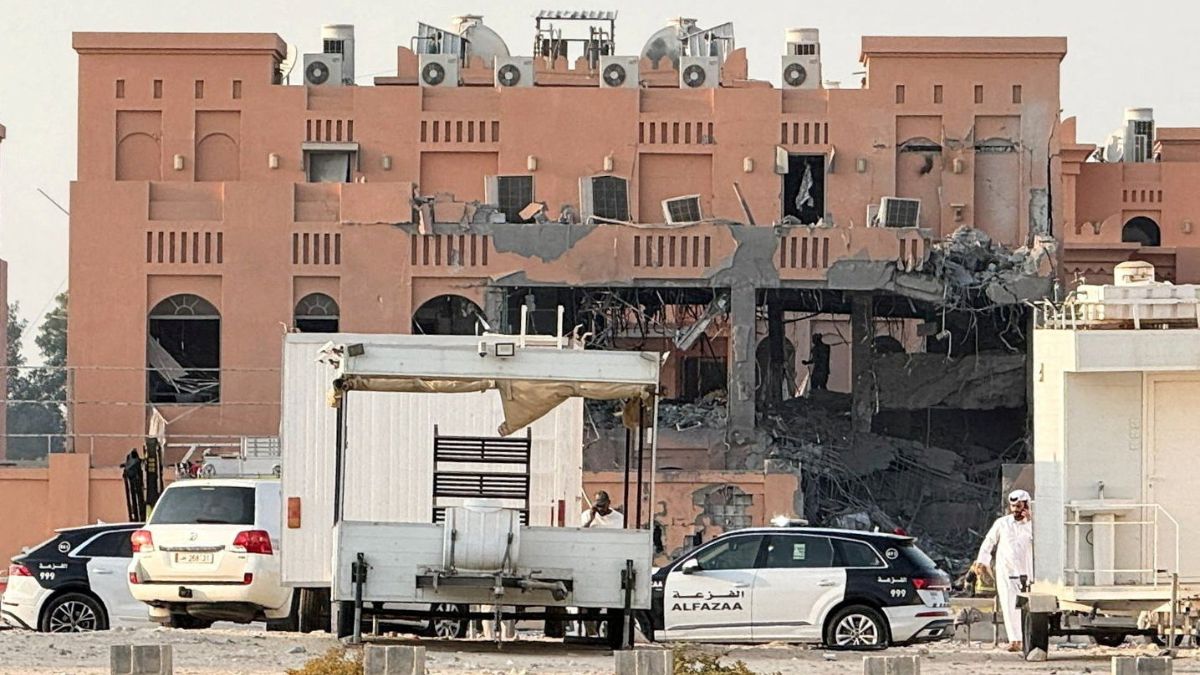 "Why Mossad was not on board with Israel’s strike on Hamas in Qatar")
 "Turkey: Erdogan's police arrest opposition mayor Hasan Mutlu, dozens officials in corruption probe")
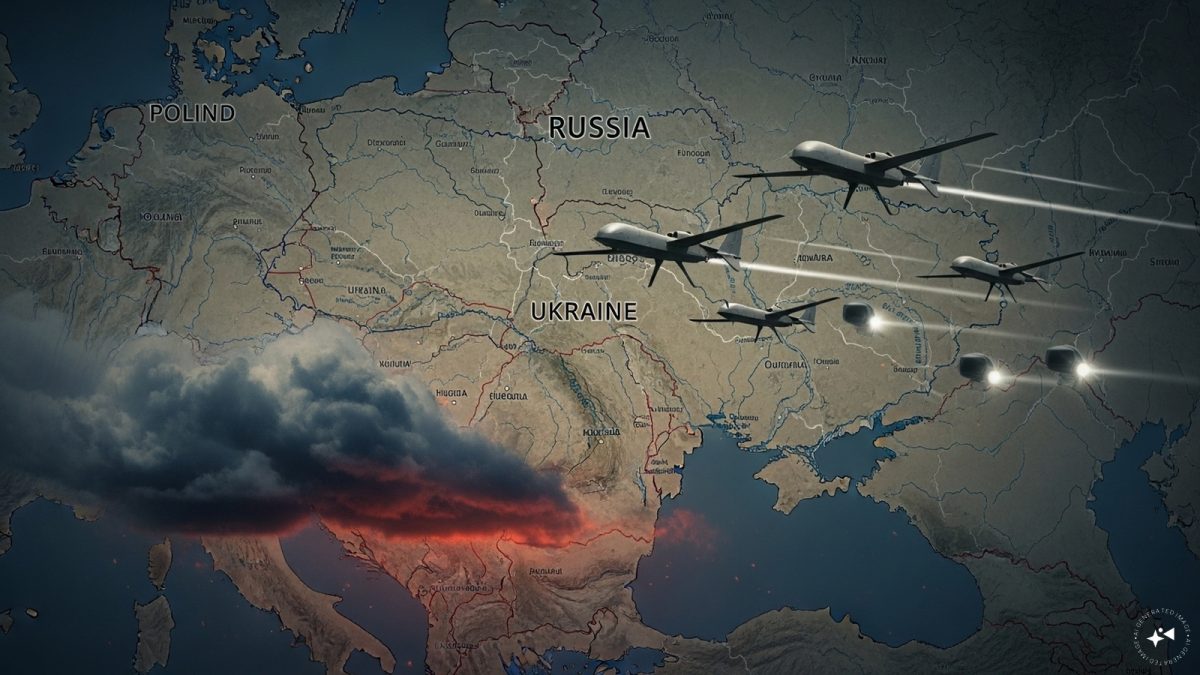 "Russian drones over Poland: Trump’s tepid reaction a wake-up call for Nato?")
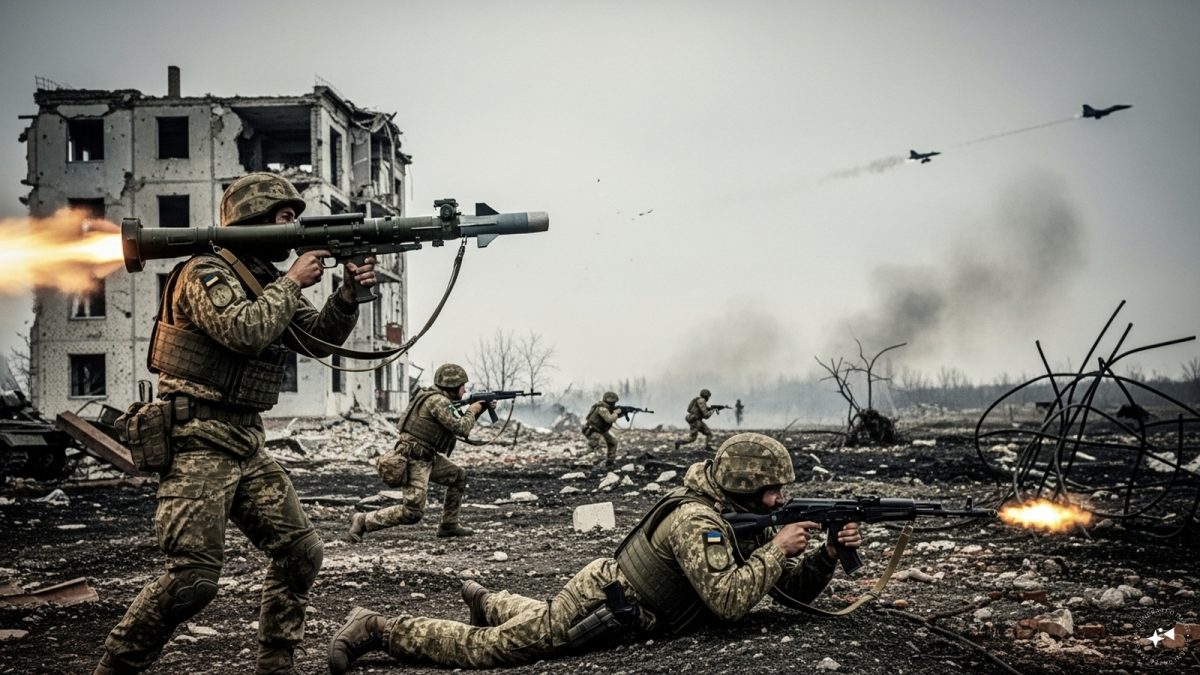 "As Russia pushes east, Ukraine faces mounting pressure to defend its heartland")
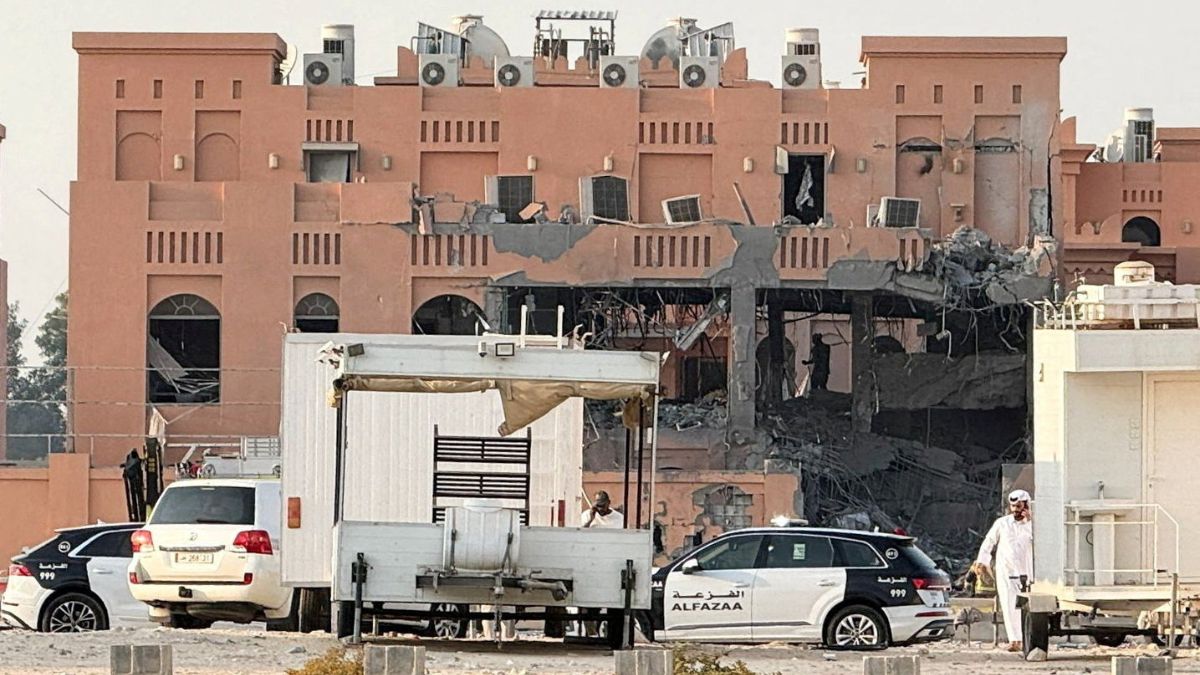 "Why Mossad was not on board with Israel’s strike on Hamas in Qatar")
 "Turkey: Erdogan's police arrest opposition mayor Hasan Mutlu, dozens officials in corruption probe")



