

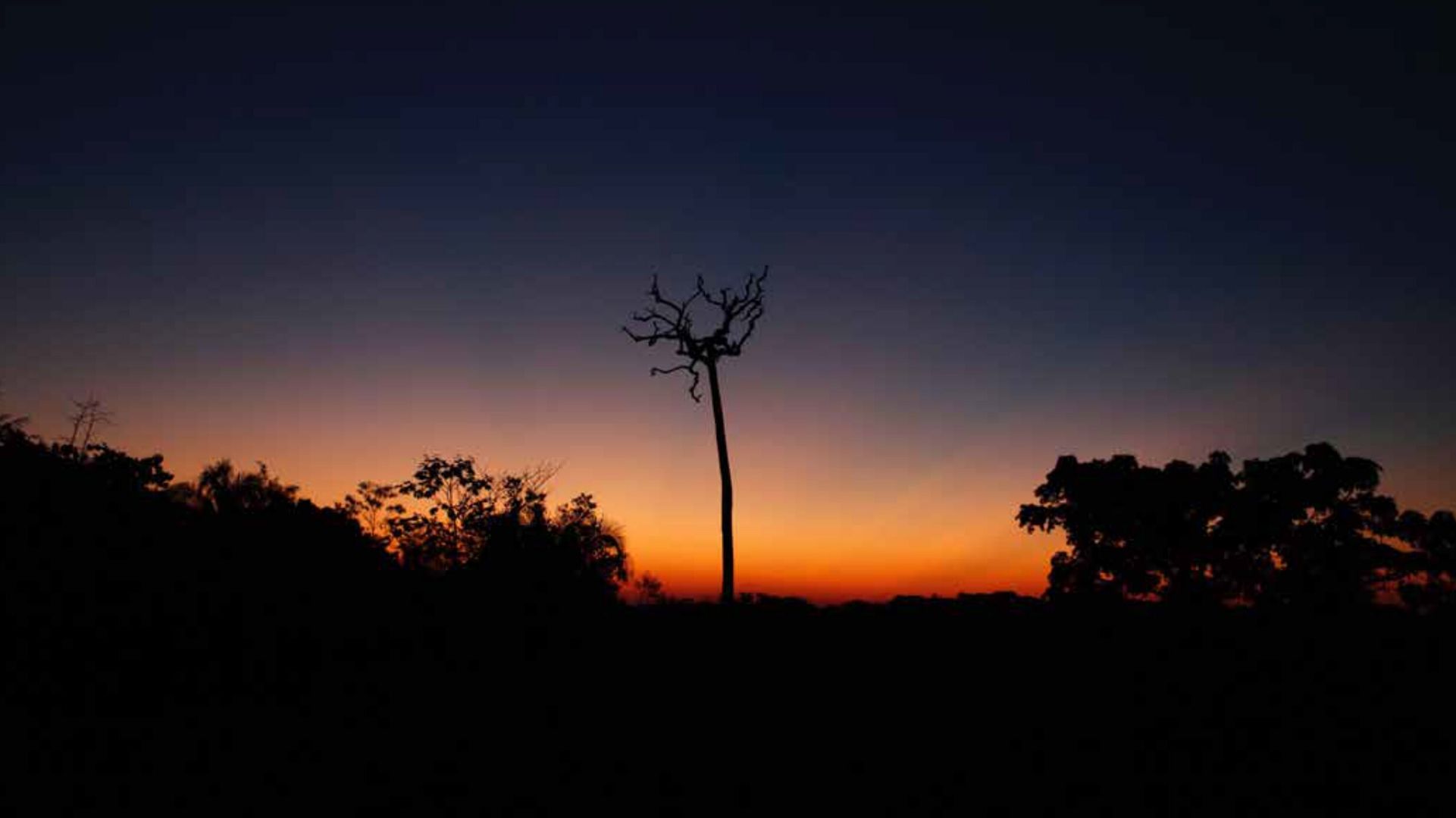
 "On 50th Earth Day, a look at what is causing the Amazon rainforest to fast approach its tipping point")
Environment and climate change activist Sarah duPont has felt connected with nature since she was a little girl. As a child, she remembers riding on horseback deep into the woods, with her dogs running behind. “There has always been a deep love for even the smallest thing — the glitter of a June bug, the translucent wings of butterflies, and the colourful feathers of birds,” she tells Firstpost. With age, this connection strengthened. But being an environmental activist is often challenging, given the scale of devastation one encounters each day. “I have felt the grips of climate change since 1984 and have worked tirelessly to sound the bell, mostly to deaf ears.” Over the years, there have been moments she felt she couldn’t go on, and many nights when she’s jolted awake by nightmares of environmental destruction. “I cannot bear that we humans are destroying this beautiful planet and exterminating innocent species that have every right to exist.”
Destructive human activity has now led to a crucial moment in the planet’s ecological life. In December 2019, scientists Thomas E Lovejoy and Carlos Nobre informed in an editorial that the Amazon rainforest is now at a tipping point. “The tipping point is here, it is now,” they said.
A tipping point is a small, irreversible change through which a system enters a new stable condition. Scientists believe that at least 80 per cent of the Amazon’s trees need to stand in order to sustain the forests, and continue their hydrological water cycle. The hydrological water cycle is one of the most important functions of the Amazon trees. Through a process called transpiration, they act like giant pumps, absorbing groundwater through their roots and releasing it out through leaves. “One tree can lift approximately 100 gallons of water out of the ground, and release it into the air each day. On a typical day, the trees in the Amazon release 20 billion tons of moisture into the atmosphere, seeding the clouds with rain,” she explains. This moisture regulates rainfall, aiding agriculture and replenishing water reserves. “Some say that there are only around 81 per cent trees standing,” says duPont, who works closely with Lovejoy. More deforestation and attaining the tipping point means the Amazon will have entered a new condition, where over time, parts of the rainforest will turn into grassland, savanna, and desert. [imgcenter]
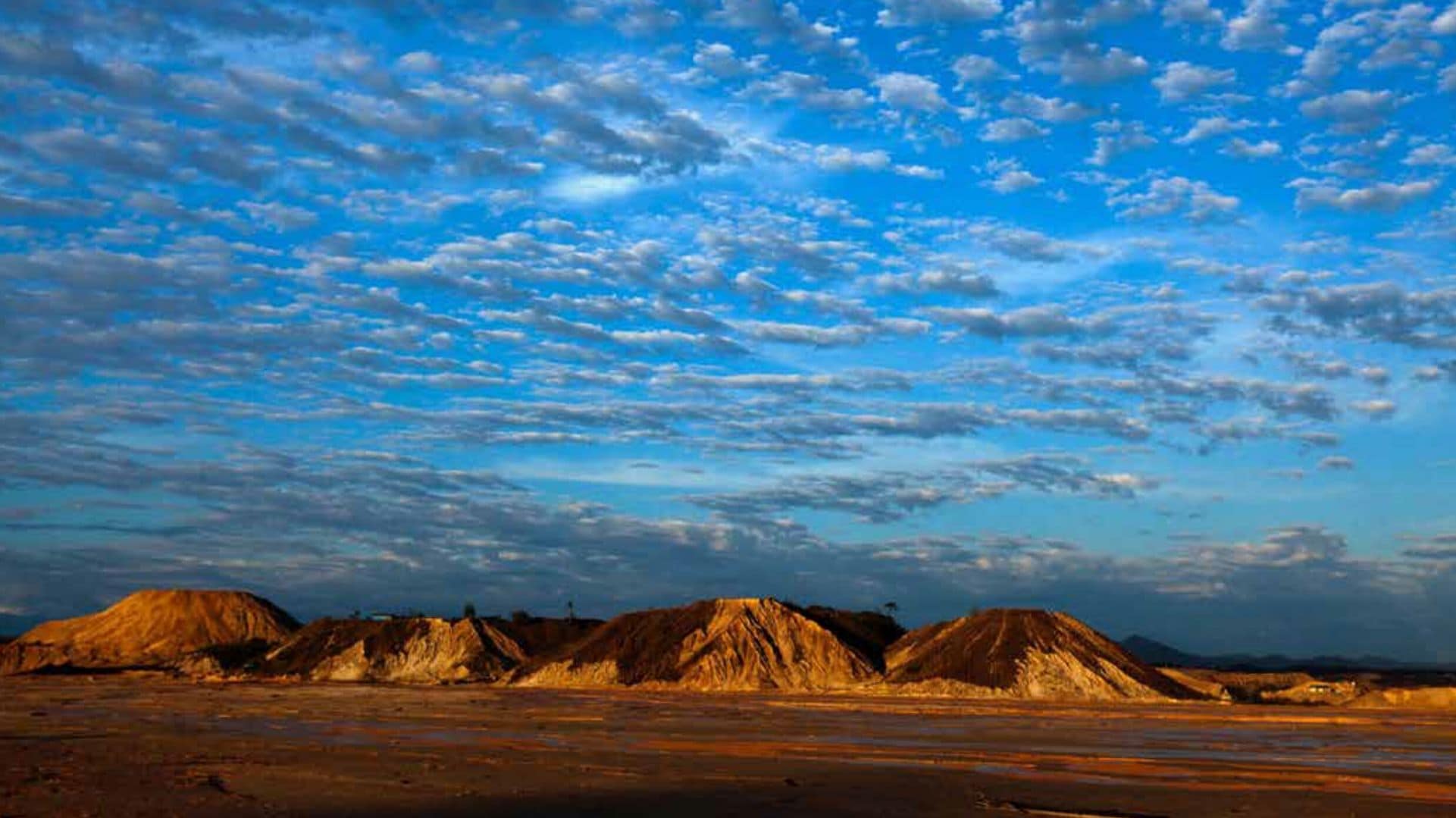
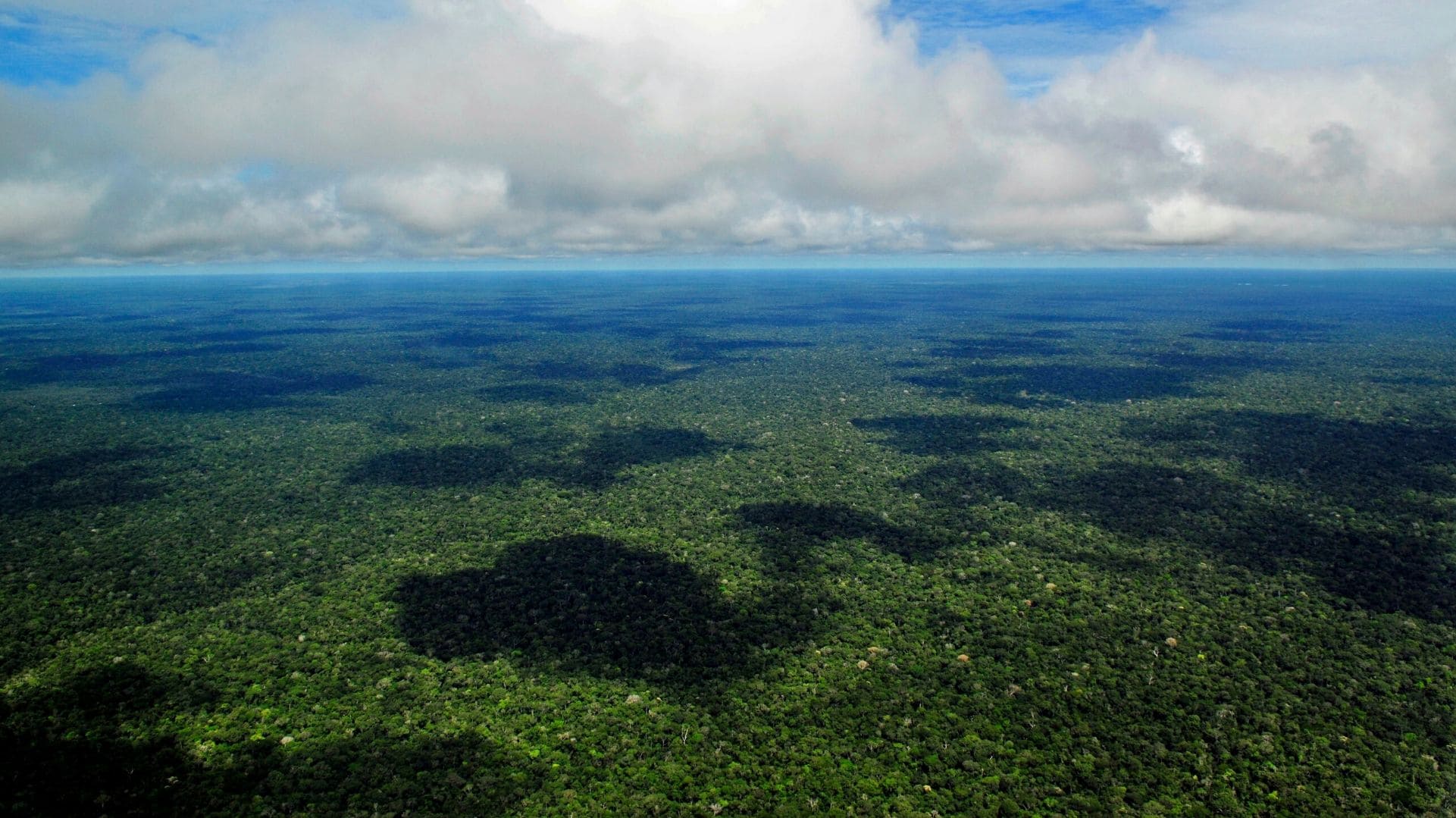
The reason the Amazon is close to a tipping point is because it is being continuously and ruthlessly exploited.
Last year, the world stood witness as the Amazon was gripped by man-made fires, to clear the forest for land conversion. “Since Mr (Jair) Bolsonaro has come to power, deforestation of the Amazon has risen by around 30 per cent, with more than 3,700 square miles destroyed. This is the highest loss of the Brazilian rainforest in a decade,” says duPont. Earlier this year, President Bolsonaro introduced a bill that would allow mining and fossil fuel extraction on indigenous reserves, under the rhetoric of bringing development to the tribes and the Amazon. He is interested in opening up the Brazilian Amazon to large-scale industries, like cattle ranching for meat, soy production, palm oil extraction, and mining.
Illegal small-scale gold mining, which is among the mining activities responsible for deforestation in the region, is an issue comprehensively captured in Amazon Aid Foundation’s 2016 documentary, River of Gold. Narrated by Academy Award winners Sissy Spacek and Herbie Hancock, Peruvian scientist and activist Enrique Ortiz leads journalists Ron Haviv and Donovan Webster, and a crew including co-directors and producers duPont and Reuben Aaronson into Peru’s Madre de Dios region, to witness the destruction. [imgcenter]
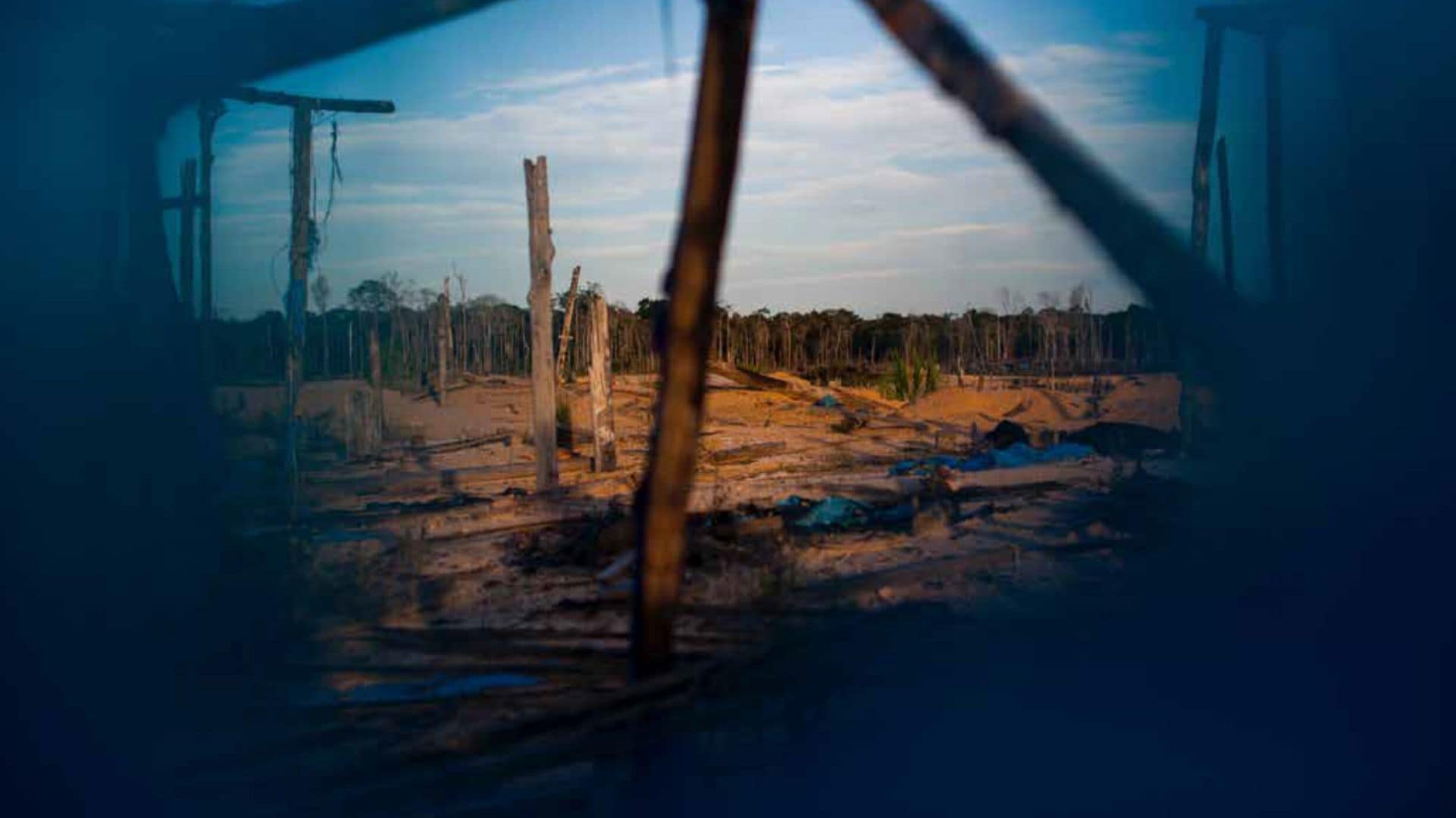
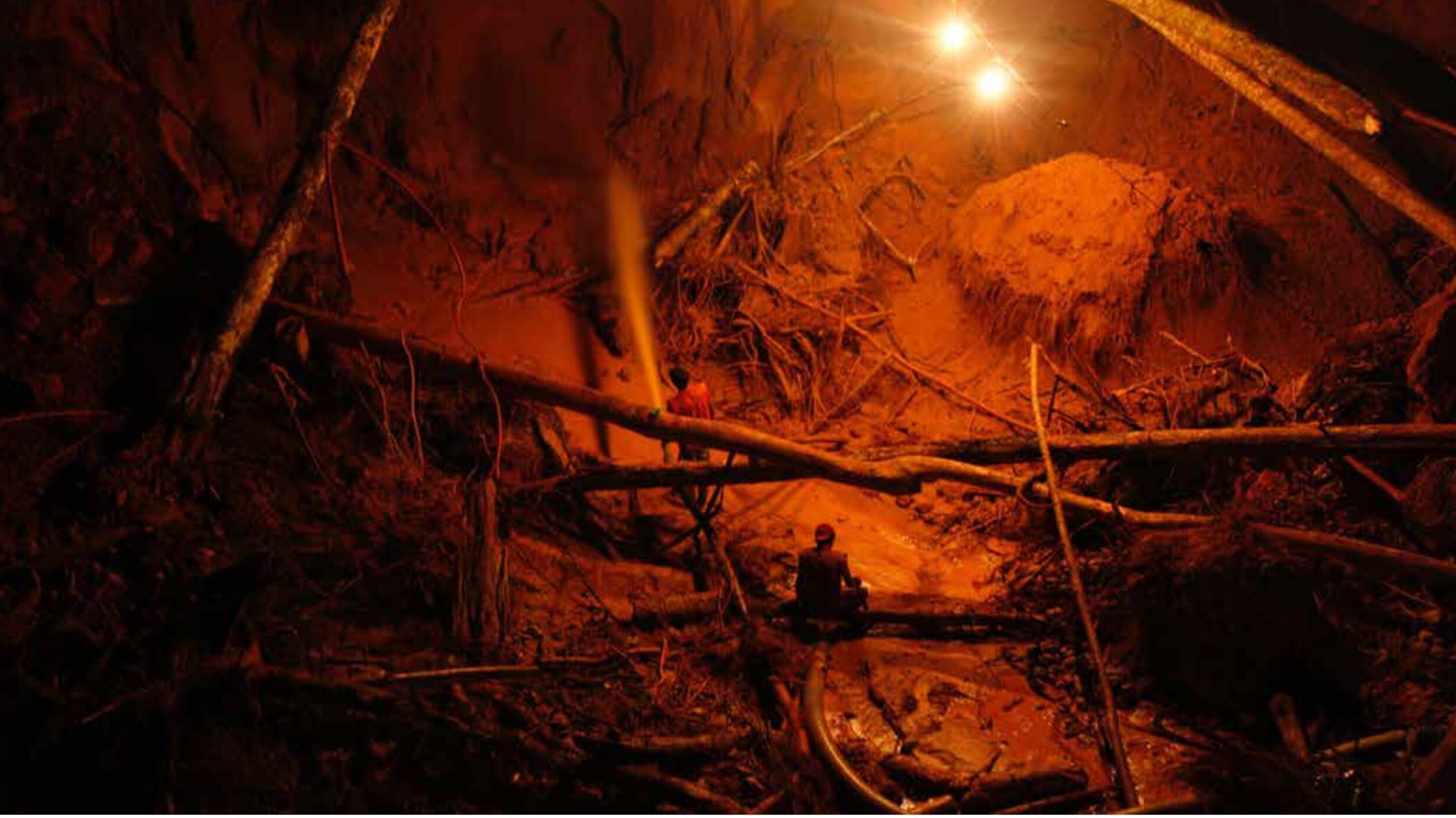
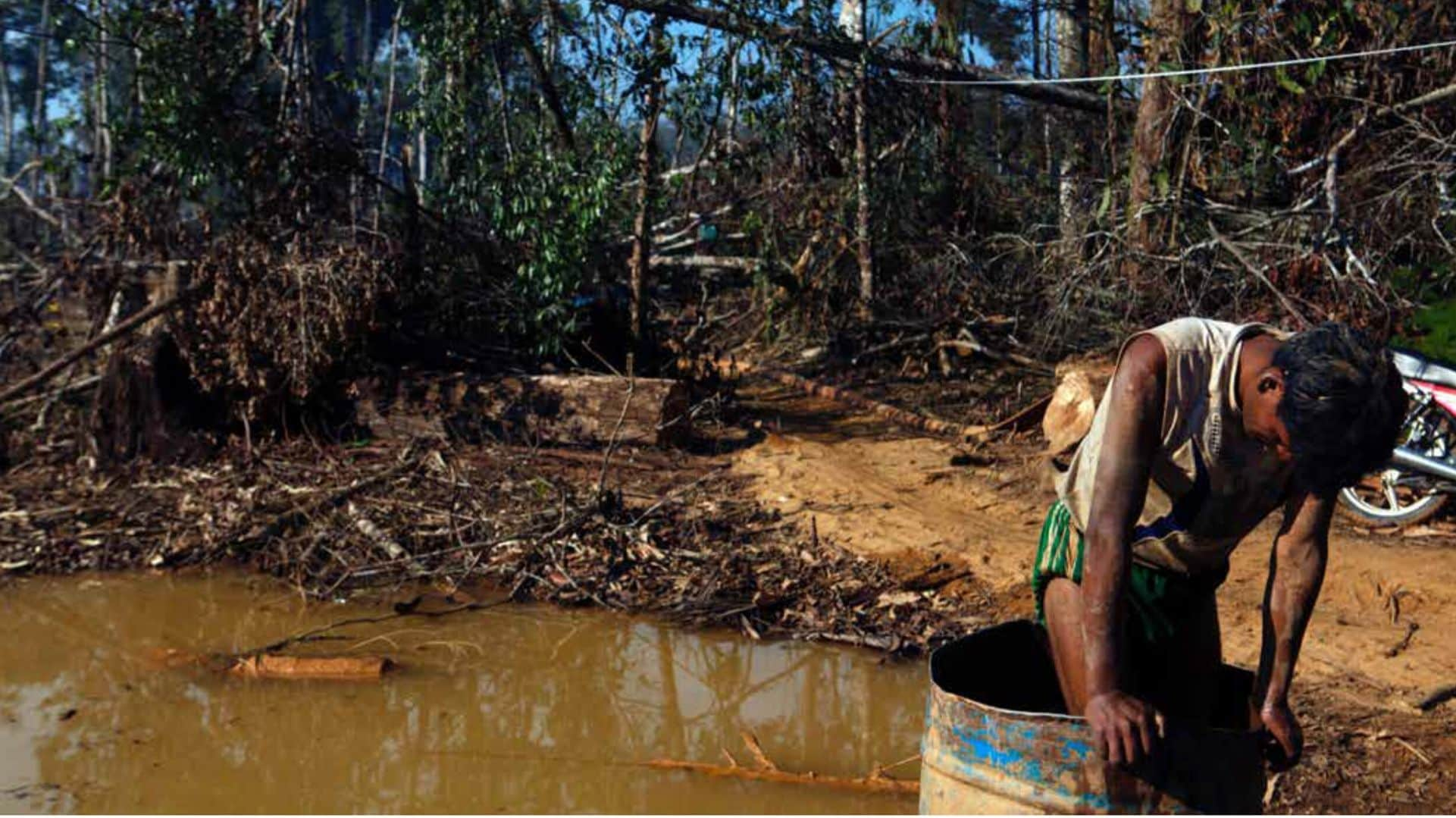
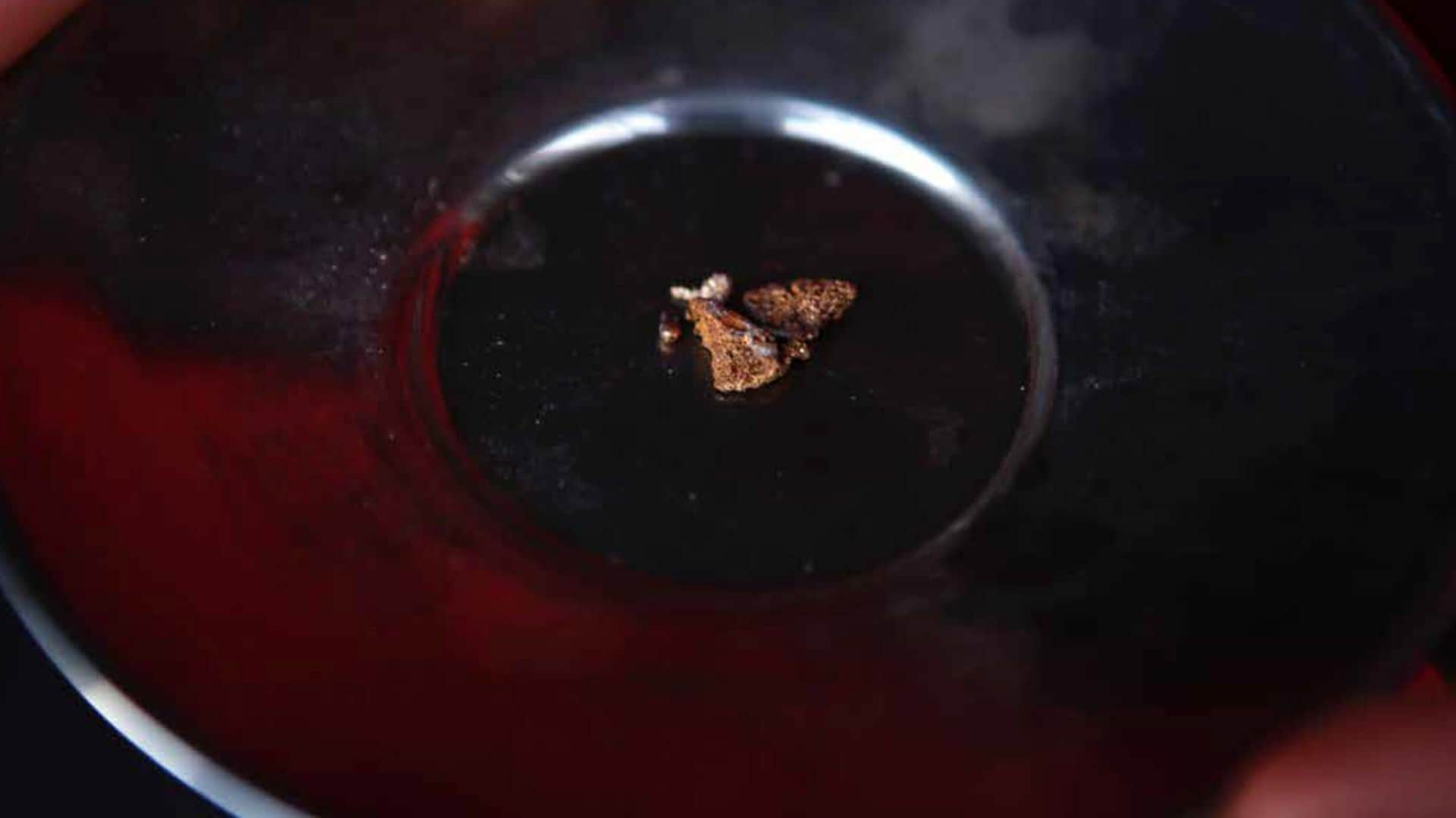
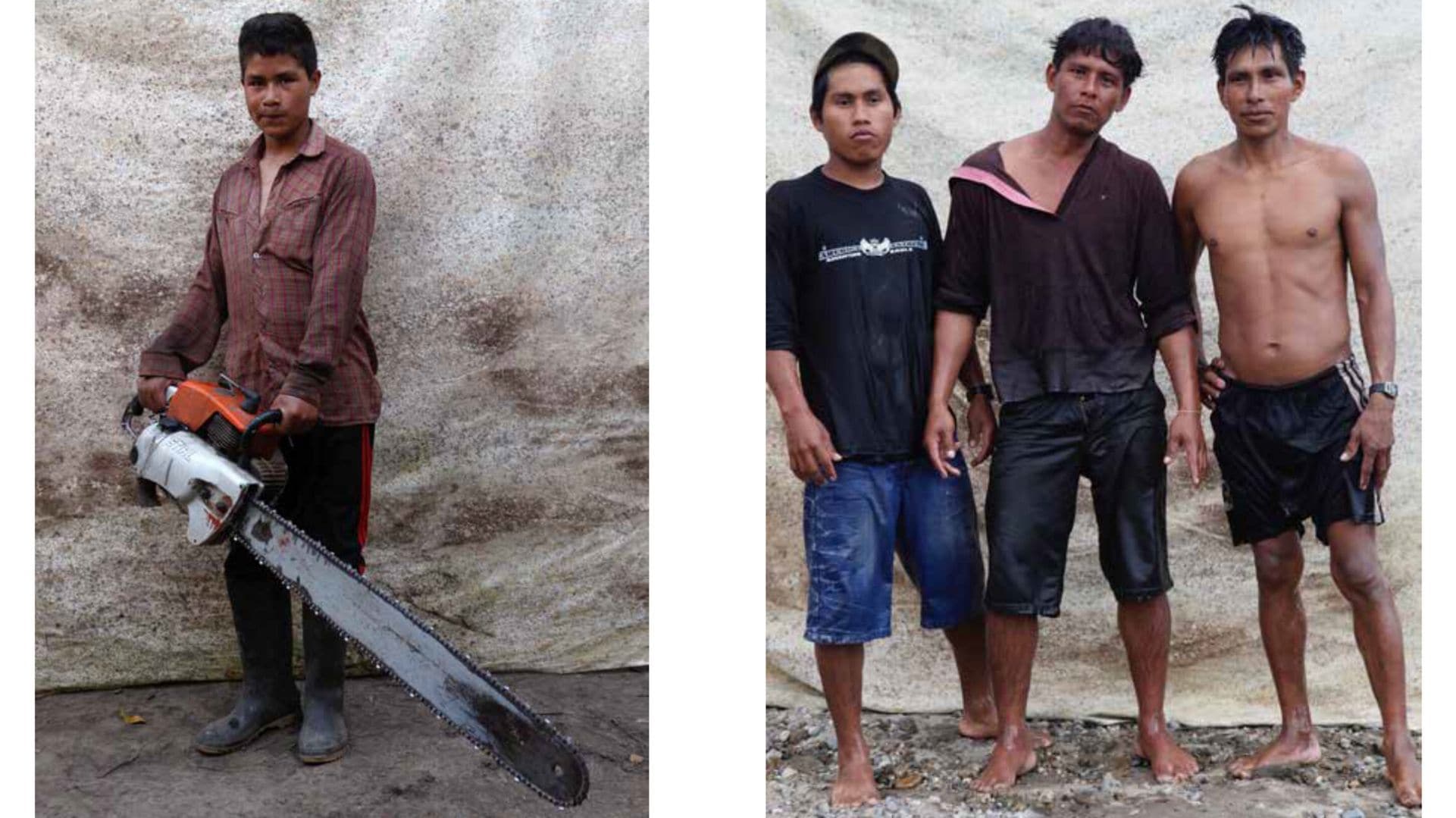
Since its release four years ago, River of Gold — along with the Amazon Aid Foundation’s related curriculum for schools and its Clean Gold Campaign — has worked to raise awareness about this issue. To continue this spread of information, an updated 2020 edition of the documentary has been readied for a free two-week online release, starting 22 April, coinciding with the 50th Earth Day. This release comes in the middle of the coronavirus pandemic, which poses a further threat to the Amazon and its indigenous peoples. “As of 17 April, there have been 1,868 cases and 59 deaths recorded in the Amazon basin,” says duPont. There’s the fear that the coronavirus will spread inside the forest, infecting the indigenous populations. “The indigenous peoples are environmental defenders and cultural ambassadors of the Amazon. Without their in-depth knowledge of how to live in harmony in the Amazon, we would lose irreplaceable information that could threaten the future of the Amazon. Indigenous people have the right to live on their lands without external threats, just like you and I have the right to exist in our homes without being attacked,” she adds.
At this precarious, chaotic time, illegal miners and land-grabbers are taking advantage of the COVID-19 fear, increasing their attacks on indigenous lands, and using the available time to clear more forests.
“With Bolsonaro in charge, the situation looks bleak. It is even more pertinent that consumers, organisations, and policymakers worldwide are aware of the consequences of losing the Amazon, and demand that the forests remain standing; that we reforest destroyed areas, and that we implement regulations around industry, and produce cleanly sourced products that do not destroy this critically important ecosystem,” she says. “The time is now. All hands on deck.” River of Gold, an Amazon Aid Foundation Production, will stream online for free from 22 April to 6 May, with a Q&A with Sarah duPont and Thomas E Lovejoy on the final day. To watch, sign up here_._ Banner image: A dying Brazil Nut tree alongside the Transoceanic highway that connects Brazil to Peru. — All photos by Ron Haviv, VII Agency, unless indicated otherwise.

 "Charlie Kirk, shot dead in Utah, once said gun deaths are 'worth it' to save Second Amendment")
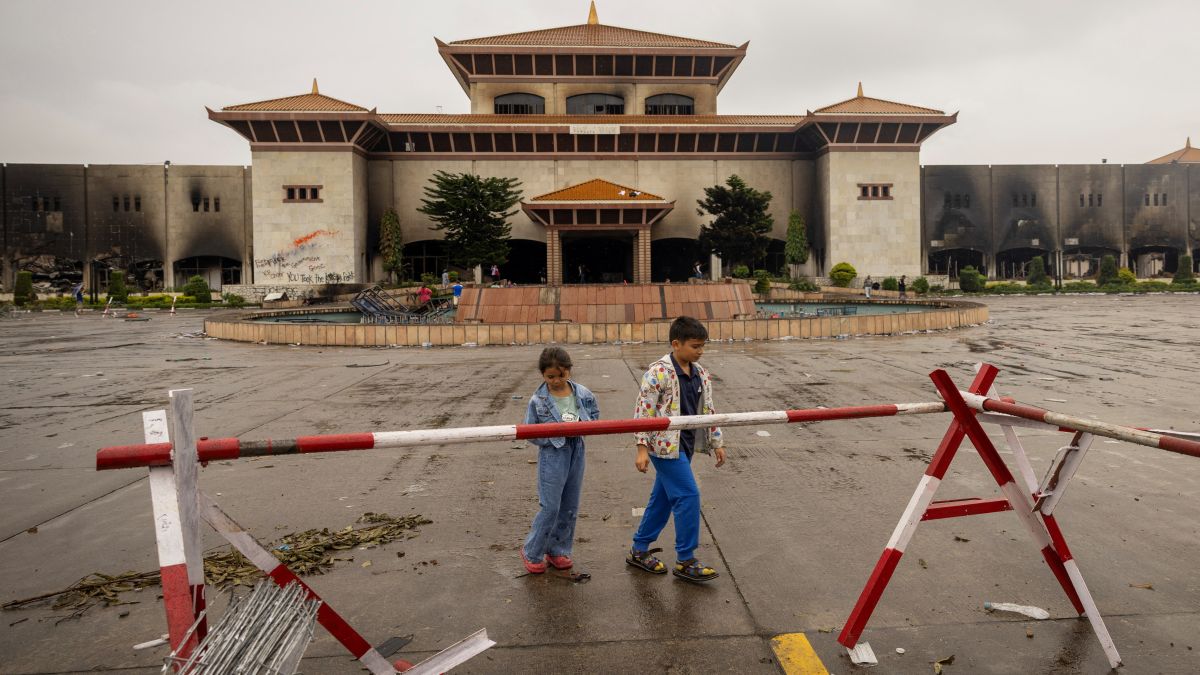 "From governance to tourism, how Gen-Z protests have damaged Nepal")
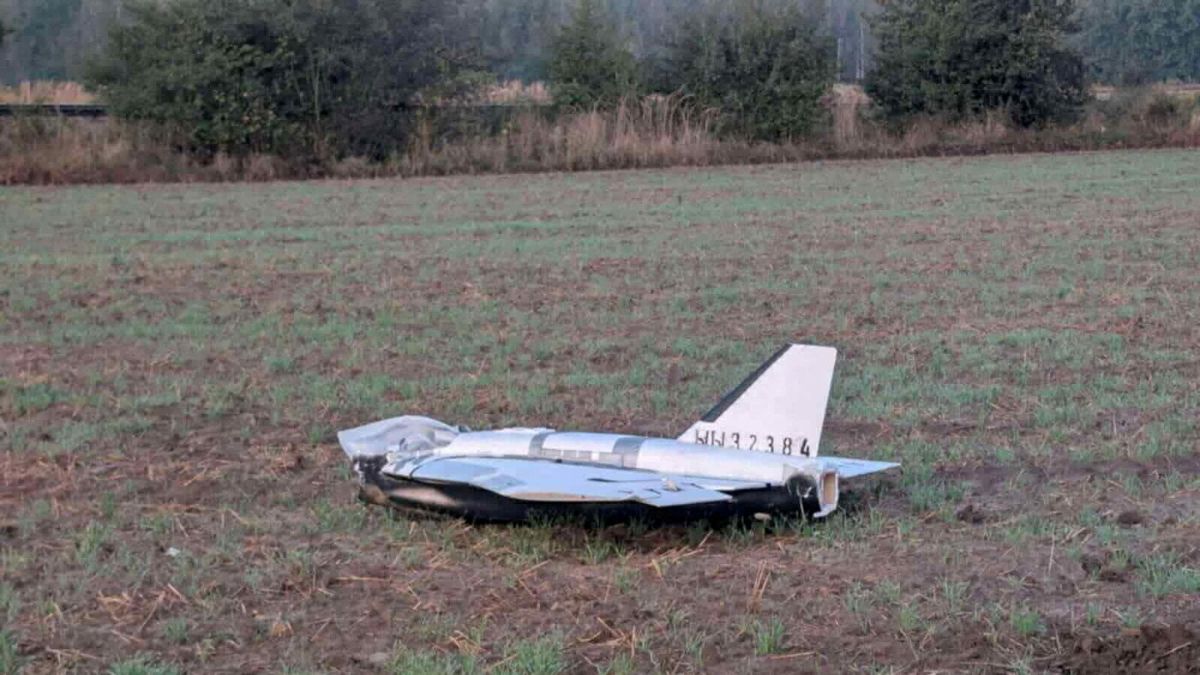 "Did Russia deliberately send drones into Poland’s airspace?")
 "Netanyahu ‘killed any hope’ for Israeli hostages: Qatar PM after Doha strike")
 "Charlie Kirk, shot dead in Utah, once said gun deaths are 'worth it' to save Second Amendment")
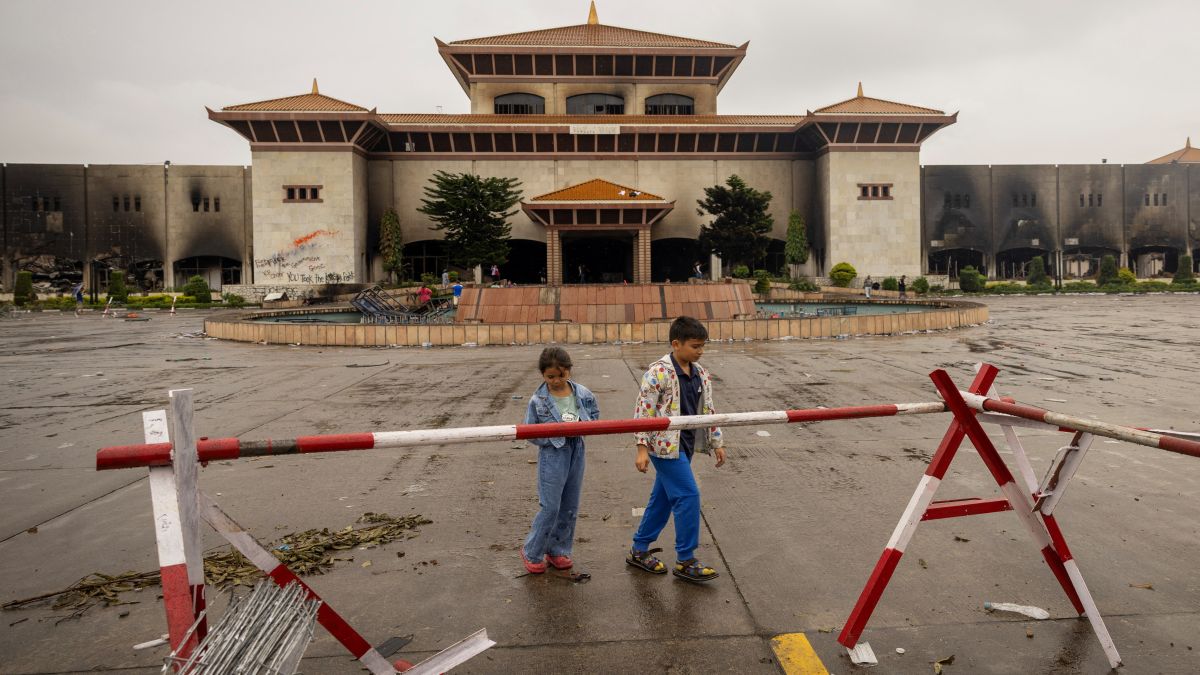 "From governance to tourism, how Gen-Z protests have damaged Nepal")
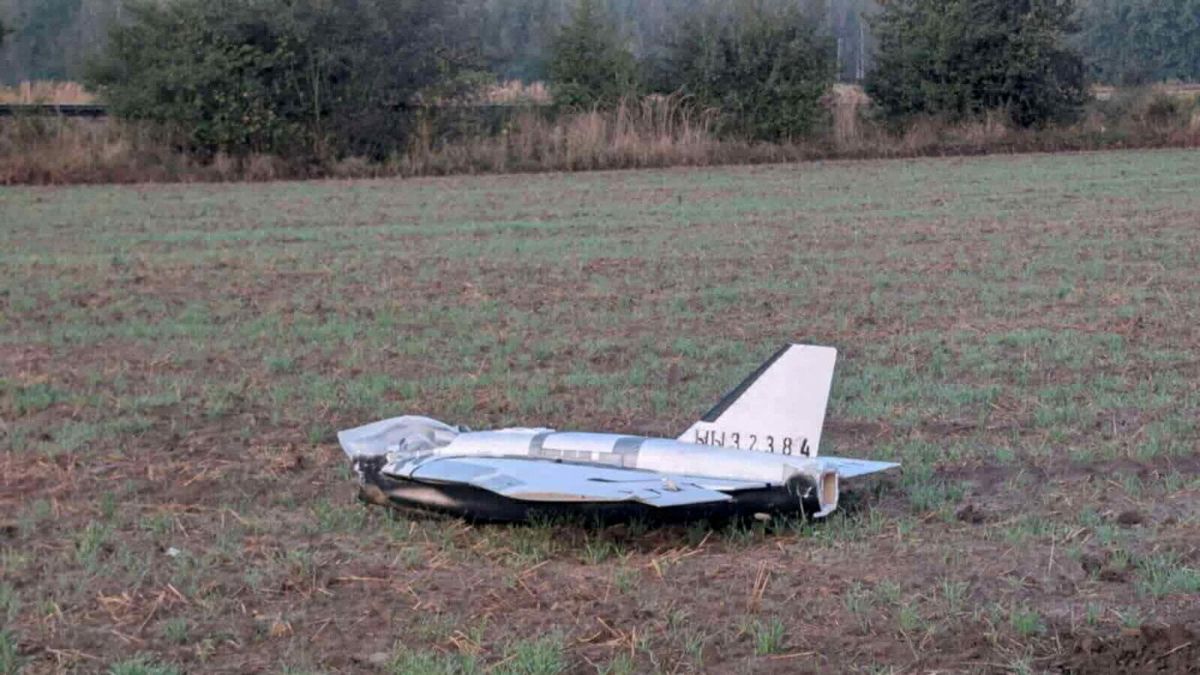 "Did Russia deliberately send drones into Poland’s airspace?")
 "Netanyahu ‘killed any hope’ for Israeli hostages: Qatar PM after Doha strike")



