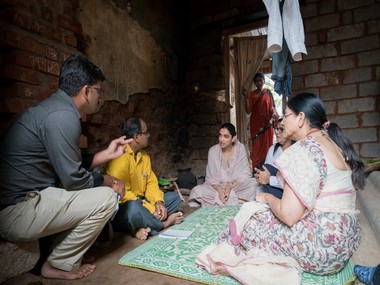
 "It’s time we talk about India’s growing mental health crisis")
Life was a constant struggle for Rajan (name changed). He would not return home for days at a stretch, wandering in the village, looking lost and helpless. No, it wasn’t like he had no one to fall back on but his prolonged mental illness made him anxious and aggressive. What’s worse was that Rajan had abandoned personal hygiene and denied returning home for days. It was due to the timely intervention by the ASHA team and the rehabilitation workers that Rajan could be treated and was brought back to his family. Consider these facts-
- The World Health Organization (WHO) predicts that by the year 2020, 20% of India’s population will suffer from mental health issues.
- At least 13.7 percent of India’s general population has been projected to be suffering from a variety of mental illnesses, and 10.6 percent of this requires immediate intervention.
- According to NIMHANS, nearly 150 million Indians are in a need of active medical intervention
- India accounts for more suicides than any other country in the world. In fact, India accounts for one-third of all total global suicides.
- Due to stigmas and misinformation, people in need of help are rarely able to access it. Additionally, despite the huge number of people who require mental health attention, India only has 3,500 trained psychiatrists and even fewer psychologists.
These staggering facts are enough to shake us from our slumber and rise to the dire need of standing up to the cause. In Rajan’s case, timely efforts helped rescue him. In rural India, the acute lack of resources leads to a situation where the illness mostly goes undetected or people suffering from mental disorders go missing or are abandoned or are even discriminated upon by their own people. Dealing with such tricky situations is challenging but there are a few organizations who are going out in every possible way to reach out to those in need and provide the much-needed support.
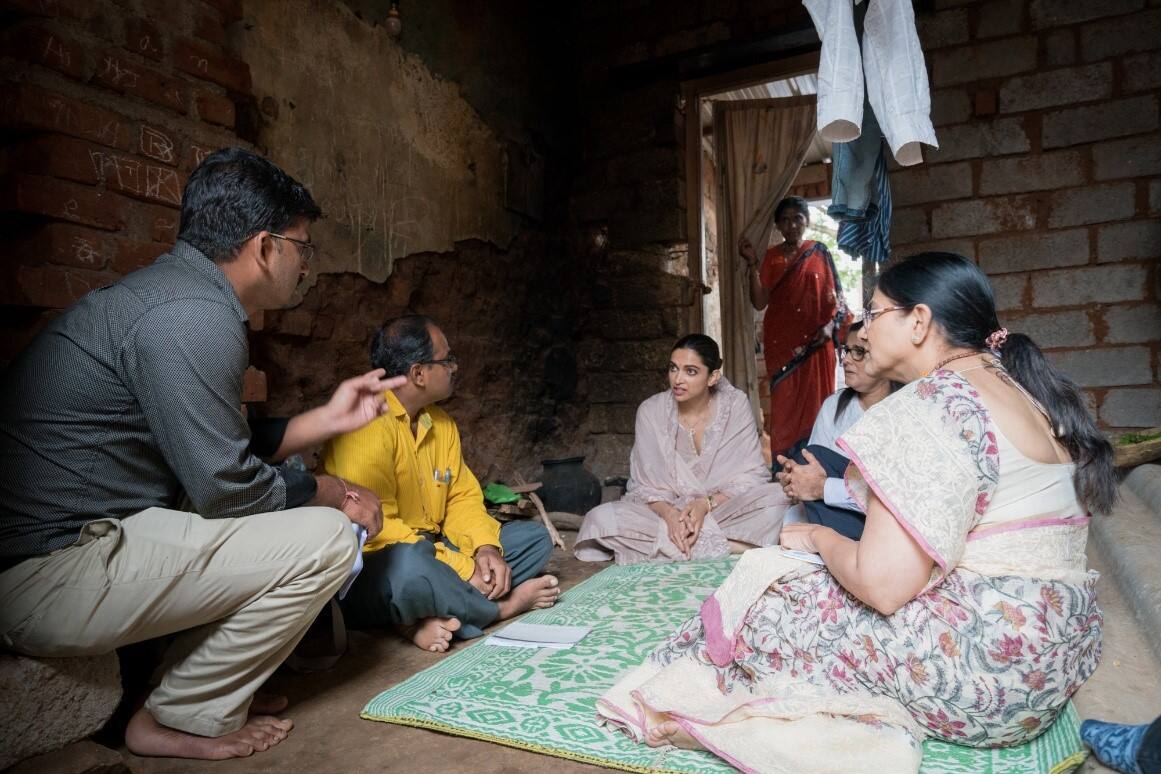 Groups like ASHA and APD are leading the way to deal with the cause of mental health. These groups are providing training to local community members so that they, as health educators and promoters, can reach out to a maximum number of people. Accredited social health activists (ASHAs) is community health workers instituted by the government of India’s Ministry of Health and Family Welfare (MoHFW) as part of the National Rural Health Mission (NRHM).
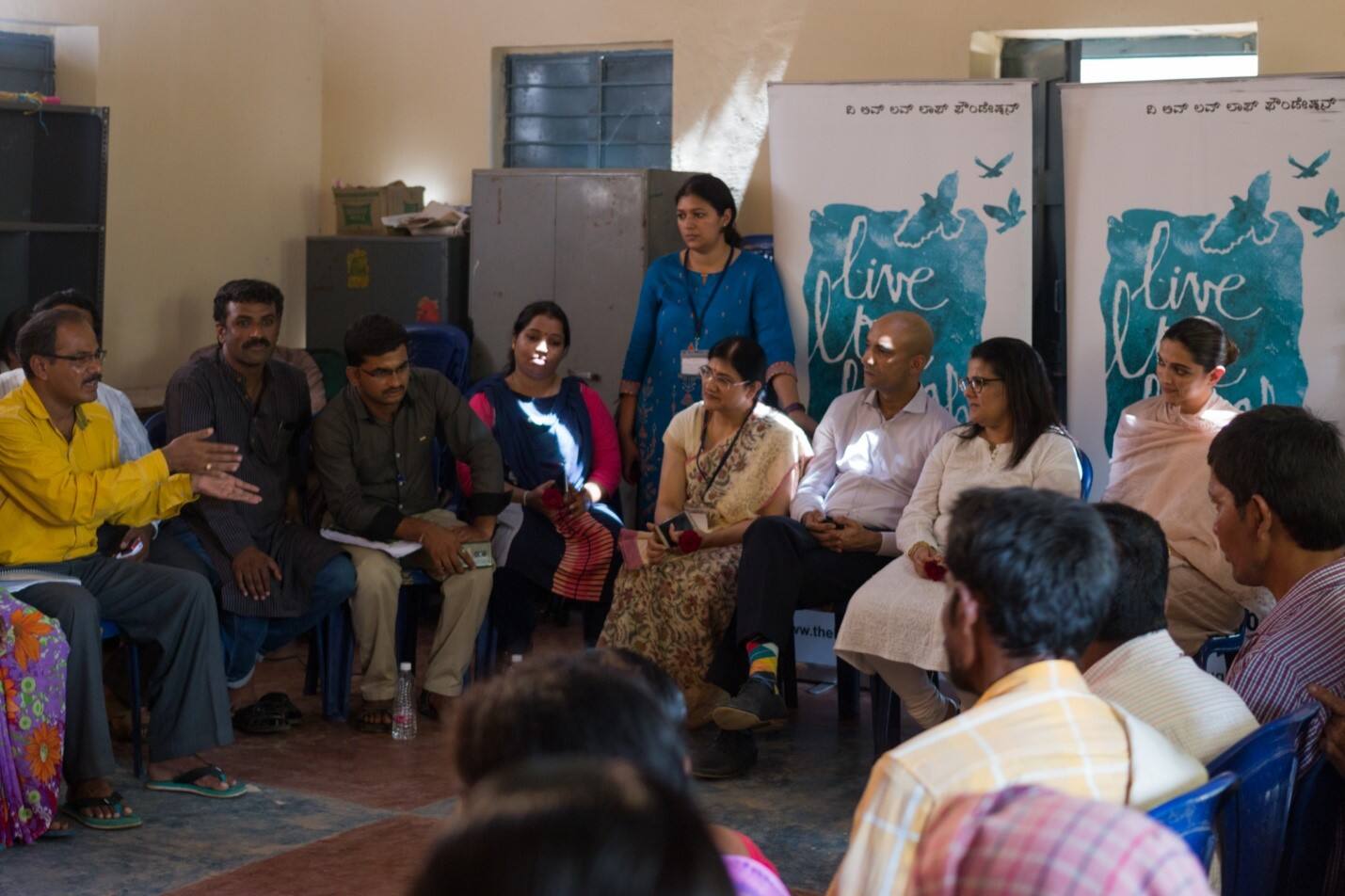 APD has recently started working in the field of mental health to provide quality psychiatric treatment and promote the recovery of Persons with Mental Illness.
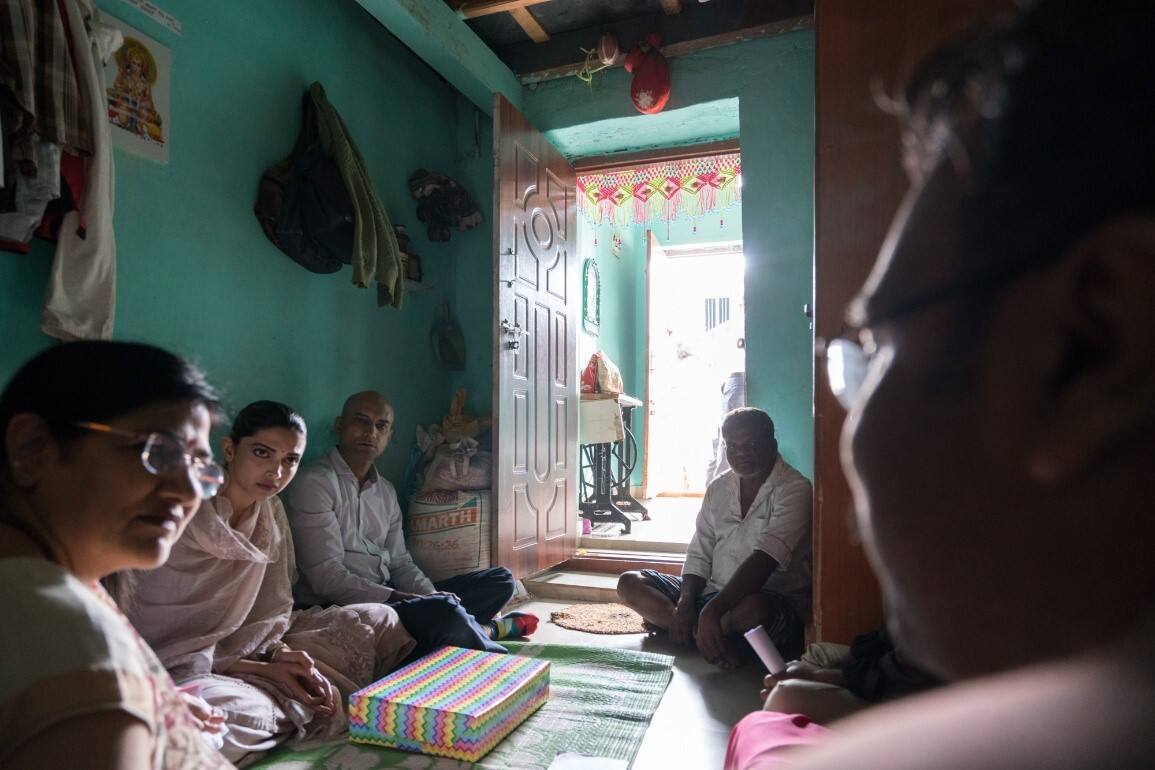 These organizations have been tirelessly executing their health-related programmes on the ground. And undeniably such initiatives require solid professional foundation and support so they have a lasting impact. The foundation has supported this programme since 2016-17; during which the reach spread from 2 talukas to 6 talukas and from 200 patients to 800 patients.
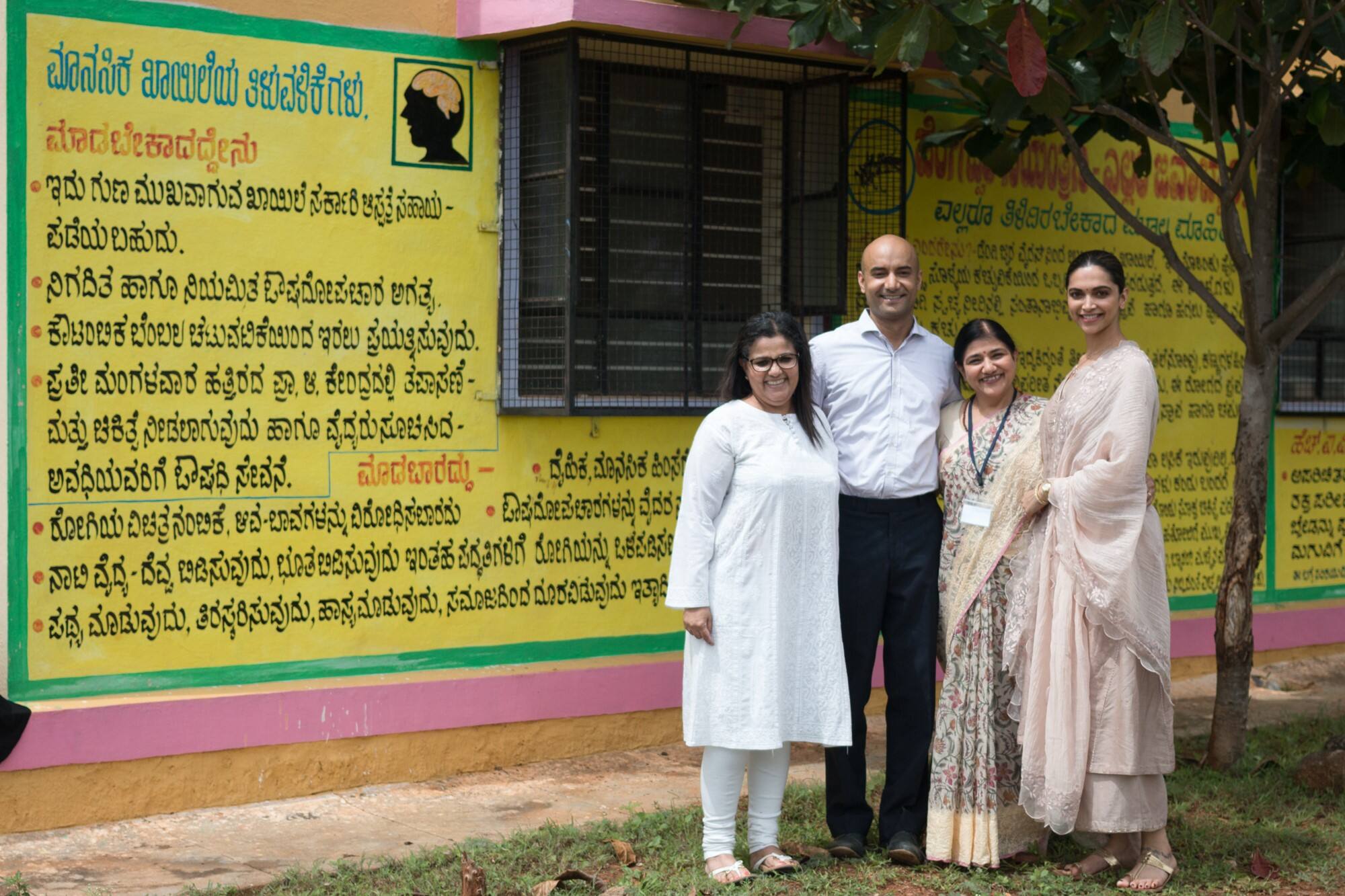 Though these groups are trying their level best to reach out to the maximum number of communities they have identified two vital concerns that need immediate government attention.
- Lack of awareness amongst communities regarding mental illnesses and treatment options available.
- Low socioeconomic conditions are a deterrent to seeking treatment available in cities or closest town.
People suffering from mental illness are challenged doubly. On one hand, they struggle with the symptoms and disabilities that result from the disease. On the other, they are challenged by the stereotypes and prejudice that result from misconceptions about mental illness. As a result of both, people with mental illness are robbed of the opportunities that define a quality life: good jobs, safe housing, satisfactory health care, and affiliation with a diverse group of people. It’s time we stop being a mute spectator and get our act together to ensure a safe and secure life for people having mental disabilities. They are an integral part deserve special attention and empathy from all of us. So, next time if you see someone in need, feel free to volunteer. Your efforts will not go waste. That’s certain! This is a partnered post.