

 "Government oversight, disillusioned audience and wary brand partners: Is the age of influencers (finally) ending?")
Since as far back as 2015 there has been no shortage of people predicting and some, no doubt, hoping for an end to the age of the influencer. Of course, hindsight being what it is, I don’t need to tell you that the predictions of an influencer apocalypse turned out to be as inaccurate as those of any other doomsday cult. So that’s it then right? Just another false alarm and it’s going to be business as usual for another couple of years. Well, maybe, but this time things might be a little different. Not because influencer marketing is a largely fruitless endeavour as so many who have denounced it previously have claimed, but because it may be a victim of its own success… or at least its own specific definition of success. This time, even some of the biggest influencers themselves seem to be convinced that at any moment, the bubble could burst for their once humble cottage industry. Getting the money and running Most major influencers will admit that there may soon be major trouble on the horizon. Even if they don’t come right out and admit it ( although some certainly do), the fact is that the biggest and most well-established influencers are working harder than ever to diversify their sources of income. That’s not a bad thing in and of itself of course. Using your ability to build brand awareness and motivate your loyal audience to buy your own services or merchandise instead of someone else’s is really just good business ( even if it doesn’t always quite work out). [caption id=“attachment_6142111” align=“alignnone” width=“825”]  Representational image. Reuters/Toby Melville[/caption] But while it makes sense, the fact that everyone at the top of the industry seems to be eyeing the exits is certainly not good news for the tens or hundreds of thousands of other smaller and aspiring influencers who are trying to turn this popularity contest into a viable ‘career’. The reasons for this anticipated shift in fortunes are fairly numerous and a few are a bit complex, but one of the main reasons is that, to put it tritely… It’s isn’t the Wild West anymore There’s no shortage of articles talking about the near-miraculous rise of influencer marketing. But what most of these articles fail to mention alongside their glowing recommendations for all businesses to start working with influencers at once is that part of the success behind influencers was a lack of regulations that allowed influencers to support brands and products without disclosing to audiences or regulators that these were essentially disguised advertisements. But that’s starting to change with the United States introducing requirements for influencers to clearly indicate when their content includes a paid promotion, a practice that will likely become the norm in most countries once law-makers get around to it. However, some influencers still refuse to follow these guidelines even where required. Given the additional scrutiny and the chance of liability and significant penalties for future breaches, it’s really no wonder that… Businesses are getting wise fast While many businesses were initially enamoured by the possibility of what influencers could deliver for their brands in the early days of this sort of marketing; as companies pivot away from more nebulous concepts like brand recognition and start focusing on the bottom line, the fact that dollars spent on influencer marketing isn’t converting into actual sales has started to take some of the shine off these partnerships. Working with influencers can also be a double-edged sword as it presents a unique risk to companies who are hitching their brand to a third party that they have little control over. An insensitive remark or even a completely unrelated outburst can turn what should have been an easy win into a sleepless night of damage control. And occasionally influencers just won’t do what companies paid them to do. Such was the case when Snapchat parent Snap Inc wound up suing one of its influencers, Luka Sabbat, for breach of contract over a deal that would have had Sabbat wearing and promoting Snap Spectacles on his Instagram account… an irony that hopefully was not lost on the Snap marketing team. While I’m on the topic of double-edged swords, the trend of wannabe-influencers just claiming false endorsements from brands they have no association with in order to build their credibility has left some businesses with a dilemma. Do you say nothing and let them and their low-quality content speak for your brand without permission? Or do you call them out and risk them having a public meltdown and perhaps start harassing your official social accounts and real brand partners? With several brands suffering PR setbacks over the behaviour of their influencers (and some who just claim to be influencers) it’s not surprising some companies are rethinking their marketing priorities. Audiences too are becoming more distrustful of influencers. Where many followers may have once thought the personalities they follow were being completely genuine about the products they ‘loved’ and recommended, almost anyone knows better these days. [caption id=“attachment_6142051” align=“alignnone” width=“825”]  For example, few people believed that Naomineo (above) toted around a one-litre bottle of apple juice at all times. | @naomineo_[/caption] While I loathe having to say it, the infamous ‘Fyre Festival’ did at least make that positive contribution. You knew it was going to come up. Since 2017, it’s practically impossible to talk about influencers without mentioning the Hindenburg of social events, whose flaming wreckage has helped it reach almost legendary status as a shining example of utter failure and the best thing to ever-happen-ever among ‘schadenfreude’ enthusiasts. Anyway, ever since Fyre set the current gold standard for over-selling and under-delivering, I can’t think of anyone who would take a major influencer at their word anymore. In fact, the biggest influencers are probably about as credible today as a regular ad… plenty of reach, but no one would really take their recommendation at face value anymore. To counter that, we have seen some brands shift to working with micro-influencers ie those with between 10,000 and 1,00,000 followers (although some have as few as 5,000). While the firms that represent these micro-influencers portray partnering with their clients as a bold move to precisely target niche audiences, time will tell whether ‘going small’ is a stroke of genius or a last gasp driven by pure desperation. Whatever the motivation, this trend certainly seems to have touched a nerve with the larger, more established influencers for obvious reasons. So now we have increased government oversight coupled with an increasingly disillusioned audience and brand partners who are demanding better and more tangible results. What else could go wrong? Well, since you mentioned it… The influencer market is over-crowded Even with all the trouble from partners on the horizon, perhaps the biggest threat to influencers are, unsurprisingly, other influencers. Some estimates put the current number of active full-time influencers at over one million. That may not sound like a lot, but remember, this is a popularity driven industry and the sudden influx is making it top heavy. The extremely low barrier to entry and a ready supply of fantastic success stories have led to a sharp spike in the number of people trying to get in on a piece of the action. And that trend at least shows no sign of slowing. As many as 82 percent of millennials in a London survey hoped to become ‘professional’ influencers. But that’s just London, right? Not really. Even in India, there are plenty of hopefuls looking to turn shilling on social media into a full-time gig. Some are even dropping out of college to pursue brand deals that pay as little as ₹ 500 for three posts. While a rate that low may be atypical, it perfectly exemplifies the problem facing influencers. The massive growth in their ranks means that more people are competing for an ever-shrinking slice of the pie, and that’s driving the value of their services down. While this buyers’ market works well for brands, influencers are going to find it harder to make ends meet as the rates they can realistically expect for promotions keep dropping. They’ll still be around…just fewer of them probably That’s not to suggest that influencers are going to go away entirely. As long as there are celebrities and others who want to be celebrities, there are going to be people who are only too happy to shill your (or anyone else’s) products for cash. Fact is, there have been influencers long before there was a word to describe it. But it is very likely that the number of people unironically putting ‘Social Media Influencer’ on their resume is likely to drop pretty quickly, pretty soon. For anyone on the outside looking in who may be tempted to try becoming an influencer, I don’t necessarily want to tell you it won’t work out, because honestly, what do I know? But here’s something that might be worth remembering, when there’s a gold rush, the guys who usually make the most money are the ones selling ‘shovels’. Good luck out there.
This time around, even some of the biggest influencers themselves seem to be convinced that at any moment, the bubble could burst for their once humble cottage industry.
Advertisement
End of Article

 "Israel targets top Hamas leaders in Doha; Qatar, Iran condemn strike as violation of sovereignty")
 "Nepal: Oli to continue until new PM is sworn in, nation on edge as all branches of govt torched")
 "Who is CP Radhakrishnan, India's next vice-president?")
 "Israel informed US ahead of strikes on Hamas leaders in Doha, says White House")
 "Israel targets top Hamas leaders in Doha; Qatar, Iran condemn strike as violation of sovereignty")
 "Nepal: Oli to continue until new PM is sworn in, nation on edge as all branches of govt torched")
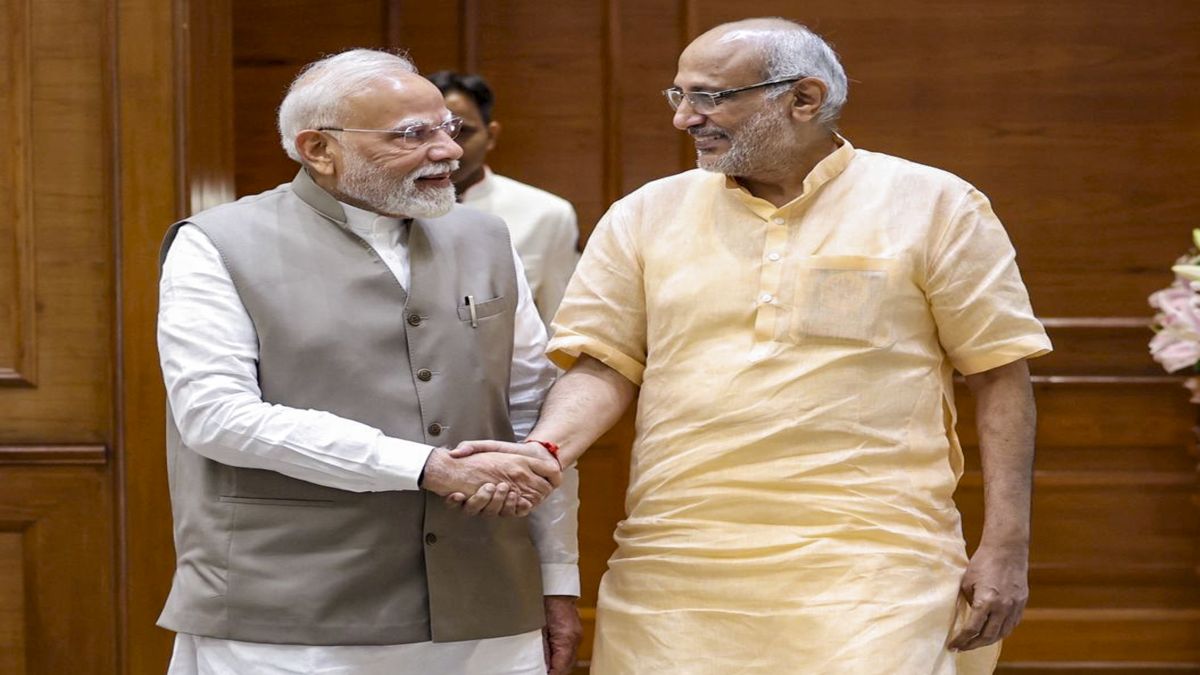 "Who is CP Radhakrishnan, India's next vice-president?")
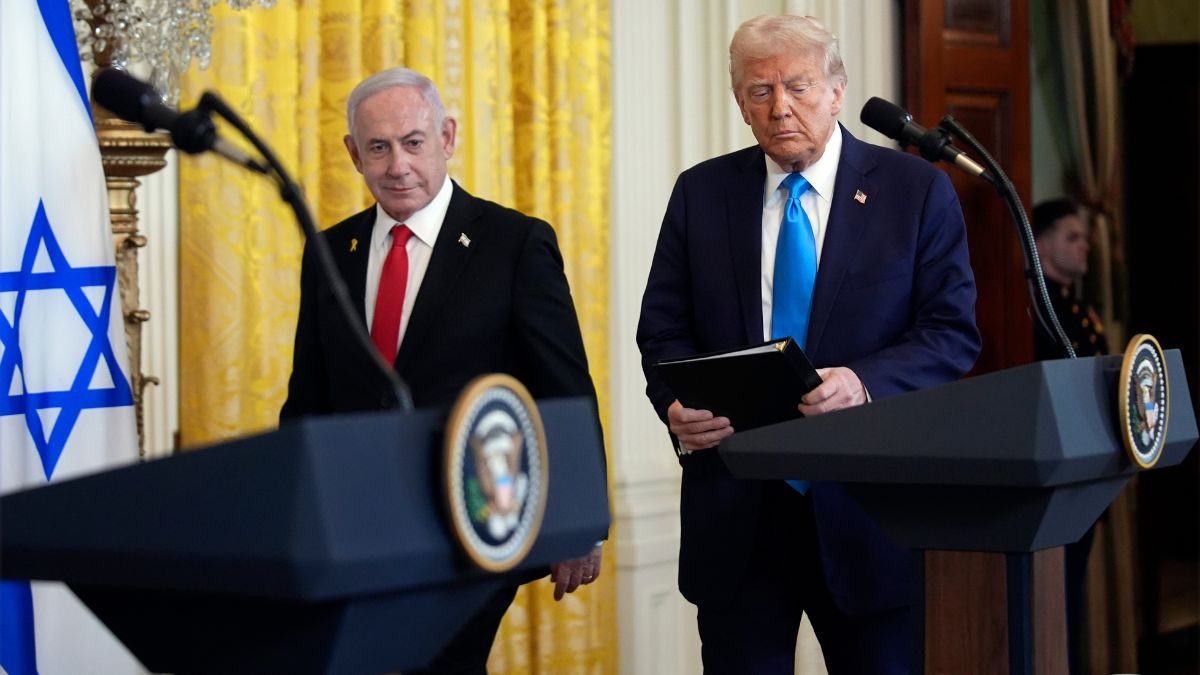 "Israel informed US ahead of strikes on Hamas leaders in Doha, says White House")



](https://images.firstpost.com/wp-content/uploads/2019/02/RTX3L4ZM-825.jpg)
](https://images.firstpost.com/wp-content/uploads/2019/02/01-825.jpg)