 "Durrushehvar, the resolute princess: How the Ottoman dynasty heir brought style, reform to Nizam's Hyderabad")
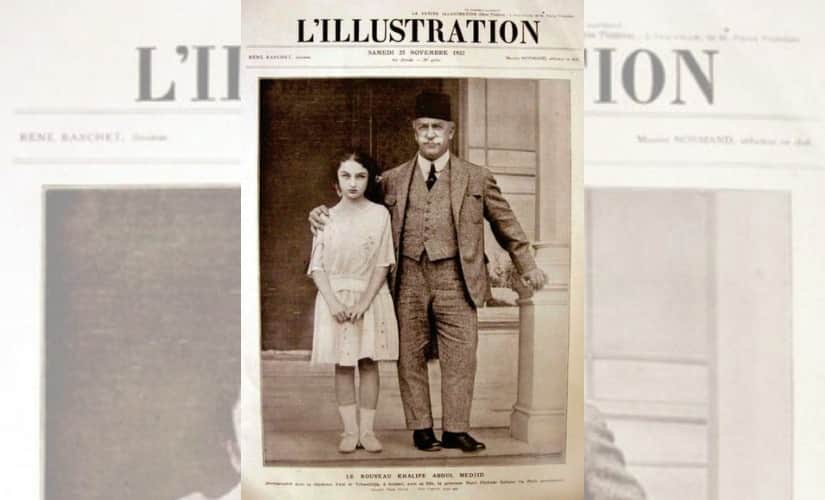
Begum Sahiba Hatice Hayriye Ayşe Dürrüşehvar Sultan, the daughter-in-law of the last Nizam of Hyderabad and the daughter of Abdulmejid II, the last Caliph of the Ottoman dynasty, was subject to immense attention and adulation in the 1930s. “_Jab woh paan khaati thi, toh halak se jaata hua dikhta tha (_When she swallowed a paan, you could see it going down her throat!) reminisces a friend’s grandmother of the princess. She, and her cousin Princess Niloufer who married her husband’s younger brother, have remained role models for the Muslim aristocracy of the city. But on the eve of her 106th birth anniversary, one wonders why modern Hyderabad has failed to recognise this trailblazer. The princess was ten years old when her family was banished from Turkey under the Attaturk reforms, following which they settled in Nice, France. Her marriage to Azam Jah, the heir to the Nizam of Hyderabad, was a surprise to many, as she was sought after by the Shah of Iran and King of Egypt as a bride for their respective heirs. It was also surprising because though the Nizam of Hyderabad was widely considered the richest man of the world, his lineage of two centuries was far different from the princess, who was the last heir of the revered Ottoman dynasty. [caption id=“attachment_7942391” align=“alignnone” width=“825”]
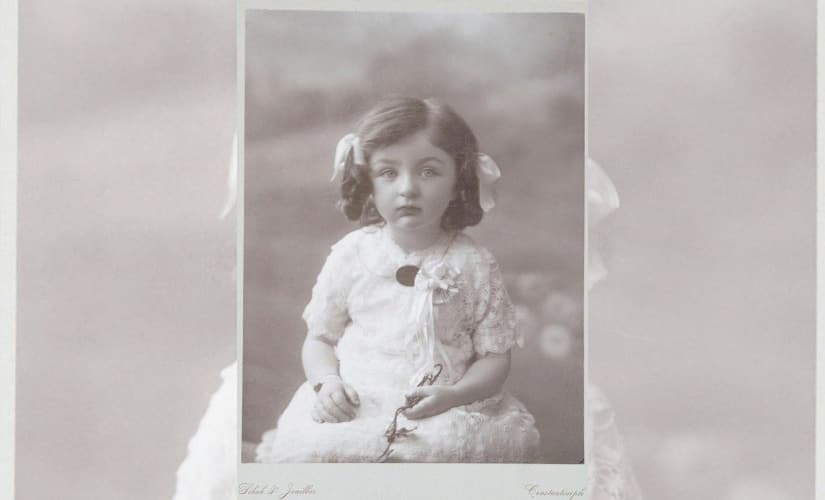 A photograph taken during the princess’ childhood, in about 1920[/caption] [caption id=“attachment_7942371” align=“alignnone” width=“825”]
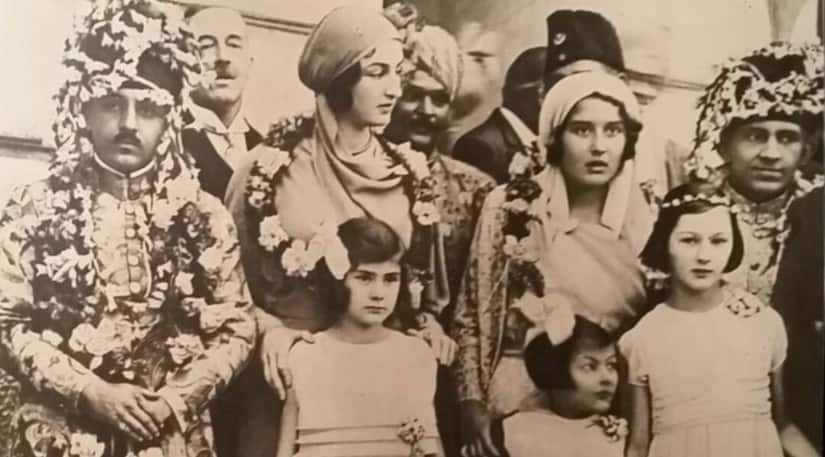
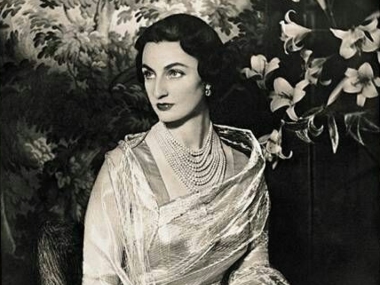
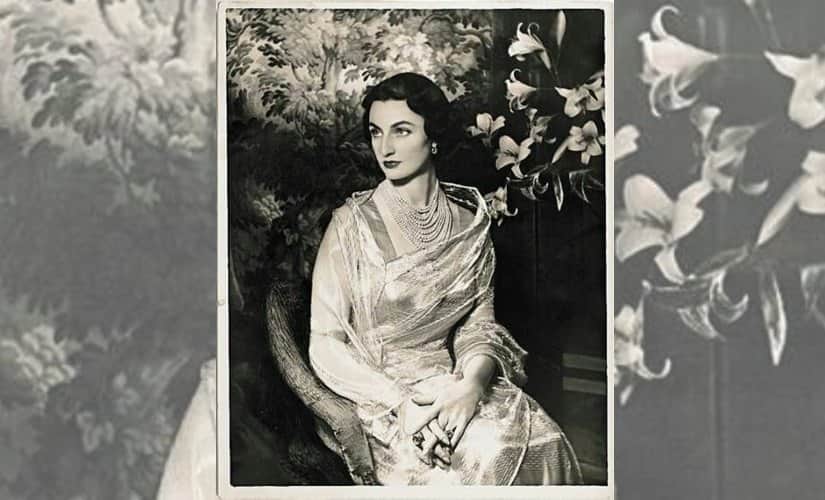 Photograph shot possibly by the legendary photographer Jack Birns of Life Magazine in September-October 1948[/caption] This marriage was the brain child of Shaukat Ali, the founder of the Khilafat movement, who convinced Osman Ali Khan, the seventh Nizam of Hyderabad, that it would bring together the two great houses of Islam. It would also ensure that the Nizam became a predominant Muslim leader not only in India, but also in the Islamic world. Her marriage in Nice (along with that of her cousin Niloufer’s) was a simple affair, with only a few Turkish and Hyderabadi nobility present. It was presided over by the Khalifa himself. She arrived in Hyderabad to much curiosity. Historian Mohammed Safiullah calls her marriage “mismatched” in every sense. He shares, “She was 5’10", her husband was 5 ‘3". She brought with her a completely cosmopolitan life, while most of Hyderabad was still under purdah. She was of impeccable lineage but her family had very little money, and it was a typical rags-to-riches story. She knew of her husband’s 50 concubines but carried herself regally.” [caption id=“attachment_7942411” align=“alignnone” width=“825”]
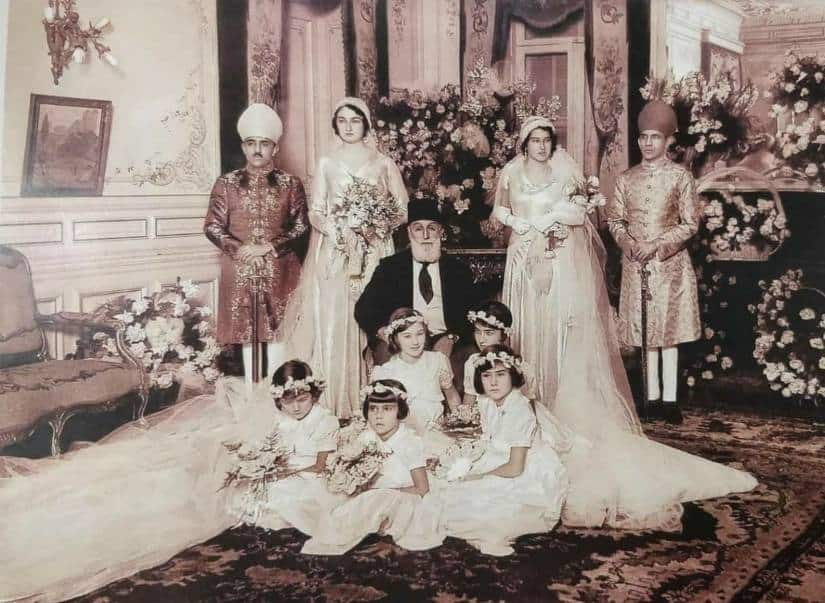 The marriage in Nice, presided over by the Khalifa[/caption] There was a great gulf between the princess and the prince, owing to her fiercely independent nature and his propensity for philandering and gambling, leading to their marriage falling apart. Historical accounts of the time place her favourably, as the writer Philip Mason described her: “She was always, essentially and indefinably, royal, and it seems to me that if fate had so willed she might have been one of the great queens of the world.”
Sir Walter Mockton said she “was in many ways the most remarkable person in Hyderabad, a woman tranquil yet resolute, whose personality dominated any room she entered.”
Author John Zubrzycki, whose seminal work The Last Nizam charts the life and times of Durrushehvar’s son Mukarram Jah, remarks that it was very difficult for her to adjust to the very conservative Muslim culture that permeated Hyderabad at the time. He says, “But she never went into purdah. There were also rumors at the time that the Nizam’s senior wife Dulhan Pasha wanted to poison her. Relations between Azam (her husband) and his brother Moazzam were also strained. She always thought Hyderabad could never equal the Ottoman culture, and many Hyderabadis thought she looked down on them.” Her relationship with the Nizam was one of respect. While the Nizam called her ‘amma’ and a ‘nagina’ (jewel), he also gave into her wishes over matters concerning her son’s education. “She was impervious, a true princess, very regal and very smart, not someone to suffer fools lightly. She was fluent in French, English, Turkish and Urdu. She fought and won every battle with the India Office over the education of Mukarram," says Zubrzycki. [caption id=“attachment_7942381” align=“alignnone” width=“825”]
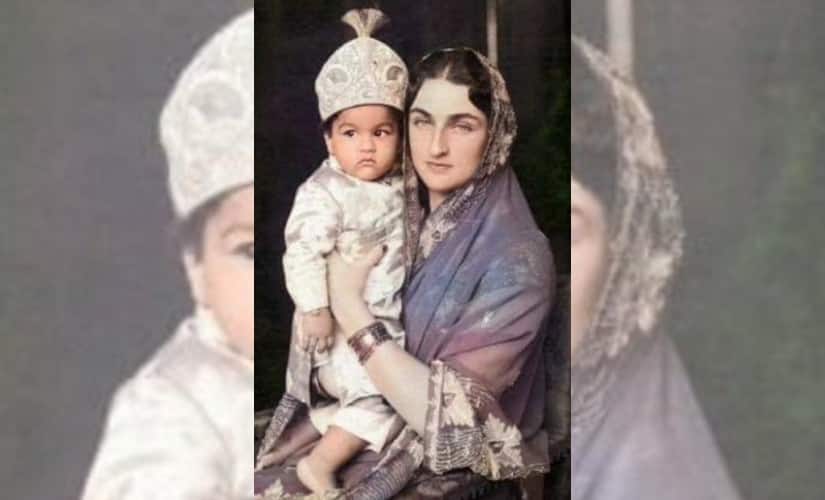 Nawab Mir Barkat Ali Khan Mukarram Jah Bahadur, the eldest son of the Princess Durrushehvar, born on 6 October 1933. This photograph was taken in 1934, on the Prince’s first birthday.[/caption]
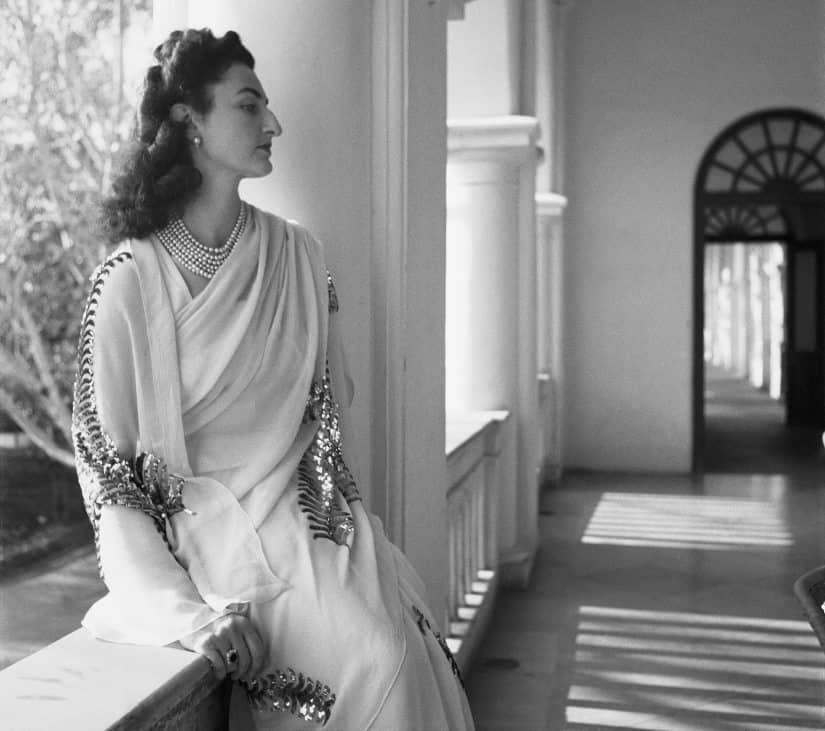 Photographed by Cecil Beaton[/caption]