 "Work smarter, not harder: 10 ways to avoid burnout in 2026")
The modern to-do list has a way of existing everywhere at once, in your notes app, your inbox, your head. It’s never quite finished, only rearranged.
Work doesn’t end so much as it lingers, bleeding into evenings, weekends, even moments that are meant to feel like breaks. The issue, then, isn’t how to get everything done —but how to work in a way that doesn’t leave you constantly catching up.
Eat like it matters
It’s easy to underestimate how much energy dips are tied to what (and whether) you’ve eaten. Skipping breakfast or relying on quick fixes usually shows up later as low focus or irritability. A slower, more balanced start, something simple but sustaining, tends to carry you further through the day than coffee alone. It’s not about optimisation so much as avoiding the mid-morning crash.
Don’t start your day with your inbox
The quickest way to lose control of your day is to begin it by reacting. Emails tend to be other people’s priorities, arriving before you’ve had the chance to set your own. Starting with a focused task, even briefly, creates a sense of direction before the noise sets in.
Treat your attention as a limited resource
Work is no longer defined by hours alone, but by how often you’re interrupted within them. Constant switching between tabs, messages and tasks makes it harder to think clearly, even if you’re technically “working” the entire time. Protecting stretches of uninterrupted focus has become one of the more useful forms of productivity.
Do the work that requires thinking before the work that requires responding
It’s easier to reply than to create, which is why the former often takes over the day. But tasks that require actual thinking —writing, problem-solving, planning— are also the ones most likely to be postponed. Prioritising them earlier, before attention fragments, tends to make them more manageable.
Schedule breathing space
Back-to-back meetings have a way of making the entire day feel compressed, even when the work itself isn’t particularly demanding. Leaving a gap of even 10 minutes between calls or tasks creates room to reset, think, or simply not be “on” for a moment. Those small pockets of downtime are often where planning actually happens, rather than in the meeting itself.
Work with your strengths, not against them
Productivity isn’t just about discipline; it’s also about sequencing. Some tasks are naturally easier to focus on, others feel disproportionately draining. Understanding what you find engaging or energising can make a difference to how the rest of your day unfolds. Starting with work that holds your attention tends to build momentum and makes the less appealing tasks easier to get through.
Reduce the number of decisions you make in a day
A surprising amount of fatigue comes from small, constant choices: what to work on next, when to reply, whether to switch tasks. Structuring parts of your day in advance, or setting simple rules, can reduce that mental load and make it easier to stay focused.
Question what actually needs your involvement
Not every task requires your time, but many default to it anyway. Delegating earlier, or simply stepping back from tasks that don’t need your input, creates space for work that does. Burnout often builds not from one great demand, but from too many small ones accumulating.
Rethink what “being productive” looks like
A full calendar and a busy inbox can create the impression of progress without necessarily leading to it. Much of modern work is reactive by design. Focusing on fewer, more meaningful tasks and letting go of some of the rest often produces better results with less strain.
Create clearer boundaries around your time
When work is accessible at all hours, it tends to occupy them. Without defined limits, the workday stretches, often without becoming more productive. Setting boundaries around when you’re available, and when you’re not, is less about discipline and more about sustainability.
Accept that your capacity changes throughout the day
Energy isn’t constant, even if expectations are. Trying to maintain the same level of focus from morning to evening often leads to diminishing returns. Working with those fluctuations, doing demanding tasks when you’re most alert, and simpler ones later, tends to be more effective.
There’s always more to do. That part doesn’t really change.
What does change is how much of it you carry with you into your evenings, your weekends, your headspace. The goal isn’t to clear the list entirely, but to make sure it doesn’t follow you everywhere.

 "Iran Israel War Live Updates: Trump blasts Nato allies for doing ‘absolutely nothing’ to help US")
 "Bab el-Mandeb Strait: The ‘Gate of Tears’ that Iran is treatening to block after Hormuz")
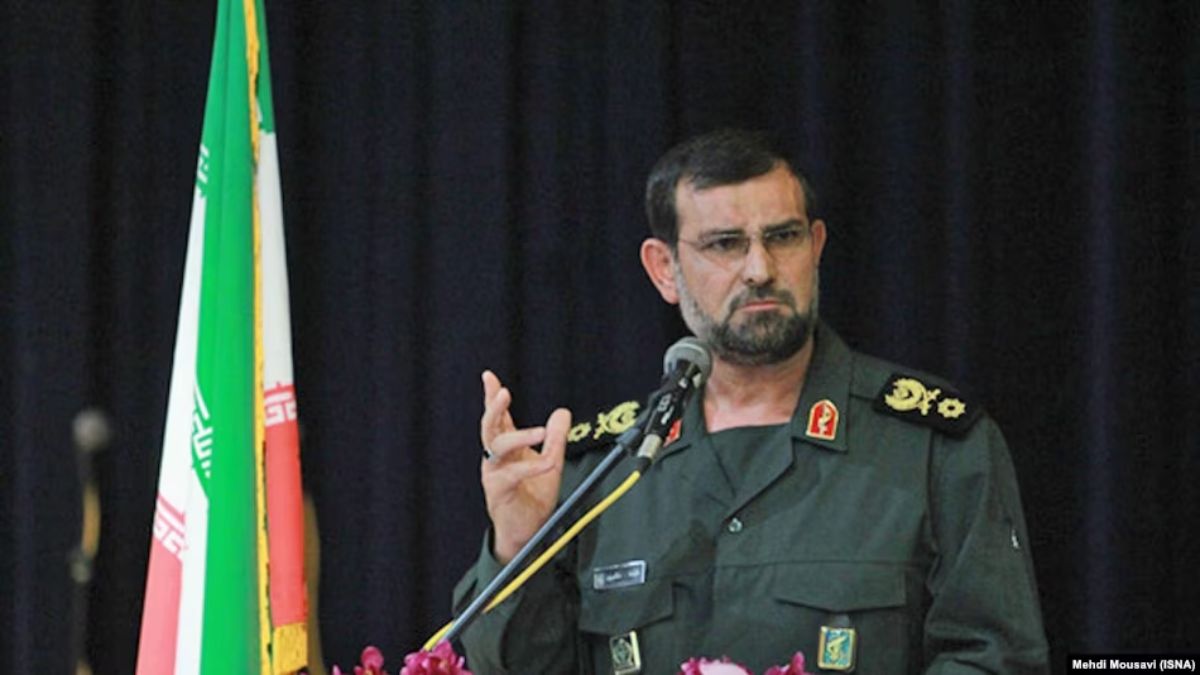 "Iranian IRGC commander overseeing Strait of Hormuz blockade killed: Report")
 "Israel takes Iran’s Foreign Minister Araghchi, Speaker Ghalibaf off hit list at Pakistan’s request: Report")
 "Iran Israel War Live Updates: Trump blasts Nato allies for doing ‘absolutely nothing’ to help US")
 "Bab el-Mandeb Strait: The ‘Gate of Tears’ that Iran is treatening to block after Hormuz")
 "Iranian IRGC commander overseeing Strait of Hormuz blockade killed: Report")
 "Israel takes Iran’s Foreign Minister Araghchi, Speaker Ghalibaf off hit list at Pakistan’s request: Report")