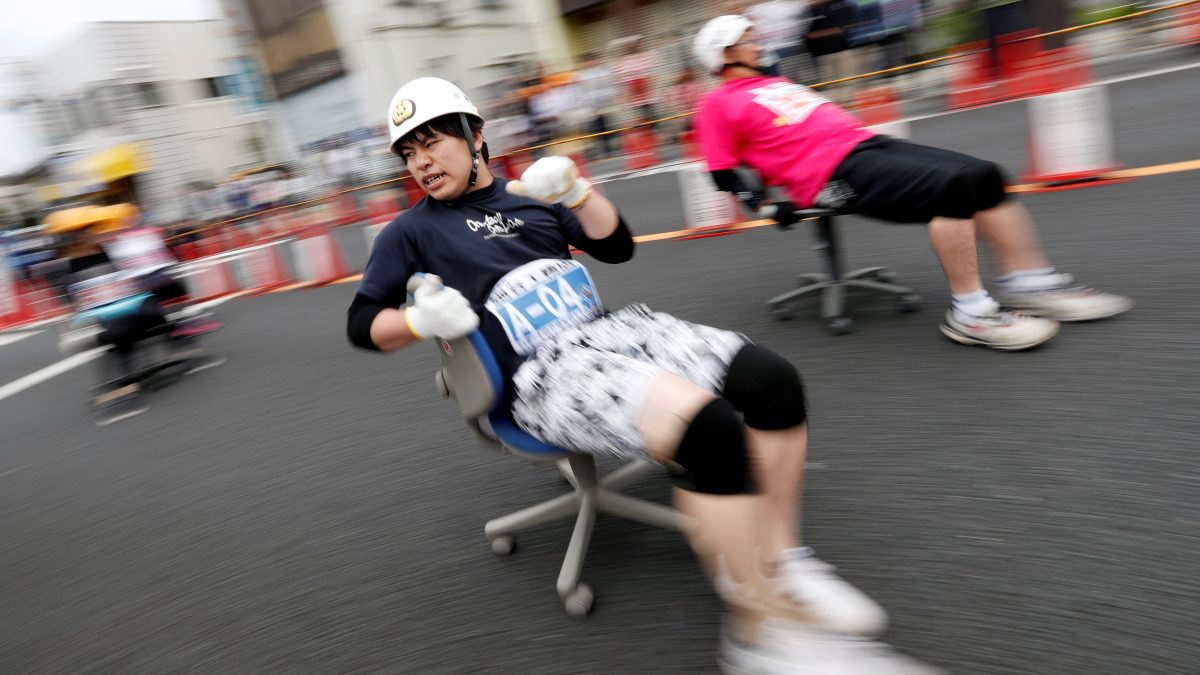
 "The most intense race in Japan right now involves… office chairs — inside Japan’s viral Grand Prix")
For something designed for sitting still, the office chair is having a surprisingly athletic moment. Across small towns and closed-off streets, competitors line up not in cars, but on wheeled office chairs, gliding and strategising their way through endurance races that feel closer to motorsport than a workplace joke.
What looks, at first glance, like a meme in motion is in fact a real event. The ISU-1 Grand Prix — Japan’s official office chair race — has been around since 2009, quietly building a following long before the internet caught on.
A race built on everyday objects
At first glance, the format feels almost absurd. Teams of three compete on ordinary office chairs, racing around a closed street circuit in endurance-style events that can last up to two hours. But the structure is anything but casual. Inspired by professional motorsports like Formula One and Le Mans, teams rotate drivers, strategise for stamina, and aim to complete the highest number of laps on a fixed course.
The race, which began in Kyoto in 2009, was conceived by organiser Tsuyoshi Tahara, who wanted to create something entirely new: a sport built from the ordinary.
Why it’s suddenly everywhere
While the event has existed for over a decade, it is only now finding a global audience. Recent features by outlets like CNN have reframed it as a “Formula One-style” competition, highlighting not just its novelty, but the seriousness with which participants approach it.
Images from races — showing competitors in helmets and gloves, pushing chairs at surprising speeds — have also contributed to its viral appeal. What might seem like office humour quickly reveals itself as physically demanding.
Quick Reads
View AllParticipants often propel themselves backwards using their legs, a technique that allows for greater speed and control. Over long races, the strain becomes evident, with fatigue playing as much a role as strategy.
More than just a gimmick
Despite its playful premise, the office chair race reflects a broader pattern in Japanese culture, where everyday objects are reimagined through discipline, structure and competition.
The event attracts dozens of teams across different cities, with some travelling long distances to compete. Winners are often rewarded not with cash but with local prizes, including, in one case, large quantities of rice, reinforcing its community-driven ethos.
The appeal of the absurd
Part of the fascination lies in contrast. The idea of turning office furniture into racing machines blurs the line between work and play, turning a symbol of sedentary routine into something lively and communal. At a time when work culture itself is under constant reinvention, there’s something oddly fitting about the transformation.
What was once a static object becomes a vehicle.
As global audiences discover the event, the office chair grand prix is no longer just a local curiosity. Sometimes competition only requires some wheels, balance and a willingness to take the ordinary seriously.

 "Iran War Live Updates: Trump threatens to hit Kharg Island, oil infrastructure if Hormuz remains shut")
 "Canada tightens asylum rules: What does it mean for Indians?")
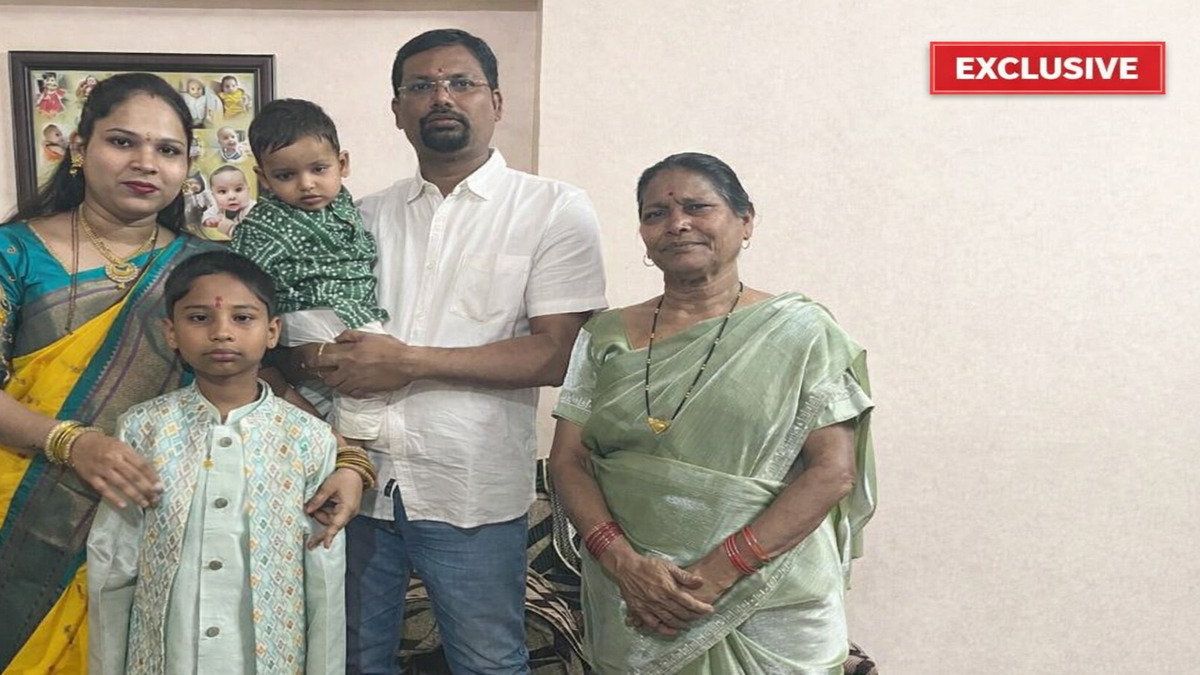 "Indian engineer stuck in Mali: Embassy confirms firm's bail pledge, family calls it empty words")
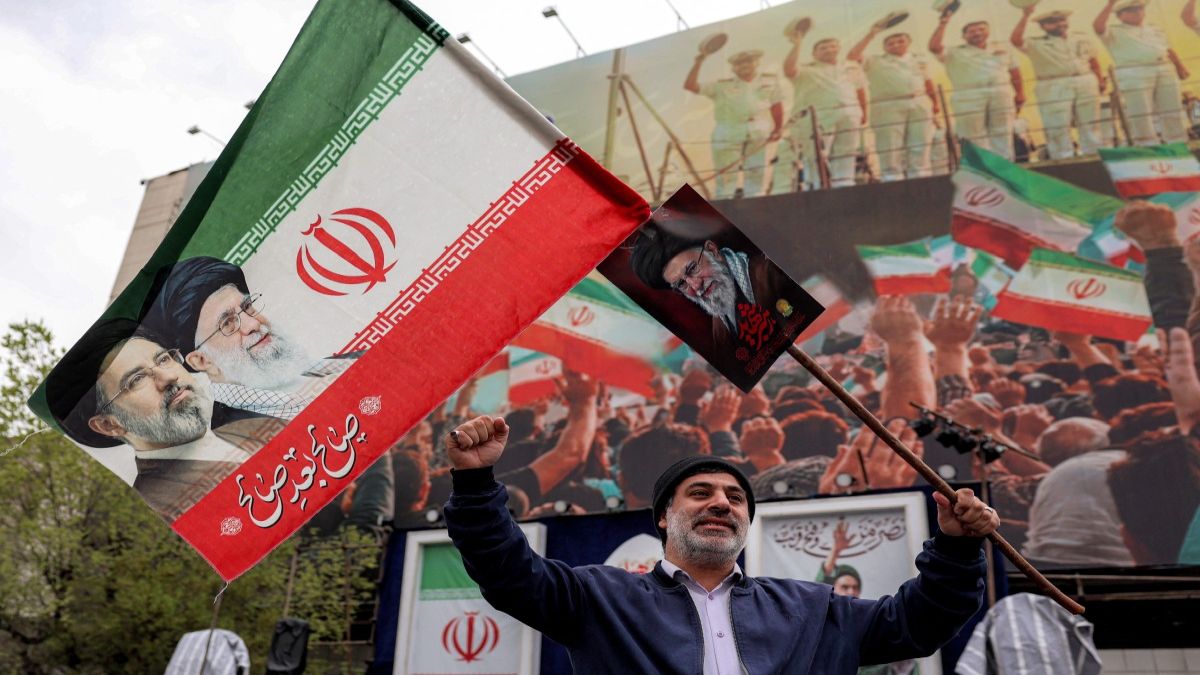 "‘India our friend, can enter mediation talks... Unsure about Pakistan’s role’: Iranian govt sources to CNN News18")
 "Iran War Live Updates: Trump threatens to hit Kharg Island, oil infrastructure if Hormuz remains shut")
 "Canada tightens asylum rules: What does it mean for Indians?")
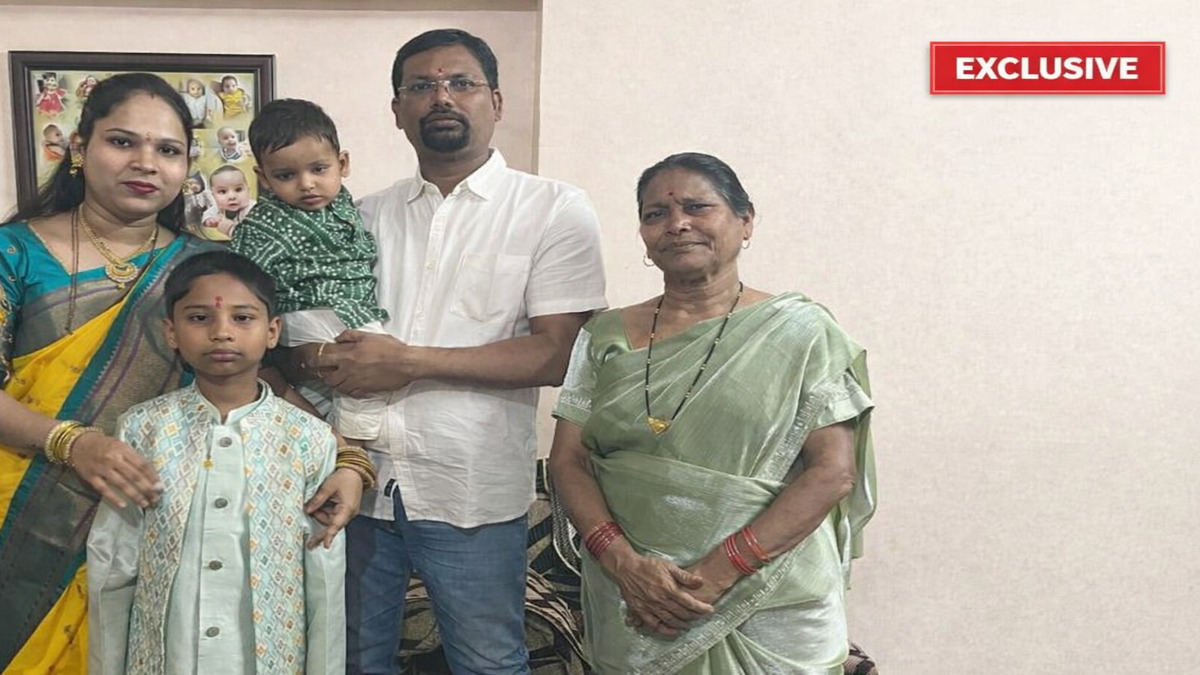 "Indian engineer stuck in Mali: Embassy confirms firm's bail pledge, family calls it empty words")
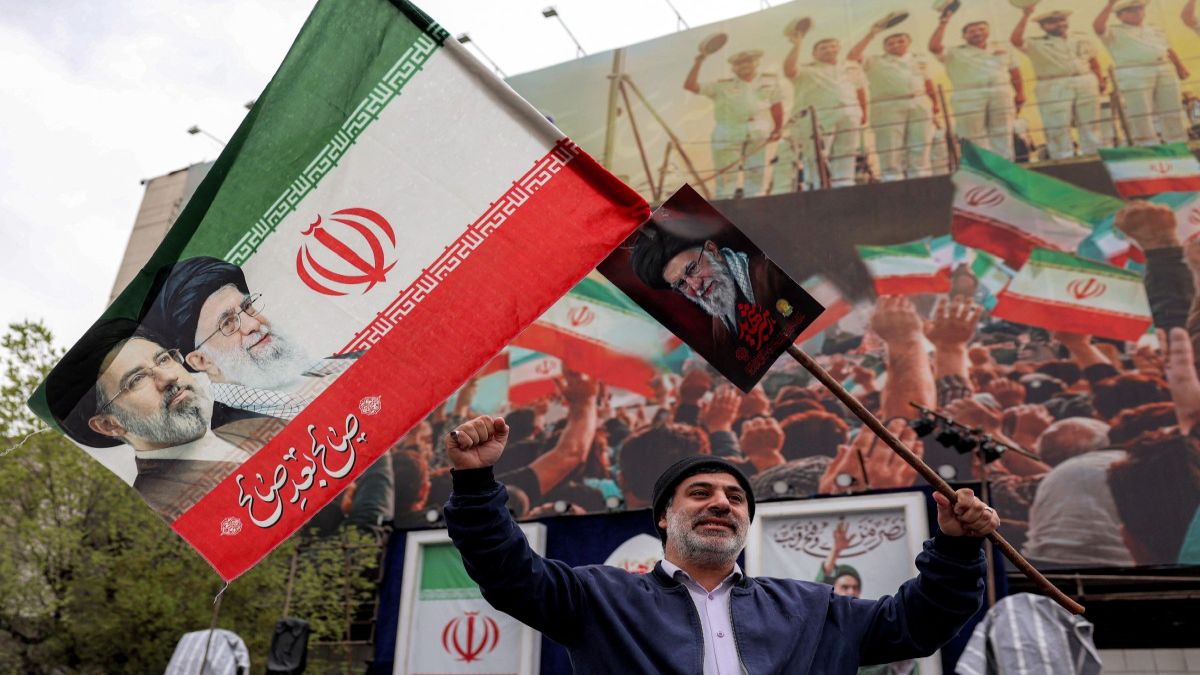 "‘India our friend, can enter mediation talks... Unsure about Pakistan’s role’: Iranian govt sources to CNN News18")