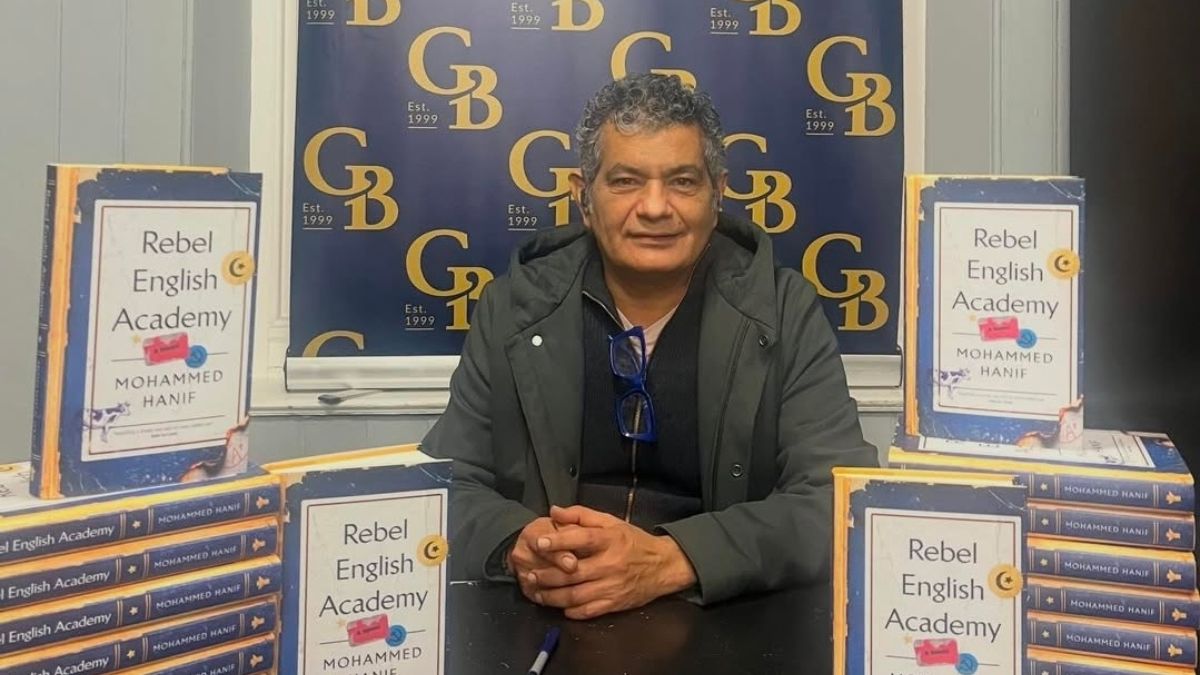
 "'Rebel English Academy' review: Mohammed Hanif's necessary jab from the margins of Pakistan")
Mohammed Hanif’s debut novel, A Case of Exploding Mangoes (2008), was a fictional build-up to the death of General Zia-ul-Haq in a 1988 plane crash.
His new novel, Rebel English Academy, explores the aftermath of another famous death in Pakistan: the hanging of Zulfikar Ali Bhutto in 1979.
What has remained the same in all of Hanif’s novels is the tone, for which one needs a sharper word than satire. It is sardonic and almost pitiless in the way that it pierces through the hypocrisies and humbug of those in power, as well as those who want to acquire it through religious, military, or social means.
This makes his observations universal, and not restricted to a corner of the subcontinent. Rebel English Academy is set in a provincial backwater of Pakistan referred to as OK Town.
Things are not quite OK here: the residents are galvanised by the news of Bhutto’s hanging and live under the shadow of swirling conspiracy theories and harsh martial law strictures.
The carefully planned novel revolves around the fates of three characters who are largely unknown to each other at the start. However, ambitions and desires converge to ensure that they leave a decisive mark on one another’s lives.
To begin with, there is Salim Ahmed Salim, also known as Sir Baghi, a former Marxist activist wrestling with his gay identity, who runs the titular academy. Here, he teaches English to the poor and marginalised, believing that “he was creating the rebels of tomorrow, rebels armed with a language that would pretend to serve power but in the end would smash it”.
Quick Reads
View AllSet against him is the amoral Captain Gul, whose actions set the plot in motion. Gul, also known as “the Piston” because of his libidinous activities, arrives in OK Town as a military intelligence officer determined to crush seditious rumours that Bhutto is still alive.
This posting, the ambitious captain hopes, will be the start of a glittering career. One day, “his name will be whispered in Westminster and Langley, in the ruined palaces of Afghanistan and solitary cells in high-security Indian prisons, and he hopes it will be whispered with fear and awe”.
Finally, there is the young Sabiha Bano, former champion runner and daughter of an imprisoned trade union leader and Bhutto loyalist. She is brought to the academy as a place of refuge after her husband, a snake oil salesman, is burnt to death in suspicious circumstances. Sir Baghi’s attempts to protect Sabiha, and Captain Gul’s obsession with her, form the motor of the novel.
These characters are surrounded by a cast that deepens the theme of complicity and occasionally adds comic relief, sometimes paradoxically to chilling effect.
They include a self-serving moulvi referred to as “Molly” who is “a rising star of the spiritual marketplace”; an advocate-cum-palm reader who is well-versed in the ways of the town; and a local photographer dreaming of how best to capture his act of self-immolation.
Bringing up the rear, so to speak, are morally flexible police officers ready to carry out Captain Gul’s orders if it might further their advancement.
Many sections of Rebel English Academy delve into the characters’ pasts, plotting the paths to their current predicaments. The revelation of information is ingenious: the narrative utilises everything from Sabiha’s florid diary entries to a cheeky early nod to the maxim of Chekhov’s gun. These devices keep the plot humming steadily toward a well-earned denouement.
At a time when adoration of autocracy in all its forms is encouraged and dissent is frowned upon, Hanif’s work serves as a necessary jab. His is a point of view that punctures hypocritical pomposity and, underneath the sarcasm, reminds us of a common humanity worth preserving.


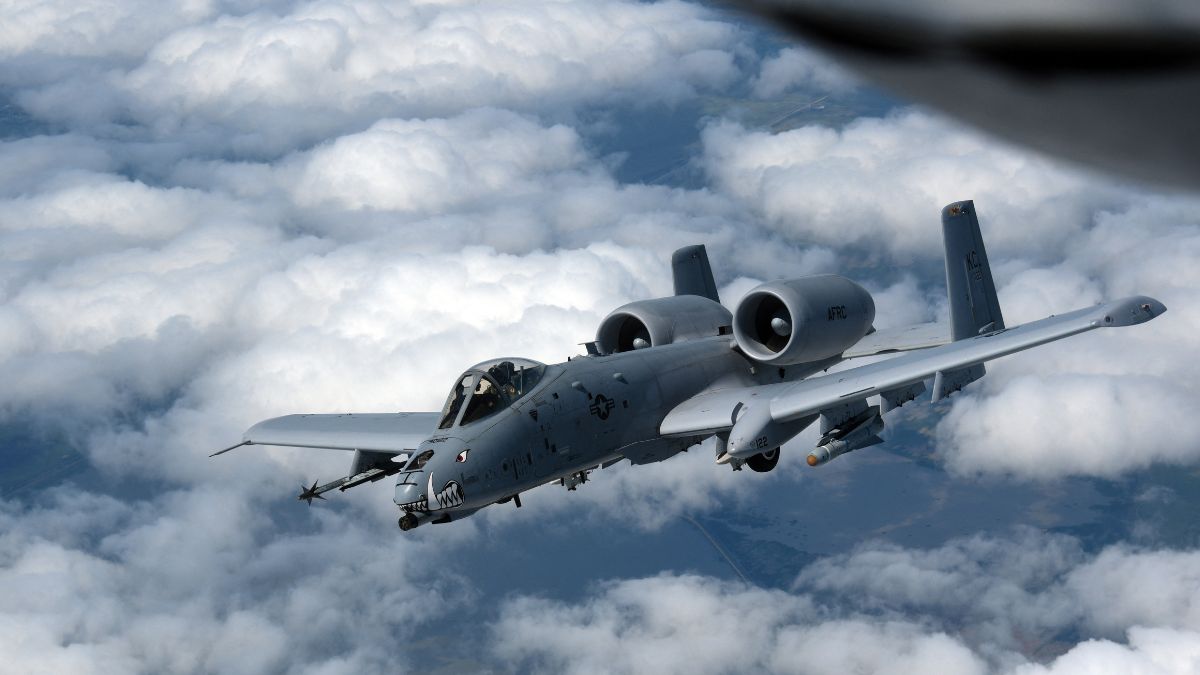 "Iran Israel War Live News: US, Iranian forces race to recover missing pilot from downed jet as Israel bombards Beirut")
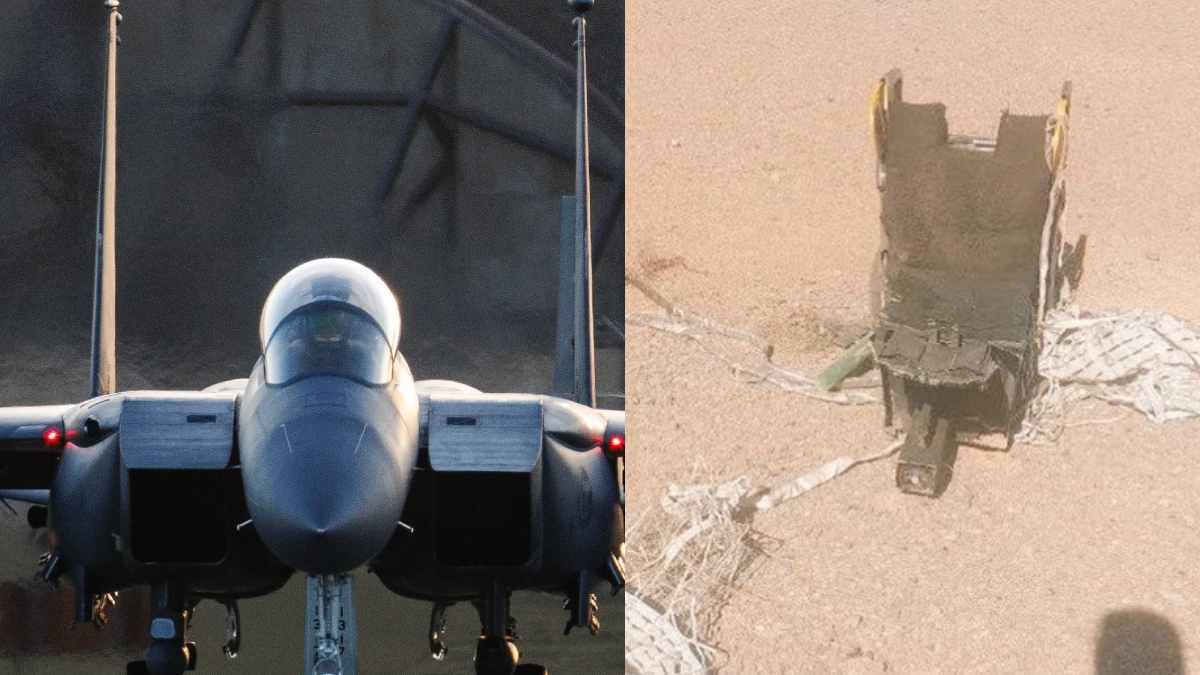 "One of two US crew members rescued after F-15E jet shot down over Iran, race to hunt second ongoing")
 "Seventh India-flagged LPG tanker crosses Strait of Hormuz")
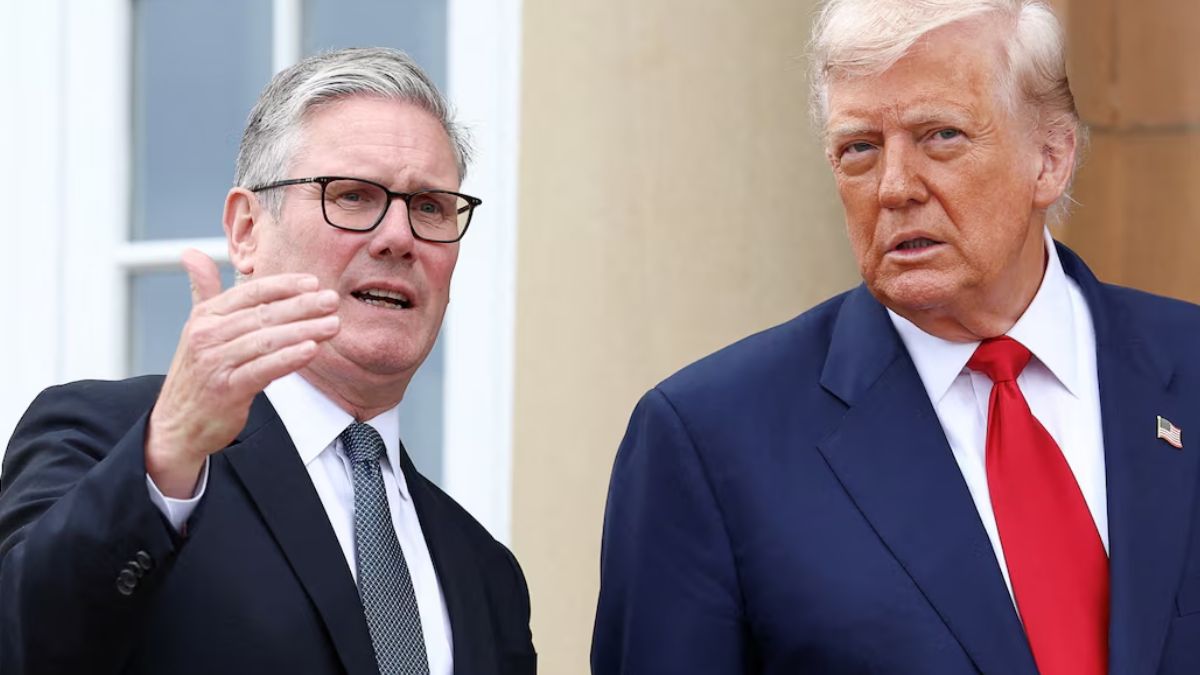 "UK-US ties may be beyond repair, PM Starmer told as Trump mocks him over lack of support in Iran War")
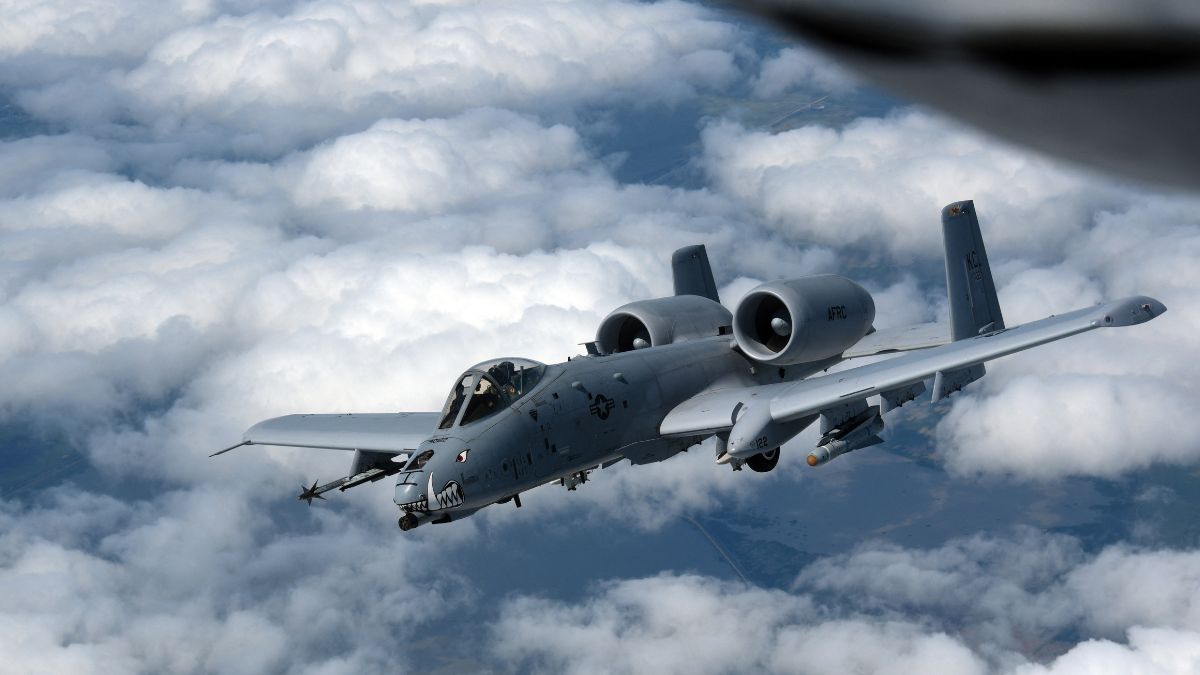 "Iran Israel War Live News: US, Iranian forces race to recover missing pilot from downed jet as Israel bombards Beirut")
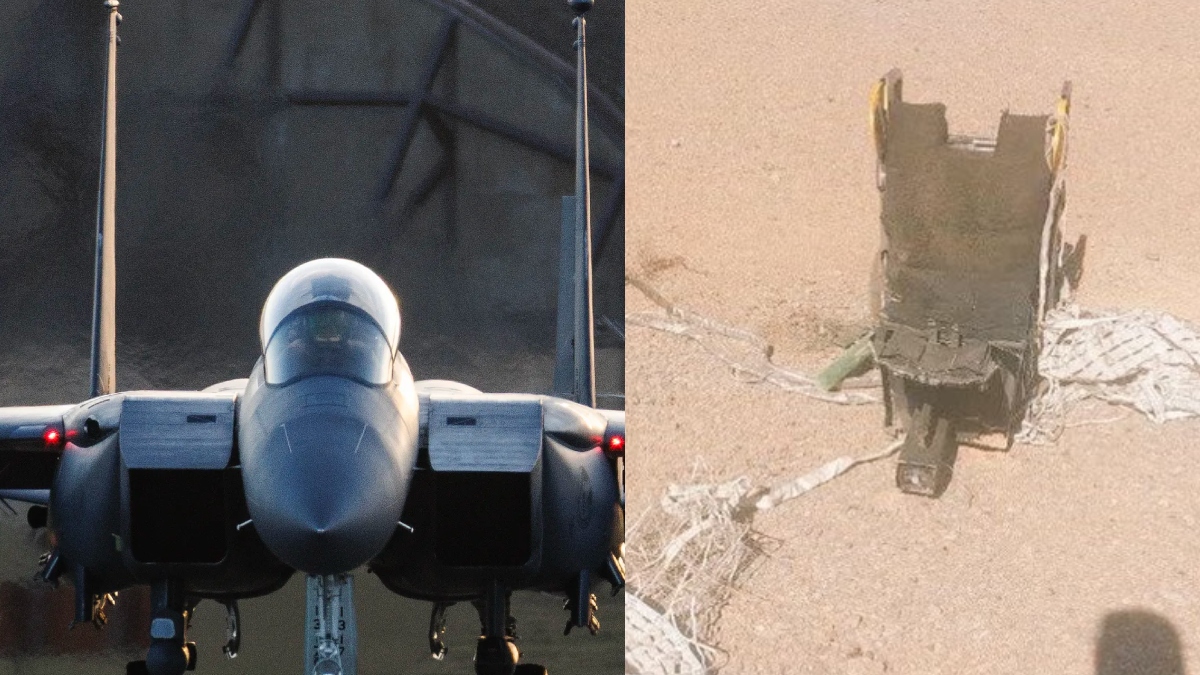 "One of two US crew members rescued after F-15E jet shot down over Iran, race to hunt second ongoing")
 "Seventh India-flagged LPG tanker crosses Strait of Hormuz")
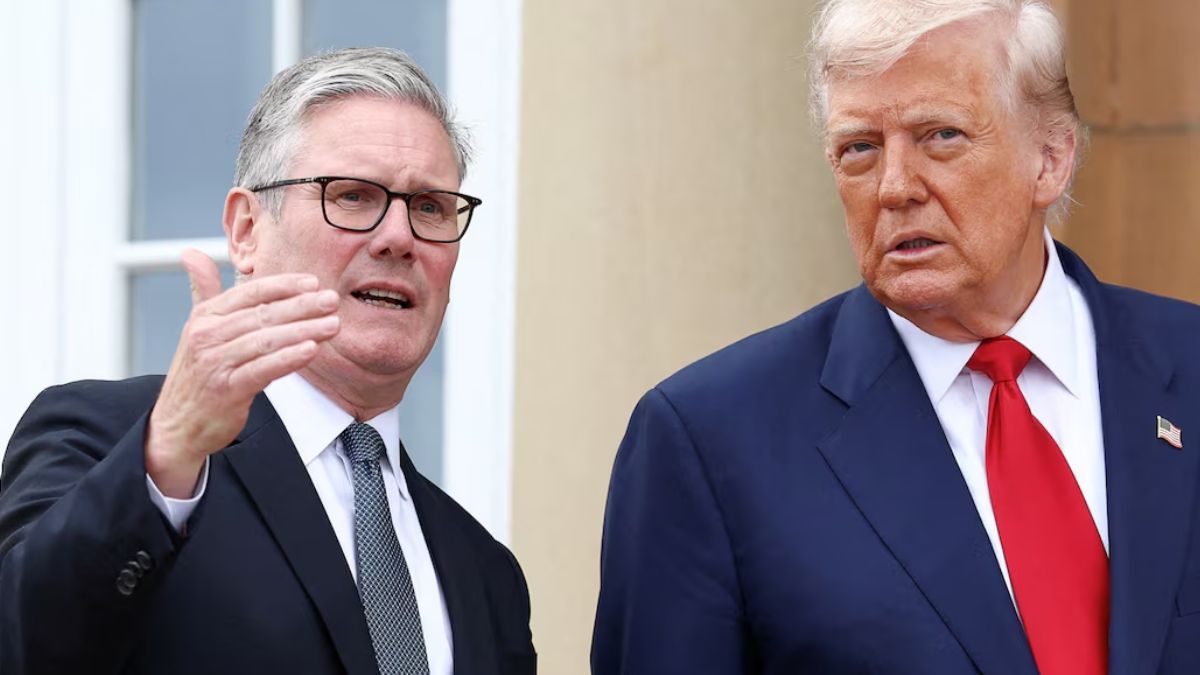 "UK-US ties may be beyond repair, PM Starmer told as Trump mocks him over lack of support in Iran War")