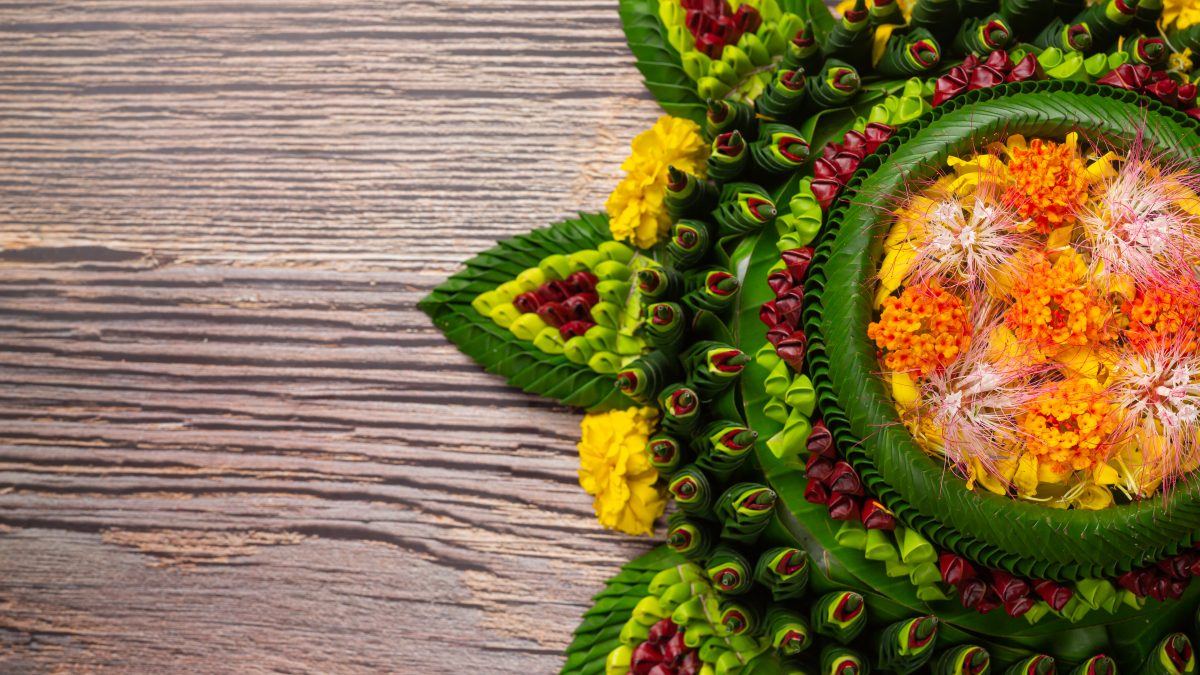
 "What Pongal 2026 is about and the dos and don’ts to know")
Every January, Pongal arrives with the promise of a fresh harvest and a symbolic reset. Rooted in Tamil agrarian life, the festival has travelled far beyond the fields it originated in, finding space in urban homes and diasporic communities across the world.
In 2026, Pongal will be celebrated in mid-January, unfolding over four days. While the rituals vary across regions and households, certain practices remain central. For those marking the festival for the first time or revisiting it with fresh intent, here is a clear guide to the dos and don’ts of Pongal 2026.
What Pongal marks
Pongal coincides with the Tamil month of Thai and the sun’s northward movement. The festival takes its name from the act of boiling rice, milk and jaggery until it overflows, a gesture meant to signal abundance after months of agricultural labour.
Unlike many Hindu festivals shaped by mythology, Pongal is firmly grounded in seasonal cycles. Its focus is not on deities alone, but on land, labour and livestock.
The four days of Pongal
Bhogi Pongal opens the festival. Homes are cleaned and old possessions discarded, a ritualised clearing that signals the end of the previous year.
Thai Pongal, the main day, is when the Pongal dish is cooked, traditionally at sunrise, and offered to the sun.
Mattu Pongal centres cattle, acknowledging their role in farming economies that continue to underpin rural Tamil Nadu.
Kaanum Pongal is less ritualistic and more social, often spent visiting relatives or stepping out with family.
Dos to follow
Clean the house with intent
This is not symbolic minimalism. Cleaning before Pongal has practical roots in preparing the household for a new agricultural cycle.
Cook Pongal, even in its simplest form
The act of cooking matters more than debates over authenticity. A basic sweet or savoury Pongal is enough to mark the day.
Dress appropriately for the occasion
Fresh or new clothes are customary, especially on Thai Pongal, reflecting the idea of renewal.
Observe before participating
If you are a guest or celebrating outside Tamil Nadu, pay attention to local customs rather than imposing textbook versions of rituals.
Acknowledge the labour behind food
Pongal is one of the few Indian festivals that foregrounds farming and animal labour. Taking a moment to recognise this is central to its meaning.
Don’ts to keep in mind
Do not flatten Pongal into a food trend
The festival is increasingly reduced to aesthetic cooking videos and recipe content. Food is central, but it is not the full story.
Do not waste food
Harvest festivals place a strong emphasis on consumption without excess. Waste is viewed as a disregard for labour and resources.
Do not assume uniformity
Practices differ across districts and families. There is no single authoritative script for celebrating Pongal.
A festival shaped by land and labour
Pongal has endured not because it is spectacular, but because it remains relevant. In an age increasingly detached from agricultural rhythms, the festival serves as a reminder of where food comes from and who sustains those systems. As Pongal approaches, understanding its dos and don’ts offers a way to engage with the festival beyond surface-level celebration.


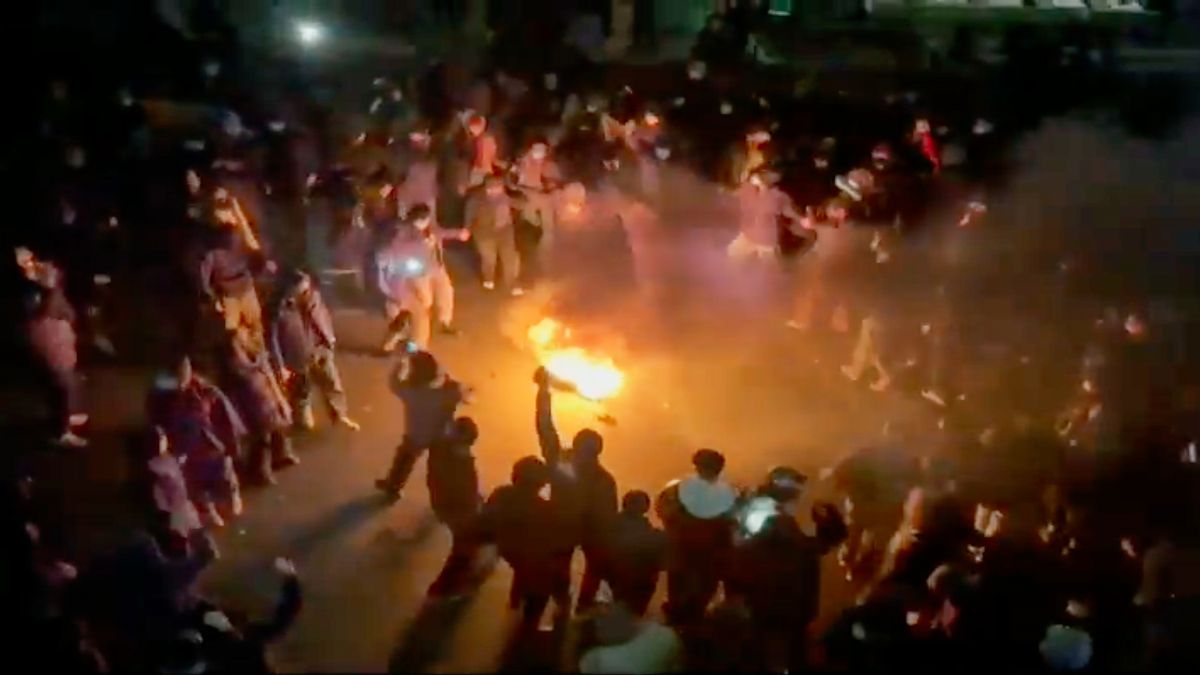 "Around 2,000 people killed in Iran protests, says official")
 "Russia vs Venezuela: Which oil is a better bet for India?")
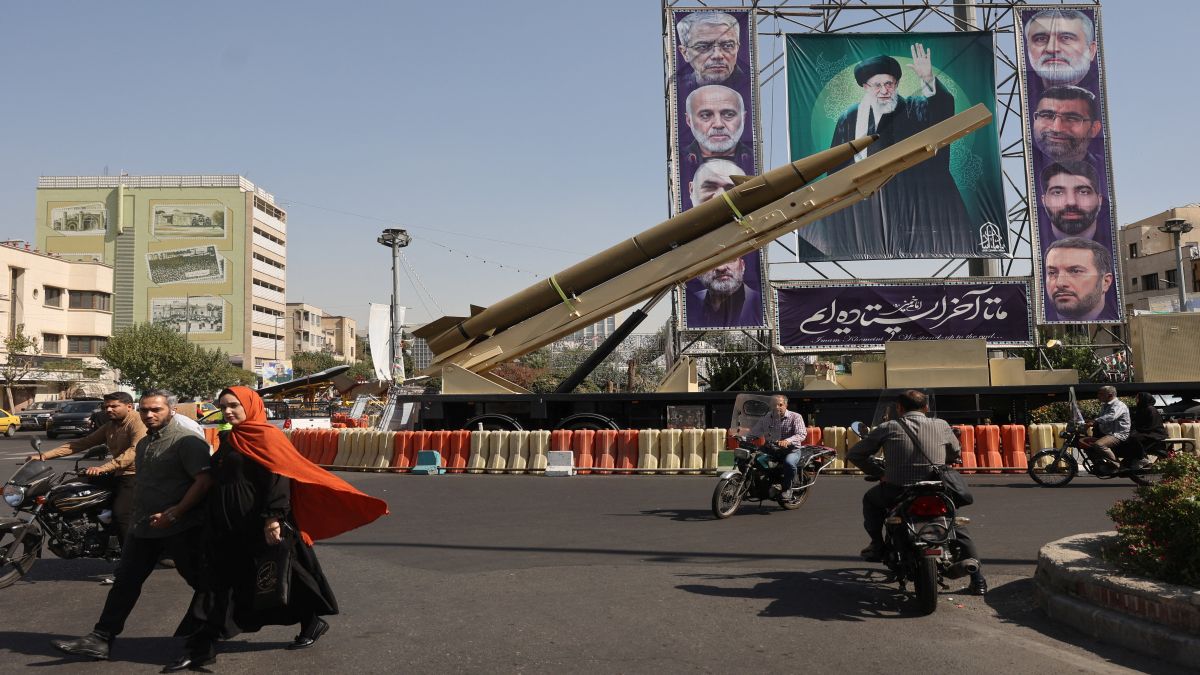 "How powerful is Iran’s military? Can it take on the US if it attacks?")
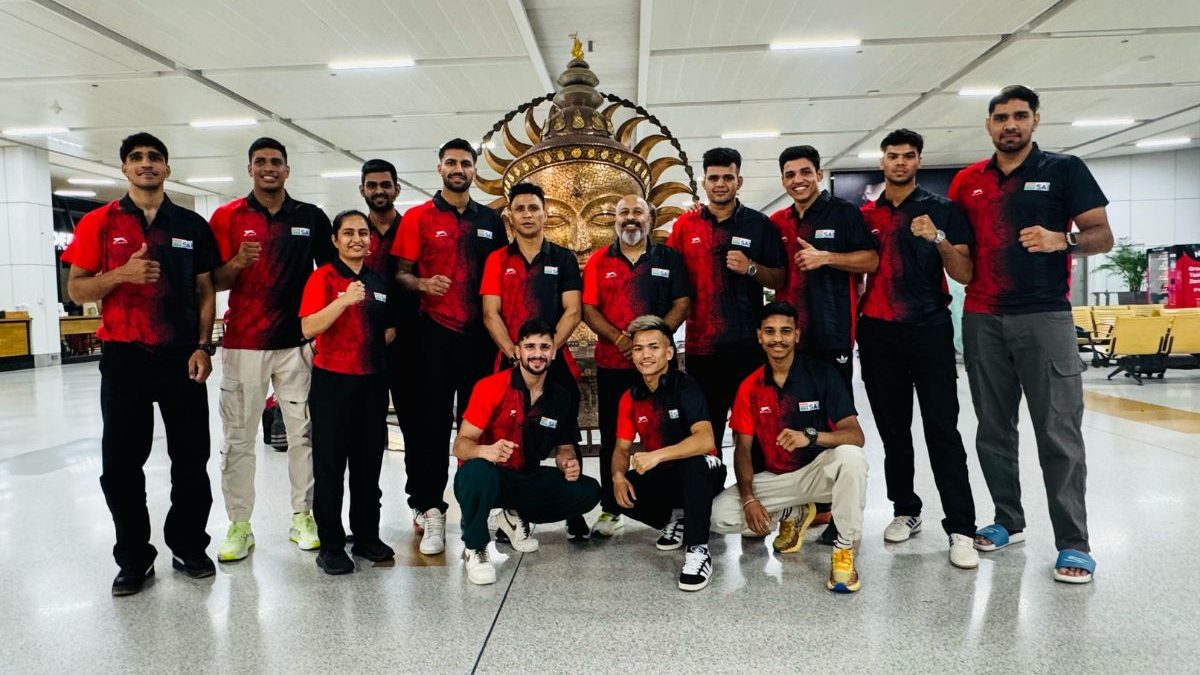 "Is India’s boxing system ready for LA 2028? Why the national camp model is broken")
 "Around 2,000 people killed in Iran protests, says official")
 "Russia vs Venezuela: Which oil is a better bet for India?")
 "How powerful is Iran’s military? Can it take on the US if it attacks?")
 "Is India’s boxing system ready for LA 2028? Why the national camp model is broken")