

 "New Year’s around the world: Traditions that mark fresh beginnings")
Across cultures, the arrival of New Year is marked not just by fireworks and countdowns but by rituals rooted in history, belief, and collective hope. From food and faith to remembrance and luck, these traditions reveal how different societies welcome fresh beginnings.
12 Grapes and good fortune
In Spain, the New Year arrives with the eating of twelve grapes at midnight. Each grape is eaten in rhythm with the clock’s chimes and is believed to represent good fortune for each month of the coming year.
The tradition is widely followed across the country, especially in public squares and has become a festive blend of superstition and celebration.
Banging bread
In Ireland, one lesser-known custom involves banging loaves of bread against doors and walls on New Year’s eve. The practice is believed to ward off bad spirits and invite prosperity into the home. Though less common today, it survives in pockets of rural Ireland as a symbolic gesture of protection and renewal.
Lentils and Abundance
Italy welcomes the New Year with lentils, often served alongside pork dishes. Lentils resemble coins and are associated with wealth and abundance. The tradition is particularly strong in central and southern regions, where food plays a central role in marking life’s transitions.
Polka dots
In Philippines, New Year celebrations are defined by symbols of prosperity, especially anything round. People wear polka-dotted clothing, fill homes with round fruits and decorate tables with circular shapes. Its all to attract wealth and good luck in the year ahead.
Joya No Kane
In Japan, New Year’s eve is marked by the ringing of temple bells known as ‘Joya no kane.’ Bells are struck 108 times, a number linked to Buddhist teachings about human desires. The ritual symbolises purification and the release of traits before the New Year begins.
Burnt paper
In Russia, the day carries traces of both Soviet-era secularism and older folk beliefs. One popular ritual involves writing a wish on paper, burning it and mixing the ashes into a glass of champagne, which is then consumed before midnight. The act reflects a deeply personal hope for transformation.
Cemetery visits
Chile welcomes the New Year with remembrance rather than spectacle in some towns. Families visit cemeteries at night to spend time with deceased loved ones, often accompanies by music and candlelight.
The tradition reflects a belief that the New Year should begin the presence of both the living and the dead.
These customs show how the New year is less about a single moment and more about continuity, belief and collective memory.

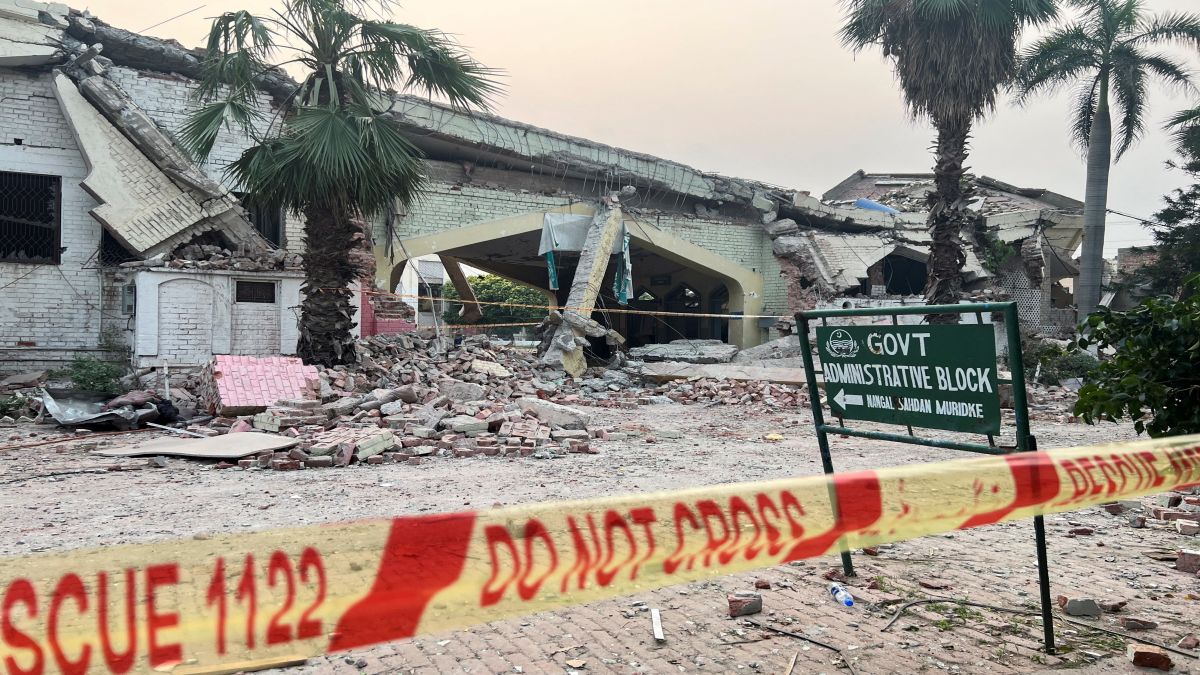 "Will 2026 see another India-Pakistan conflict?")
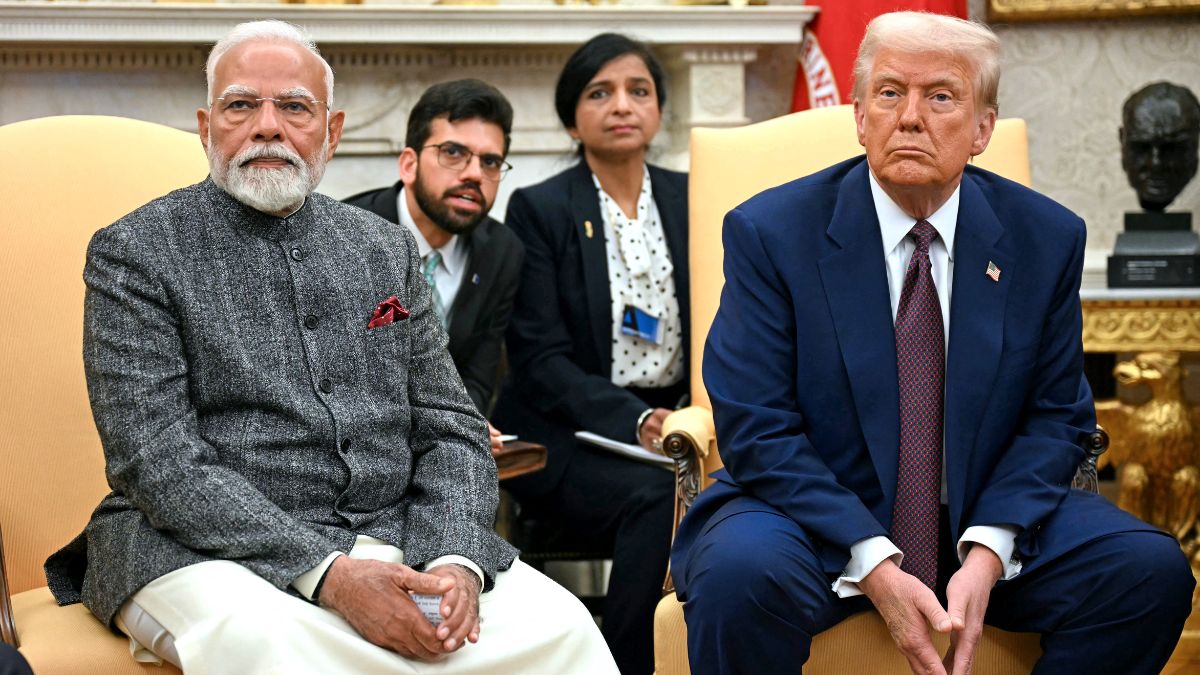 "India-US relations in Trump 2.0 — continuity, friction points, opportunities")
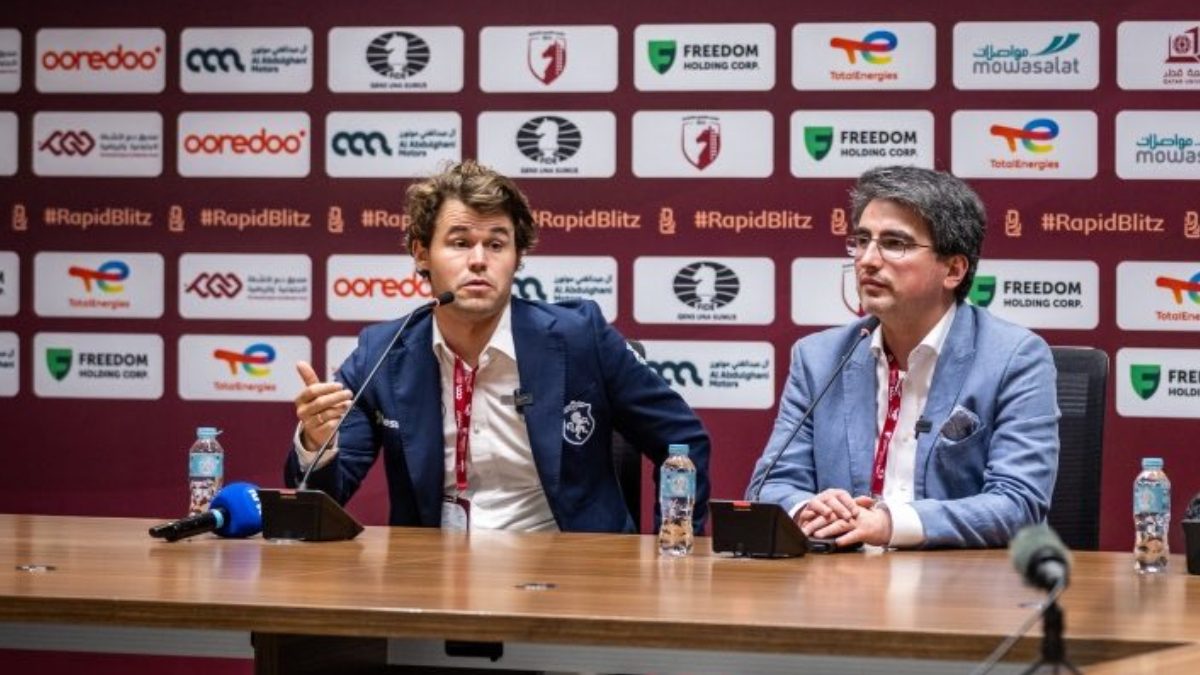 "Magnus Carlsen underlines his chess prowess after World Blitz Championship win, sends message to critics: ‘Ruling me out...'")
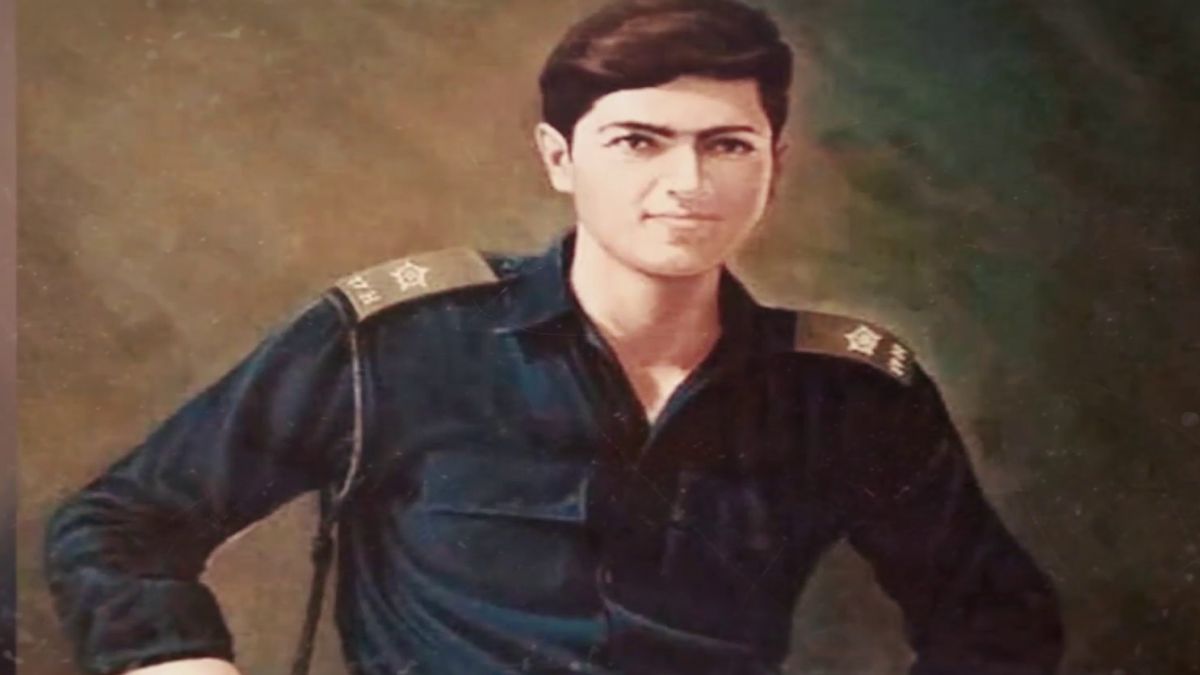 "Meet Arun Khetarpal, the hero of the 1971 Battle of Basantar and inspiration for movie ‘Ikkis’")
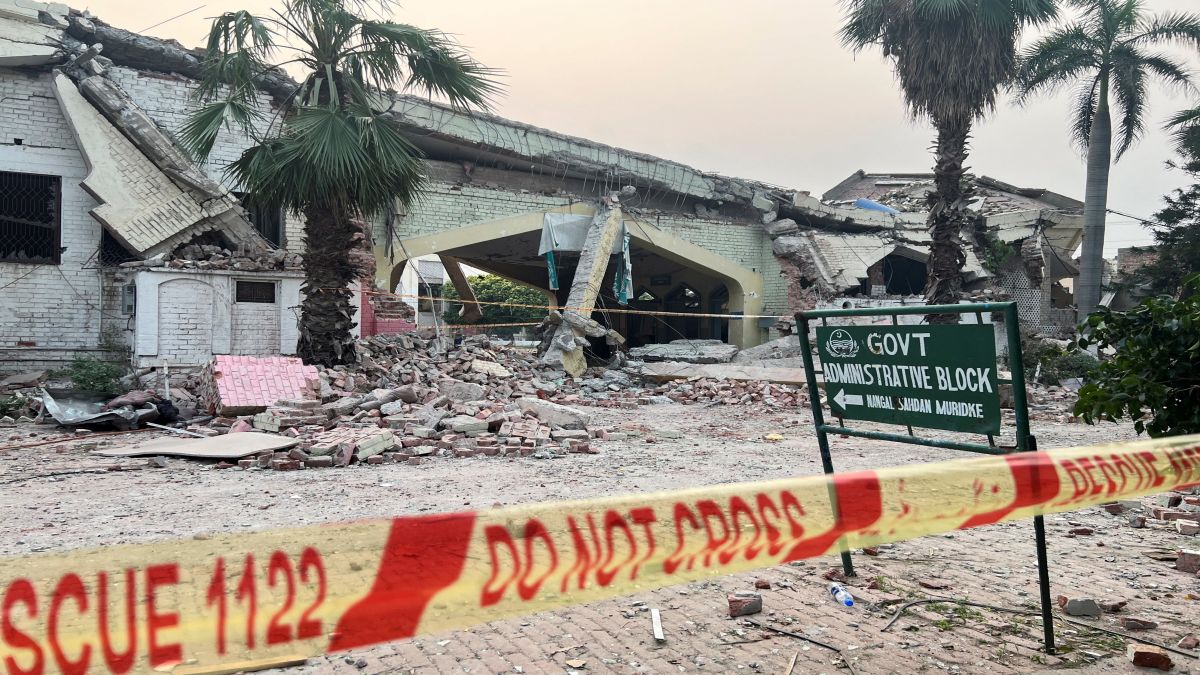 "Will 2026 see another India-Pakistan conflict?")
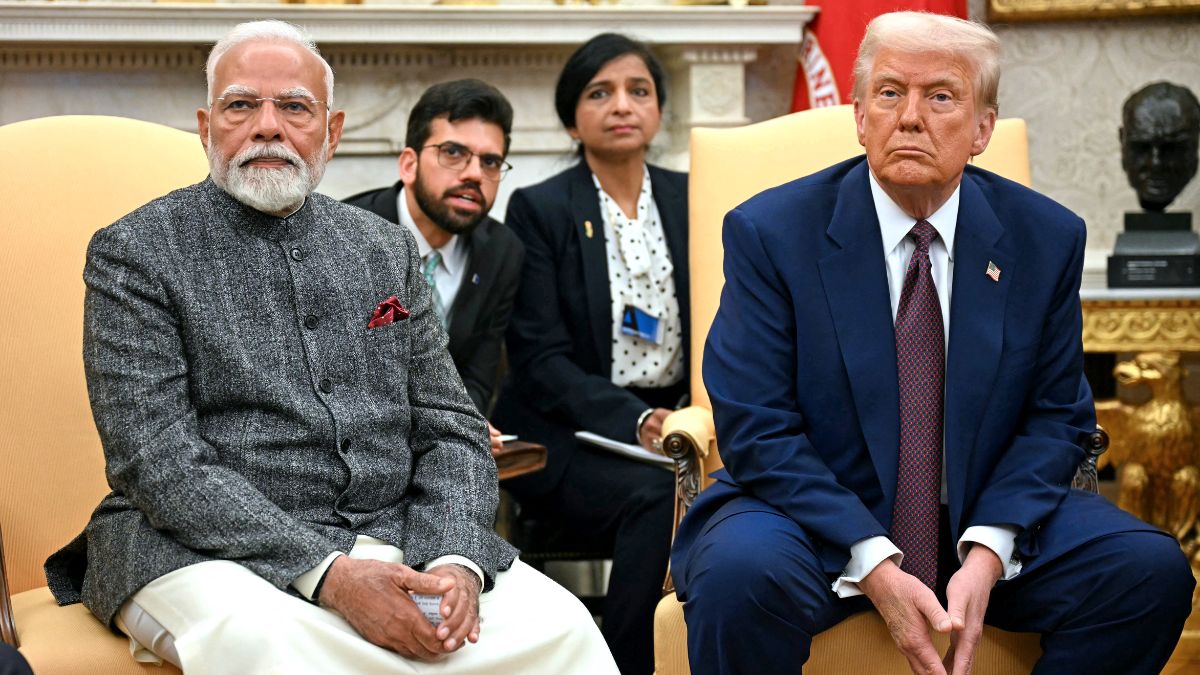 "India-US relations in Trump 2.0 — continuity, friction points, opportunities")
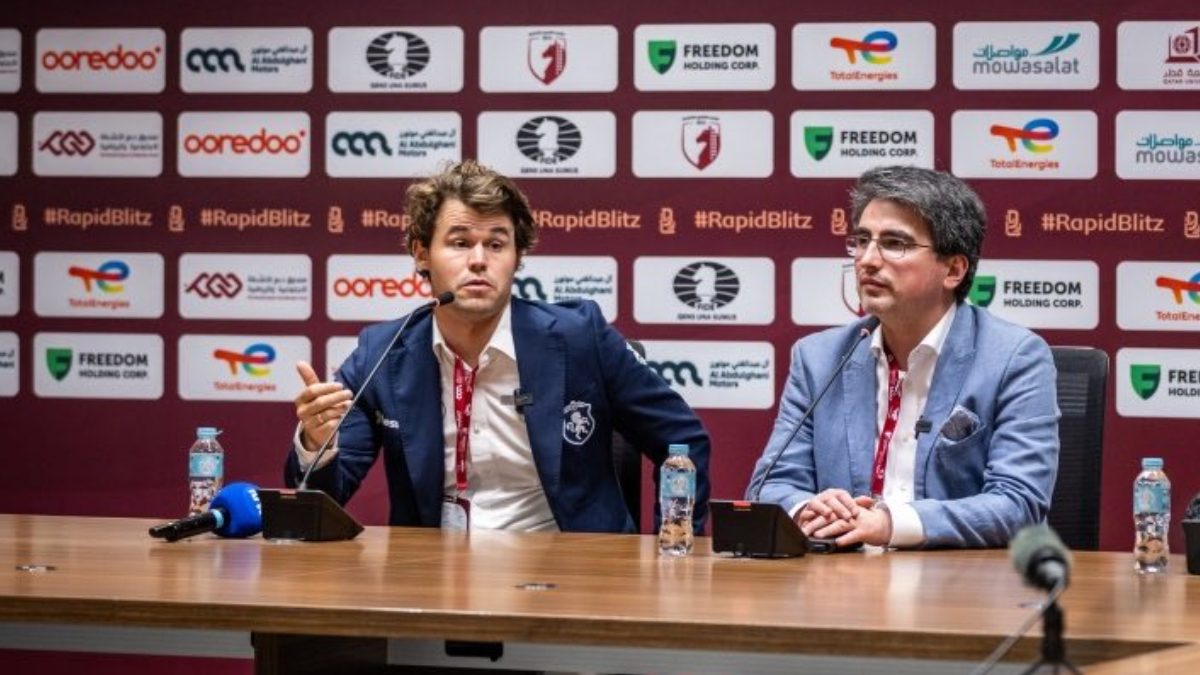 "Magnus Carlsen underlines his chess prowess after World Blitz Championship win, sends message to critics: ‘Ruling me out...'")
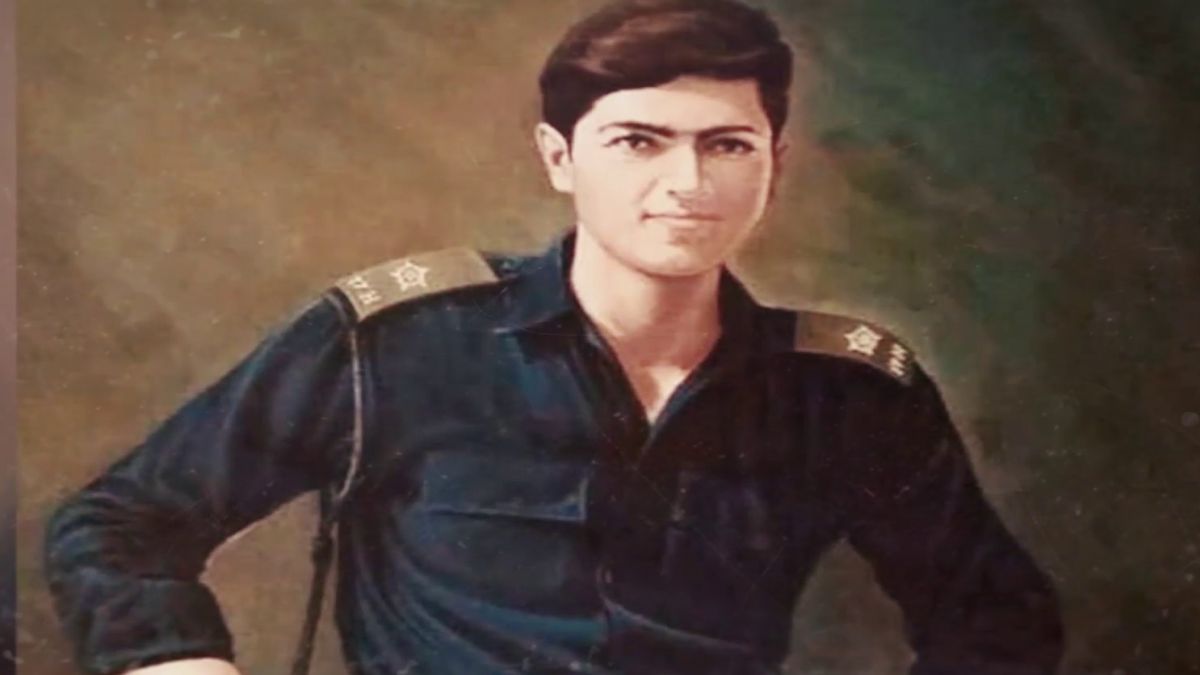 "Meet Arun Khetarpal, the hero of the 1971 Battle of Basantar and inspiration for movie ‘Ikkis’")



