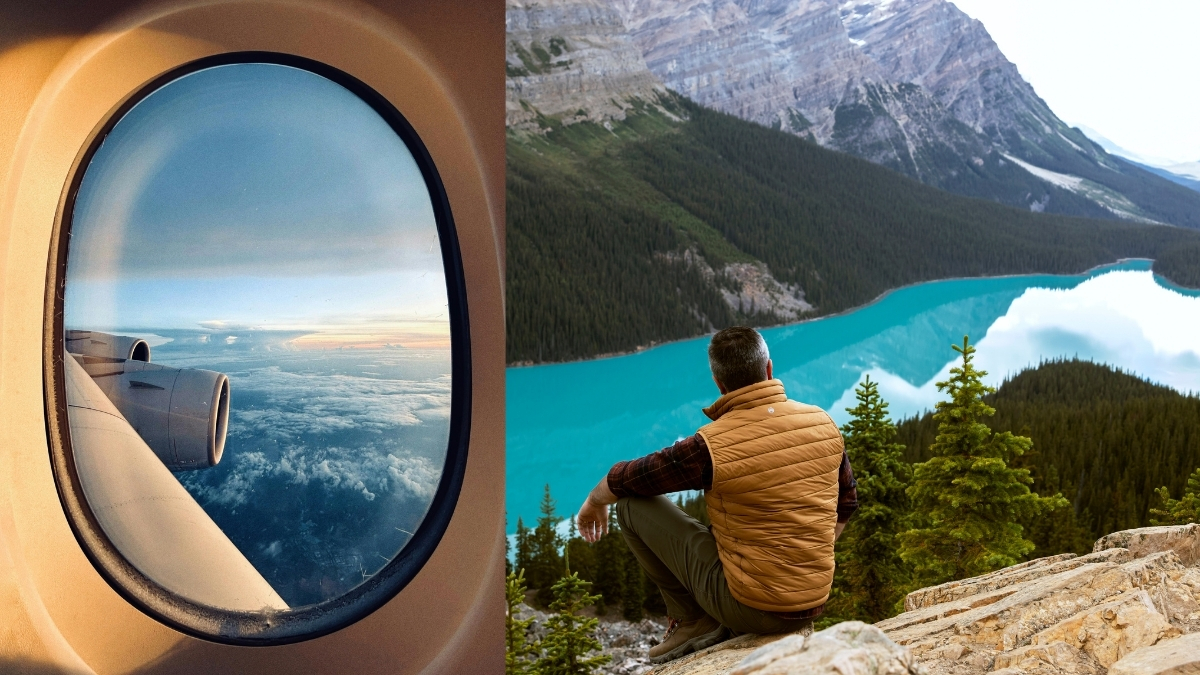
 "Microcations are in: Why short getaways are the new travel fix")
Microcations are becoming a popular way to travel, especially for people who do not have a lot of free time or money.
These are short, refreshing trips that help people take a break without using up all their vacation days or spending too much.
For those balancing work, family, and other responsibilities, microcations make it easier to travel more often instead of waiting for one long holiday.
Speaking to BBC, Clarissa Cappelletti, international regional manager at WeRoad, a European group travel company for solo travellers says, “A long weekend is usually calendar-driven. A public holiday, a spare Friday off work, a quick flight somewhere familiar.
Instead, a micro-cation is designed to feel like a holiday in a tight timeframe. It’s time you use deliberately, and that distinction is resonating with modern travellers.” speaking to BBC
Leigh Rowan, founder and CEO of Savanti Travel, a San Francisco-based full-service travel management company told Huffpost that the biggest driver behind microcations is simple: time scarcity. “But people are starting to realize that you don’t need a lot of time to feel recharged, you just need to use the time you do have exceptionally well.”
Data also shows how this trend is growing.
Zostel, one of South Asia's largest backpacker hostel networks, has seen two- to four-night stays rise sharply since 2019, increasing from around 41,800 guests to more than 158,000 in 2024. This shift has also led to more last-minute bookings, especially among solo travellers and work-cationers, reports BBC.
Quick Reads
View AllMicrocations are different from regular short trips. They are usually packed with activities and focused on making the most of a short time away, often with an emphasis on cultural experiences.
One reason for their popularity is that many millennials worry about work piling up when they return from a long holiday. With demanding jobs, even thinking about catching up on emails and extra work can spoil the mood of a vacation.
There are several reasons why microcations are gaining attention.
They are easier to plan. With less time away, there is less packing, less travel stress, and often no need to fly. This also makes them more affordable.
Short attention spans also play a role. In today’s always-on world, many people find it hard to stay in one place for a long time or fully focus on a single destination.
They help people use their vacation days better. By planning trips around weekends or public holidays, people can travel more often without taking many days off work.
There is also very little missed work. If planned well, people may not miss any workdays at all, and they return without a heavy backlog.
Microcations are also budget-friendly. Shorter trips mean lower costs, making travel possible even for those with limited budgets.
Another effect is a growing interest in domestic travel. People are exploring destinations closer to home, which also supports local businesses.
Finally, flexibility is a big factor. With flexible work schedules and access to last-minute deals, people can plan quick trips more easily than before.


 "US-Israel-Iran War Live Updates: IRGC threatens attacks on ships & ports of all US & Israeli allies")
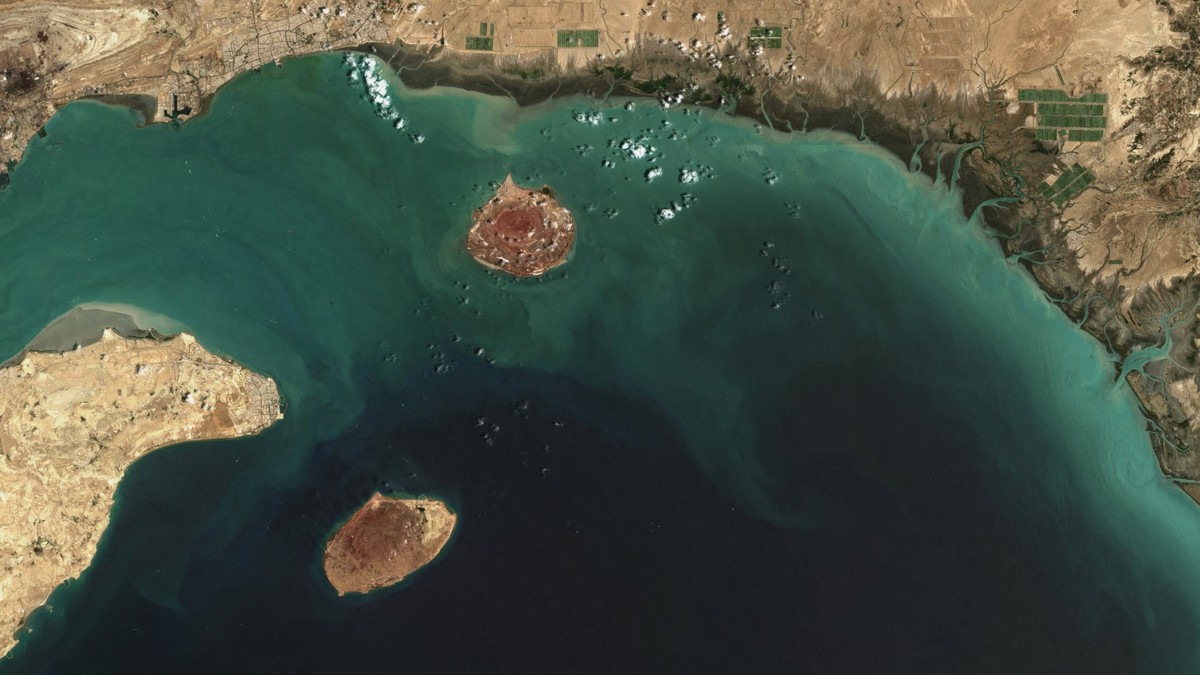 "Not Kharg alone: Could Iranian islands, Larak and Abu Musa, be next US targets?")
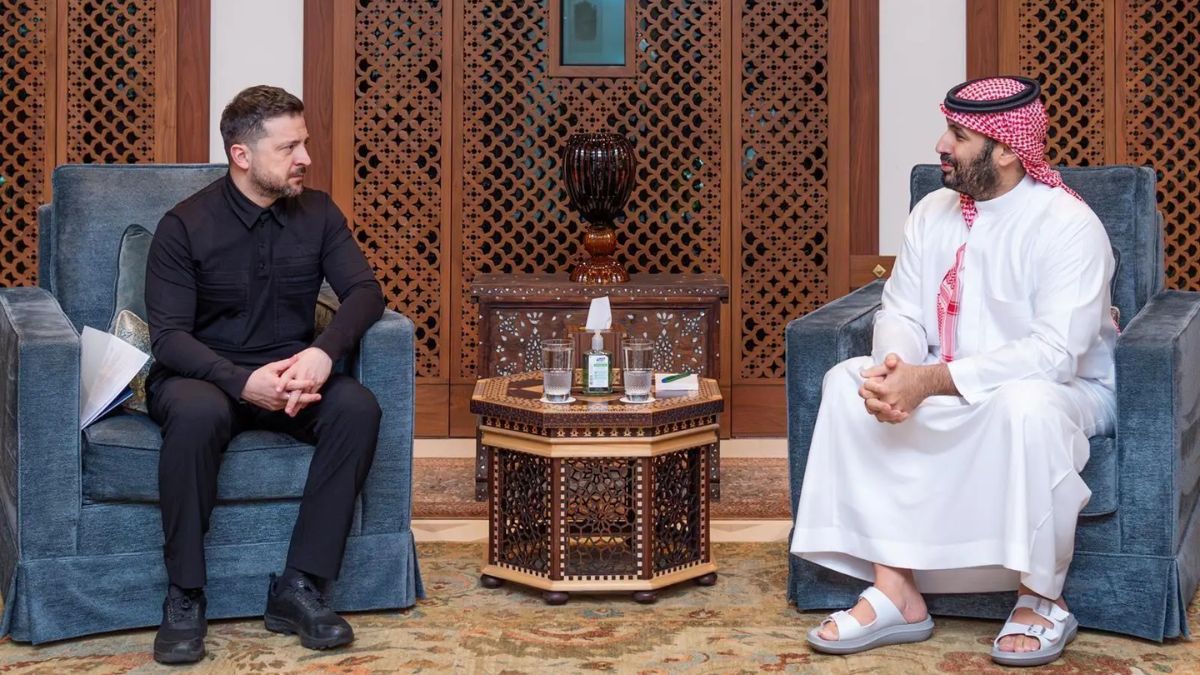 "Zelenskyy holds air‑defence talks in Saudi Arabia as Ukraine helps counter Iranian drones")
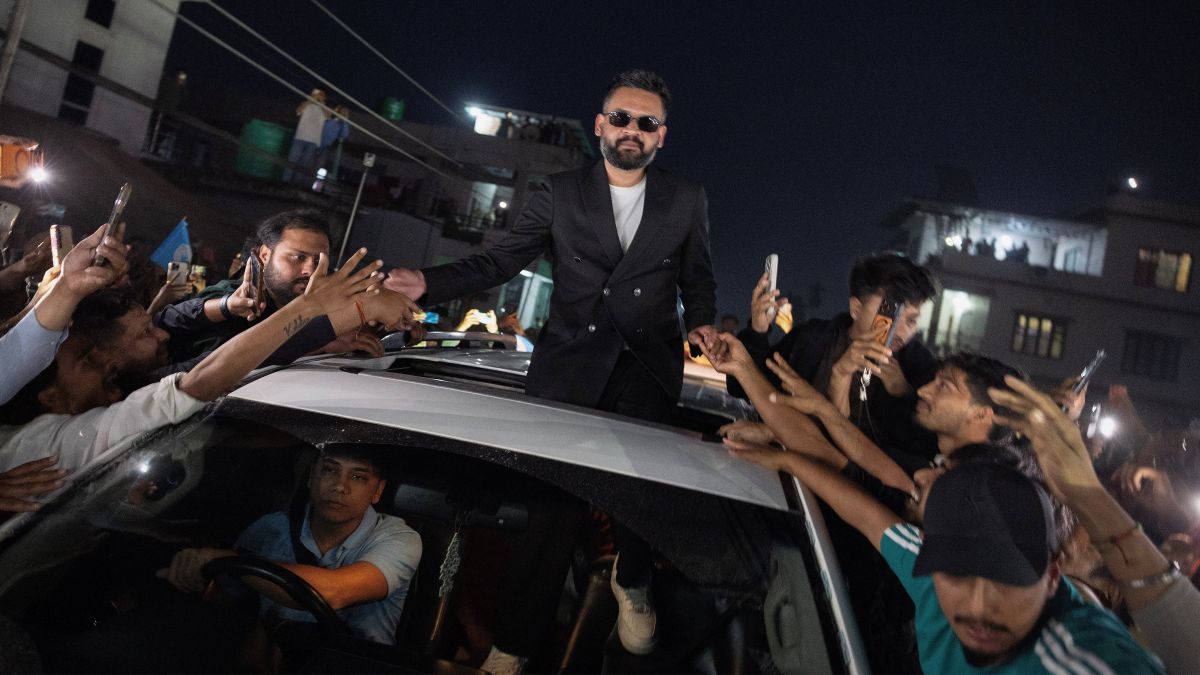 "Rapper Balen Shah takes charge as Nepal's prime minister")
 "US-Israel-Iran War Live Updates: IRGC threatens attacks on ships & ports of all US & Israeli allies")
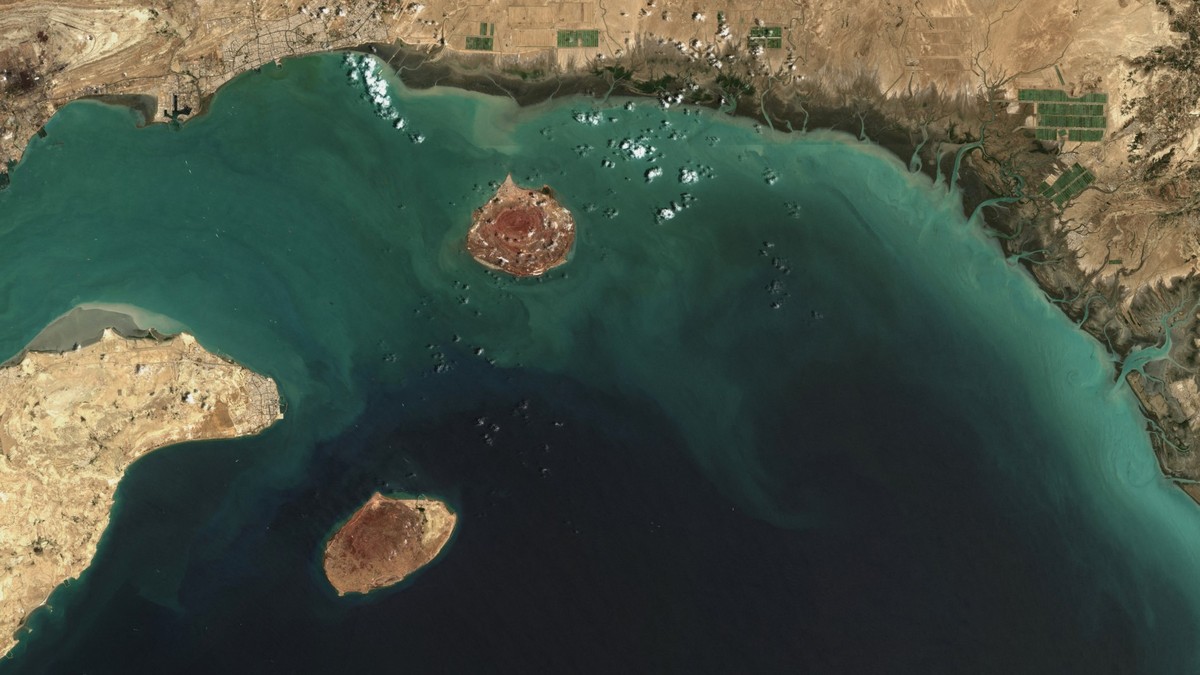 "Not Kharg alone: Could Iranian islands, Larak and Abu Musa, be next US targets?")
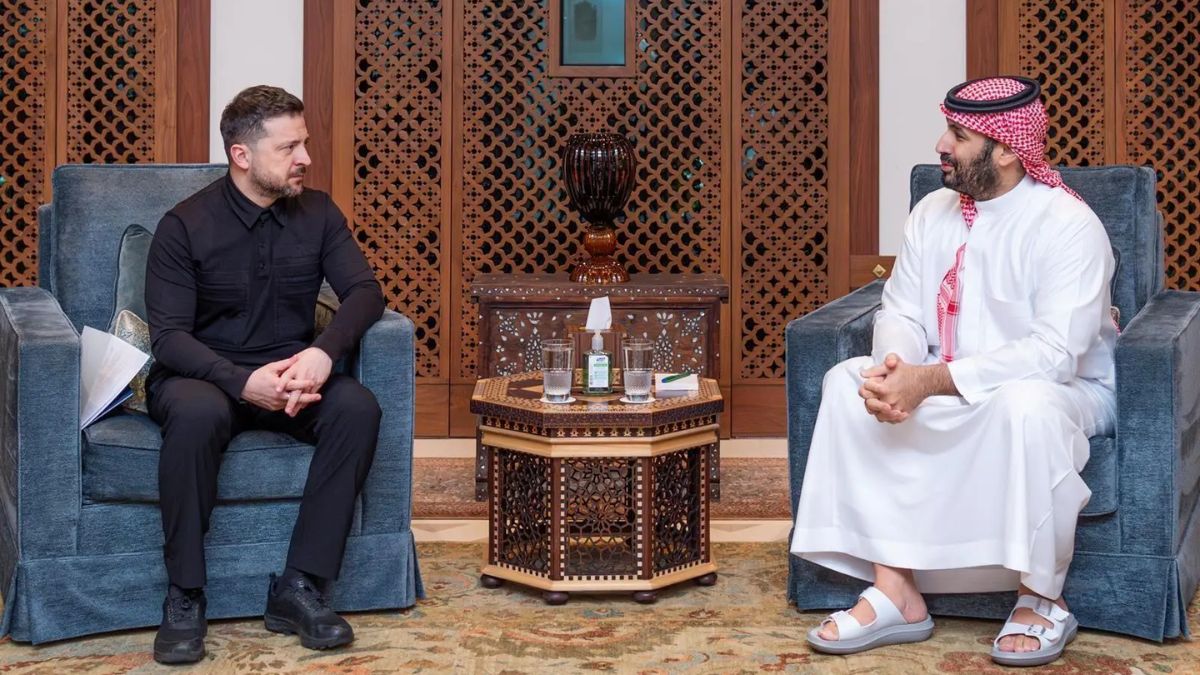 "Zelenskyy holds air‑defence talks in Saudi Arabia as Ukraine helps counter Iranian drones")
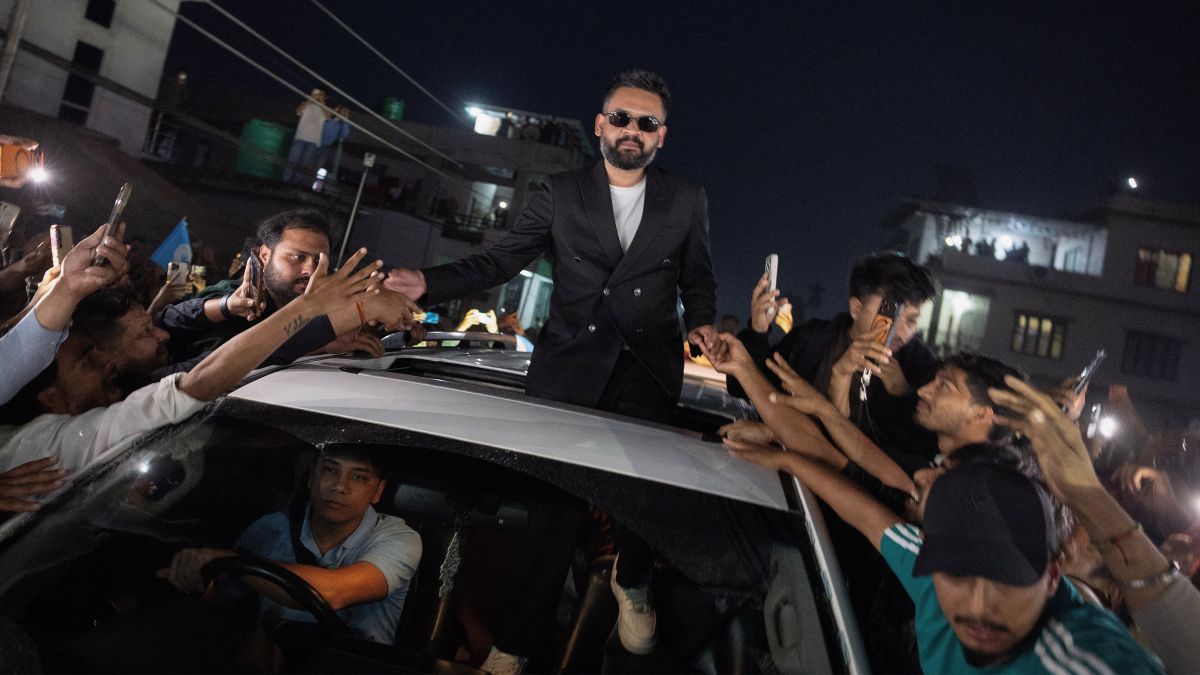 "Rapper Balen Shah takes charge as Nepal's prime minister")