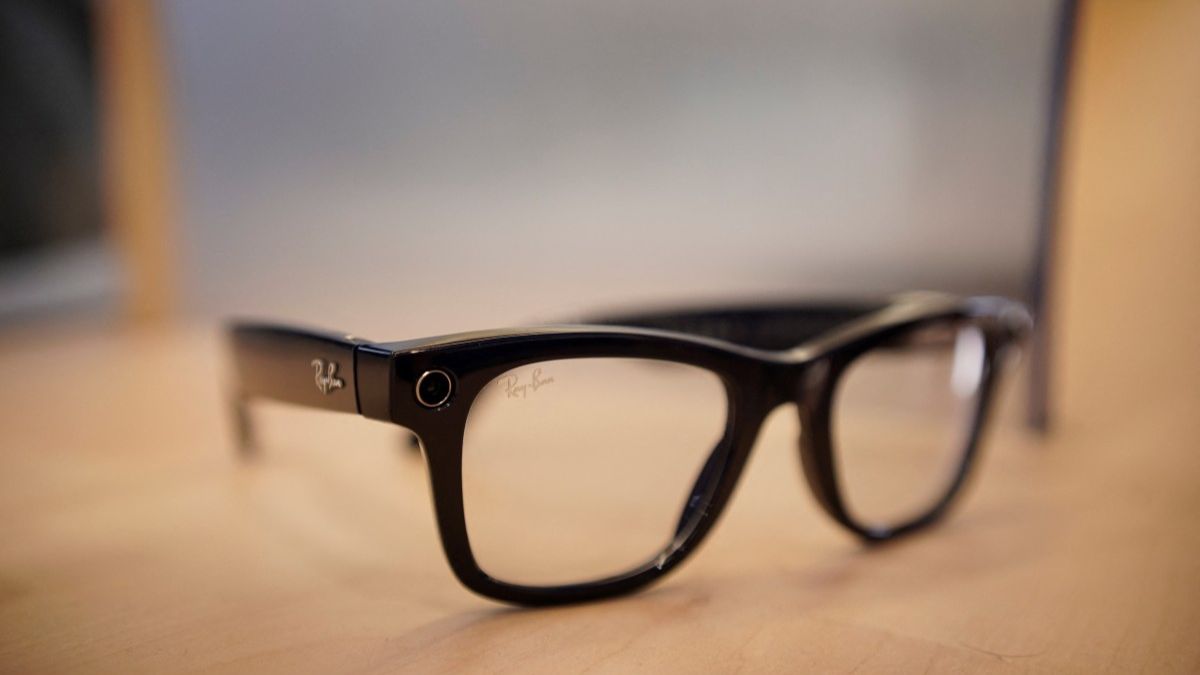
 "Recent revelations about Ray-Ban Meta Smart Glasses suggest that many users may not fully understand just how far that trade-off goes. Pexels")
Recent investigations have raised serious privacy concerns about the AI-powered Ray-Ban Meta Smart Glasses, revealing that some recordings captured by the devices may be reviewed by human contractors overseas to train Meta’s artificial intelligence systems.
The Investigation
A joint investigation by Swedish newspapers found that contract workers in Nairobi, Kenya review videos and images recorded by users of Meta’s smart glasses.
These workers label and categorize the footage so Meta’s AI models can better understand objects, scenes, and conversations.
The work is typically done by data annotation firms such as Sama, which employ moderators to review clips sent from the glasses when users activate AI features or recordings.
What workers say they have seen
Some workers reported reviewing highly sensitive material captured unintentionally by the glasses.
According to accounts, videos of people undressing or leaving bathrooms, scenes from bedrooms and homes, financial information or personal conversations, one contractor told reporters that in some clips “you can see someone going to the toilet or getting undressed.”
Workers say they sometimes feel uncomfortable because they are effectively viewing private moments from people’s homes that the users likely never intended to share with strangers.
Why humans are watching the footage
The review process is part of AI training. AI systems need labeled data to learn how to interpret images and videos. Human annotators watch recordings and tag elements such as objects, actions, locations, and conversations.
This labeled data helps Meta improve features like voice commands (“Hey Meta”), visual recognition, and contextual AI responses.
This type of human review is common across the AI industry, though companies often mention it only in privacy policies.
The glasses are not recording all the time though
The viral claim that the glasses “record everything all the time” is misleading. According to available information, the glasses do not continuously record. Recording starts only when a button is pressed or the voice command “Hey Meta” is used.
A small LED light on the glasses turns on during recording.
However, critics say people around the wearer may still not realize they are being filmed, and the indicator light may not always be noticeable.
Quick Reads
View AllThe bigger privacy debate
Privacy experts warn that wearable cameras create new surveillance risks because they can capture bystanders who never consented, sensitive moments in private spaces, and personal information visible in the environment.
Regulators in Europe have already begun questioning whether Meta’s data practices comply with privacy laws like GDPR, especially when recordings are reviewed outside the EU.
Anuj is a senior sub-editor (lifestyle desk) at Firstpost who covers food, travel, health, and fitness, mostly because they’re all excellent excuses to leave the house. Powered by coffee, he spends his downtime airplane-spotting and exploring spirituality, hoping one day to understand both turbulence and the universe.