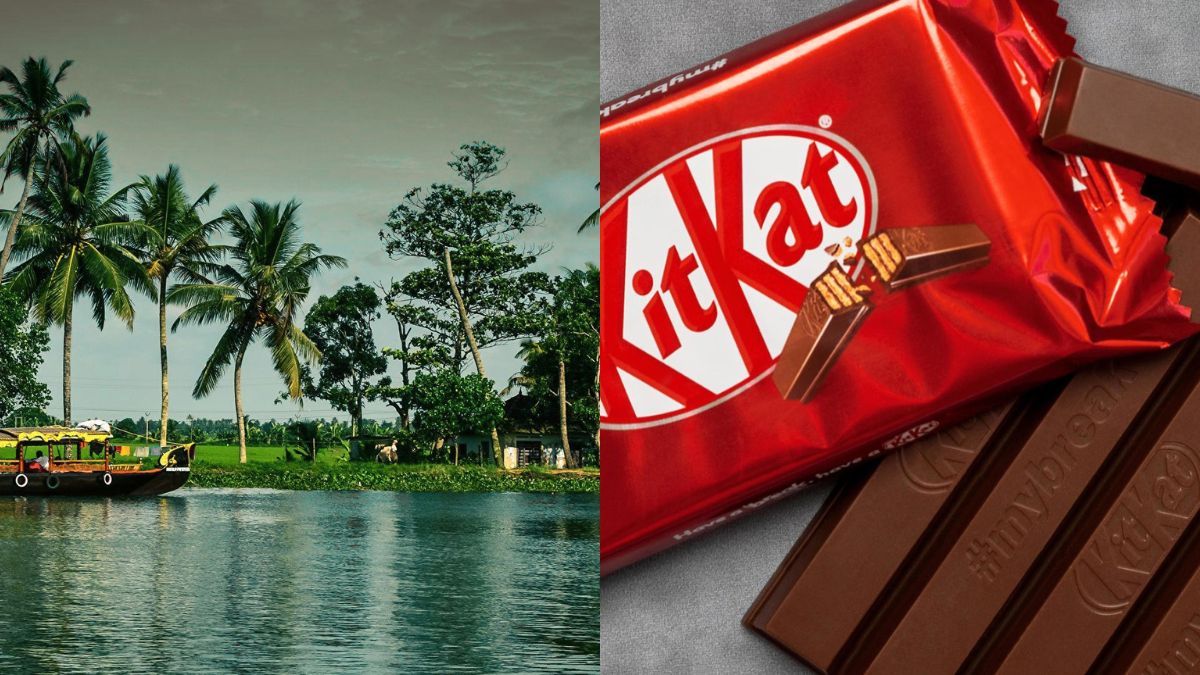
 "Why Kerala Tourism’s KitKat heist joke is winning the internet")
The disappearance of a huge shipment of KitKat chocolate bars in Europe has unexpectedly become a source of marketing inspiration for organisations far beyond the confectionery world.
Earlier this week, authorities in Italy and Poland reported that around 12 tonnes of KitKat bars, more than 400,000 individual units, vanished from a truck in transit, sparking headlines and a wave of online jokes and memes about the “world’s sweetest heist”.
Kerala Tourism taps into the meme moment
Official social media accounts of Kerala Tourism Development Corporation, the government body responsible for promoting tourism in the southern Indian state of Kerala, joined the conversation with a clever post referencing the viral story.
Sorry, not sorry.#KitKatHeist #TakeABreak #KitKat #Chocolate #KeralaTourism pic.twitter.com/rhsbMYoefl
— Kerala Tourism (@KeralaTourism) March 31, 2026
The account posted that after checking the state’s backwaters, hill stations and beaches, “none of it has reached Kerala”, playing on the absurdity of the stolen sweets and echoing KitKat’s long‑standing slogan, “Have a break”.
The clever twist wasn’t just humour for humour’s sake: by saying that the missing KitKats hadn’t ended up in Kerala, the tourism board subtly invited people to take a “proper break” - not with chocolate, but with a holiday to Kerala.
Why brands are joining in
What might seem like a silly side‑note on a chocolate theft has become part of a wider “moment marketing” trend.
Around the world, brands from airlines to fast‑food chains have used the unexpected global attention on the KitKat story to share witty, shareable content.
That’s because social media users are engaging more with trending topics that feel humorous or relatable, creating an opportunity for organisations to boost visibility by joining in rather than sticking to traditional promotional posts.
Quick Reads
View AllFor Kerala Tourism, the tactic works on two fronts: it rides a trending global conversation while also reinforcing Kerala’s appeal as a destination associated with relaxation, nature and memorable experiences - all without appearing pushy or overly commercial.
Is tourism marketing changing in the digital age?
This feels like a new kind of travel storytelling. The incident highlights how tourism marketing is changing in the digital age.
Rather than relying solely on images of beaches and backwaters, destination marketers are increasingly using wit, cultural relevance and real‑time engagement to stay visible in a crowded online space.
By turning an unusual global story into a light‑hearted invitation, Kerala Tourism has shown how humour and creativity can become part of a destination’s brand presence.


 "'Campaign is not over': Netanyahu says will continue to 'crush Iran’s terror regime'")
 "Iran confirms ‘direct’ messages with Trump aide Steve Witkoff, but says no negotiations underway")
 "Will Iran war end with Hormuz still shut? Trump officials say it's likely with new deadline")
 "Nasa Artemis II launch: A complete guide on how the spaceflight will proceed")
 "'Campaign is not over': Netanyahu says will continue to 'crush Iran’s terror regime'")
 "Iran confirms ‘direct’ messages with Trump aide Steve Witkoff, but says no negotiations underway")
 "Will Iran war end with Hormuz still shut? Trump officials say it's likely with new deadline")
 "Nasa Artemis II launch: A complete guide on how the spaceflight will proceed")