"Japan is finally taking on overtourism: What Indian travelers should know")
Japan is grappling with a surge in overtourism as record numbers of visitors from around the world flock to its scenic cities and landmarks year-round.
Per a report by New York Post, more than 35 million travelers in 2024 have flooded cities like Kyoto, Tokyo, and areas around Mount Fuji, triggering complaints about overcrowding, littering and disruption to local life.
To manage the surge, Japanese authorities are introducing a range of policies - from higher tourist taxes to visitor caps at iconic attractions. For Indian travelers planning a trip, here are the key changes to know.
1. Tourist tax to rise in Japan from March 2026
Japan’s historic capital Kyoto is introducing the country’s highest accommodation tax starting March 2026.
Budget stays under ¥6,000 includes taxes worth ¥200 per night, mid-range hotels worth ¥400–¥1,000, and high-end hotels up to ¥10,000 per night. This is a tenfold increase from the previous maximum of ¥1,000.
The tax is designed to make tourists share the cost of managing overtourism - funding infrastructure upgrades, transport improvements and heritage protection.
For travelers, it means hotel stays - especially luxury ones - will become noticeably more expensive.
2. Residence-related fees to hike up
Japan’s Cabinet on March 11, 2026 (Tuesday) approved a bill to amend the country’s immigration law, proposing a significant increase in the statutory ceiling for residence-related fees - the first revision in more than four decades.
Under the proposal, the legal maximum fee for changing residence status or extending a period of stay would rise to ¥100,000 ($630), up from the current ¥10,000 ($63). The cap for permanent residency applications would increase even more sharply, jumping to ¥300,000 ($1,900) - about 30 times the current limit.
The government has not yet finalised the exact fee levels. However, officials indicated that applications for permanent residency could cost around ¥200,000 ($1,250), while other procedures may range between ¥10,000 ($63) and ¥70,000 ($440) depending on the applicant’s length of stay.
Quick Reads
View All3. Climbing Mount Fuji comes with lot of restrictions now
Japan has also introduced stricter rules at Mount Fuji, one of its most visited natural sites.
New measures include daily climber limits of around 4,000 people, reservation systems for some trails, and higher climbing fees (around ¥3,000–¥5,000 under discussion).
These policies aim to reduce overcrowding, improve safety and prevent environmental damage.
4. Two-tier pricing to be implemented
Japan is also exploring dual pricing, where international tourists pay more than locals at some attractions.
Examples already discussed or planned include higher entrance fees for certain landmarks and heritage sites, as maintenance costs rise due to heavy tourism.
The approach is controversial but increasingly common globally.
5. Some locations in Japan are restricting access, Cherry Blossom Festival 2026 cancelled
Authorities have also taken unusual steps to protect local communities.
For example, visitor numbers are capped at crowded attractions and certain streets in Kyoto’s geisha districts have restricted photography due to harassment of performers.
Some festivals and viewpoints have been limited or cancelled because of overcrowding and traffic issues.
Arakurayama Sengen Park Cherry Blossom Festival in Fujiyoshida was cancelled for 2026 mainly because of overtourism and disruptive visitor behaviour around the popular Mount Fuji viewpoint.
Takeaway: What this means for Indian travelers
Japan remains welcoming to international visitors, but tourism there is becoming more regulated and sometimes more expensive.
Travelers from India should expect higher taxes on hotels in major cities, advance reservation requirements for popular sites, and possible price differences at various locations in the country.


 "US-Israel Iran War Live Updates: Two Indian tankers granted safe passage through Hormuz")
 "After Jaishankar-Araghchi talks, Iran allows Indian tankers through Strait of Hormuz: Report")
 "Why are ships becoming key targets in the Iran war?")
 "Vessel carrying Saudi crude reaches India; first tanker to arrive from Strait of Hormuz since Iran war")
 "US-Israel Iran War Live Updates: Two Indian tankers granted safe passage through Hormuz")
 "After Jaishankar-Araghchi talks, Iran allows Indian tankers through Strait of Hormuz: Report")
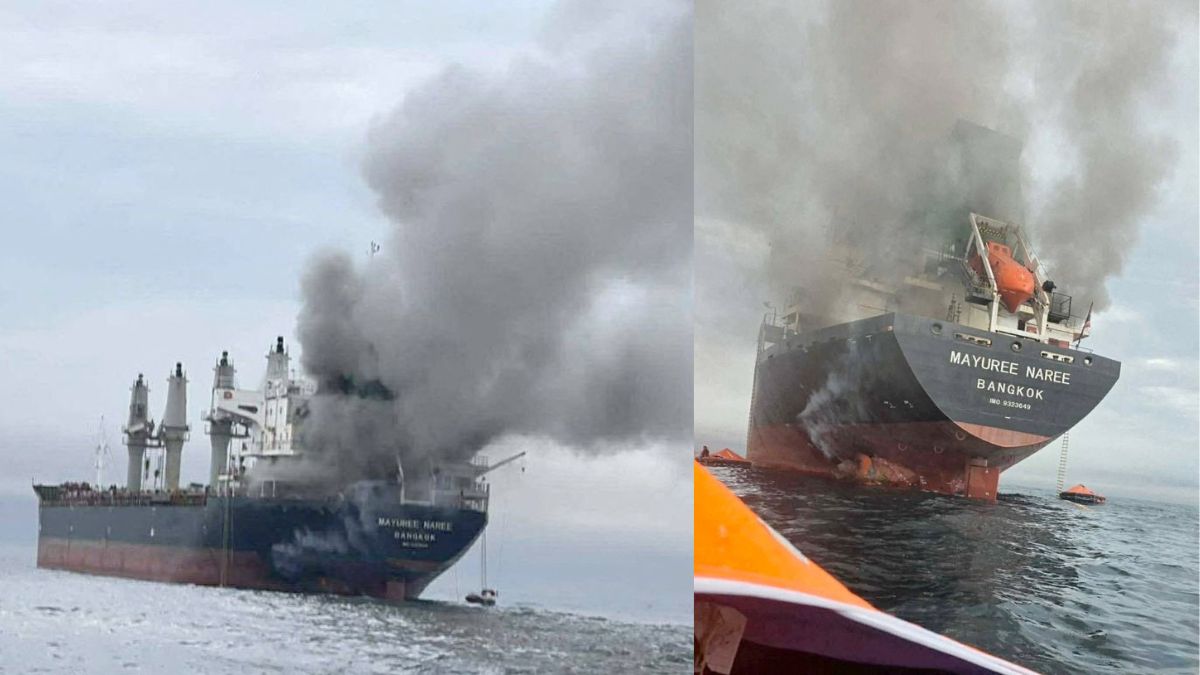 "Why are ships becoming key targets in the Iran war?")
 "Vessel carrying Saudi crude reaches India; first tanker to arrive from Strait of Hormuz since Iran war")