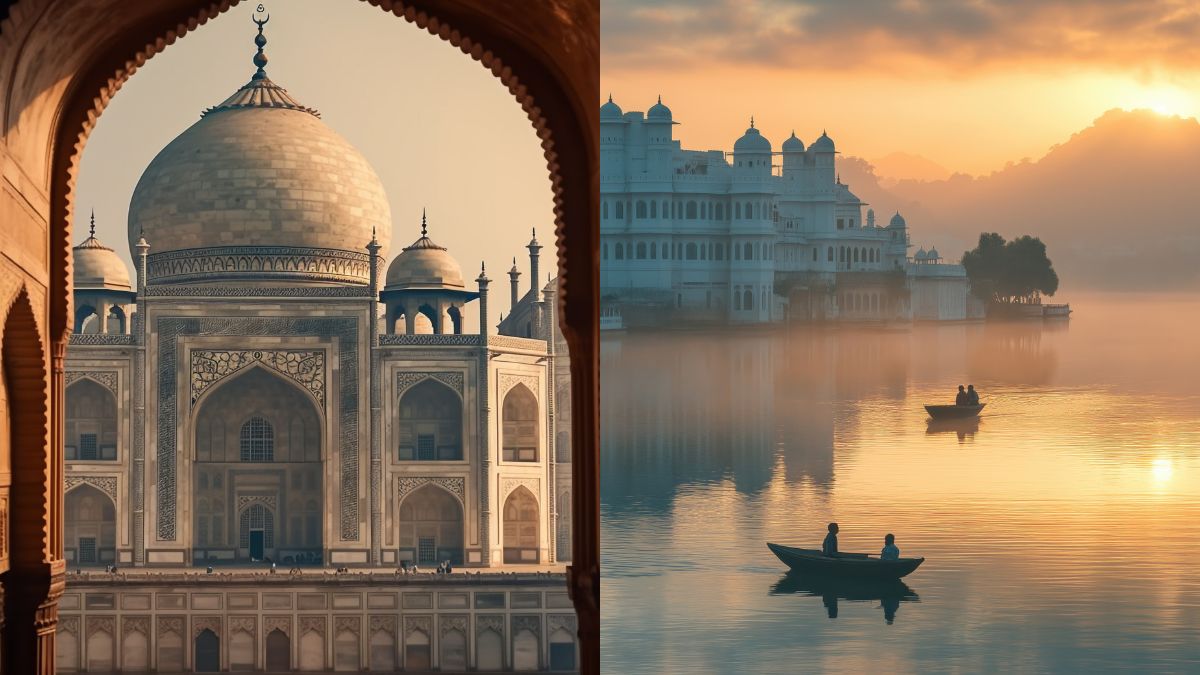
 "As global travel routes shift amid the Iran conflict, India’s tourism sector is emerging stronger with rising domestic and alternative travel demand. Pexels")
As the ongoing Iran conflict disrupts global travel routes and dents tourism across the West Asia, an unexpected beneficiary is beginning to emerge: India’s travel and tourism industry.
While the war has triggered widespread cancellations, airspace closures, and safety concerns globally, it is also reshaping travel patterns - with more Indian travellers choosing domestic destinations and alternative routes over traditional West Asia hubs.
Global tourism takes a hit
The scale of disruption is massive. According to the World Travel & Tourism Council (WTTC), the West Asia tourism sector is losing around $600 million (₹5,000 crore) per day in visitor spending.
Additionally, the region could see 23-38 million fewer international visitors in 2026, with total losses reaching to $34-56 billion in tourism revenue.
Airspace restrictions and security concerns have disrupted major global transit hubs like Dubai, Doha, and Abu Dhabi - key connectors for long-haul travel.
Travel disruption shifts demand toward India
With uncertainty rising across the Gulf and parts of West Asia, travellers are increasingly avoiding conflict-adjacent regions, cancelling or postponing international trips, and opting for safer, closer destinations.
This shift is directly benefiting India. How, you ask? Well, industry reports suggest outbound travel sentiment has dropped sharply, with bookings down 30 to 60 per cent in some segments.
Meanwhile, the forex market linked to overseas travel has seen transactions fall by 80 to 90 per cent in some regions.
The result: More Indians are choosing to travel within the country instead.
Domestic tourism gets a boost
With fewer Indians travelling abroad, domestic tourism is seeing a surge especially in hill stations (Himachal Pradesh, Uttarakhand), Kashmir, Ladakh, northeast India (Sikkim, Meghalaya), and beach destinations like Goa and Andaman.
According to reports , flight bookings for Indian leisure hotspots have grown strongly, with Udaipur leading at 69% year‑on‑year, followed by Jodhpur (47%), Bagdogra (44%), Srinagar (41%) and Agartala (38%). Goa, Jammu and Dehradun also show solid double‑digit increases.
Travel experts are observing a trend as well: Uncertainty abroad is pushing travellers to rediscover India, boosting bookings for short-haul trips, weekend getaways, and nature and experiential tourism.
Quick Reads
View AllIndia benefits from rerouting and global spillover
The disruption of West Asia aviation hubs, which handle about 14% of global transit traffic, is forcing airlines to rethink routes.
This creates indirect opportunities for India with increased importance of Indian aviation hubs for regional travel, growth in direct international routes bypassing the Gulf, and potential rise in transit traffic through Indian cities.
Anuj is a senior sub-editor (lifestyle desk) at Firstpost who covers food, travel, health, and fitness, mostly because they’re all excellent excuses to leave the house. Powered by coffee, he spends his downtime airplane-spotting and exploring spirituality, hoping one day to understand both turbulence and the universe.