 "In the heat of it all: 6 summer skincare shifts to make as temperatures rise")
There comes a point every year when your skincare routine stops keeping up. The creams that carried you through winter begin to sit too heavily, sunscreen feels like a second skin, and by midday, there’s a visible sheen you didn’t ask for. Summer doesn’t demand an overhaul so much as a recalibration: one that leans into lighter textures, controlled hydration and a more considered kind of care.
Switch to lighter sunscreens
If your sunscreen feels heavy by noon, it’s not working for summer. Thick creams tend to sit on the skin in humidity and can make oiliness worse.
As Dubai-based skincare consultant Nipun Kapur Sohal explains, “What felt nourishing in the dry winter air can quickly become heavy and suffocating under the summer sun.”
Look for gel, fluid or milky sunscreens as they absorb faster, feel lighter, and are less likely to clog pores.
Use niacinamide to manage oil
More heat amounts to more sebum. That doesn’t mean you need harsher cleansers; it means you need better regulation.
“The onset of summer usually triggers an increase in sebum production,” says Sohal. Niacinamide helps control oil without drying your skin out, and over time, it also improves the appearance of pores.
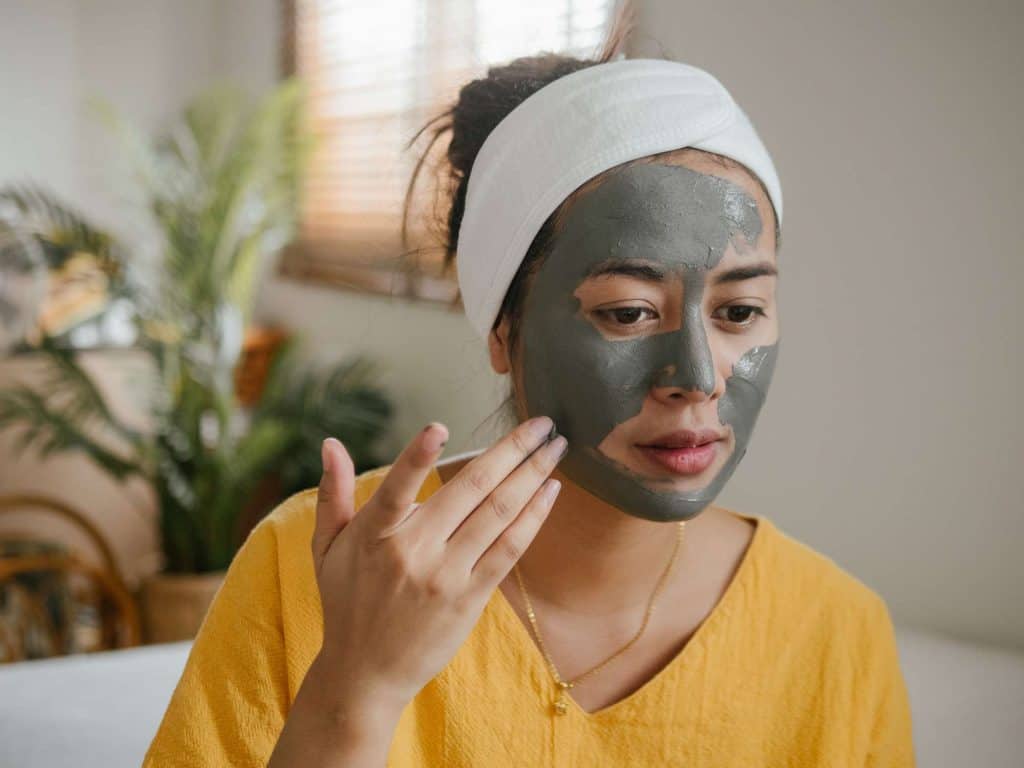
Add a weekly clay or mud mask
Sweat, SPF and pollution build up quickly in summer, especially if you’re outdoors a lot.
A weekly clay mask helps reset your skin by pulling out excess oil and impurities. As Sohal puts it, it can “draw out deep-seated impurities and clarify the skin.” Stick to 1–2 times a week to avoid over-drying.
Extend sunscreen to the body
Skincare often stops at the face, but sun exposure does not. Areas like the arms, chest and legs are regularly exposed and prone to tanning and damage.
“We tend to focus so much on the face that we neglect the skin from the neck down,” Sohal says. Using a broad-spectrum sunscreen on the body daily is one of the simplest ways to prevent uneven skin tone and long-term sun damage.
Quick Reads
View AllTreat tan and pigmentation at night
While the day is focused on protection, the night is when you can address existing concerns like tanning and pigmentation.
Depigmentation treatments, when used consistently, work gradually to even out skin tone. As Sohal explains, they help “brighten the skin and fade existing tan lines” over time.
Don’t ignore your scalp
The scalp is often overlooked, but it is just as affected by heat, sweat and oil buildup. This can lead to discomfort, itchiness and even dandruff during the summer months.
“The heat can create a sweaty, uncomfortable environment for your hair follicles,” Sohal says. Keeping the scalp clean and using lightweight treatments like rosemary water can help maintain balance and prevent buildup.
Summer skincare does not require a complete overhaul. A few adjustments, focused on lighter textures, consistent protection and targeted treatments, are usually enough to keep skin and scalp balanced through the season.