 "From Google to Burger King: April Fools’ campaigns that went viral")
April Fools’ Day has evolved into a serious marketing opportunity. What was once a day for low-stakes pranks now plays out across digital platforms, with brands using April 1 to launch fake products, test speculative ideas and generate viral engagement.
The most effective campaigns follow a simple formula. They are rooted in something familiar and then pushed just far enough to feel unusual, but not impossible. In an online ecosystem already shaped by rapid innovation and constant novelty, that balance is what makes audiences pause.
Here are some of the most memorable April Fools’ Day brand campaigns, and why they worked.
Taco Bell and the ‘Taco Liberty Bell’
One of the earliest large-scale brand pranks came in 1996, when Taco Bell took out full-page ads in major US newspapers claiming it had purchased the Liberty Bell and renamed it the “Taco Liberty Bell”.
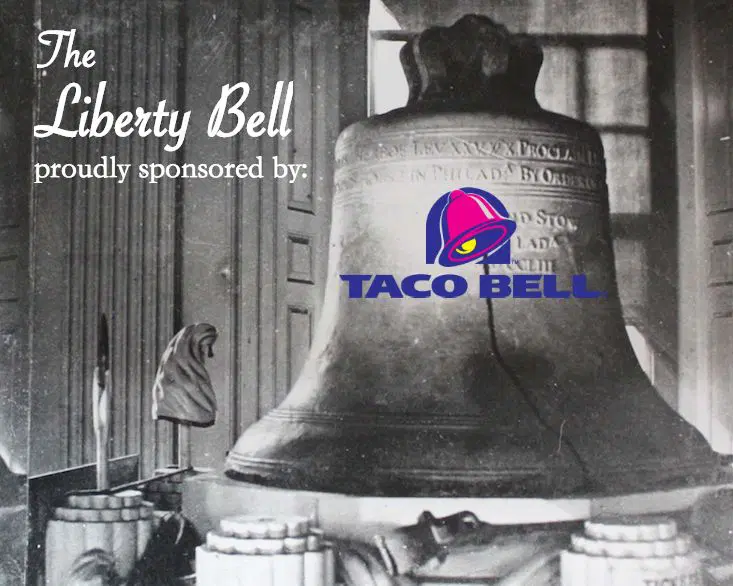
The announcement prompted confusion and outrage, with thousands of people contacting authorities before the company revealed it was a joke. The campaign demonstrated how a well-timed, widely distributed idea could dominate public conversation, even without social media amplification.
Burger King and the ‘Left-Handed Whopper’
Two years later, Burger King announced a “Left-Handed Whopper”, claiming the burger’s ingredients had been rotated to suit left-handed customers better.
The level of detail made the idea convincing enough that customers reportedly visited stores to request it. The campaign remains a classic example of how being specific, rather than grand, can make a prank effective.
Google and the art of the almost-real
Google has arguably done the most to define April Fools’ Day in the digital era. In 2004, it announced Gmail with 1GB of free storage, a figure that seemed implausible at the time and was widely assumed to be a prank.
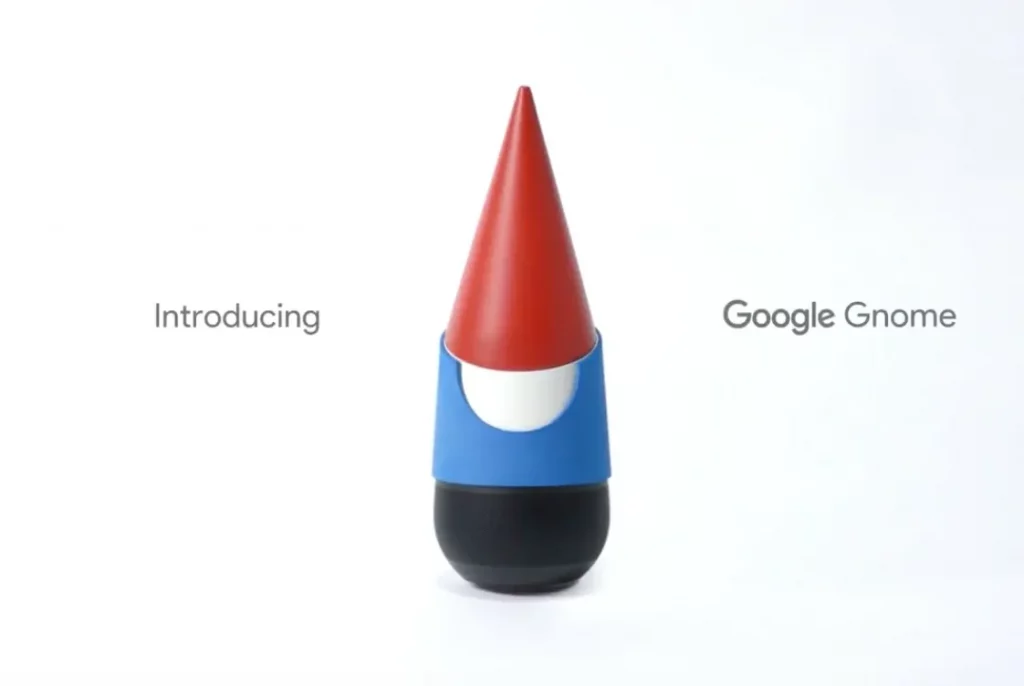
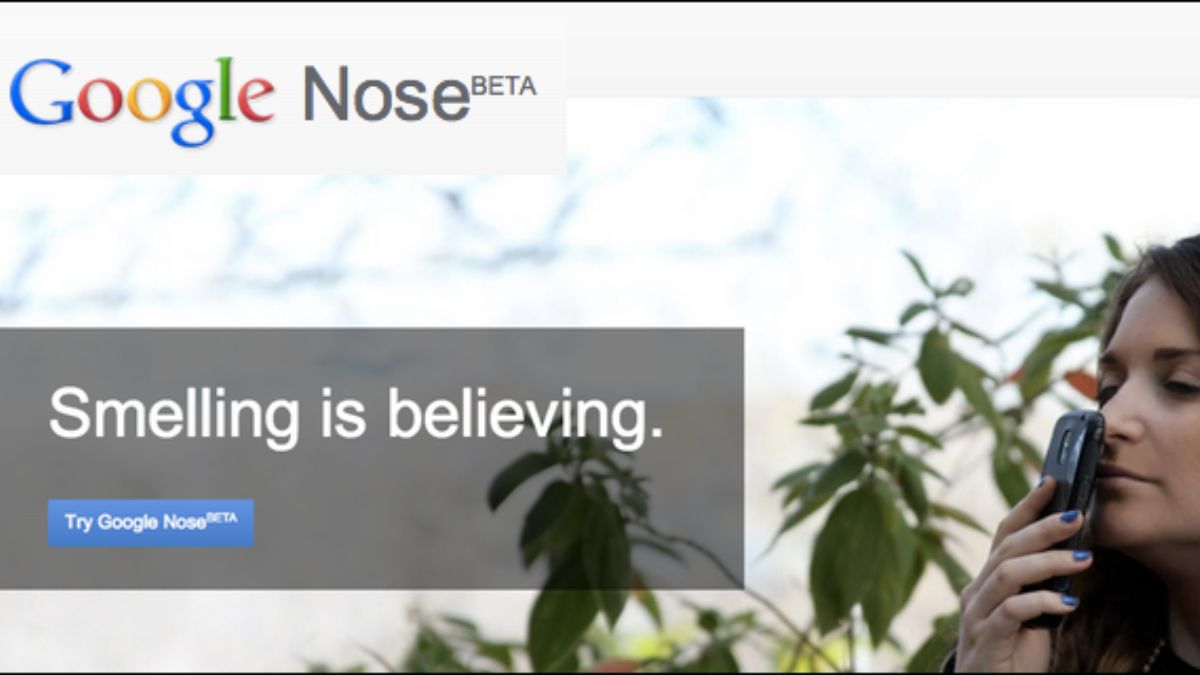
It was not. That ambiguity became central to Google’s April Fools’ strategy in later years, with fictional products such as Google Gnome or Google Nose, which claimed to add smell to search. These ideas worked because they mirrored the company’s real innovations closely enough to feel possible.
Amazon and ‘Petlexa’
Amazon’s “Petlexa” extended its existing voice assistant technology into slightly absurd territory, suggesting a version of Alexa designed specifically for pets. The idea worked because it built directly on a familiar product. Rather than introducing something entirely unrealistic, it exaggerated an existing trend, making the concept feel just within reach.
Platform pranks that landed
Streaming platforms have used April Fools’ Day to riff on their own business models. In 2018, Netflix announced it had “acquired” Seth Rogen in a lifetime deal, exaggerating its content-buying spree.
In India, Amazon Prime Video introduced a “Jaggu Dada Mode”, claiming Jackie Shroff would dub shows in his voice. The format was simple: a believable app update, quickly revealed as a joke.
Quick Reads
View AllIndia’s campaigns are built for the feed
Indian brands have shifted towards quick, social-first pranks that prioritise shareability over scale. Campaigns from KFC India have leaned into quirky product extensions like flavoured lip balms, while Ixigo has introduced fictional travel gadgets and Ola has teased futuristic mobility concepts that sit somewhere between satire and speculation. Most of these campaigns are designed for platforms like Instagram and X, where the idea has to be understood instantly and shared just as quickly.
Across campaigns, the playbook is simple: take something familiar and push it slightly further. Earlier pranks relied on scale and delay. Now, they rely on speed. The idea has to land instantly, before the user scrolls past.