 "European Council Chief has an OCI card: What is it?")
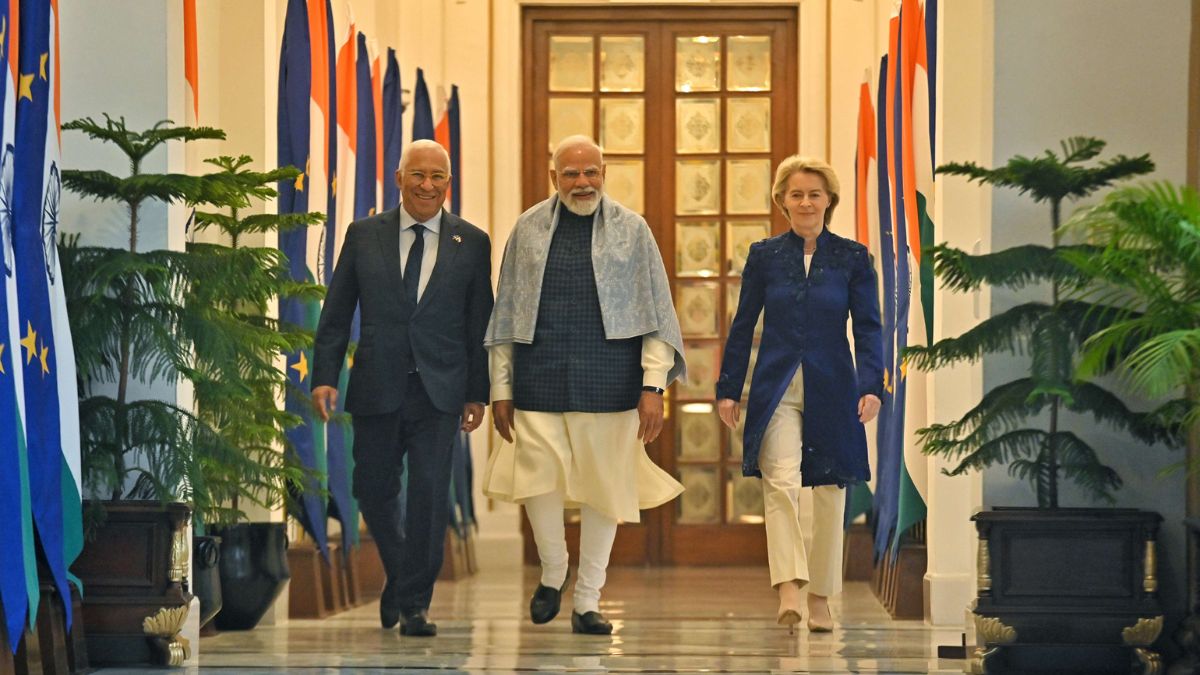
On Tuesday, 27th January 2026, António Costa, European Council Chief showed his OCI card off at the Hyderabad House amidst the presence of Prime Minister Narendra Modi and European Commission President Ursula von der Leyen.
The OCI card was granted to Costa, who has Goan descent, by Modi in 2017.
What is an OCI card?
An Overseas Citizen of India (OCI) card is a long-term immigration document allowing foreign citizens of Indian origin to live, work and travel to India indefinitely. It acts as a multiple-entry, multipurpose, lifelong visa granting congruence with Indian citizens in terms of financial, economic and educational matters.
Key Features and Benefits of OCI Card:
Provides a multiple-entry, multi-purpose, lifelong visa for visiting India.
OCI holders are exempt from registering with the Foreigners Regional Registration Officer (FRRO) for any length of stay in India.
Holders enjoy parity with Non-Resident Indians (NRIs) in financial, economic, and educational fields, including the purchase of residential/commercial property.
Limitations of OCI Card:
OCI cardholders cannot vote, hold constitutional posts, or be employed in public services.
They cannot buy agricultural or plantation properties.
It is not, actual citizenship and does not entitle the holder to an Indian passport.
OCI card holders must seek permission from missionary, mountaineering, journalism or research work.
Eligibility Criteria:
Individuals who were citizens of India on or after January 26, 1950.
Individuals who belonged to a territory that became part of India after August 15, 1947.
Children, grandchildren, or great-grandchildren of the above.
Spouses of foreign origin of an Indian citizen or OCI cardholder (subject to conditions).
Note: Individuals who have ever been a citizen of Pakistan or Bangladesh are ineligible.
Application Process:
Applications are submitted online through the Official OCI Services website, and the process involves providing proof of Indian origin.

 "Why Ajit Pawar was fondly called the ‘dada of Maharashtra politics’")
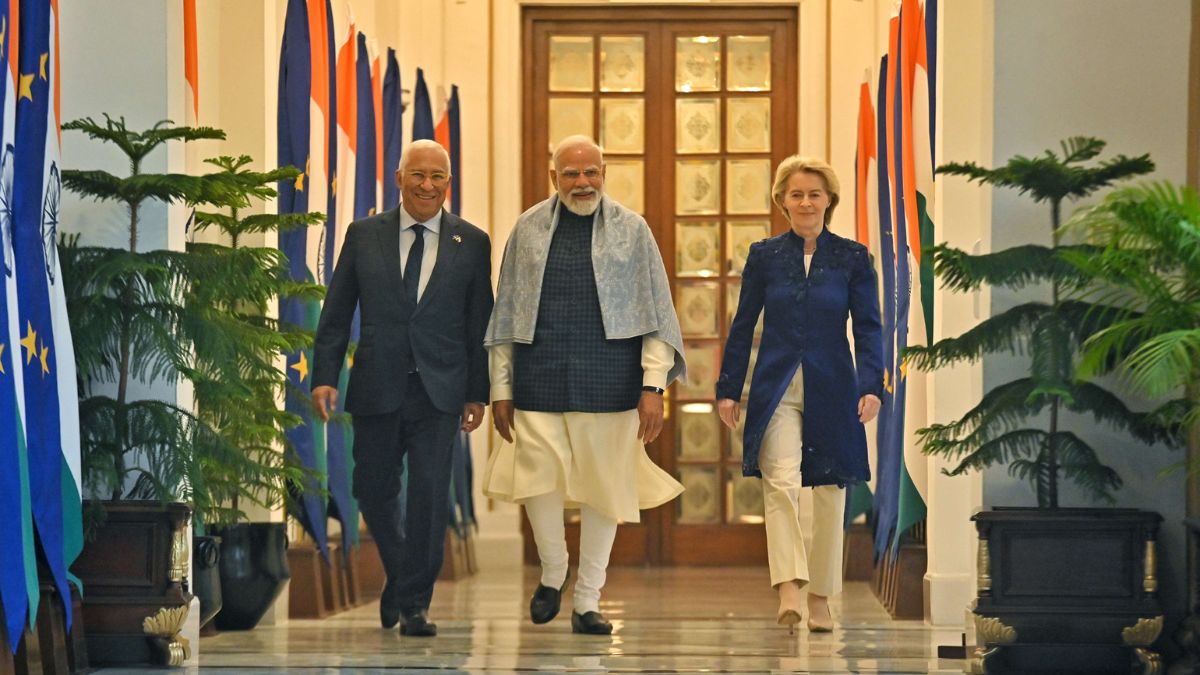 "India–EU FTA's biggest dividend is not trade; it's co-creation: Febi secretary general | Exclusive")
 "How Trump is pushing the world closer to India, China")
 "Behind closed doors, Trump’s China envoy signals thaw in ties amid West-Beijing patch-up")
 "Why Ajit Pawar was fondly called the ‘dada of Maharashtra politics’")
 "India–EU FTA's biggest dividend is not trade; it's co-creation: Febi secretary general | Exclusive")
 "How Trump is pushing the world closer to India, China")
 "Behind closed doors, Trump’s China envoy signals thaw in ties amid West-Beijing patch-up")