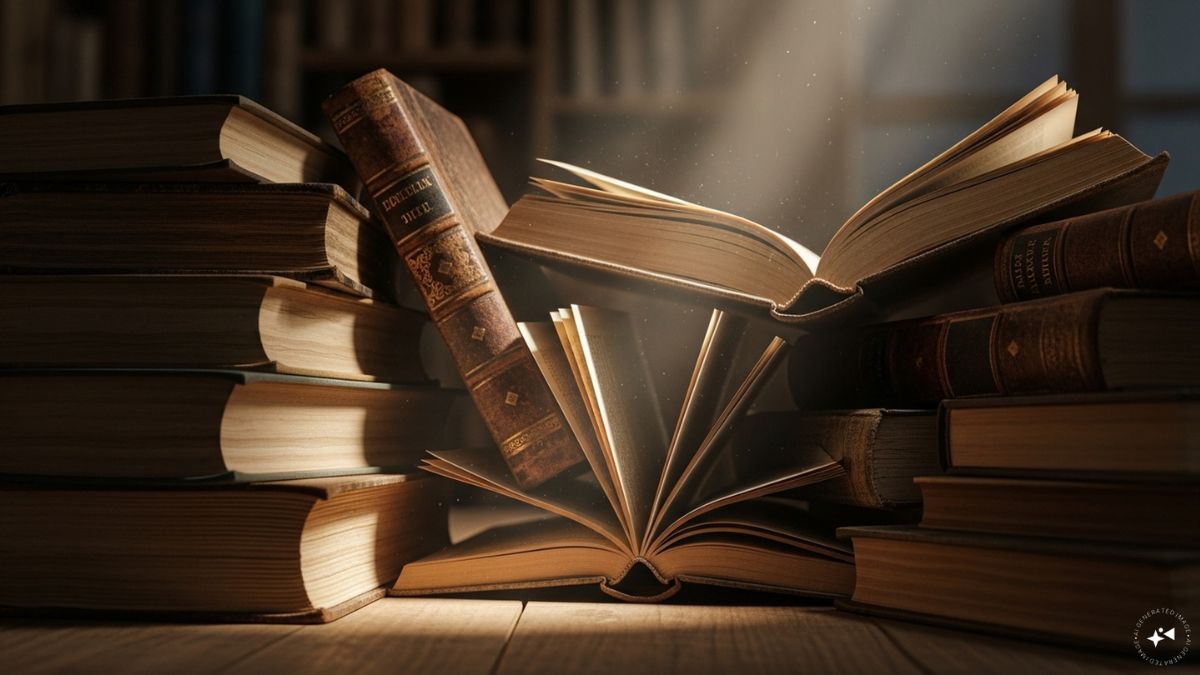
 "5 books to read on Iran - and one on Iran and India")
From Cyrus the Great’s Achaemenid Empire to the Safavid Dynasty, from the Pahlavi Monarchy to the Islamic Revolution, the land of Iran has a rich and storied history.
Countless books have been written on each of the above periods and more, along with memoirs, travelogues and social and political commentary.
For an overview of why Iran matters, here are five books worth reading, and one on Persian culture’s enduring impact on India.
1. ‘Empire of the Mind: A History of Iran’ by Michael Axworthy
This book gives you the broad sweep. Axworthy traces Iran’s identity over two and a half millennia, from the Zoroastrian era and the Achaemenid empire to the Islamic Age and the Safavids, ending with the tensions of the current era.
The Empire of the Mind in the title comprises the culture and philosophy that serve as a bedrock through successive ages.
2. ‘Iran: A Modern History’ by Abbas Amanat
Zooming in a little, Amanat, an Iran-born scholar, primarily focuses on the last 500 years, starting with the Safavid dynasty which created a distinct political and religious entity for Iran.
His detailed book is widely considered to be an authoritative account of how Iran transformed into a modern nation-state, and the 2017 edition takes the story up to the Green Movement that arose in 2009 demanding openness and accountability.
3. ‘A History of Modern Iran’ by Ervand Abrahamian
A premier historian of contemporary Iran, Abrahamian focuses his attention here on the Pahlavi era and its fall.
The book explores the social and economic shifts that led to the rise of Ayatollah Khamenei, including the tensions between the monarchy’s top-down initiatives and the dual power of the bazaar and the clergy.
4. ‘Shahnameh: The Persian Book of Kings’ by Abolqasem Ferdowsi
This epic and influential poem was composed by the Persian poet Ferdowsi around 1000 CE and comprises roughly 50,000 rhyming couplets.
It tells of the land’s mythical and historical past from the creation of the world until the Islamic conquest. With tales of kings and heroes like Rustom and Sohrab, it explores universal themes of justice, the tussle between good and evil, and the fleeting nature of power.
5. ‘My Uncle Napoleon’ by Iraj Pezeshkzad
A beloved comedic novel that captures a slice of the Iranian psyche through the lens of a dysfunctional family in 1940s Tehran.
It’s an affectionate satire on, among other things, the national penchant for conspiracy theories, with the titular character imagining sinister British plots behind every inconvenience.
The rest of the characters provide a vibrant, idiosyncratic portrait of Iranian life that conveys universal truths about families, delusions, and class. (There’s also an applauded 1976 TV adaptation which you can find on YouTube.)
Quick Reads
View All6. ‘India in the Persianate Age’ by Richard Eaton
Until the early 19th century, Persian was the dominant language of administration and high culture across many courts, especially under the Delhi Sultanate and the Mughal Empire.
Eaton’s book examines India as part of the wider Persianate cultural world between 1000 and 1765, in which its language, literature, and ethics circulated across much of Asia.
He shows how rulers and elites, cutting across religious boundaries, reshaped these norms in light of older Sanskritic and other traditions, arguing that pre-colonial India was marked by a distinctive cultural synthesis.

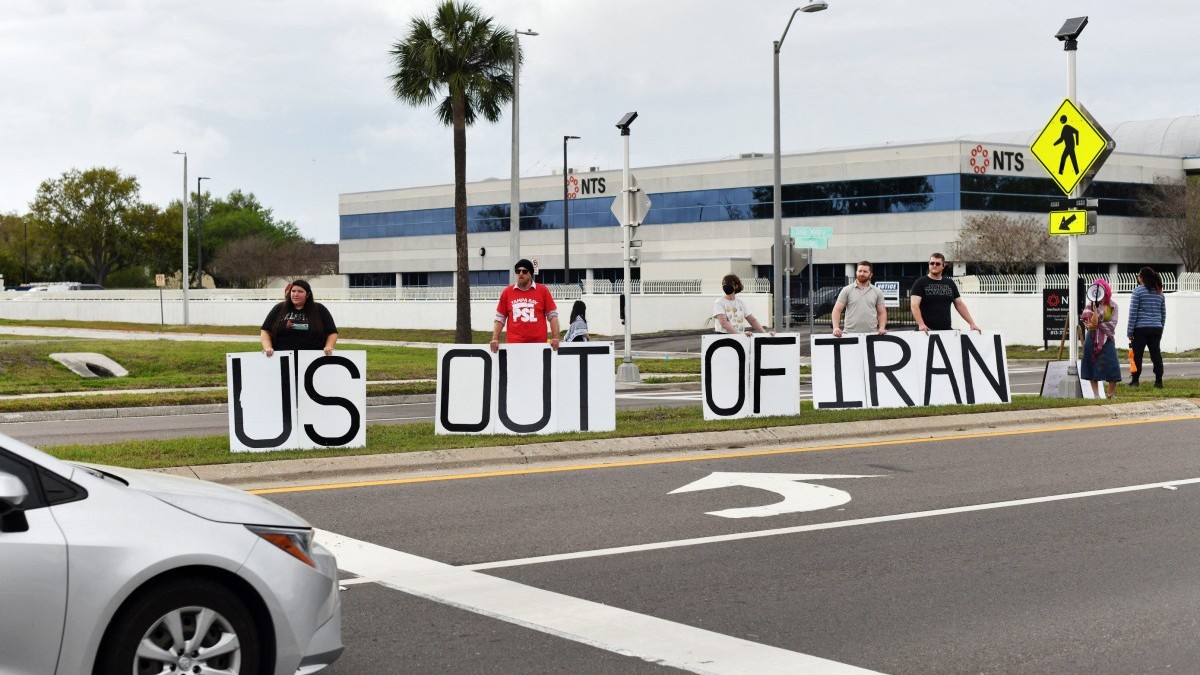 "US-Israel Iran War Live Updates: IDF says struck '200 targets' across Iran in last 24 hours")
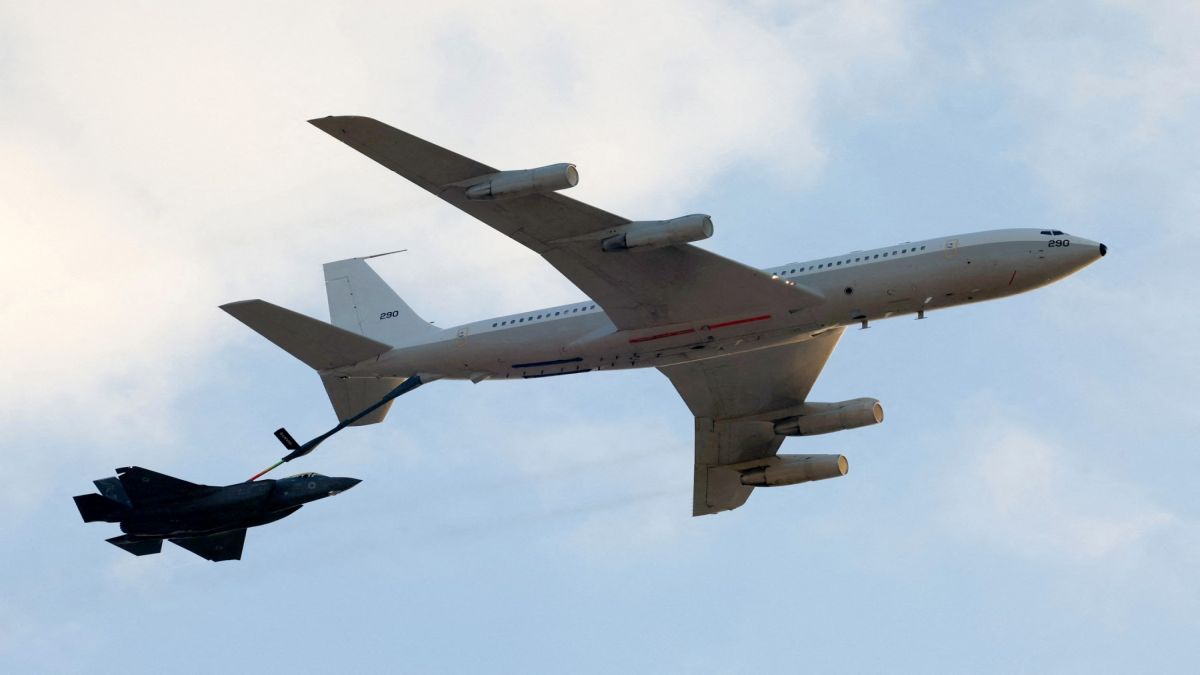 "What caused US’ KC-135 plane to crash in western Iraq?")
 "Pakistan strikes Kabul, killing 4 as tensions with Afghanistan escalate")
 "20 mn barrels per day to 'a trickle': IEA says Hormuz choke largest oil supply disruption in history")
 "US-Israel Iran War Live Updates: IDF says struck '200 targets' across Iran in last 24 hours")
 "What caused US’ KC-135 plane to crash in western Iraq?")
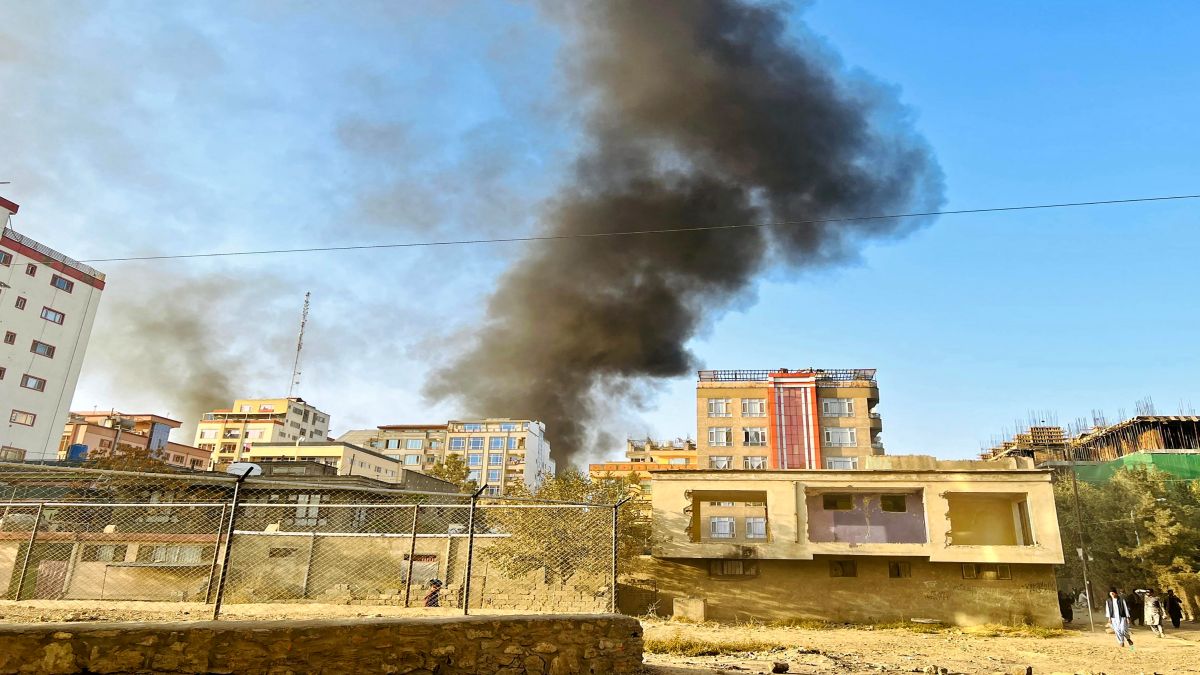 "Pakistan strikes Kabul, killing 4 as tensions with Afghanistan escalate")
 "20 mn barrels per day to 'a trickle': IEA says Hormuz choke largest oil supply disruption in history")