

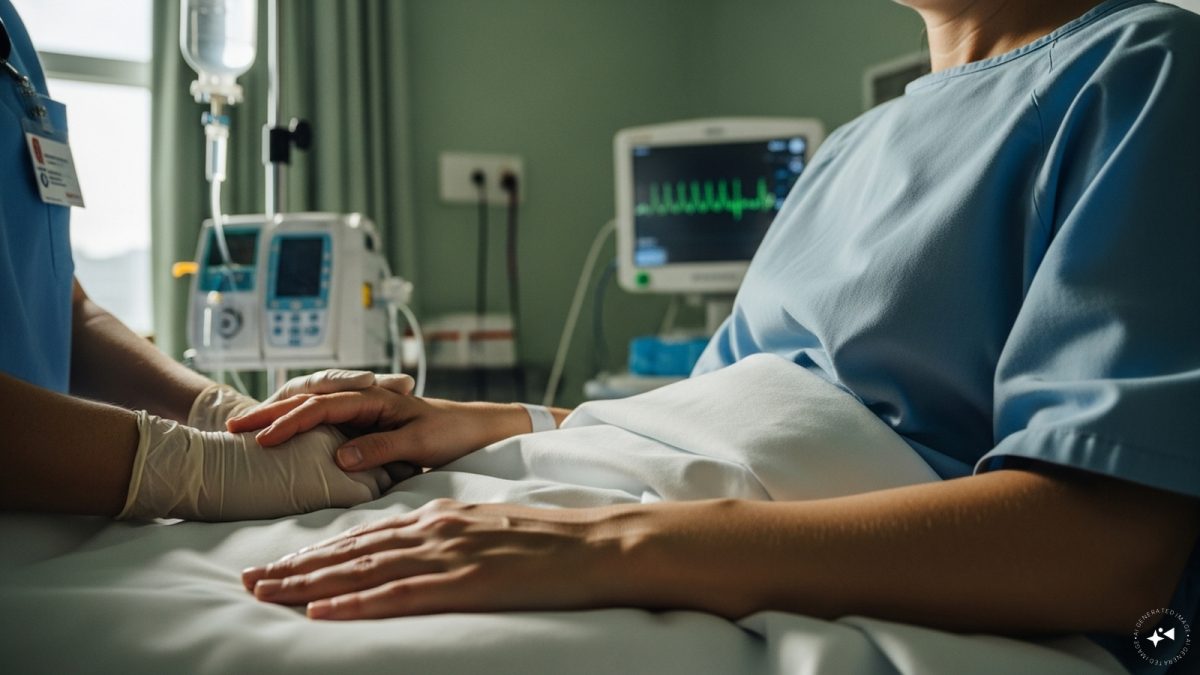
 "Why cervical cancer remains one of India’s deadliest yet preventable killers")
Cervical cancer remains one of India’s deadliest yet most preventable cancers, claiming nearly 80,000 lives every year, a toll higher than any other country, according to estimates from the World Health Organisation (WHO) and the International Agency for Research on Cancer.
India accounts for almost one-fourth of the global cervical cancer burden, despite the disease being largely avoidable through vaccination, early screening and timely treatment. Public health data from the Indian Council of Medical Research (ICMR) shows that cervical cancer is the second most common cancer among Indian women, particularly affecting those between the ages of 30 and 60.
While the government has intensified its focus on non-communicable diseases under the National Programme for Prevention and Control of Cancer, Diabetes, Cardiovascular Diseases and Stroke (NPCDCS), experts believes that gaps persist on the ground. Awareness remains uneven, screening coverage limited and cultural stigma around gynaecological health continues to delay diagnosis until the disease has progressed to advanced, harder-to-treat stages, they said.
The consequences are stark: most Indian women with cervical cancer are diagnosed late, when treatment becomes complex, costly and less effective. Health experts warn that without a sharp pivot towards prevention, especially among adolescents and young women, India risks carrying this avoidable burden well into the next decade.
To understand why cervical cancer continues to claim so many lives in India and what can realistically be done to reverse the trend, Firstpost spoke to leading gynaecologists and public health professionals across India including Dr Parnamita Bhattacharya, Senior Consultant – Gynaecologist & Obstetrician at CMRI Kolkata; Dr C.P. Dadhich, Director – Obstetrics & Gynaecology at CK Birla Hospitals (Jaipur) and Arpit Jain, Vice President at CK Birla Hospitals.
Why deaths remain high
Dr Bhattacharya: Cervical cancer continues to claim thousands of lives because most women in India are diagnosed far too late. Many reach hospitals only when symptoms like bleeding or pain become severe, by which time the disease is already in an advanced stage. Despite being one of the most preventable cancers, India still records nearly 79,000 cervical cancer deaths every year, largely due to low awareness, stigma around gynaecological health, and poor uptake of screening and vaccination. The lack of preventive behaviour among younger women and adolescents creates a large pool of undetected precancerous conditions that later progress into life-threatening disease.
What fuels India’s crisis
Dr Dadhich: India’s high burden is driven by multiple factors. More than 80% of cervical cancer cases are linked to HPV types 16 and 18, yet HPV vaccination still has low coverage because of persistent myths, misinformation, and limited access in many regions. Early marriages, poor menstrual hygiene, lack of routine gynaecological check-ups, and socio-cultural barriers further increase risk. To address this, CK Birla Hospitals Jaipur and CMRI Kolkata have launched a cervical cancer prevention drive aiming to administer 5,000 HPV vaccinations, while simultaneously running awareness campaigns to educate families about safety, fertility concerns, and long-term protection.
Screening saves lives
Dr Bhattacharya: Early screening saves lives because cervical cancer develops slowly and is detectable long before it becomes dangerous. PAP smears and HPV DNA tests can identify precancerous changes 10–15 years before they turn malignant. Regular consultations allow clinicians to identify warning signs early and initiate simple, minimally invasive treatments. Through community outreach and school awareness activities, CK Birla Hospitals has been encouraging women, young girls, and parents to view screening as a routine part of preventive healthcare not something to be done only when symptoms appear.
Barriers to prevention: Social, cultural or systemic?
Dr Dadhich: The major barriers include cultural hesitation to discuss reproductive health, misconceptions that HPV vaccines affect fertility, and fear associated with gynaecological examinations. On a systemic level, screening and vaccination services are still unevenly available across rural and semi-urban regions. Many women also prioritise family responsibilities over their own health. CK Birla Hospitals’ vaccination campaign addresses these obstacles by offering free HPV vaccination clinics and conducting counselling sessions to demystify the vaccine and encourage preventive behaviour across Jaipur and Kolkata.
Lifestyle risks and protection: Scaling screening, vaccines and roadmap
Mr. Jain: While HPV vaccination provides the strongest protection, additional lifestyle habits can support cervical health. Avoiding smoking, maintaining good menstrual hygiene, practicing safe sexual behaviour, improving nutrition, and addressing chronic infections early all help reduce risk. However, these measures cannot replace the proven efficacy of HPV vaccination and timely screening. Collaboration is essential to achieving meaningful change. Schools and community groups should be central points for HPV vaccine delivery, supported by public-health partnerships. Hospitals can provide the clinical expertise, structured counselling sessions, and vaccination infrastructure.
Systemic fixes required
Dr Bhattacharya: India needs long-term, consistent investment in prevention. Integrating HPV vaccination into the Universal Immunisation Programme, mandating routine screening for women over 30, strengthening district-level oncology infrastructure, and training frontline workers to counsel families are all crucial steps. When combined with hospital-led initiatives like CK Birla Hospitals’ 5,000-vaccination milestone, these measures can significantly reduce the cervical cancer burden and prevent thousands of avoidable deaths in the coming decade.

 "Bangladesh Protests Live: Police, army on street as post-Hadi violence targets Indian missions, Awami offices")
 "Who was Claudio Valente, Brown University shooting suspect who also killed MIT professor?")
 "Ukraine to US midterms: Will 2026 seal Trump's place in history?")
 "Bill Gates, quotes from ‘Lolita’ on woman’s body: What newly released Epstein photos reveal")
 "Bangladesh Protests Live: Police, army on street as post-Hadi violence targets Indian missions, Awami offices")
 "Who was Claudio Valente, Brown University shooting suspect who also killed MIT professor?")
 "Ukraine to US midterms: Will 2026 seal Trump's place in history?")
 "Bill Gates, quotes from ‘Lolita’ on woman’s body: What newly released Epstein photos reveal")



