

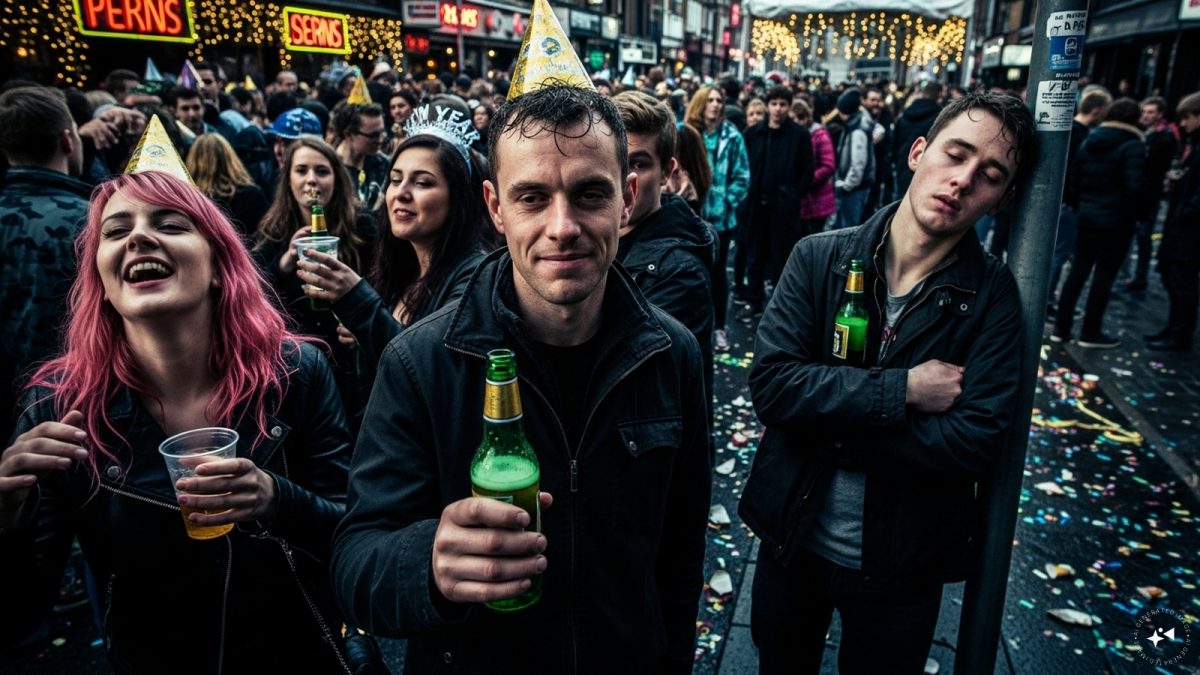
 "Why festive binge drinking poses higher health risks than regular alcohol use")
As India ushers in the New Year with festivities, late-night gatherings and increased alcohol consumption, clinicians across the country are cautioning that even a single episode of binge drinking can precipitate a wide range of acute health complications that go well beyond the transient discomfort of a hangover.
New Year’s Eve as warned by medical experts, creates a uniquely high-risk setting for alcohol-related harm, characterised by prolonged drinking hours, the mixing of different alcoholic beverages, dehydration, inadequate nutritional intake, exposure to cold weather and cumulative physical exhaustion.
Taken together, these factors can overwhelm the body’s adaptive mechanisms, transforming what is often perceived as “occasional” or “celebratory” alcohol use into a physiological stressor, with potential consequences for the brain, heart, liver and mental health.
The transition from a social toast to a physiological crisis is deceptively swift. What many perceive as a simple hangover is often a complex state of “Hangxiety”—a neurochemical rebound where the brain, stripped of its alcohol-induced calm, enters a state of high-alert panic and emotional instability.
Hangxiety’ and the brain’s chemical crash
Neurologists and mental health experts said the brain is often the first to feel the aftershocks. Dr Bharath Kumar Surisetti, consultant neurologist at Yashoda Hospitals (Hyderabad) explained that many people experience what is now commonly referred to as “hangxiety”, alcohol-induced anxiety that sets in after drinking.
Alcohol disrupts neurotransmitters such as GABA and serotonin that normally regulate mood and calm the brain. While drinking temporarily boosts GABA activity and creates a sense of relaxation, levels drop sharply as alcohol wears off, leaving the brain in an excitable state. This sudden imbalance can trigger anxiety, nervousness and even panic.
Alcohol’s diuretic effect worsens dehydration and electrolyte imbalance, compounding fatigue, irritability and low mood. Sleep quality also suffers. Even long hours of post-drinking sleep are fragmented, leading to brain fog, emotional instability and poor concentration the next day.
Quick Reads
View AllNot everyone experiences hangxiety equally. Genetic factors, underlying mental health conditions and sensitivity to alcohol play a role. Symptoms can include a racing heartbeat, trembling, sweating, intrusive thoughts, guilt and rumination about past actions. Physical hangover symptoms like headache or nausea often intensify emotional distress.
The mental health fallout
Dr Pooja Verma, consultant in clinical psychology at Yashoda Medicity Hospital (Indirapuram) said that a single night of heavy drinking, so often normalised on New Year’s Eve, can quietly overwhelm body and mind even in people who see themselves as “healthy” or “occasional drinkers”. Alcohol consumed in large amounts over a short time shocks the nervous system and raises the risk of alcohol poisoning, injuries, blackouts and risky decisions.
She warned that people who drink only on special occasions are particularly vulnerable. Low tolerance makes intoxication, blackouts and risky decisions more likely, turning celebration into crisis.
A silent assault on the liver
From a gastroenterology perspective, doctors stressed that binge drinking acts less like a social indulgence and more like toxin exposure. Dr Vikas Jindal, consultant gastroenterologist at CK Birla Hospital (Delhi) said the liver can process only a limited amount of alcohol at a time. Excess intake overwhelms this system, leading to a buildup of toxic by-products such as acetaldehyde.
This can cause acute liver inflammation, presenting as severe acidity, vomiting, upper abdominal pain, jaundice and sudden spikes in liver enzymes. The risk is higher for people with undiagnosed fatty liver disease, now common due to obesity and metabolic disorders.
Dr Sachin H J, consultant gastroenterologist at Regency Hospital (Gorakhpur) said that even a single binge episode can trigger alcoholic hepatitis in non-regular drinkers. Damage does not reverse instantly and may persist for weeks.
Repeated festive binge episodes prevent adequate recovery and accelerate long-term liver damage, increasing the risk of fibrosis, cirrhosis and chronic liver disease. Both doctors stress that liver injury depends on how much alcohol is consumed and how quickly not merely how often.
The heart under sudden strain
Cardiologists warned that the heart is particularly vulnerable to binge drinking. Dr Sanjeeva Kumar Gupta, Consultant at CK Birla Hospital (Delhi) said that consuming large amounts of alcohol rapidly triggers the release of stress hormones such as adrenaline, causing sudden spikes in heart rate and blood pressure.
“This can precipitate arrhythmias, heart attacks and strokes. A well-documented condition, holiday heart syndrome, occurs when alcohol disrupts the heart’s electrical system, leading to irregular rhythms such as atrial fibrillation. Symptoms may include palpitations, dizziness, chest discomfort and breathlessness, sometimes appearing hours after drinking has stopped.”
Dr Aditi Dattagupta, interventional cardiologist at SPARSH Hospital (Bengaluru) emphasised that the myth that only daily drinking harms the heart is medically incorrect. “The heart responds to alcohol dose, not frequency. Even a single night of excess can trigger serious cardiac events, particularly in people with undiagnosed hypertension, diabetes or silent coronary disease,”
A call for moderation, not moralising
Compulsive alcohol use packed into a single night, as often seen on New Year’s Eve, creates “unique and largely underestimated dangers” to both physical and mental health, said Dr Pavitra Shankar, Associate Consultant – Psychiatry at Aakash Healthcare. Binge‑like consumption saturates the body’s ability to metabolise alcohol safely, causing rapid spikes in blood alcohol levels that sharply increase the chances of alcohol poisoning, accidents, heart rhythm problems and acute inflammatory reactions.
She said that emergency departments continue to see rising numbers of alcohol‑related injuries and medical complications after New Year celebrations, underscoring that this is not harmless indulgence but a serious physiological stressor.
Alcohol, she explained, initially acts as a depressant that marginally suppresses anxiety via inhibitory neurotransmitters, but as it leaves the system the brain enters a rebound phase of increased excitability, manifesting as anxiety, restlessness, panic attacks, irritability and low mood in the days after New Year’s Eve.
Sleep disruption and emotional crash
Dr Shankar highlighted that alcohol severely disrupts sleep architecture: while it can make people feel sleepy, it interferes with deep and REM sleep, leading to fragmented nights, early‑morning awakenings and intense dreams. Combined with the sleep loss typical of late‑night parties, this fuels emotional instability and negative thinking, leaving people more exposed to stress and mental health symptoms in the immediate post‑party period.
She flagged the rising number of “post‑party emotional crashes” among young adults, where the high of social celebration followed by a return to everyday reality, layered over alcohol‑induced neurochemical changes, can leave behind feelings of emptiness, guilt, sadness or heightened self‑criticism.
For those already anxious or dealing with depressive symptoms, this crash can feel disproportionately severe and, in some cases, trigger or worsen mental health conditions, with social‑media comparisons after the event further intensifying feelings of underperformance or loneliness.
The New Year’s ‘perfect storm’
Dr Shankar warned that fluid loss and electrolyte imbalance during such nights intensify hangover severity, worsen mood disturbances and add strain to the cardiovascular system. Taken together, these factors make a single night of drunkenness “a powerful precipitant” of both short‑term crises and long‑term damage and she called for more careful decisions and greater awareness around party drinking
Echoing this, cardiology and gastroenterology experts stressed that the body responds to alcohol dose, not just frequency and that one night of excess can be enough to trigger serious cardiac, liver and mental health complications.
Their message for the festive season is clear: celebration does not require self‑harm and moderation, pacing, hydration, food intake and the option of staying sober are critical to ensuring that New Year’s begins without an avoidable trip to the emergency room.
Experts agree that prevention lies in awareness and moderation. Pacing drinks, staying hydrated, eating balanced meals, avoiding mixing alcohol types, prioritising sleep and recognising early warning signs can reduce harm. Light exercise, relaxation techniques and seeking medical help when symptoms persist are also key.
As doctors pointed out, celebration does not have to come at the cost of long-term health. The real danger lies not in alcohol alone, but in underestimating what “just one night” can do.

 "‘Bangladesh’s Yunus govt failed to control ‘mobocracy’’: BNP leader on attack on Indian mission")
 "Tarique Rahman to return to Bangladesh after 17 years: Can Khaleda Zia’s son influence February elections?")
 "US Congressmen raise alarm over anti-Hindu violence in Bangladesh")
 "‘Time to Kash out’: Why Kash Patel’s choice of new wheels has sparked a row")
 "‘Bangladesh’s Yunus govt failed to control ‘mobocracy’’: BNP leader on attack on Indian mission")
 "Tarique Rahman to return to Bangladesh after 17 years: Can Khaleda Zia’s son influence February elections?")
 "US Congressmen raise alarm over anti-Hindu violence in Bangladesh")
 "‘Time to Kash out’: Why Kash Patel’s choice of new wheels has sparked a row")



