

 "What are chilblains and how to avoid them this winter")
Winter is the time for great food and family get-togethers. For weddings and anniversary dinners. For plum cakes and hot wine. For holidays and good cheer. But for some people, winters can be itchy and painful. As the temperature drops, hundreds of people prepare themselves for the agony of feet that freeze in the cold, swollen toes that itch unbearably as they thaw out, and shoes that no longer fit. [caption id=“attachment_7769061” align=“alignleft” width=“380”] 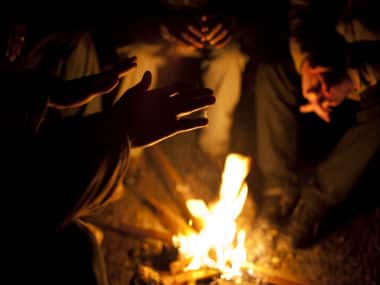 Representational image. Image source: Getty Images.[/caption] Yes, we’re talking about chilblains, a malady that can ruin the perfect winter for many.
What are chilblains?
Chilblains are small, red or purplish-blue, itchy blister-like swellings on the skin that occur as a reaction to cold temperatures. They typically affect the body’s extremities, such as the toes, fingers, heels, earlobes and the tip of the nose.
Why do chilblains occur?
Chilblains are medically known as perniosis. They are a reaction of the skin when it is exposed to cold and then warm temperature. When the skin gets cold, the blood vessels near the surface become narrower. If the skin is then exposed to heat, the blood vessels become wider. When this happens too quickly, the blood vessels near the surface of the skin are unable to handle the sudden increase in blood flow. This causes the blood to leak into the surrounding tissue, which leads to the swelling and itchiness - both signs of chilblains. You can also get chilblains from wearing tight shoes, as it may constrict the blood vessels, thus hampering the blood supply to the extremities.
How can you prevent chilblains?
If you are susceptible to chilblains, try to avoid exposure to cold as much as possible. Wear clothing that protects your feet, hands, and ears from the cold. Warm footwear, gloves, leg warmers or long socks and scarves can help, too. Wear woollen or cotton socks to allow your feet to “breathe”. Soak your hands and feet in warm water once or twice a week. This helps reduce any swelling or inflammation and also improves blood circulation. Stay active: exercising helps in improving blood circulation. Take plenty of fluids, including tea and coffee. A nutritious diet and supplement of vitamin C will help in maintaining the moisture of the skin. Keep sudden temperature changes to a minimum - when coming back from the cold, do not expose susceptible areas to sudden warmth, as it may trigger chilblains. Stop smoking, as nicotine causes the blood vessels to constrict, which can make chilblains worse. After taking bath, dry your hands and feet completely and moisturise them with an emollient (a cream that makes the skin soft) thoroughly to avoid cracking. Avoid wearing tight shoes and boots as they can further constrict the blood vessels and restrict circulation to your toes and feet. Before venturing out into the cold, warm up shoes and socks on the radiator. Make sure your shoes are dry before you wear them. If your feet are already cold, make sure your shoes aren’t overly hot. Remember, the idea is to avoid temperature change. Chilblains often get better on their own after a week or two without treatment. You can apply a soothing lotion, such as calamine, to reduce the itching. But if the chilblains keep occurring again, or get filled with pus, then you must seek medical help. For more information, please read our article on Causes of Foot Pain and What to do About Them_._ Health articles in Firstpost are written by myUpchar.com, India’s first and biggest resource for verified medical information. At myUpchar, researchers and journalists work with doctors to bring you information on all things health.

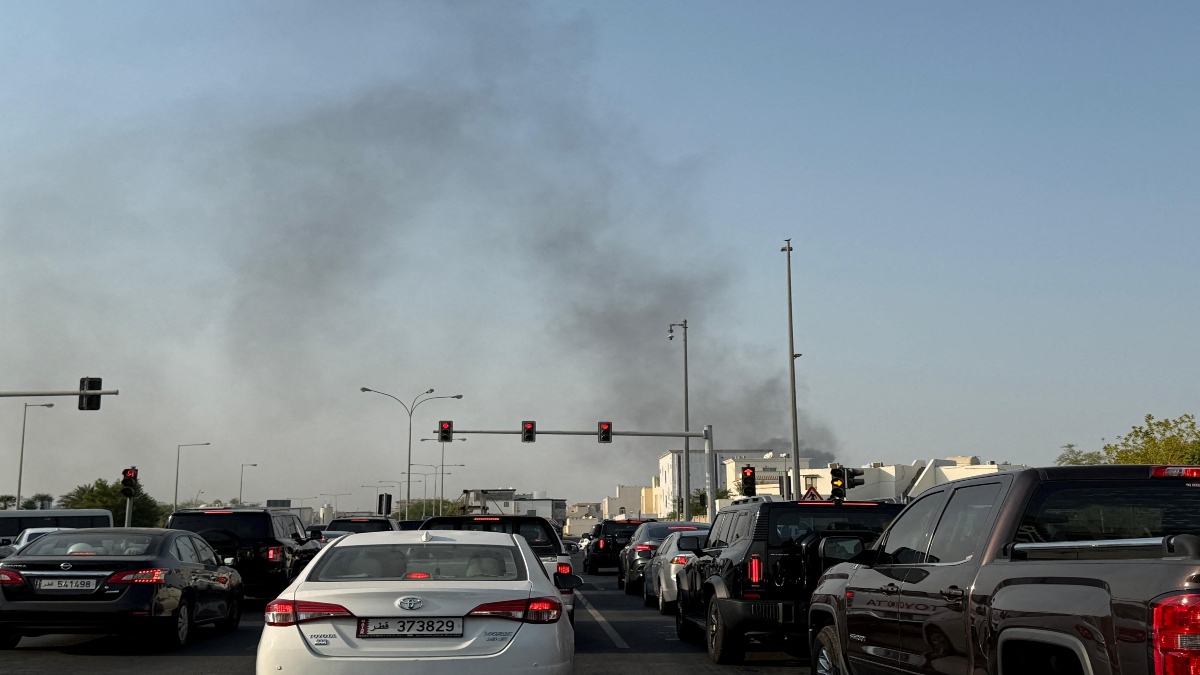 "Israel targets top Hamas leaders in Doha; Qatar, Iran condemn strike as violation of sovereignty")
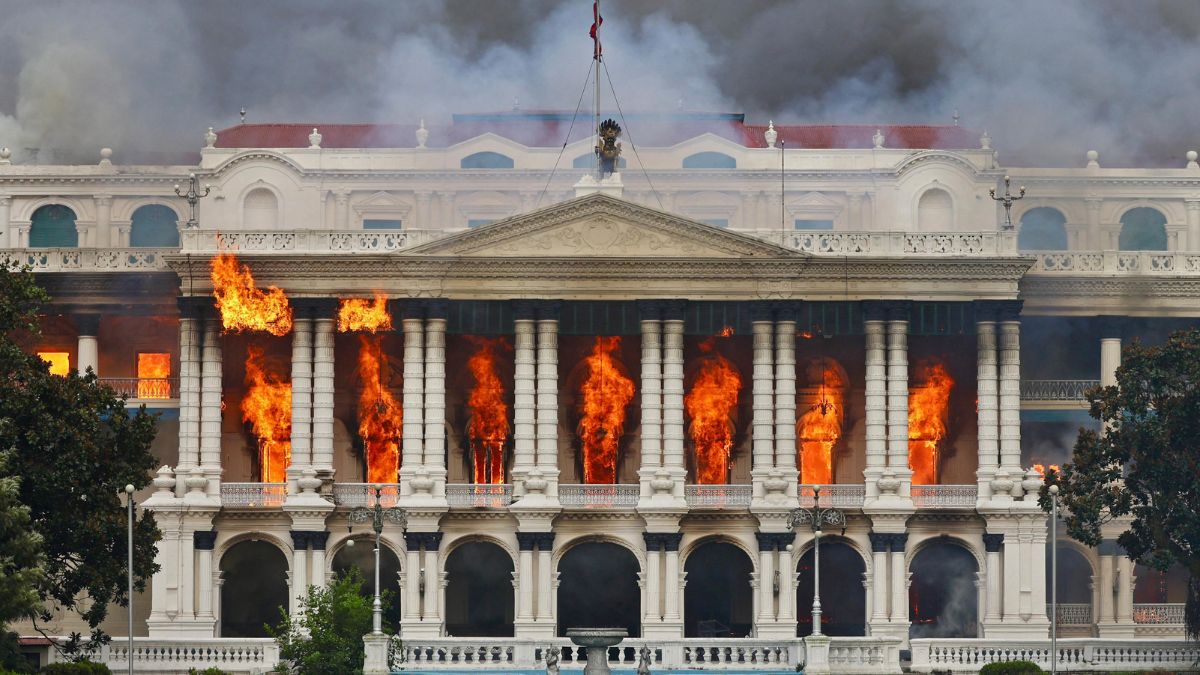 "Nepal: Oli to continue until new PM is sworn in, nation on edge as all branches of govt torched")
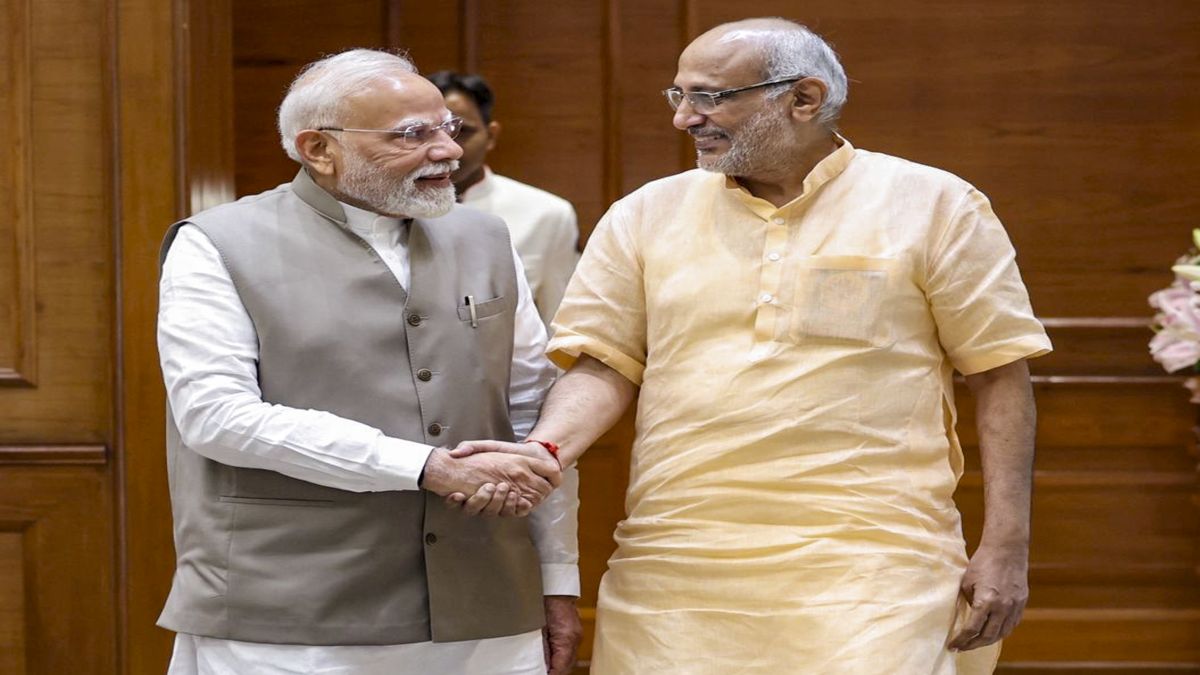 "Who is CP Radhakrishnan, India's next vice-president?")
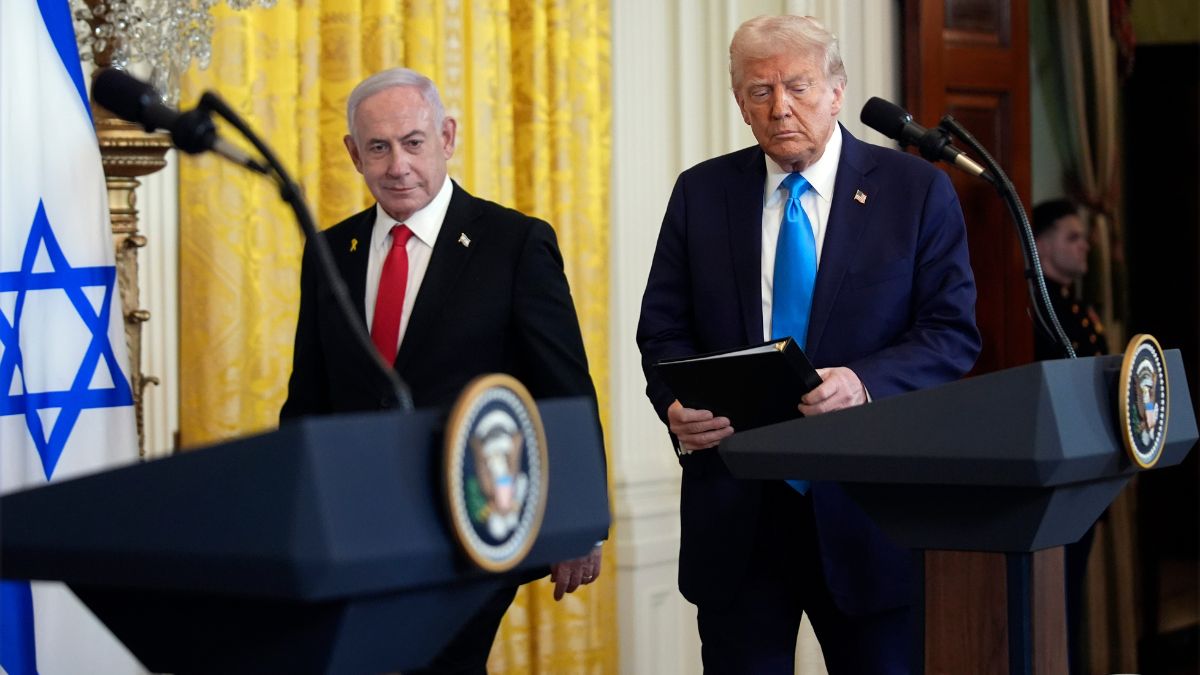 "Israel informed US ahead of strikes on Hamas leaders in Doha, says White House")
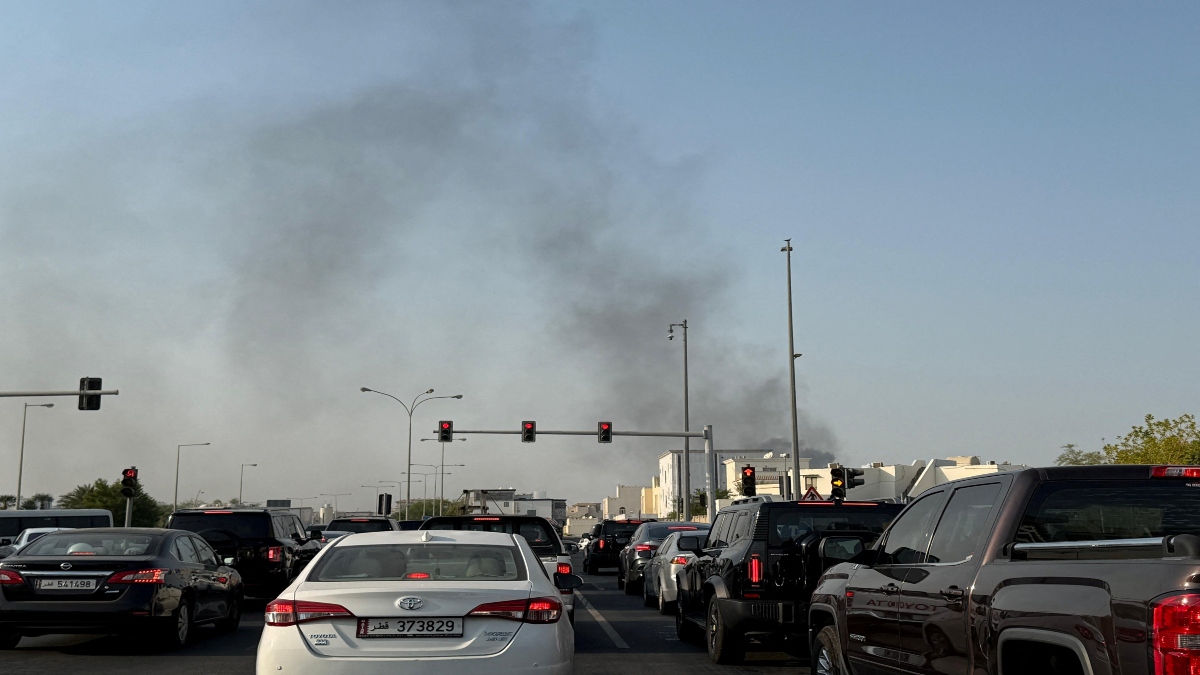 "Israel targets top Hamas leaders in Doha; Qatar, Iran condemn strike as violation of sovereignty")
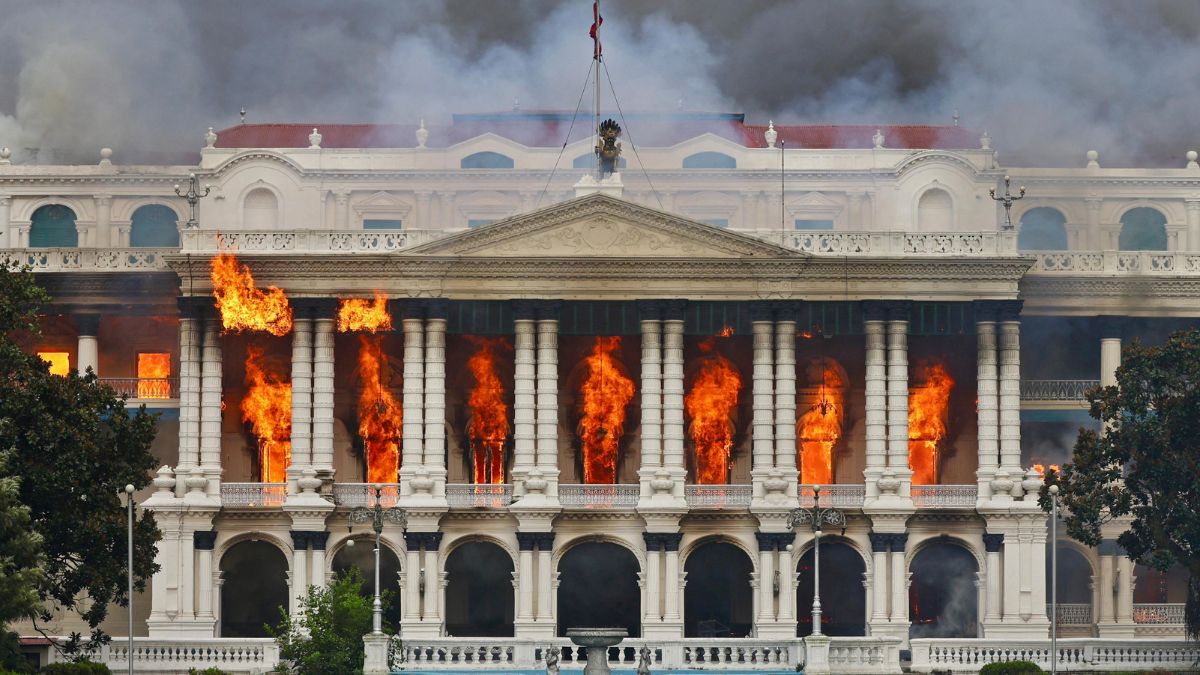 "Nepal: Oli to continue until new PM is sworn in, nation on edge as all branches of govt torched")
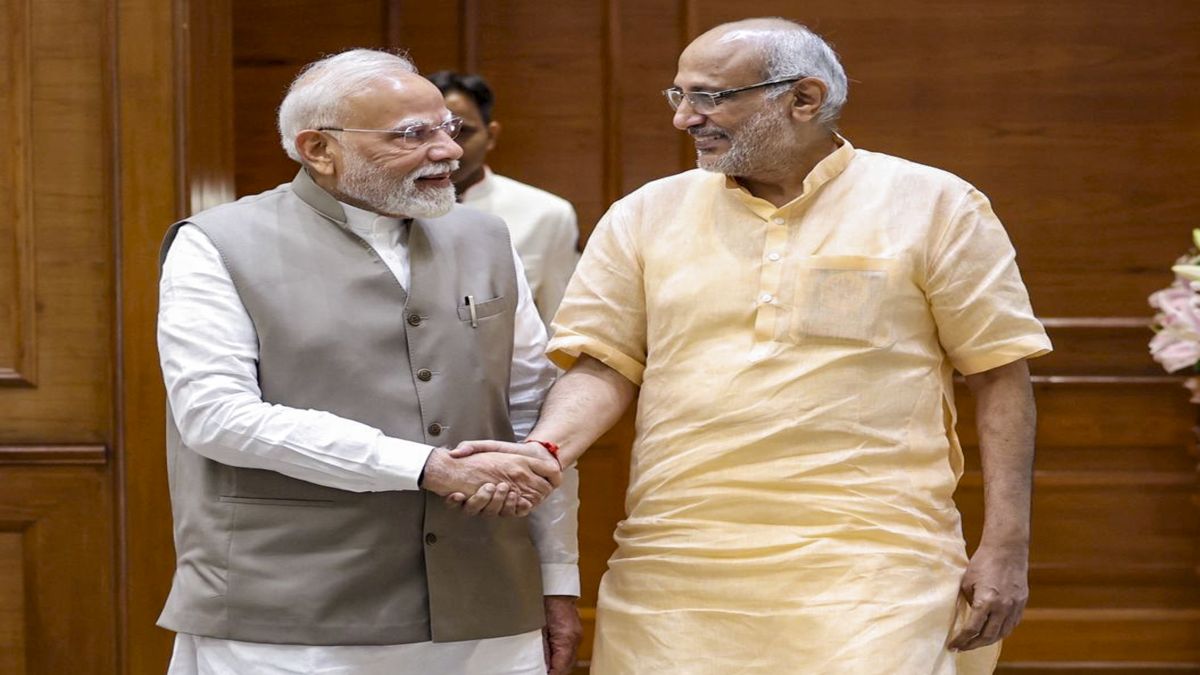 "Who is CP Radhakrishnan, India's next vice-president?")
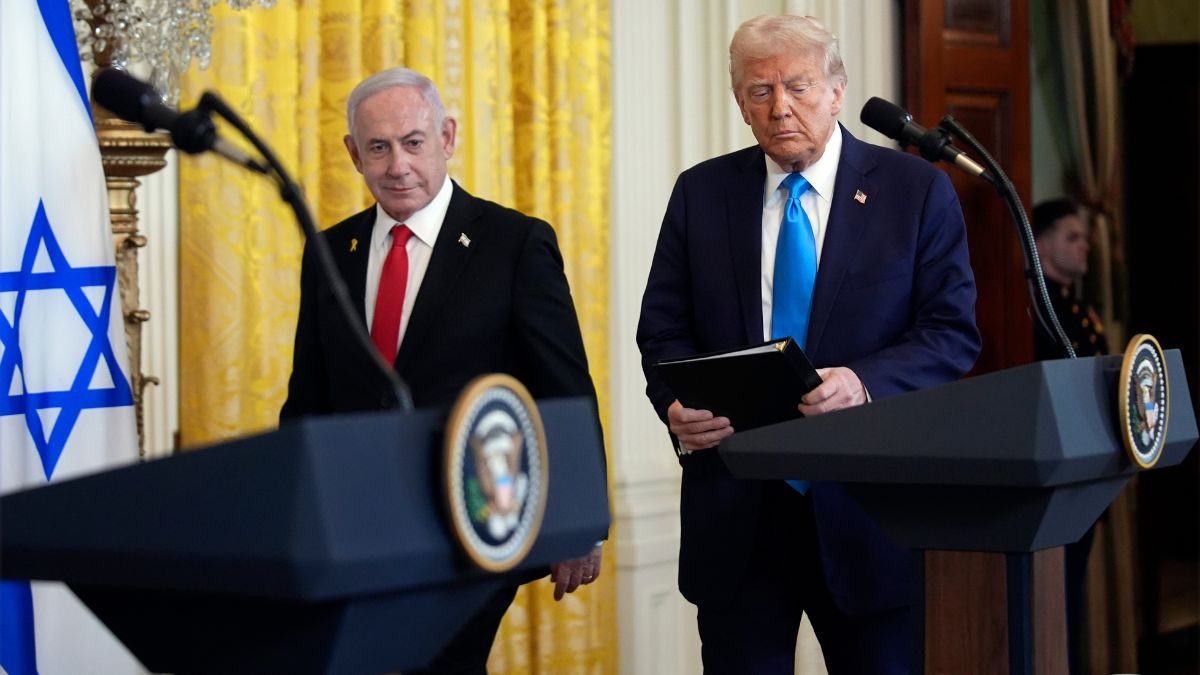 "Israel informed US ahead of strikes on Hamas leaders in Doha, says White House")



](https://images.firstpost.com/wp-content/uploads/2019/12/GettyImages-543755412ab.jpg)