

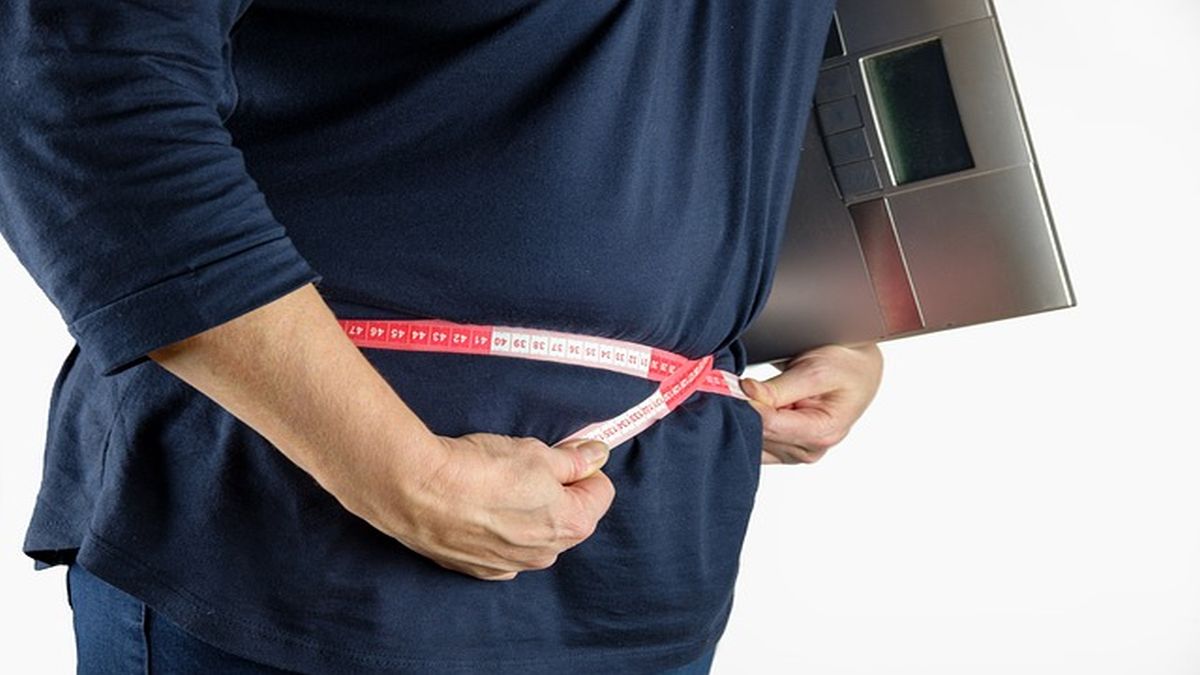
 "Why is it so difficult to lose weight? ‘Fat cells’ may be the reason")
Losing weight is a challenging process, but keeping it off can be even more difficult. Researchers have been investigating why this happens, and they may have found the answer.
Studies suggest that even after weight loss, fat cells retain a “memory” of obesity. This finding explains why maintaining weight loss can be so tough.
The results reveal that obesity changes the epigenome - a system of chemical markers that regulate gene function. These changes affect the way fat cells operate, sometimes affecting their normal function.
Notably, even procedures like weight-loss surgery do not remove these genetic changes. The body’s epigenetic links to obesity remain, which can increase the likelihood of weight regain.
Dr Laura Hinte, a biologist at ETH Zurich and co-author of the study, told Nature that the results suggest that people trying to slim down will often require long-term care to avoid weight regain. “It means that you need more help, potentially,” she said. “It’s not your fault.”
ALSO READ | Watch and weight: Is scrolling through those food reels making you fat?
How was the research conducted?
To understand why weight often returns quickly after being lost, Laura Hinte and her team studied fat tissue from two groups: individuals with severe obesity and a control group who had never been obese. Their analysis revealed differences in gene activity between the two groups. Some genes were more active in the fat cells of those with obesity, while others were less active, Nature said in a report.
Even after weight-loss surgery, this pattern remained. Two years after undergoing operations for weight reduction, participants had lost large amounts of weight, but the gene activity in their fat cells still reflected the obesity-linked pattern. Similar findings were observed in mice that had lost considerable weight.
In both humans and mice, the genes that became more active during obesity were linked to inflammation and fibrosis - the formation of stiff, scar-like tissue. Meanwhile, genes that supported normal fat cell function became less active. Further research in mice traced these changes to shifts in the epigenome, a system that largely influences gene activity, including whether genes are switched on or off.
ALSO READ | Can weight-loss drugs like Ozempic help fight addiction?
To test the durability of these changes, obese mice were put on a diet. Months after they had regained a lean body, the alterations in their epigenomes continued, as though the fat cells retained a ‘memory’ of obesity.
How long does the body ‘remember’ obesity?
The duration of the body’s ‘memory’ of obesity remains uncertain, Ferdinand von Meyenn, an epigenome specialist at ETH Zurich and co-author of the study told Nature.
“There may be a time window when this memory will be lost,” he said. “But we don’t know.”
To explore the impact of this memory, researchers examined fat cells from mice that had slimmed down after being obese. These cells absorbed more sugar and fat than those from control mice that had never been obese. Further, the previously obese mice gained weight more rapidly on a high-fat diet compared to the control group.
However, it is worth noting that external experts said that the study did not establish that the epigenetic changes caused these physical effects.
Biologist Evan Rosen from Beth Israel Deaconess Medical Center in Boston, who specialises in fat tissue, told Nature that while the study provides a valuable list of epigenetic changes in fat cells, identifying which ones directly influence the cells’ behaviour will be challenging.
“It’s not yet a causal link,” Ferdinand von Meyenn said. “It’s a correlation. … We’re working on this.”
ALSO READ | How urbanisation, genetics and lifestyle fuel the global rise in obesity
What do the findings mean?
Von Meyenn said that preventing obesity is important in the first place. Although people “can [stay] lean, but it will require a lot of effort and energy to do that.”
He said that the team’s findings could help reduce the stigma surrounding obesity. “It’s a complex condition, not just about willpower,” he said.
The research could lead to more effective weight management programmes, though the cellular memory of obesity might fade over time. “It’s possible that maintaining a reduced or healthy body weight for long enough is enough to erase the memory,” Hinte told The Guardian.
Professor Henriette Kirchner, University of Lubeck, described the findings as “very plausible.” She told the UK daily, “I’m convinced it plays an important role in the yo-yo effect after dieting…The researchers show convincingly that the memory becomes harder to erase the longer you were obese.”
Weight regain is common among individuals who lose weight through dieting or after using weight-loss treatments like Wegovy , especially when these interventions are stopped.
David Benton, a professor emeritus at Swansea University and author of the 2024 book “Tackling the Obesity Crisis: Beyond Failed Approaches to Lasting Solutions”, stated that more than 100 factors contribute to obesity.
He told The Guardian, “Obesity reflects consuming more calories than you burn. When a diet removes energy you lose weight.”
“However, the mantra is that diets fail. They fail because to avoid regaining lost weight you need to permanently change your diet. Most often having finished the diet, we return to the lifestyle that caused the problem in the first instance. The result is yo-yo dieting.”
Understanding how fat cells retain the memory of obesity could pave the way for improved treatments, offering hope to millions struggling to manage their weight effectively.
With inputs from agencies

 "Russian drones over Poland: Trump’s tepid reaction a wake-up call for Nato?")
 "As Russia pushes east, Ukraine faces mounting pressure to defend its heartland")
 "Why Mossad was not on board with Israel’s strike on Hamas in Qatar")
 "Turkey: Erdogan's police arrest opposition mayor Hasan Mutlu, dozens officials in corruption probe")
 "Russian drones over Poland: Trump’s tepid reaction a wake-up call for Nato?")
 "As Russia pushes east, Ukraine faces mounting pressure to defend its heartland")
 "Why Mossad was not on board with Israel’s strike on Hamas in Qatar")
 "Turkey: Erdogan's police arrest opposition mayor Hasan Mutlu, dozens officials in corruption probe")



