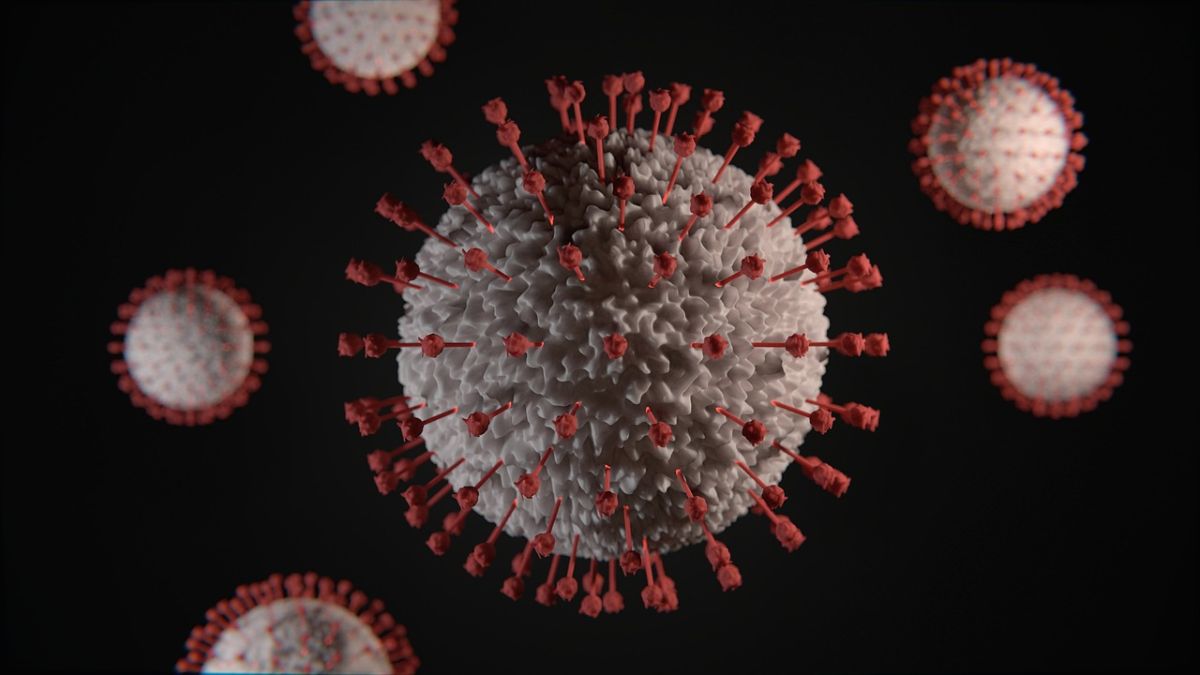
 "Stratus Update: How XFG is likely to become the next dominant Covid variant")
Given the number of times this has happened already, it should come as little surprise that we’re now faced with yet another new subvariant of SARS-CoV-2, the virus responsible for Covid.
This new subvariant is known as XFG (nicknamed “ Stratus”) and the World Health Organization (Who) designated it a “variant under monitoring” in late June. XFG is a subvariant of Omicron, of which there are now more than 1,000.
A “variant under monitoring” signifies a variant or subvariant which needs prioritised attention and monitoring due to characteristics that may pose an additional threat compared to other circulating variants.
XFG was one of seven variants under monitoring as of June 25. The most recent addition before XFG was NB.1.8.1 (nicknamed “Nimbus”), which the Who declared a variant under monitoring on May 23.
Both nimbus and stratus are types of clouds.
Nimbus is currently the dominant subvariant worldwide – but Stratus is edging closer. So, what do you need to know about Stratus or XFG?
A recombinant variant
XFG is a recombinant of LF.7 and LP.8.1.2, which means these two subvariants have shared genetic material to come up with the new subvariant. Recombinants are designated with an X at the start of their name.
While recombination and other spontaneous changes happen often with SARS-CoV-2, it becomes a problem when it creates a subvariant that is changed in such a way that its properties cause more problems for us.
Most commonly, this means the virus looks different enough that protection from past infection (and vaccination) doesn’t work so well, called immune evasion. This basically means the population becomes more susceptible and can lead to an increase in cases, and even a whole new wave of Covid infections across the world.
XFG has four key mutations in the spike protein, a protein on the surface of SARS-CoV-2, which allows it to attach to our cells. Some are believed to enhance evasion by certain antibodies.
Early laboratory studies have suggested a nearly two-fold reduction in how well antibodies block the virus compared to LP.8.1.1.
Where is XFG spreading?
The earliest XFG sample was collected on January 27.
As of June 22, there were 1,648 XFG sequences submitted to GISAID from 38 countries ( GISAID is the global database used to track the prevalence of different variants around the world). This represents 22.7 per cent of the globally available sequences at the time.
This was a significant rise from 7.4 per cent four weeks prior and only just below the proportion of NB.1.8.1 at 24.9 per cent. Given the now declining proportion of viral sequences of NB.1.8.1 overall, and the rapid rise of XFG, it would seem reasonable to expect XFG to become dominant very soon.
According to Australian data expert Mike Honey, the countries showing the highest rates of detection of XFG as of mid-June include India at more than 50 per cent, followed by Spain at 42 per cent, and the United Kingdom and United States, where the subvariant makes up more than 30 per cent of cases.
In Australia, as of June 29, NB.1.8.1 was the dominant subvariant, accounting for 48.6 per cent of sequences. In the most recent report from Australia’s national genomic surveillance platform, there were 24 XFG sequences, with 12 collected in the last 28 days, meaning it currently comprises approximately 5 per cent of sequences.
The big questions
When we talk about a new subvariant, people often ask questions, including if it’s more severe or causes new or different symptoms compared to previous variants. But we’re still learning about XFG and we can’t answer these questions with certainty yet.
Some sources have reported XFG may be more likely to cause “hoarseness” or a scratchy or raspy voice. But we need more information to know if this association is truly significant.
Notably, there’s no evidence to suggest XFG causes more severe illness compared to other variants in circulation or that it is necessarily any more transmissible.
Will vaccines still work against XFG?
Relatively frequent changes to the virus mean we have continued to update the Covid vaccines. The most recent update, which targets the JN.1 subvariant, became available in Australia from late 2024. XFG is a descendant of the JN.1 subvariant.
Fortunately, based on the evidence available so far, currently approved Covid vaccines are expected to remain effective against XFG, particularly against symptomatic and severe disease.
Because of SARS-CoV-2’s continued evolution, the effect of this on our immune response, as well as the fact that protection from Covid vaccines declines over time, Covid vaccines are offered regularly and recommended for those at the highest risk.
One of the major challenges we face at present in Australia is low Covid vaccine uptake. While rates have increased somewhat recently, they remain relatively low, with only 32.3 per cent of people aged 75 years and over having received a vaccine in the past six months. Vaccination rates in younger age groups are significantly lower.
Although the situation with XFG must continue to be monitored, at present the Who has assessed the global risk posed by this subvariant as low. The advice for combating Covid remains unchanged, including vaccination as recommended and the early administration of antivirals for those who are eligible.
Measures to reduce the risk of transmission, particularly wearing masks in crowded indoor settings and focusing on air quality and ventilation, are worth remembering to protect against Covid and other viral infections.
Paul Griffin, Professor, Infectious Diseases and Microbiology, The University of Queensland
This article is republished from The Conversation under a Creative Commons license. Read the original article.

 "UAE to host first 'trilateral' talks between Ukraine, US and Russia, says Zelenskyy")
 "Trump finds new raid target? Report says US actively seeking regime change in Cuba by 2026-end")
 "Power shift in Hanoi: Vietnam party list hints PM and president losing clout")
 "Can Trump’s Board of Peace replace the United Nations?")
 "UAE to host first 'trilateral' talks between Ukraine, US and Russia, says Zelenskyy")
 "Trump finds new raid target? Report says US actively seeking regime change in Cuba by 2026-end")
 "Power shift in Hanoi: Vietnam party list hints PM and president losing clout")
 "Can Trump’s Board of Peace replace the United Nations?")