

 "Scientists find the master switch that turns on inflammation: This may help them find a way to manage chronic lung infections in future")
Inflammation is our body’s natural response to threats. It is triggered by a series of immune reactions that dilate the blood vessels, allowing white blood cells to enter the damage site and protect the body from infection. It is important to note that inflammation does not begin after the infection has occurred, it just means that your body is trying to evade microbial entry. [caption id=“attachment_7310011” align=“alignleft” width=“380”] 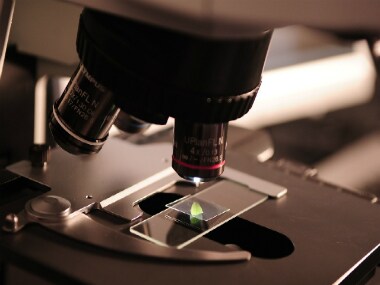 Representational image. Image by felixioncool from Pixabay[/caption] Now, scientists at the Yale School of Medicine, U.S., have isolated - PIEZO1 - a tiny channel that triggers the production of inflammatory mediators and starts off the immune response. However, inflammation also makes our wounds swell and hurt. And, dysregulated or glitchy inflammatory response can attack healthy tissues, leading to chronic diseases such as arthritis and asthma. According to the World Health Organization, chronic or long-term inflammation is the “greatest threat” to human health, with an ever-increasing death rate. Inflammation plays a part in many diseases - that’s what makes it so is hard to gauge the exact mortality rate associated with it. The research In their paper published in the peer-reviewed journal Nature, Yale researchers Angel G. Solis et al explained that our lungs constantly expand and contract to facilitate breathing. This creates a mechanical force in the lung tissue. Macrophages (a type of white blood cells) in the blood are sensitive to this mechanical force. As soon as they sense a change in pressure (this can happen because of a disease or injury), they pass over from the blood vessels into the lungs, causing swelling and redness. On a molecular level, scientists found that this inflammation begins when a specific channel on the macrophage membranes - PIEZO1 - identifies the pressure change, and makes them produce a protein inside their cytoplasm (the liquid stuff inside the cells). This protein then releases a compound called CXCL2 which attracts neutrophils - the first immune cells - to the infection site. The researchers found that removing the pressure receptors PIEZO1 in mice in the laboratory led to a reduction in inflammatory molecules, but it also caused more severe and systemic infection. The scientists are now wondering if they can somehow stop the inflammation without affecting immunity. To be sure, the scientists at Yale’s department of immunobiology weren’t yet able to achieve the desired result: to turn off inflammation without curtailing the immune response. But, they pointed out their study is still important because it gives them a better understanding of the underlying mechanism of inflammation. It raises key questions regarding the involvement of PIEZO1 in diseases like lung fibrosis. Lung fibrosis refers to scarring of lung tissue due to infections, allergies or chronic inflammatory conditions. The future The Yale research was based on lung tissues only. However, PIEZO1 is present in various cells including those of the bladder, skin, red blood cells and most importantly macrophages - one of the most important mediators for the initiation and resolution of inflammation. A greater understanding of the regulatory pathways that control inflammation can help scientists find ways to control this immune reaction and prevent tissue damage, which may prolong the lives of chronic inflammation patients. If all goes to plan, this study may bring us closer to a cure for asthma and lung cancer in the future. Health articles in Firstpost are written by myUpchar.com, India’s first and biggest resource for verified medical information. At myUpchar, researchers and journalists work with doctors to bring you information on all things health. To know more on this topic, please visit https://www.myupchar.com/en/disease/inflammatory-disease
Inflammation is triggered by a series of immune reactions that dilate the blood vessels, allowing white blood cells to enter the damage site and protect the body from infection.
Advertisement
End of Article

 "Israel targets top Hamas leaders in Doha; Qatar, Iran condemn strike as violation of sovereignty")
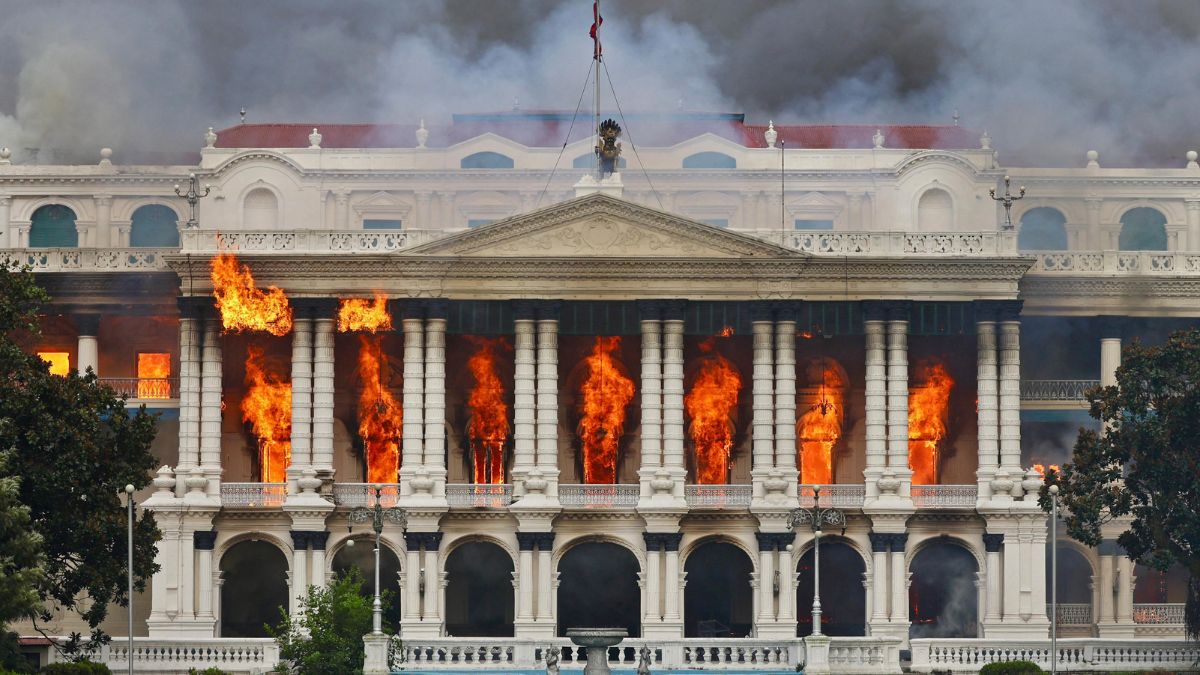 "Nepal: Oli to continue until new PM is sworn in, nation on edge as all branches of govt torched")
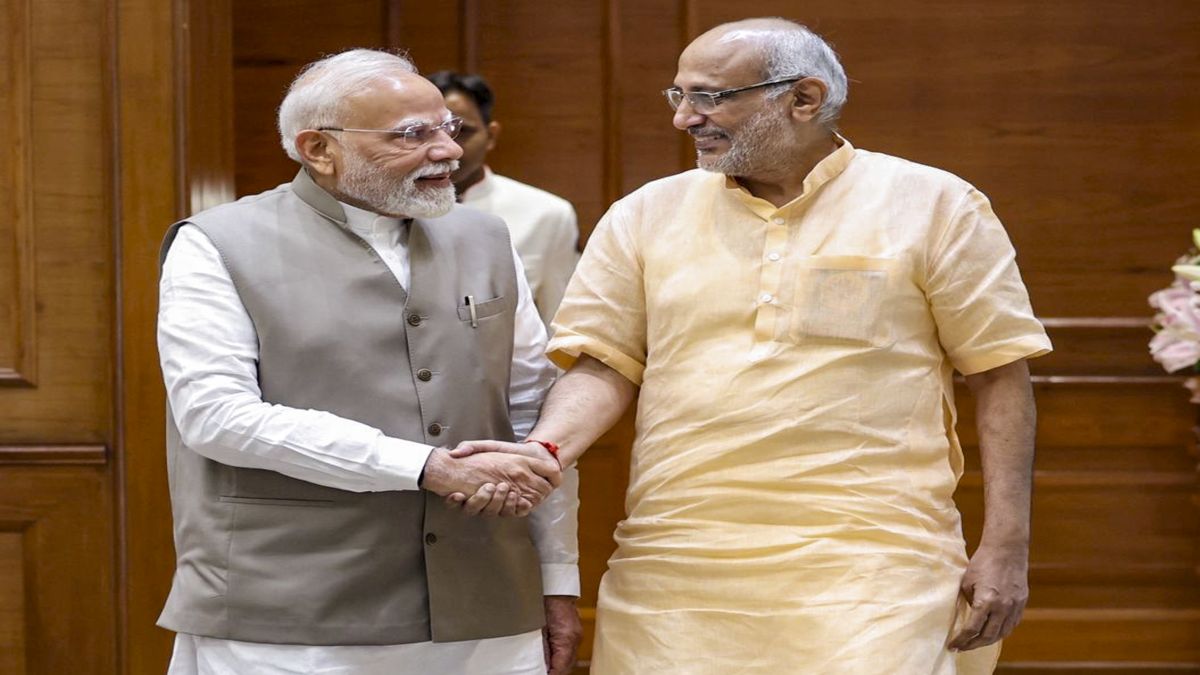 "Who is CP Radhakrishnan, India's next vice-president?")
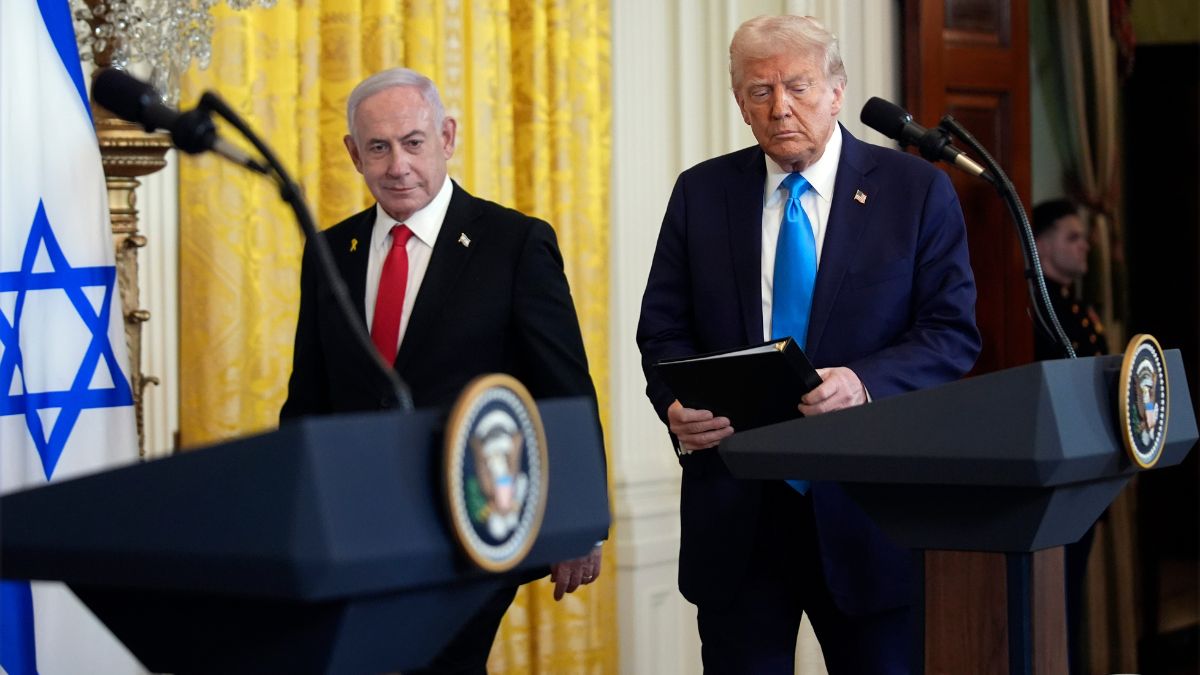 "Israel informed US ahead of strikes on Hamas leaders in Doha, says White House")
 "Israel targets top Hamas leaders in Doha; Qatar, Iran condemn strike as violation of sovereignty")
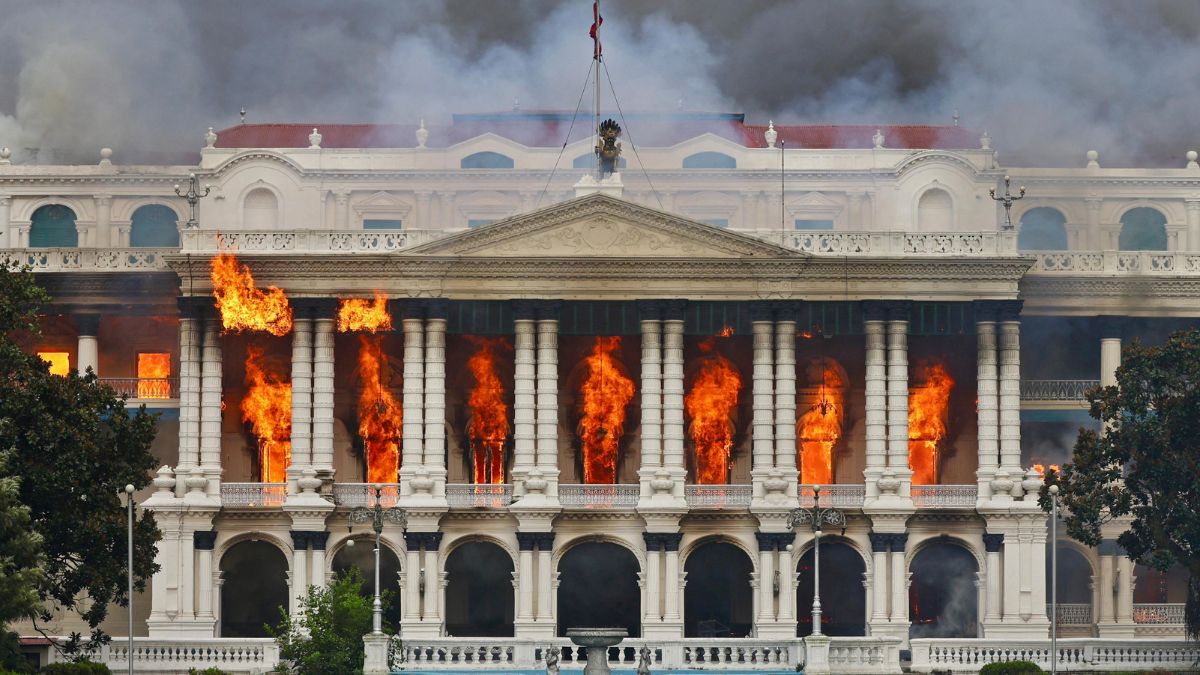 "Nepal: Oli to continue until new PM is sworn in, nation on edge as all branches of govt torched")
 "Who is CP Radhakrishnan, India's next vice-president?")
 "Israel informed US ahead of strikes on Hamas leaders in Doha, says White House")



](https://images.firstpost.com/wp-content/uploads/2019/09/microscope-385364_1280_1.jpg)